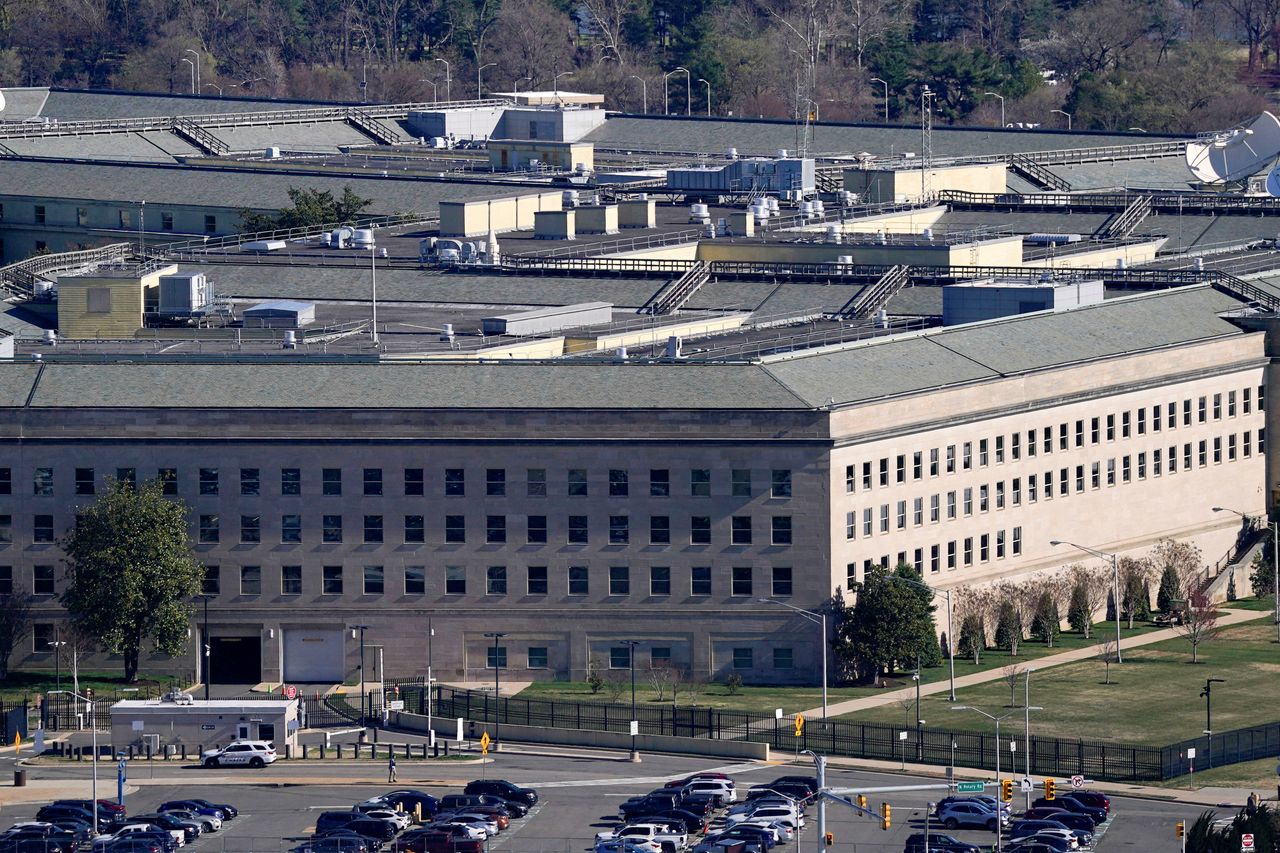
The United States has announced that US Indo-Pacific Command (INDOPACOM) will revert to its original name: US Pacific Command (USPACOM or PACOM).
The geographic area of responsibility remains unchanged, from the US West Coast to the western border of India, and officials insist the core mission of maintaining a free and open region is unaffected.
The question is whether removing "Indo" from the name of America's most important Asia-focused combatant command represents a cosmetic restoration of a historic title, a subtle downgrading of India's strategic importance or a visible sign of a broader rethink of US strategy after the Iran war.
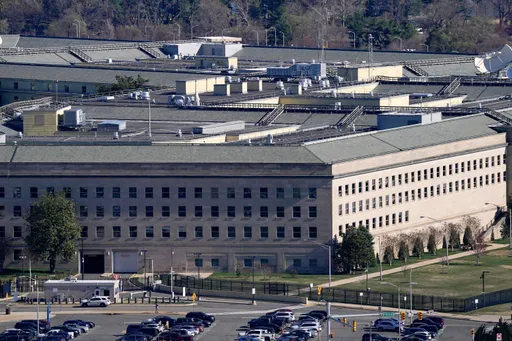
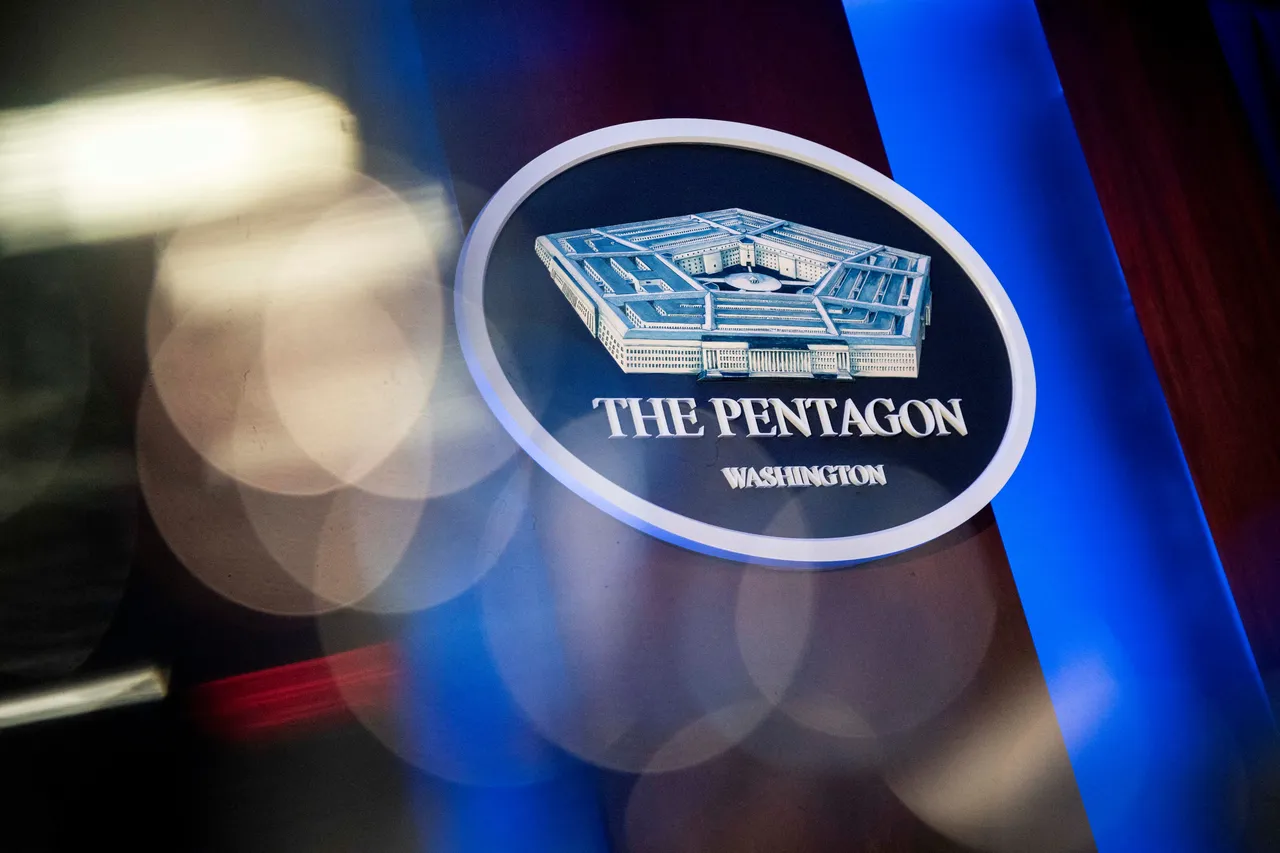
The Pentagon's official explanation is straightforward: it is "restoring" the historic name, PACOM, which existed from 1947 until US President Donald Trump’s first administration renamed it INDOPACOM in 2018.
But names matter in geopolitics because they signal priorities.
The name change "honors the command's deep historical roots, fostering a sense of pride and collective spirit among all who serve in the Pacific," the US Department of Defense said in a statement.
The US Pacific Command was established by President Harry Truman after World War II.
It operated under that name for over 70 years before being renamed as the US Indo-Pacific Command in 2018, in a nod to the growing importance of the Indian Ocean in US strategic thinking.
Why Trump renamed PACOM in 2018
When then-Defense Secretary Jim Mattis announced the switch from PACOM to INDOPACOM in 2018, the move was intended to reflect a strategic revolution already under way.
The underlying logic was that the Indian and Pacific Oceans had become a single geopolitical theatre because of China's naval expansion, its growing footprint from the South China Sea to the western Indian Ocean, the centrality of sea lanes connecting East Asia and the Middle East and India's emergence as a major maritime power.
The "Indo-Pacific" concept elevated India from being a South Asian power to becoming an essential pillar of Asian balance-of-power politics.
The renaming also dovetailed with the revival of the Quad, comprising India, United States, Japan and Australia, and with Washington's effort to build a network capable of constraining Chinese influence without creating a formal NATO-style alliance.
Mattis explicitly linked the new name to the growing importance of Indian Ocean partnerships.
So "Indo" was never merely geographic. It was strategic messaging.


Why the timing is attracting attention
Under normal circumstances, a restoration of the PACOM name might have passed largely unnoticed.
Instead, it comes amid heightened US-India frictions linked to the Iran conflict.
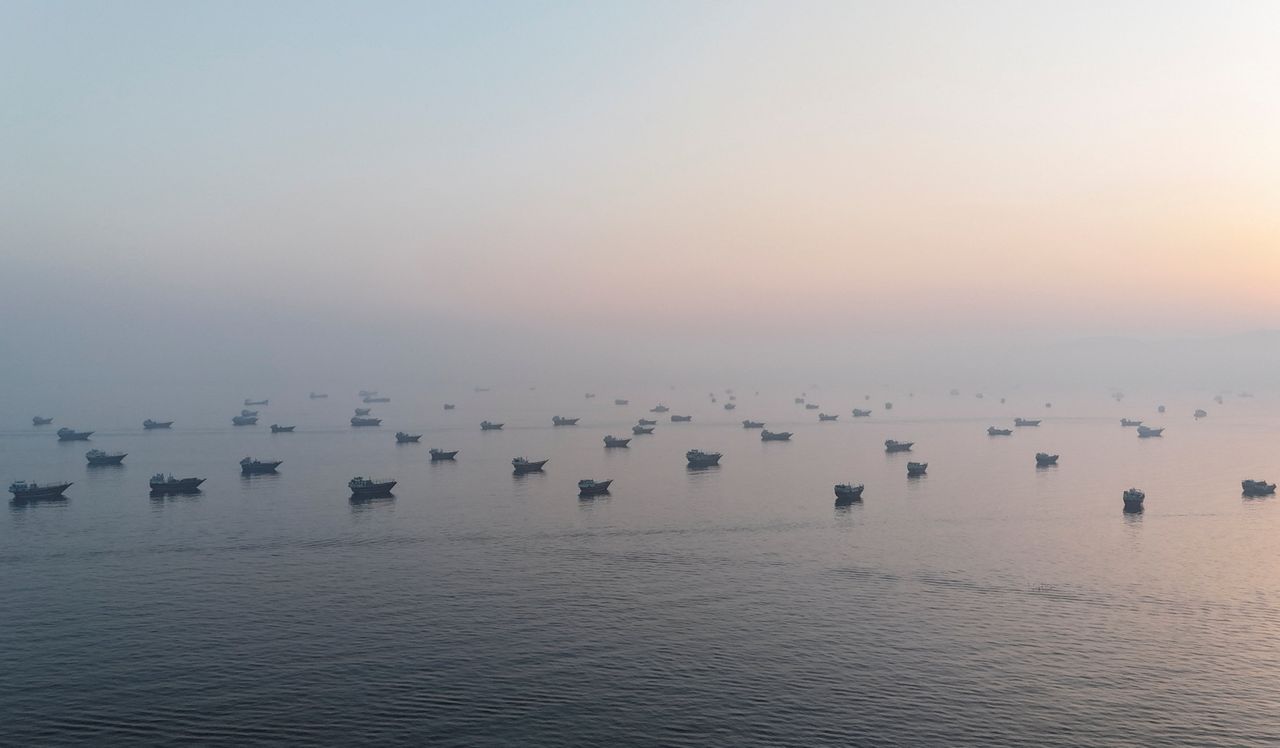
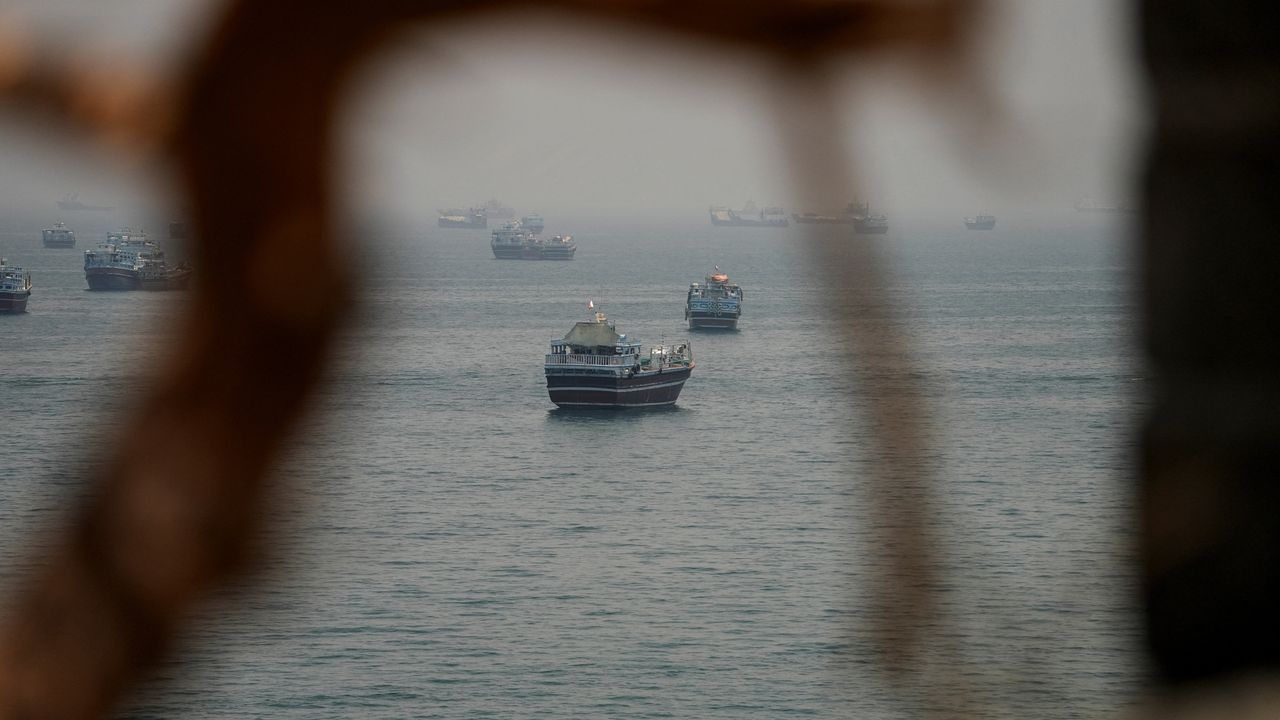
For starters, recent US strikes in the Strait of Hormuz during enforcement operations related to the naval blockade on Iran resulted in the deaths of three Indian sailors on commercial tankers. India protested strongly, summoning US diplomats and demanding accountability and safer conditions for seafarers. The US has not apologised and has emphasised compliance with its operations.
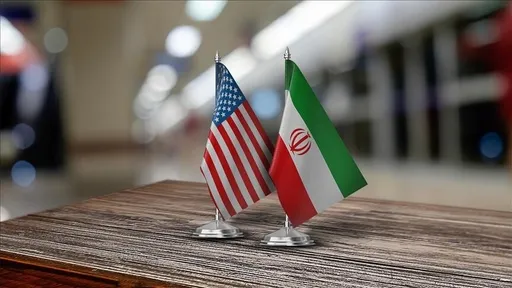
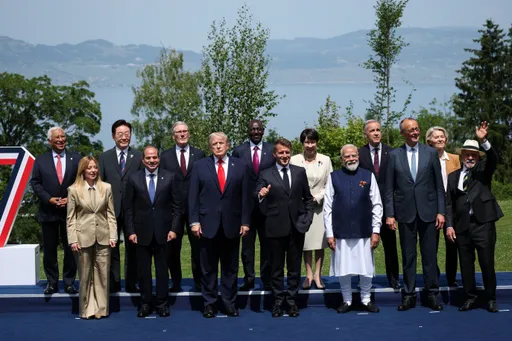
The name change followed the US-Iran peace deal and occurred just after a brief sideline interaction between Indian Prime Minister Narendra Modi and US President Donald Trump at the G7+ summit in France, with Defense Secretary Pete Hegseth publicising the name change immediately before another likely Modi-Trump bilateral on Wednesday.
How are people reacting?
For Indian observers, the obvious question becomes: why remove "Indo" now, when India is supposed to be one of Washington's most important strategic partners?
The responses to the renaming have been a mix of pragmatic acceptance, symbolic disappointment, calls for strategic self-reliance, and sharp criticism on social media.
Indian politician and writer Shashi Tharoor wondered, in a post on X, whether this was another “nail in the coffin of the Quad”.
Some see it as downgrading India's strategic weight post-Hormuz incidents and amid US focus elsewhere, while others made calls for India to strengthen Andaman and Nicobar islands’ infrastructure and independent maritime capabilities.
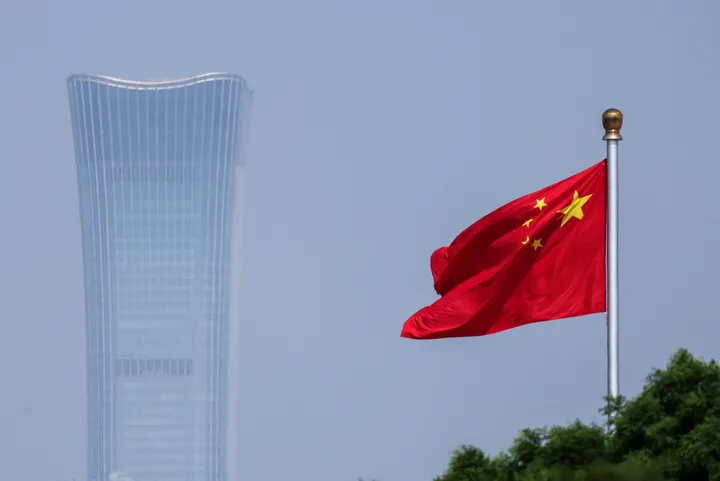
Defence analyst Derek Grossman said the name change "strongly suggests a less hawky approach toward China in favour of greater engagement".
The name change appears to be largely symbolic. The command’s geographic area of responsibility, its core mission, and US military forces and basing arrangements remain unchanged, and ongoing defence partnerships with India — including joint exercises and Quad activities — continue uninterrupted.
However, it risks feeding narratives of US retrenchment in the Indian Ocean, especially after Hormuz friction and the Iran deal.
The Quad and bilateral defence cooperation in logistics, technology and exercises go far beyond a single acronym, but optics still matter for domestic audiences in India.
The upcoming Modi-Trump talks on trade, AI, energy, and security will be key to managing the fallout.