 Huseyin Nurlu
There is something quietly absurd about the way NATO has come to measure the worth of its members.
The GDP defence spending target — blunt, arithmetic, political — has become the alliance's default yardstick.
Miss it, and you're a free-rider. Hit it, and you're a team player. The metric is clean, the politics are simple, and the picture it produces is almost entirely wrong.
Consider Türkiye. By the conventional scorecard, Türkiye is often cast as a complicated ally — too unpredictable, too transactional, too willing to maintain relationships that make Brussels uncomfortable.
That verdict, however, reflects an alliance framework designed for a different era — one in which security was something large countries produced and smaller ones consumed, in which the map of threats was relatively legible, and in which "burden-sharing" meant paying your share of a collective insurance premium.
That world has dissolved. And in the world replacing it, Türkiye looks less like a difficult ally and more like one of NATO's most consequential strategic assets.
The distinction that changes everything
There is a useful, underused distinction between consuming security and producing it.
Most states do the former: they shelter under alliances, benefit from collective deterrence, and contribute money or troops to the common pool.
A smaller number of states do something more generative — they develop indigenous military capabilities, project power into regions that would otherwise be contested, train partner forces, and stabilise environments that would otherwise produce cascading crises.
Türkiye has, somewhat quietly, moved into this second category.
Its domestic defence industry now supplies advanced drone systems that have reshaped battlefield doctrine from the Second Karabakh War to Libya to Ukraine.
Its military has accumulated genuine operational experience across multiple theatres — Syria, the Black Sea, the Eastern Mediterranean — that few NATO allies can match.
And beyond its own forces, Türkiye has established training and capacity-building programmes across Africa, the Balkans, the Caucasus, and Central Asia, enabling partner states to provide for their own security rather than simply importing it.
This is not a peripheral activity. It is, by any serious definition, the production of security as a strategic public good.
What the map actually shows
Look at where Türkiye is operating, and a picture comes into focus.
In Syria, it has conducted sustained counterterrorism operations while simultaneously engaging in post-conflict stabilisation — managing one of the most complex humanitarian and security situations on NATO's periphery.
In the South Caucasus, it played an active role in shaping the outcome of Azerbaijan's liberation of its occupied territories and has since pursued security cooperation across a region that sits at the intersection of Russian, Iranian, and Western interests.
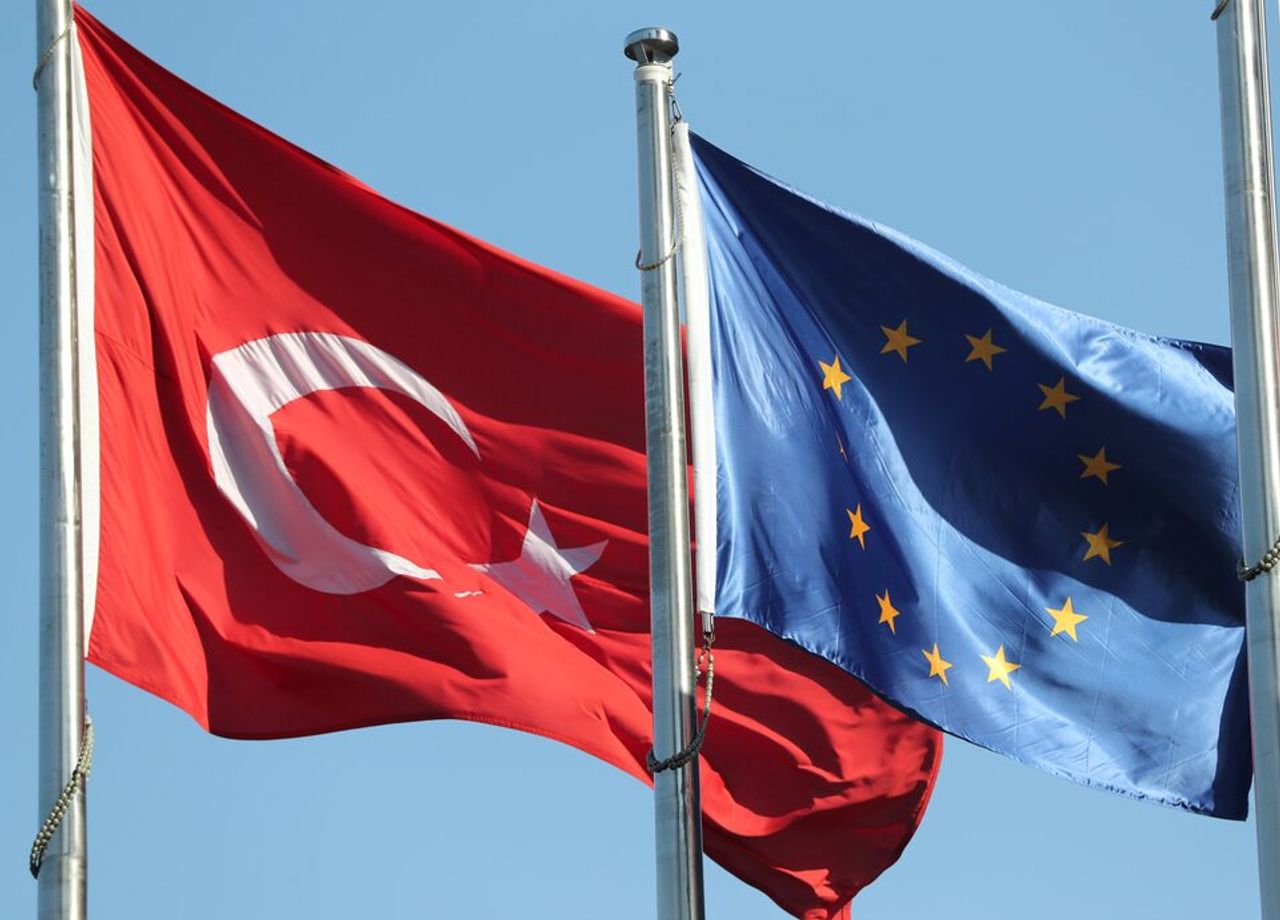
In the Black Sea, it controls the straits under the Montreux Convention, a power it has wielded with considerable strategic effect since the Russia-Ukraine war began.
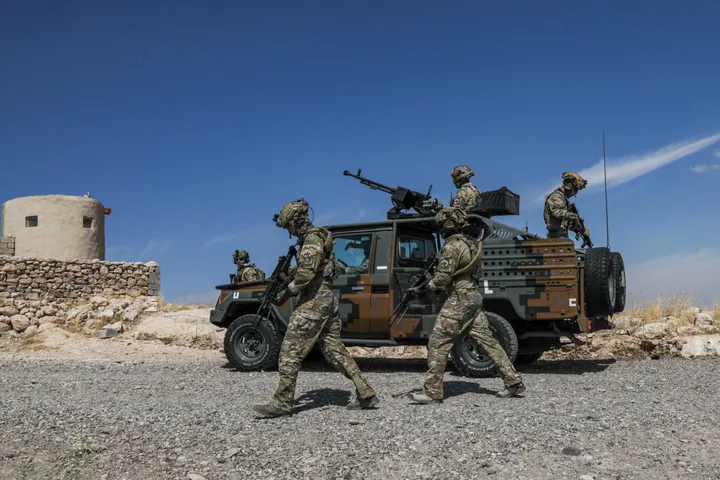
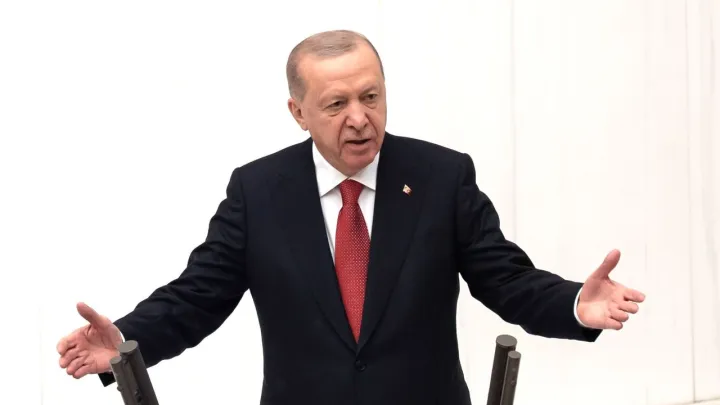

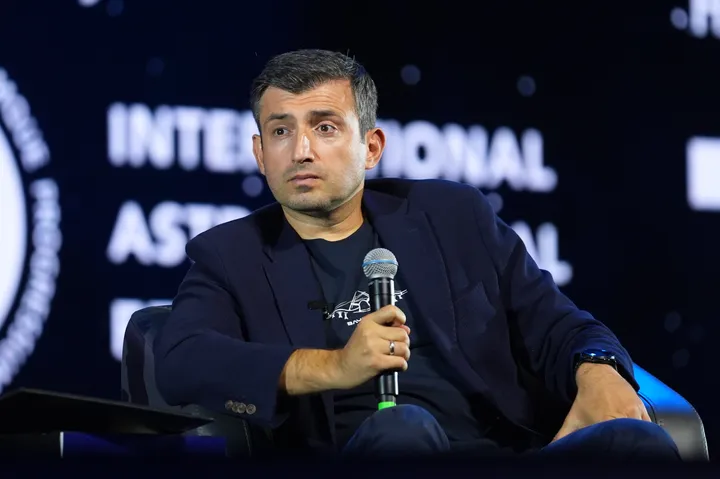
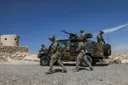


In Africa, its military partnerships span a dozen countries — and what distinguishes them from Western or Chinese engagement is precisely what rarely gets noted: Türkiye asks for nothing in return.
No base rights, no political alignment, no votes at the UN. In an era when every major power's partnerships come with a bill attached, that approach has proven quietly revolutionary.
The question for NATO is not how to make Türkiye more pliable, but how to build an alliance framework sophisticated enough to properly capture what Ankara actually contributes — and what it would cost to lose it.
A summit that could reframe the conversation
The Ankara Summit arrives at a moment when NATO is already being forced to think harder about its own architecture.
American retrenchment, however partial or temporary, has accelerated a European conversation about strategic autonomy.
The war in Ukraine has demonstrated that deterrence requires not just spending but industrial capacity, operational readiness, and the ability to sustain partners across long timelines.
In this context, the alliance needs a better accounting of strategic value. It needs metrics that capture not just what a country spends, but what it produces: indigenous capability, operational experience, the ability to train and enable partners.
Türkiye: security producer, security provider, security stabiliser.
The real question is what NATO would look like without an ally capable of projecting stability simultaneously across the Black Sea, the Middle East, the Caucasus, and Africa.
The answer is an alliance with a significantly larger exposure to instability and significantly fewer tools to manage it.
The real burden-sharing question
The burden-sharing debate has always contained a concealed assumption: that the primary strategic good NATO produces is deterrence of a conventional military threat to allied territory.
If that is all NATO is for, then GDP percentages and troop contributions are a reasonable approximation of what each ally brings.
But deterrence of conventional attack is no longer all that the alliance does or needs to do.
It operates in an environment of grey-zone pressure, state fragility, proxy conflict, and competition for influence across regions that sit outside the formal NATO area but directly affect its security.
In that environment, an ally's value cannot be measured solely by its contribution to collective defence.
It must be measured by its ability to shape the security environment in regions that matter — to produce stability rather than simply defend against its absence.
By that measure, the Ankara Summit is an opportunity to ask a more consequential question than whether member states are hitting their spending targets.
It is an opportunity to ask which allies are actually capable of producing security — and whether the alliance's frameworks are sophisticated enough to recognise and leverage that capacity.
Türkiye has an answer. The question is whether NATO is ready to hear it.