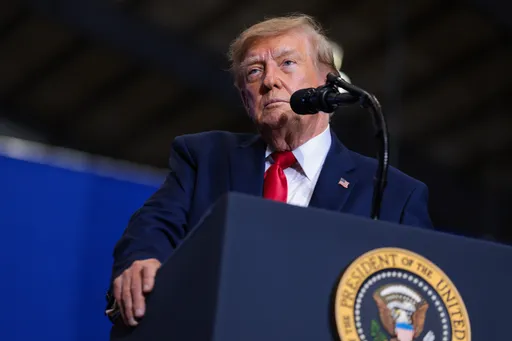
The European Commission said on Thursday that a proposal to make Canada an “associate member” of the European Union is intended to strengthen ties with Ottawa, not challenge the United States, after President Donald Trump threatened possible trade retaliation.
“As our president made clear yesterday, the proposed strengthening of our partnership with Canada is not against anyone else, but for our common strength,” EU trade spokesperson Olof Gill told reporters.
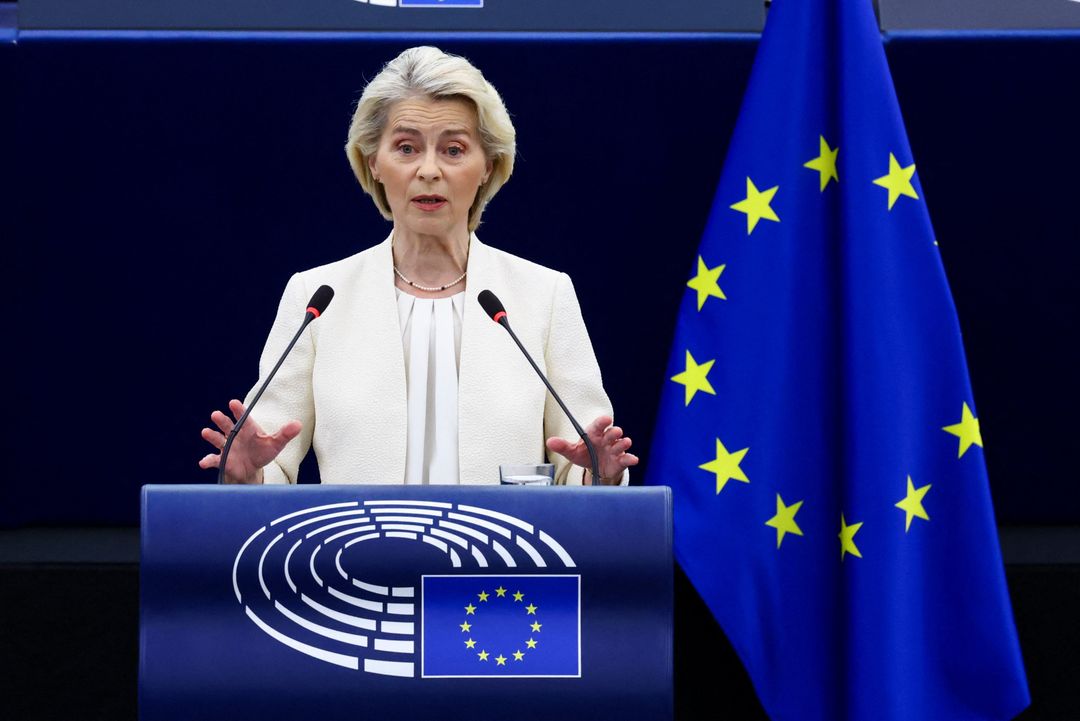
EU Commission President Ursula von der Leyen floated the unprecedented idea during a speech to the European Parliament in Strasbourg, with Canadian Prime Minister Mark Carney attending.
“I would like to work with you on opening the door for Canada to be the first associate member of the EU,” von der Leyen told Carney, prompting a standing ovation from lawmakers.
Trump warns of tariffs over EU-Canada plan
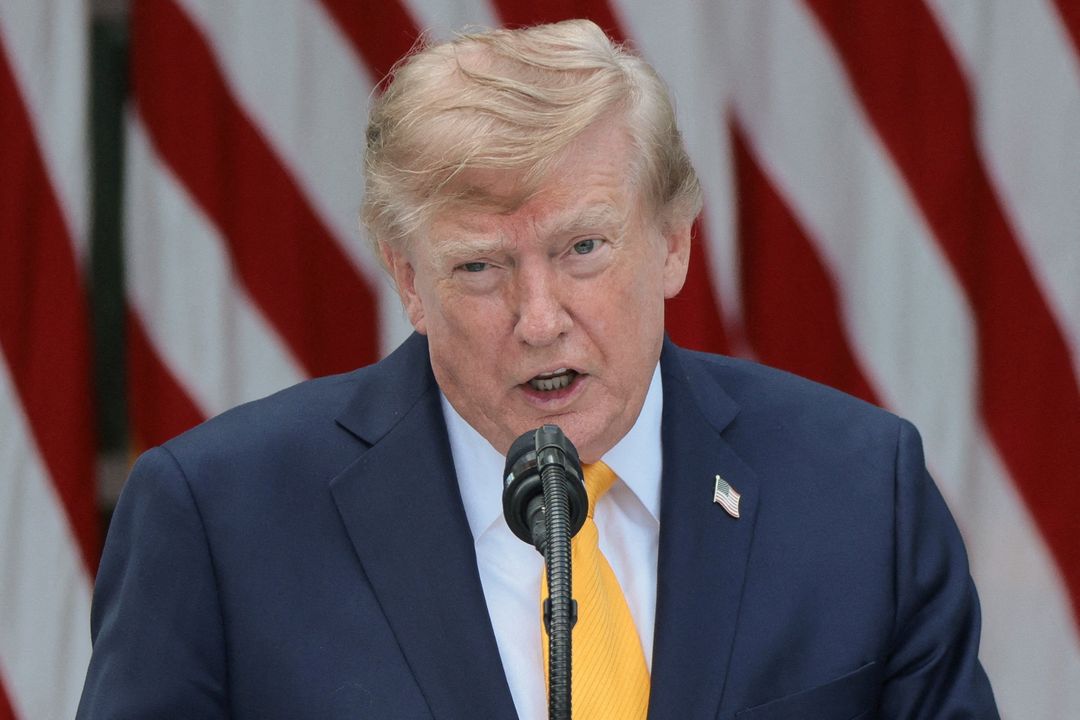
Trump dismissed the proposal as “laughable” and warned that Washington could impose “very serious tariffs” or even stop trading with Europe if he viewed the move as hostile.
“If they do that, if I think it’s at all a hostile act, I will put very serious tariffs or stop trading with Europe,” Trump told reporters.
He added that the US could impose “very heavy tariffs” if the initiative was deemed to have bad intentions.
The proposal comes as Canada seeks closer relations with Europe while its trade relationship with Washington faces growing tensions.
Carney is scheduled to address European lawmakers and is expected to use his visit to strengthen ties ahead of an EU-Canada summit in Montreal next month.








Brussels and Ottawa explore wider cooperation
Von der Leyen proposed cooperation with Canada in strategic areas including critical minerals, artificial intelligence, advanced manufacturing and defence.
“We will work on intelligent manufacturing. We will create a tech alliance. We will integrate defence industrial bases. We will make the Arctic a flagship joint project,” she said.
The proposed “associate member” status has no established framework under current EU treaties, leaving its practical meaning unclear. A similar idea for Ukraine was floated earlier this year by German Chancellor Friedrich Merz.
EU member states would have to approve any new form of partnership with Canada, and it remains unclear how much support the proposal will receive from national governments.
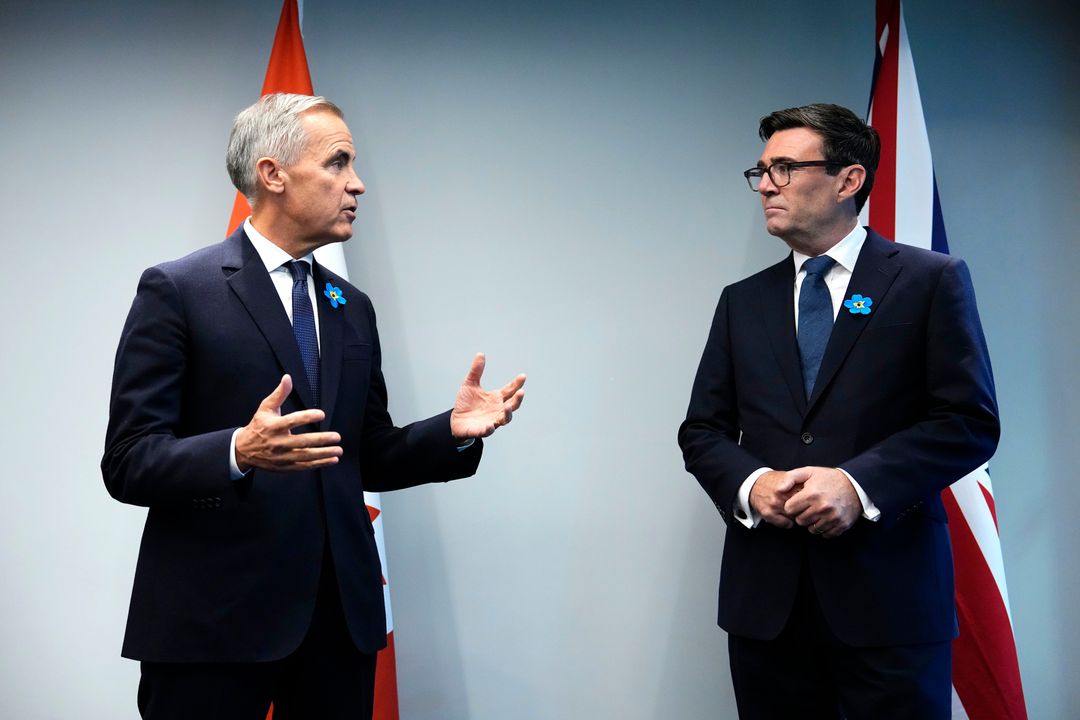
French Foreign Minister Jean-Noel Barrot said Paris supported closer ties with Canada but that the proposal would need to be debated and examined before France takes a final position.
The EU and Canada already have close economic and strategic links. Their CETA free-trade agreement has eliminated almost all tariffs, while trade in goods and services has increased by more than 80 percent since 2016.
Canada also became the first non-EU country this year to join a flagship European defence loan programme, further deepening cooperation between Ottawa and Brussels.