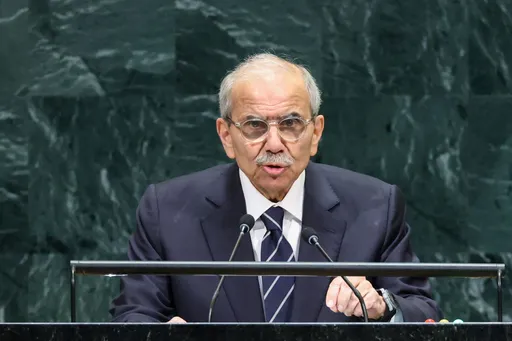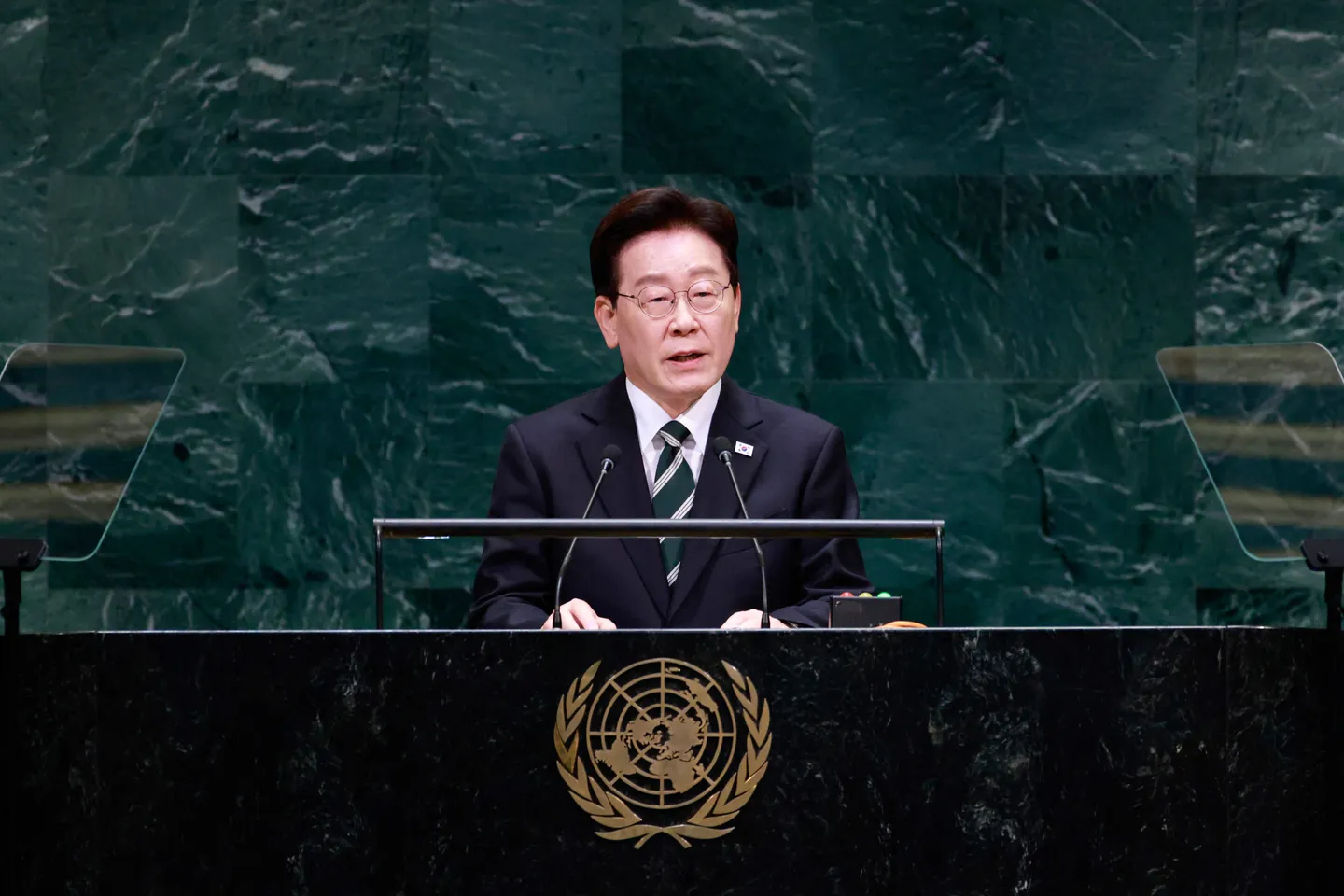
South Korean President Lee Jae-myung has extended an offer of peace and cooperation to North Korea, calling for renewed dialogue and peaceful coexistence in an address to the 81st session of the UN General Assembly in New York.
Lee outlined on Tuesday the "three blueprints" for peaceful coexistence on the Korean Peninsula: mutual respect and recognition of differences; stable, peaceful coexistence that renders conflict unnecessary through crisis-management mechanisms; and responsible coexistence that promotes peace and stability on the peninsula, across Northeast Asia and globally.
"We will continue to respect the North on the international stage and seek cooperation wherever possible," he said, citing areas such as public health, disaster response and the climate crisis.
Lee expressed hope that long-suspended dialogue between North Korea and the US could resume without delay, saying: "We will lay the groundwork for this to develop into a dialogue among the parties aimed at ending the war on the Korean Peninsula and transitioning to a peace regime."
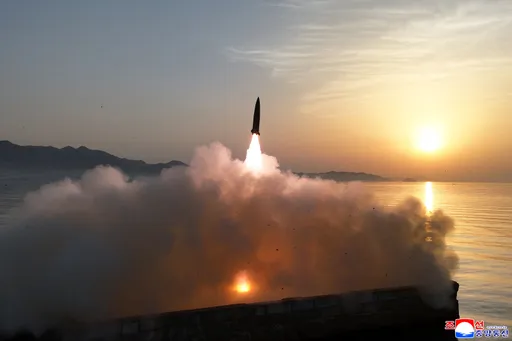
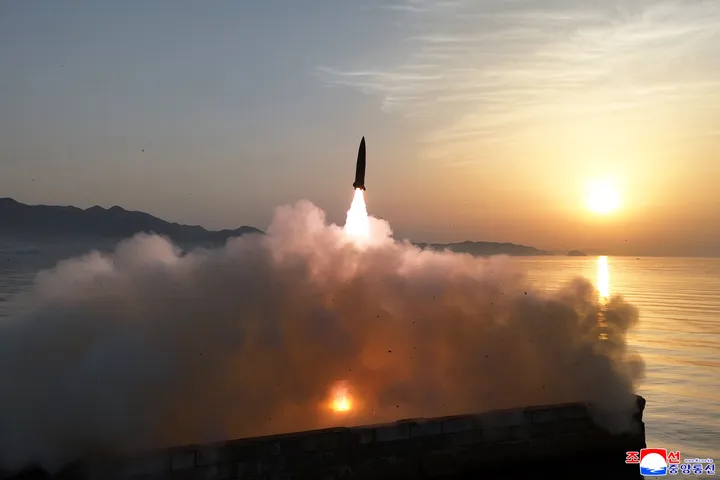
He said the process would begin by halting further advances in North Korea's nuclear and missile capabilities, followed by reductions in the medium term and, ultimately, a nuclear-free Korean Peninsula.
"The true performance of UN does not lie solely in the figures and charts of reports, or in the declarations made in conference rooms. The raison d'etre of UN will be proven only when children's laughter replaces gunfire, when young people can enjoy the opportunity to learn, work, and take on new challenges, and when anyone, anywhere, can choose to live the life they want," Lee said.
He also called for greater youth participation in international decision-making by expanding opportunities for their involvement and engagement.
Strait of Hormuz, Red Sea
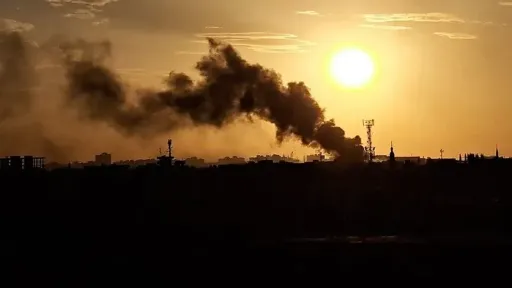
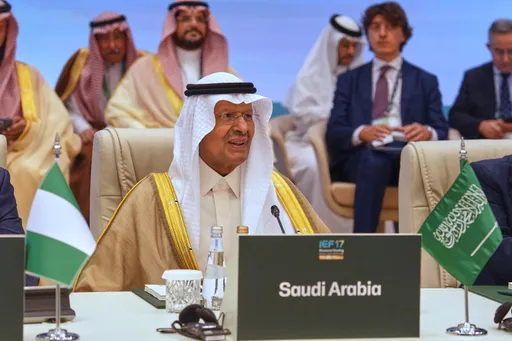
On global energy supply chains, he cited blockades in the Strait of Hormuz and the Red Sea, warning that weaponising key energy and logistics routes could have severe repercussions for people worldwide.
Lee said freedom of navigation and safe passage are rights under international law and that attacks on merchant vessels and threats to crew safety "cannot be justified under any circumstances."
He said Seoul would strengthen cooperation on energy supply chains, including through existing frameworks such as the International Energy Agency, to prevent supply disruptions from escalating into a broader threat to the global economy and livelihoods.
"The most urgent and realistic path is for countries with the capacity and willingness to supply global public goods to join hands and broaden the scope of cooperation," he said.
Lee also expressed support for reforming the UN Security Council so that it "operates in a more effective, democratic, and accountable manner."