Pakistan is continuing diplomatic efforts to bring the United States and Iran back to the negotiating table and end the widening Middle East conflict, Foreign Minister Ishaq Dar has said, reaffirming Islamabad's commitment to mediating a peaceful resolution.
"We have not given up our efforts. We are very hopeful for peaceful resolution of conflict between the US and Iran," Dar told a press conference following the conclusion of the Economic Cooperation Organisation (ECO) Council of Ministers summit in the capital.
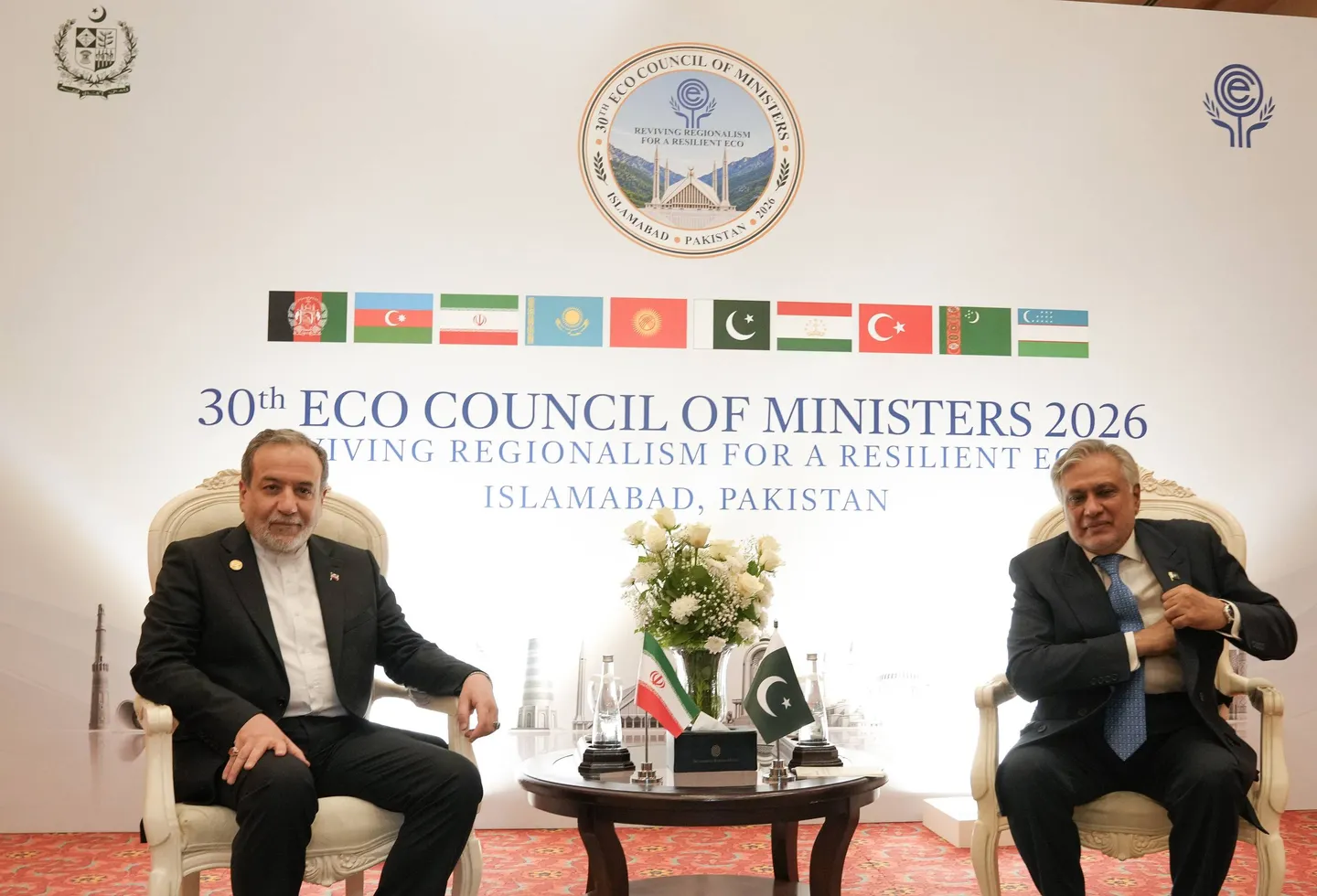
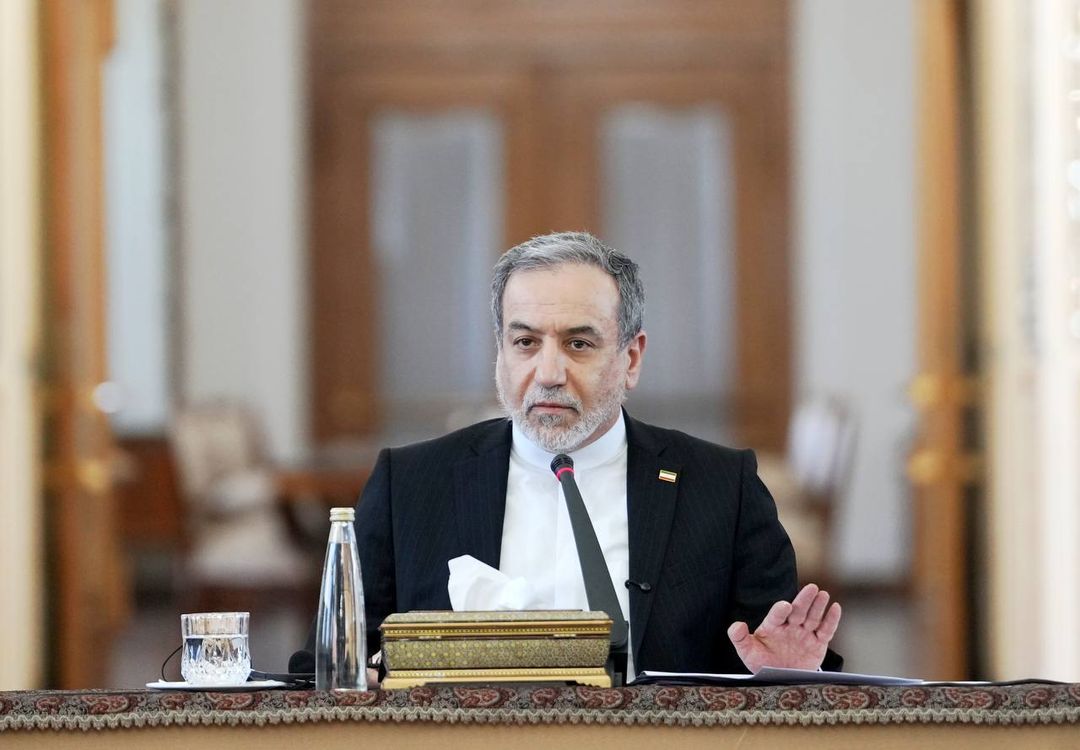
Dar said he reviewed comprehensive regional developments during a "very productive meeting" with Iranian Foreign Minister Abbas Araghchi on the sidelines of the regional summit.
Dar reiterated that the framework agreement reached in June, designated as the Islamabad Memorandum of Understanding, represents the "only" viable path forward to resolve the lingering hostilities.
Earlier, the two foreign ministers conducted formal bilateral talks to evaluate mutual relations and regional security, according to a statement released by Pakistan's Ministry of Foreign Affairs.
Both delegations reaffirmed the "strong and brotherly" ties linking Islamabad and Tehran, committing to deepen cooperation through consistent senior-level diplomacy.
Bilateral alignment



Araghchi congratulated Pakistan on hosting the ECO summit, commending its organisational arrangements and constructive deliberations.
Both sides pledged to advance regional economic connectivity and trade integration.
During their exchange, Dar stressed that dialogue and diplomacy remain the sole mechanisms to address outstanding disputes, de-escalate hostilities, and establish durable regional stability.
Both ministers agreed to maintain regular, close consultations.
Pakistan has served as the primary intermediary between Washington and Tehran throughout the conflict that erupted on February 28, maintaining active communication channels with both capitals.
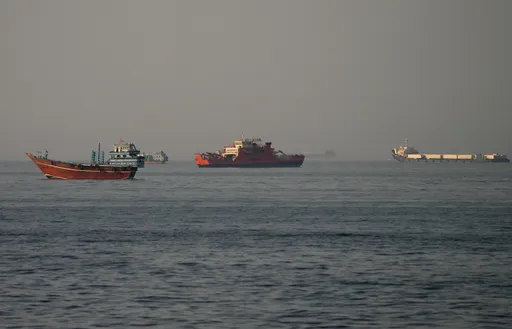
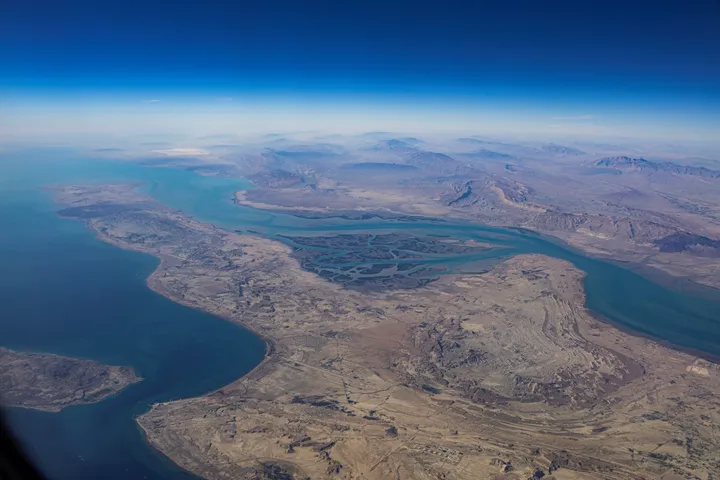
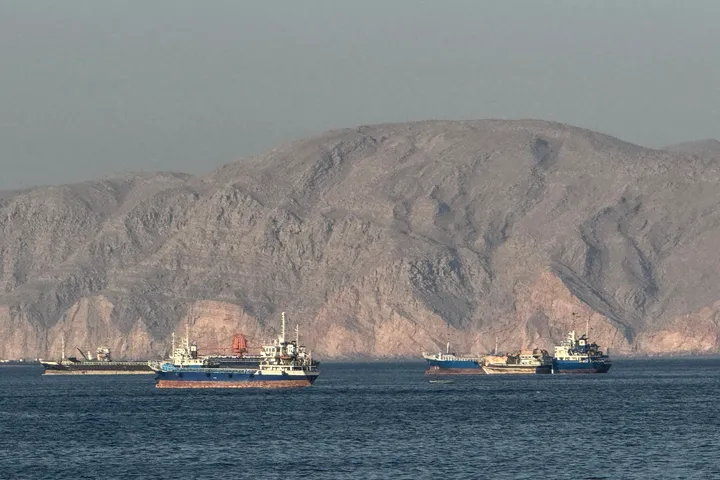
Although the US and Iran signed the framework agreement in June and initiated formal discussions toward a comprehensive settlement, the process subsequently stalled over intractable disagreements regarding security guarantees and freedom of navigation through the Strait of Hormuz.
The ensuing diplomatic impasse has triggered renewed military escalation across the broader region, intensifying pressure on Islamabad to bridge the divide.