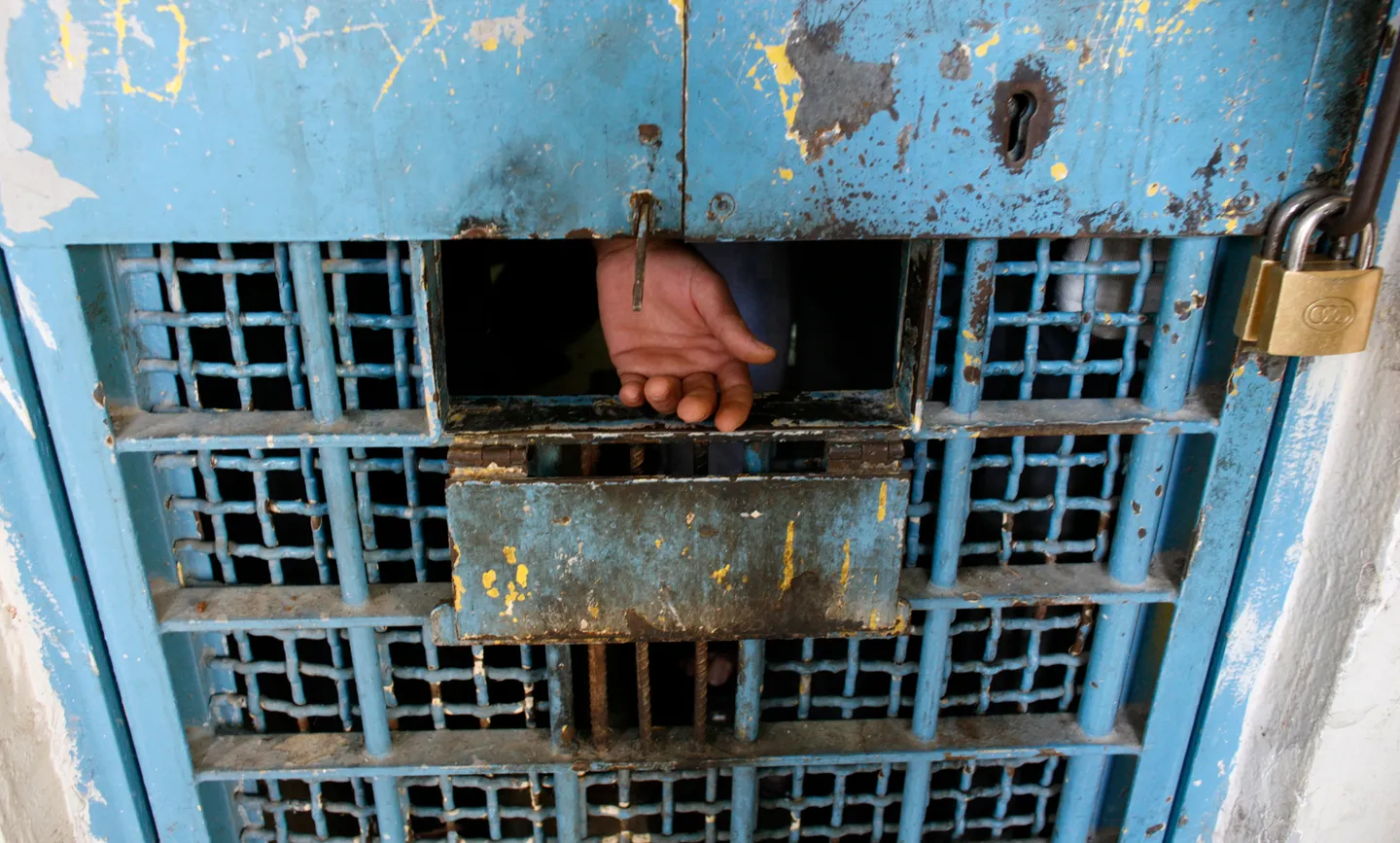
The health of several Palestinian women detainees in Israeli custody has deteriorated amid intensified raids, searches and punitive measures, the Commission of Detainees and Ex-Detainees Affairs said on Monday.
The Palestinian prisoners’ body said testimonies from women prisoners documented overcrowding, shortages of basic necessities, poor food and inadequate medical care in prisons and interrogation centres.
It said the conditions were taking an increasing physical and psychological toll on detainees.
Among them is Abeer Odeh from Tulkarem in the occupied West Bank, who suffers from asthma as well as problems affecting her oesophagus and back, according to the commission.
Odeh, who underwent surgery before her detention, said she was receiving only stomach medication despite needing further treatment.
She said prison authorities raided rooms holding women detainees at Damon Prison on August 17 and carried out another crackdown the following day, forcing prisoners out and confiscating clothes and personal belongings.
Detainees report medical concerns
The commission said Yasmine Shaaban from Jenin also requires treatment for a uterine condition.
Shaaban previously spent around nine years in Israeli prisons before being detained again in May 2025. She has since been issued five administrative detention orders, according to the commission.






It also reported that Nadine al-Daghamin from as-Samu, south of Hebron, suffers from a severe skin rash and allergies, while Shahd Adi from Beit Ummar has contracted scabies.
The commission said Israeli National Security Minister Itamar Ben-Gvir entered Damon Prison on August 19, where he threatened Palestinian prisoners and spoke about measures imposed on them.
It also raised concerns over the health of 54-year-old Palestinian physician Dima Mohammed Amin, who was detained on August 18.
Amin experienced symptoms of a heart attack and underwent cardiac catheterisation, while also suffering from low blood sugar, unstable blood pressure, high cholesterol and dizziness, the commission said.
After a lawyer visited her at the Russian Compound interrogation centre, Amin described shortages of food and clothing, repeated searches, shouting and psychological pressure.
She also said women detainees were forcibly dragged from their cells and made to stand in a corner without being allowed to move.
The commission warned that Amin’s detention conditions posed further risks to her health and said she required continuous medical care.
Around 92 Palestinian women are currently held in Israeli prisons and detention centres, according to the commission.
Palestinian figures put the total number of Palestinians in Israeli prisons at around 9,400 as of early July, including more than 350 children, 3,244 administrative detainees and 1,320 people Israel classifies as “unlawful combatants”.