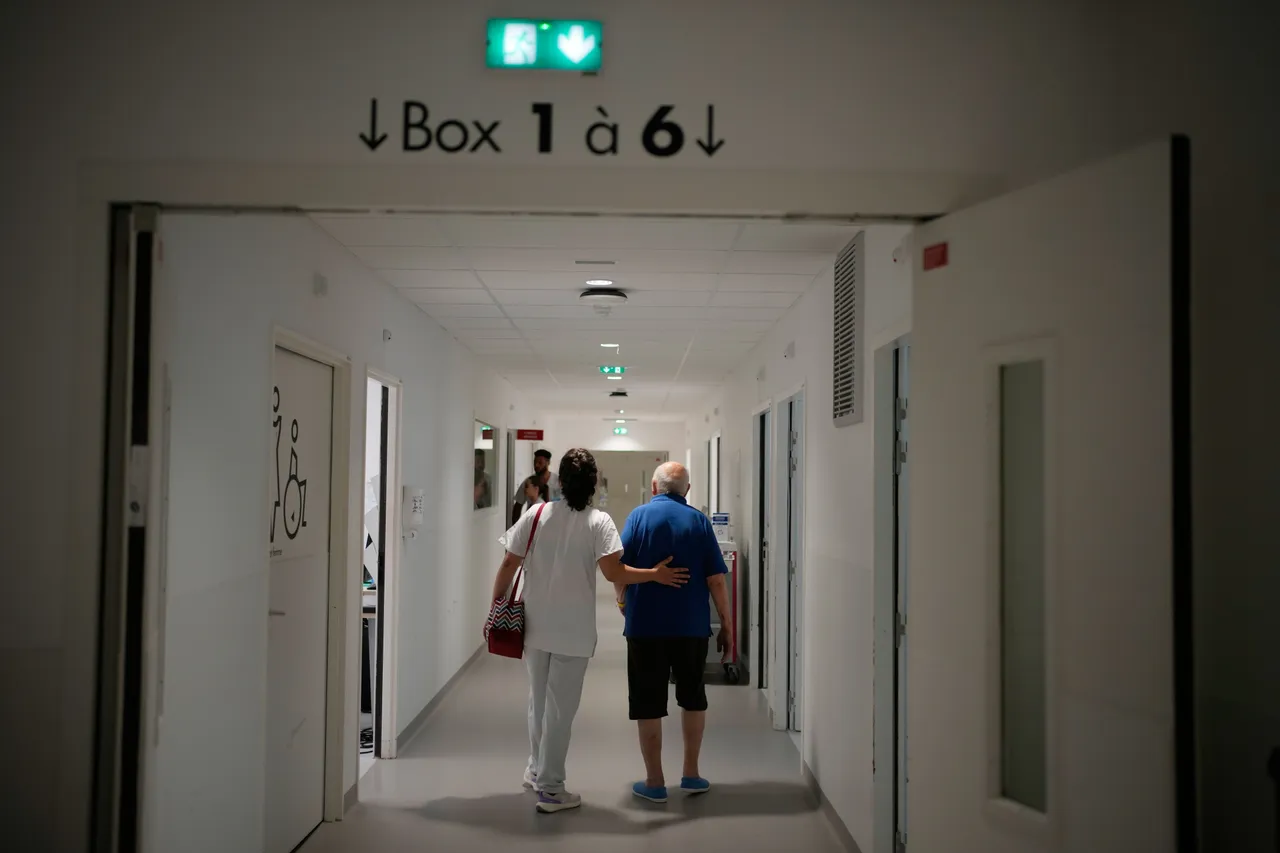
At a hospital south of Paris, emergency staff scrambling to treat patients during last week's record heat wave found themselves searching for ice, an unlikely necessity.
Without an ice-making machine, Paris-Saclay Hospital relied on a nearby fast-food restaurant and supermarket-bought supplies to fill cold-water baths used to rapidly lower patients' body temperatures.
The hospital has since ordered its own ice machine, one of several measures being introduced as French health facilities prepare for future heat emergencies.
“We thought we were ready. We were not actually,” hospital director Cédric Lussiez said, describing last week's heat wave as “horrible”.
Doctors and administrators say the recent crisis exposed gaps in hospitals' preparedness and underscored a new reality: heat waves are becoming a recurring challenge, much like winter flu outbreaks.
Heat becoming a seasonal health crisis
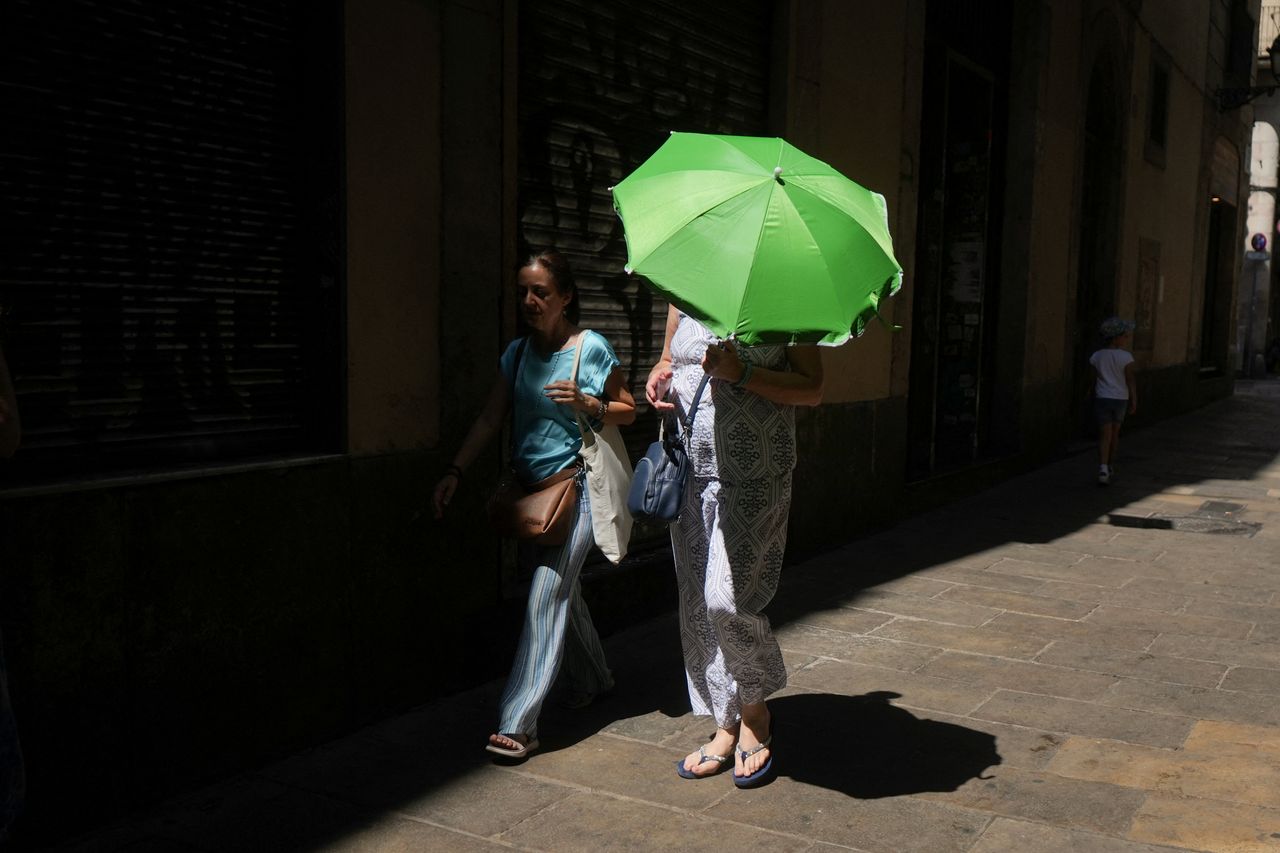
French authorities are accelerating efforts to strengthen hospitals against extreme temperatures after last week's heat wave swept across western Europe.
Prime Minister Sebastien Lecornu announced a 100 million euro ($114 million) programme to improve cooling systems in hospitals and other health facilities. The government is also purchasing 30,000 air-conditioning units, with initial deliveries expected within days.
The World Health Organization warned on Tuesday that the latest heatwave was “a dress rehearsal” for increasingly severe summers.
“Europe is warming at more than twice the global average. Heat waves are no longer one-off freak events,” the WHO said.
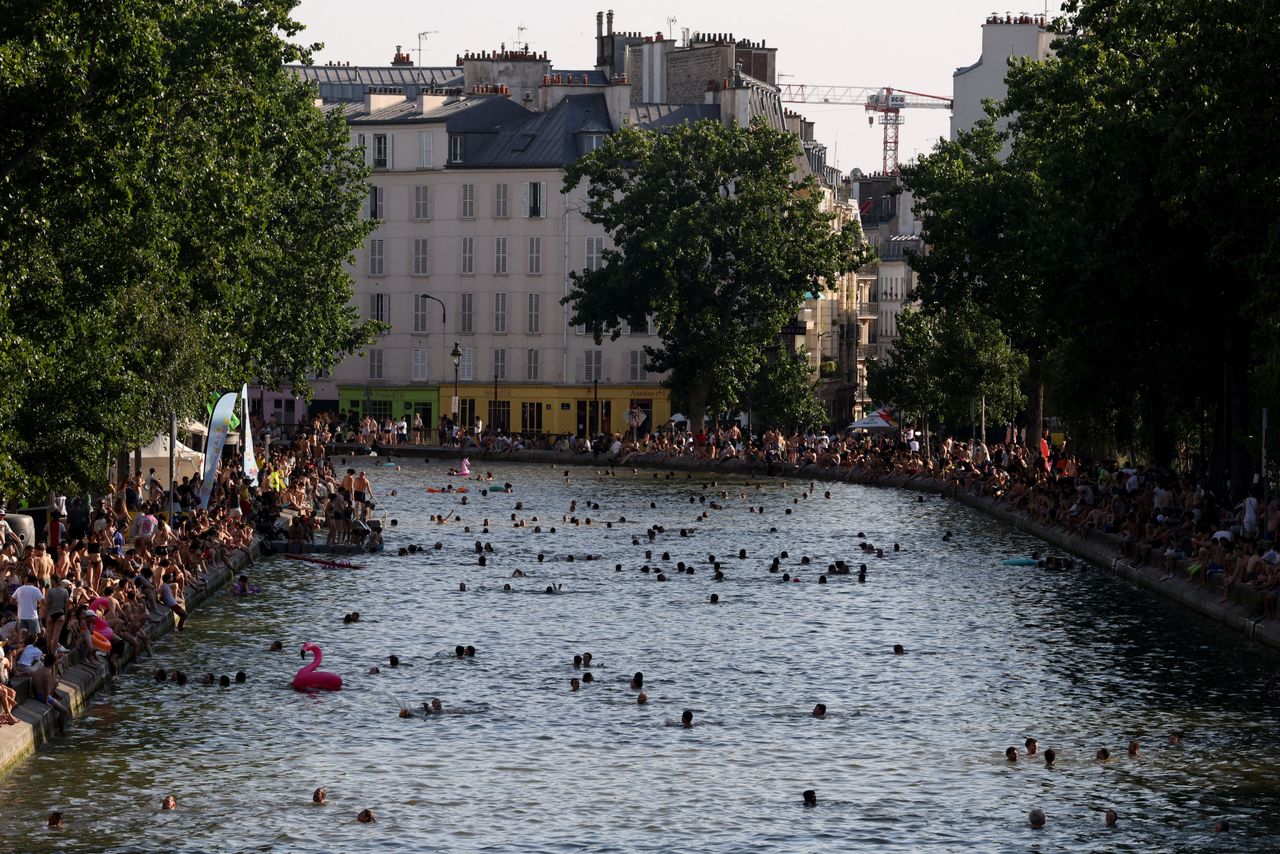
Surge in heat-related emergencies
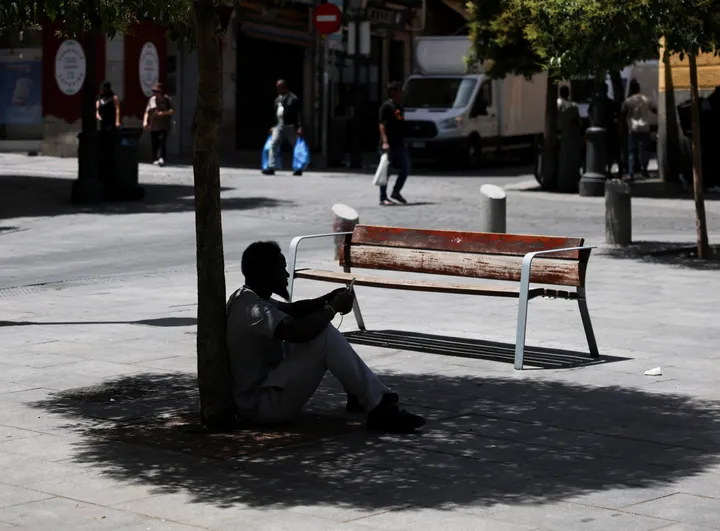






At Paris-Saclay Hospital, emergency physician Dr Nicolas Gonzales said heat-related cases surged from June 20 and continued for seven days.
“It was like a big mountain,” he said. “It was very intense.”
Doctors treated patients suffering from dehydration, kidney problems, heart attacks and other complications linked to extreme heat. Cases involved people of all ages, from children to elderly residents living alone.
Gonzales recalled treating a man in his 50s who arrived in a coma with a body temperature of around 40°C after collapsing suddenly at home.
“Heat is a physical assault on the body,” Gonzales said. “When the body can no longer adapt, the heart can stop beating.”
Hospitals upgrade defences
While the new Paris-Saclay facility is air-conditioned, older hospitals within the same network struggled during the heatwave.
Staff used electric fans and blocks of ice to prevent medicines from spoiling, while student nurses were brought in to help keep patients hydrated. Temperatures reached 33°C in the upper floor of one psychiatric unit.
Lussiez said urgent upgrades are now under way, including creating cooled rooms for patients and relocating elderly care services to newer buildings.
“We'll be in a better situation next week than we were last week,” he said.