 Kazim Alam
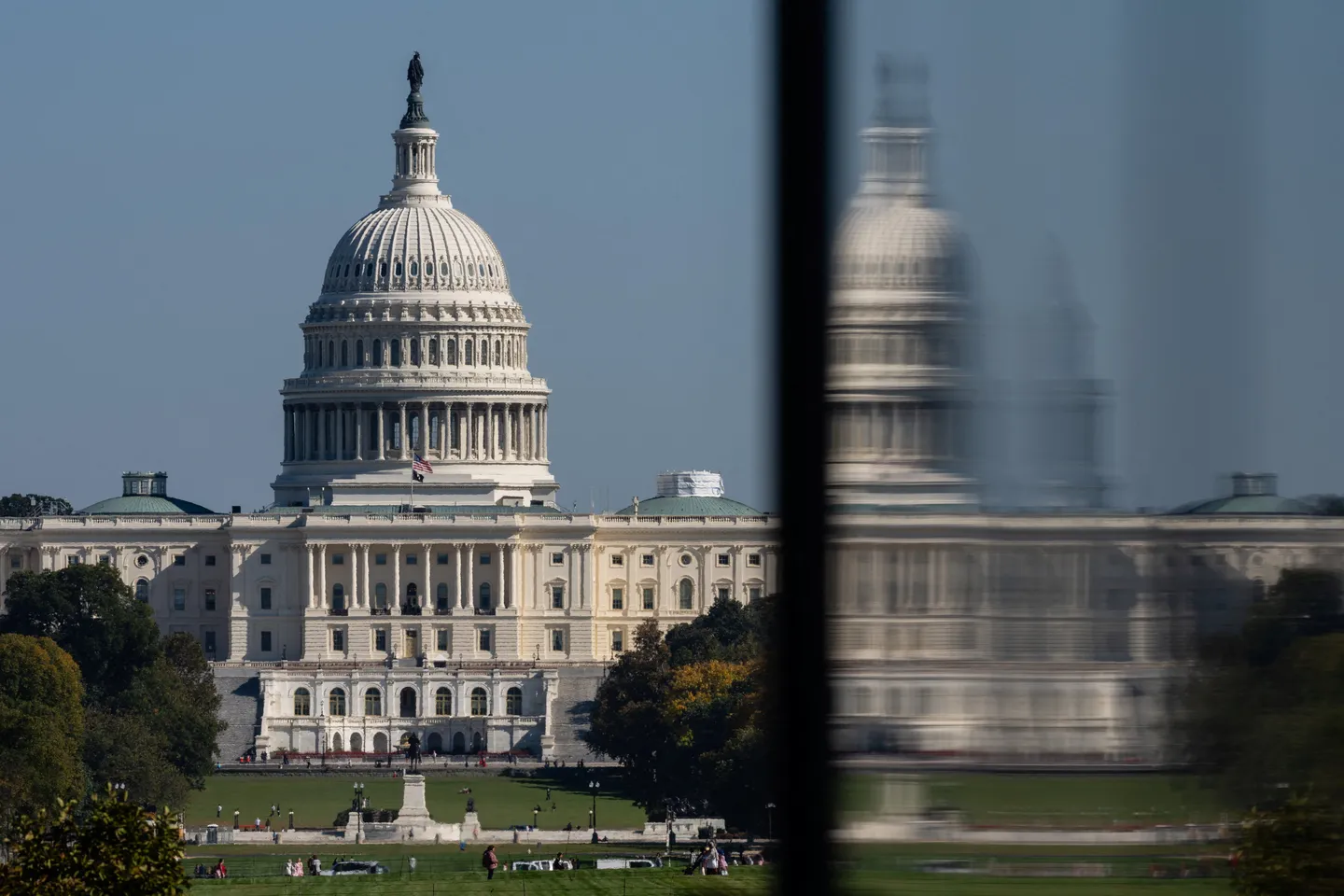
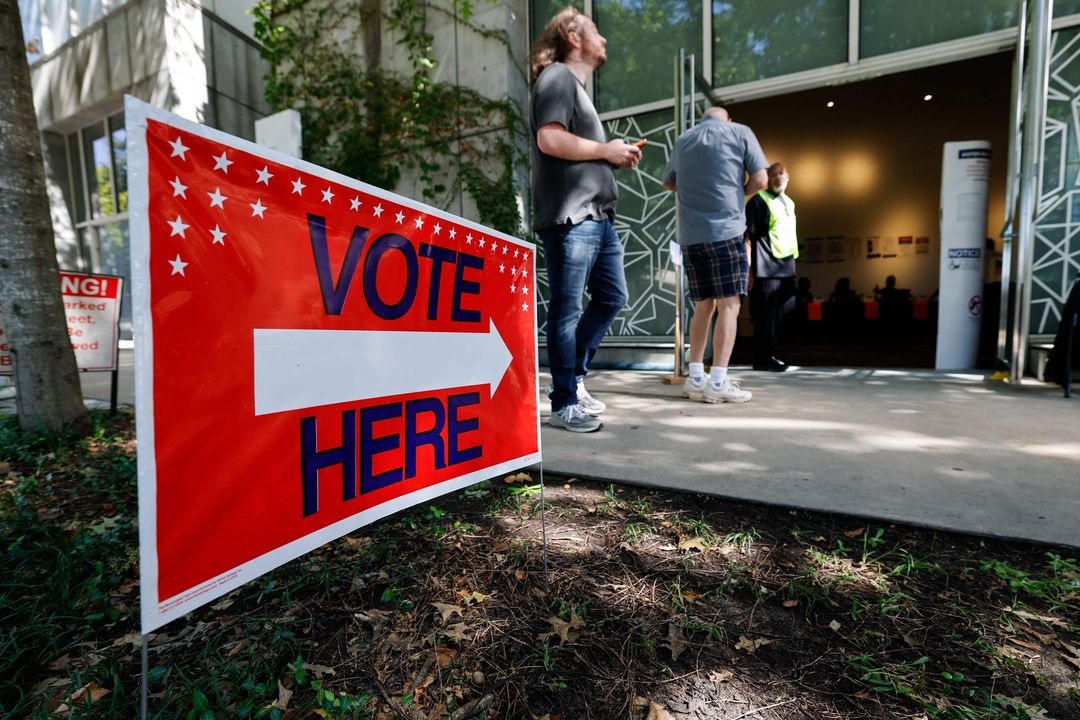
The US midterm elections have delivered a major setback to the Republican Party as Democrats snatched control of Congress for the remaining two years of President Donald Trump’s final term in office.
Analysts say the electoral shift is driven mainly by Washington’s eight-month-old war against Iran.
Other reasons for the “rebuke” of the Republican Party include higher petrol and diesel prices, a point Trump himself acknowledged in public comments after the midterm defeat.
But whether the new balance of power in Washington will lead to a swift end to the drawn-out the war on Iran remains uncertain.
The US president retains broad military authority as commander-in-chief, even after Republicans lost majorities in both chambers of Congress.
Russell E Lucas, a professor of international relations and global studies at Michigan State University, tells TRT World that Trump’s instinct for unpredictability can cut against an early exit from the Iran war.
“President Trump prides himself on seeming to be unpredictable,” Lucas says.
The US president may use the remaining weeks of Republican control in Congress to “possibly return to active military conflict” with Iran, he says.
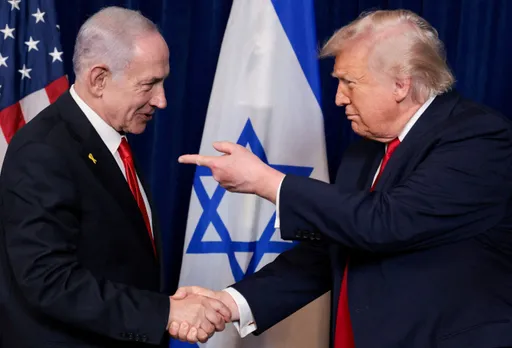
Such a move would also “serve the interests” of Benjamin Netanyahu, who remains in office pending the formation of a new government in Israel.
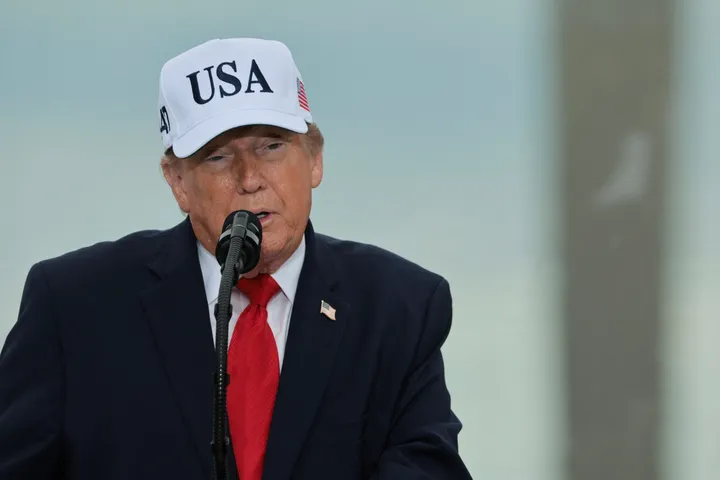
Speaking to the press after the midterm elections, Trump said he could still “destroy the rest” of Iran, and that people would know about his war plans “soon enough”.
According to Lucas, Trump might stage a “show of force” simply to declare victory and withdraw. However, he adds that it is unlikely that Iran will be militarily weakened.
“Any diplomatic deal Trump can get will be no better than the agreement from June that left Iran in a strong position,” he says.
There is the danger that Trump would use the time before January, when the Democratic majorities in the two chambers of Congress formally take effect, to escalate the war against Iran, Lucas says.
Experts see that pre-January window as particularly risky.
Mustafa Caner, an Iran specialist and assistant professor at Sakarya University’s Middle East Institute, tells TRT World that Iranian decision-makers are presenting the Democratic victory as their own.
The framing crosses factional lines, with both reformist and conservative outlets in Iran using similar language, he says.
Mohsen Rezaei, secretary of Iran’s Supreme National Security Council, and Parliament Speaker Mohammad Bagher Ghalibaf have attributed the US midterm results to Iran’s resilience and its upper hand in the war, he says.
“They frame it this way because they know the Iran war played a major role in the results and in how people voted. Every time American voters stop at a gas station, they’re reminded of what this war is costing them,” Caner says.
Tehran has grown more confident and assertive as a result, he says.
Yet, Caner cautions that it’s not over yet: Trump has two more years in office, and the Republican-controlled Congress has two more months.
“The time between now and when the new Congress takes over may be the most dangerous period,” he says.
David Schultz, a professor of political science at Hamline University and editor of Presidential Swing States, tells TRT World that although Congress has the power to declare war and fund national-security activities, Article II of the US Constitution makes the president commander-in-chief.
“The president retains considerable authority over foreign policy and military matters,” Schultz says.
Democrats can possibly invoke the War Powers Resolution, a federal law designed to check the president's power to commit the military to an armed conflict without the consent of Congress, and vote to require an end to operations, he says.
However, enforcing such a resolution can raise additional constitutional and political questions, he adds.
Trump is now a lame-duck president, meaning he is nearing the end of his term and not eligible for re-election. Schultz wonders whether Trump might conclude he has “nothing to lose” and simply continue the military adventure, unwilling to admit a mistake.
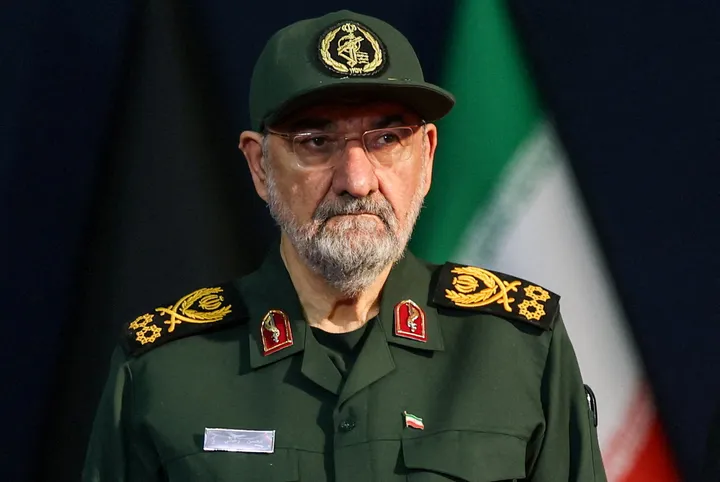


“It is possible that he will seek an off-ramp. However, I do not see much incentive for Iran to make that easy for him,” he says.
With Iran’s ability to threaten shipping through the Strait of Hormuz and disrupt international oil flows, Tehran retains considerable leverage over the president, he says.
“In some respects, Iran has Trump exactly where it wants him. He is being squeezed internationally by Iran, while simultaneously facing new domestic political constraints,” Schultz says.
What Democrats can do
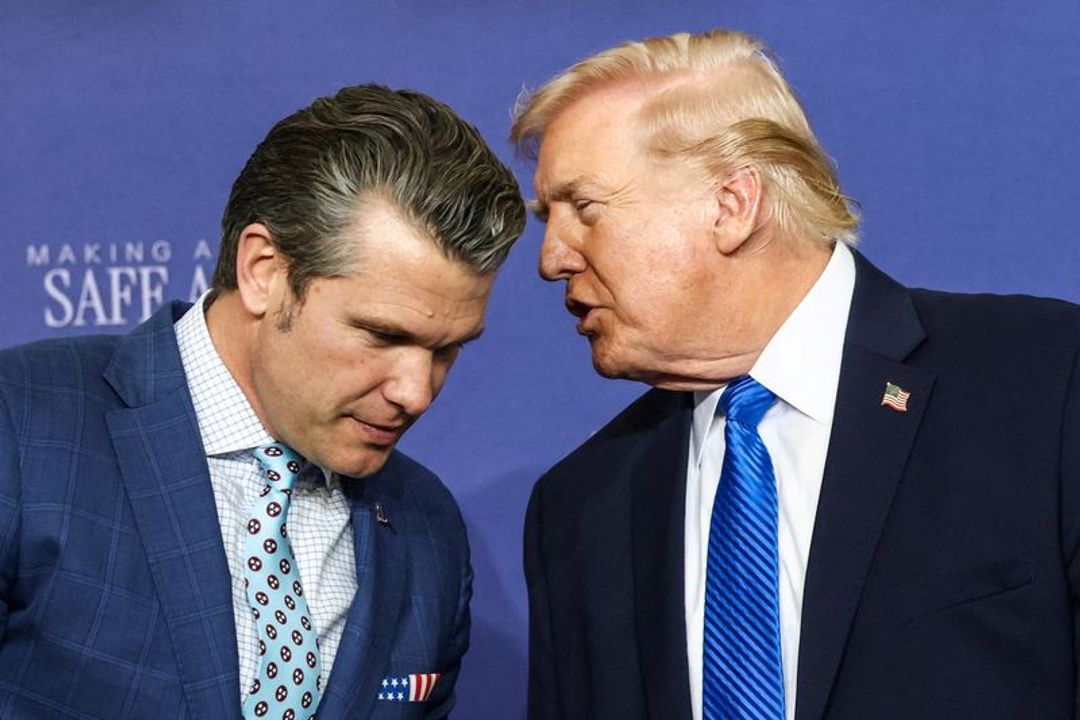
Lucas lists the practical tools Democrats will have once they assume majorities in the Senate and the House of Representatives in January.
“It would be quite likely that Congress would cut funds for military operations against Iran very soon after taking power,” he says, adding that the move would likely result in a government shutdown during the next budget debate.
Given the Iran war’s unpopularity, the US president would probably lose the public-relations battle, but “he may not care” about it, Lucas says.
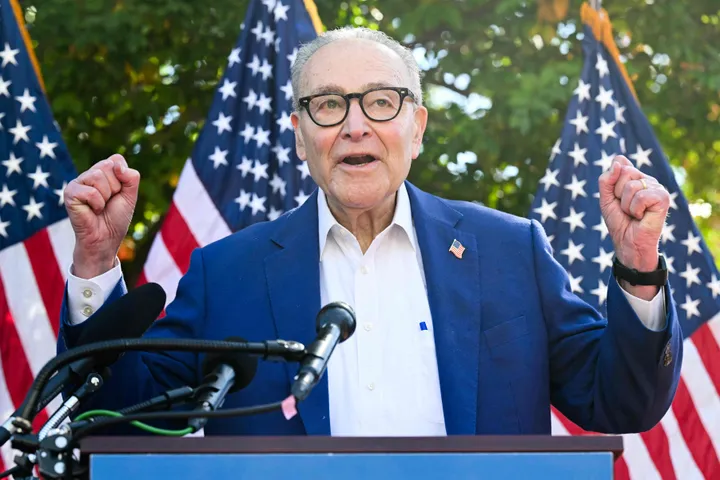
Senate Democratic leader Chuck Schumer has already signalled an intent to use his party’s newfound power to end the war on Iran.
According to Caner, Netanyahu is the “main obstacle” standing between war and peace in the Middle East. US Vice President JD Vance has also publicly linked relations with Israel to the Republican losses in the midterms.
Caner notes that Netanyahu is still pushing Trump to reignite the war against Iran even after the US midterm elections.
He expects Democratic lawmakers to raise the political cost of the Iran war going forward.
“They will push in the Senate and use Senate committees to open a public debate on the Iran war. That will raise the cost not only for Trump but also for Republicans,” he says, adding that he expects some Republicans to join Democratic efforts and make the Trump administration hit the brakes.
“Democrats in Congress may not be able to end the war, but they can certainly make it more painful for the Trump administration,” he says.
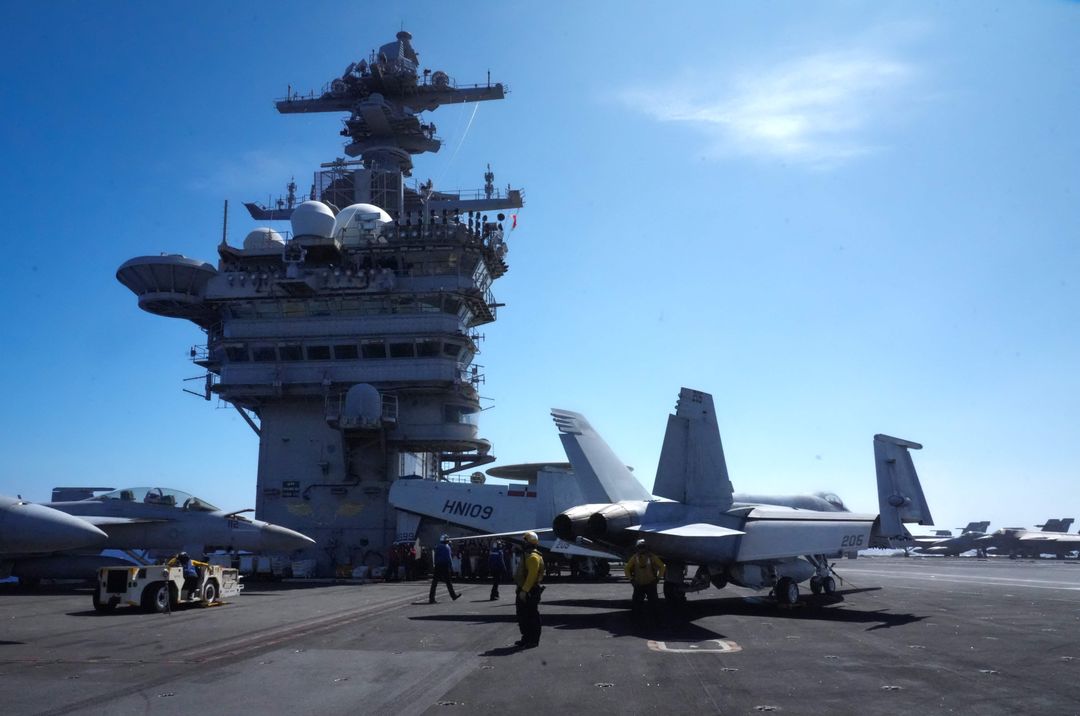
As for a possible negotiated off-ramp, Caner identifies sequencing as the reason for the longstanding deadlock: Iran has demanded the lifting of the blockade, sanctions, and frozen assets, while the US has sought Iranian concessions on the Hormuz blockade and nuclear issues first.
Simultaneous confidence-building steps can break the impasse, he says.
“After these elections, the political cost for Iran of negotiating and making concessions has gone down. The political cost of sticking to maximalist demands, or of resuming the war at full speed, for Washington has gone up,” he says.
Tehran should accept some concessions, while Washington should resist Netanyahu's pressure to restart hostilities, Caner adds.
The main remaining risk is that Iran might try to exploit Trump’s weakened position by clinging to maximalist demands.
Caner warns that Washington can still carry out a “very harsh military campaign” against Iran. Trump might also see the situation as an insult and turn to the military option “out of revenge”, he says.
External pressures can also force a change in the US course of action.
Lucas says a further increase in oil prices can push the US and global economies into recession.
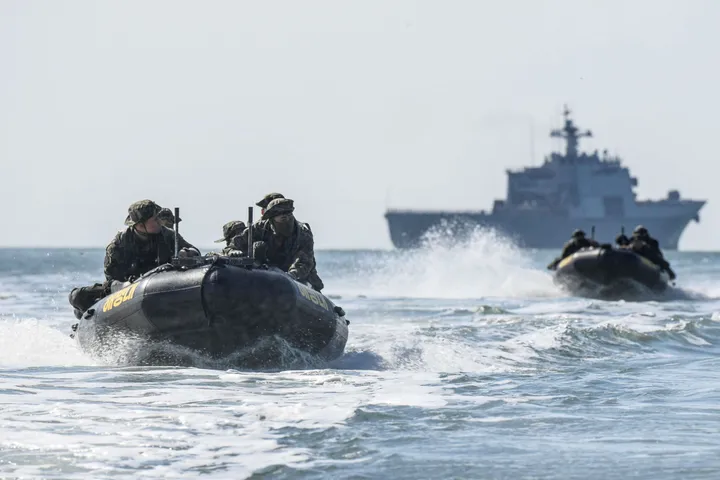
Similarly, an Iranian naval success – such as the sinking of a US vessel – can likely prompt a US withdrawal to avoid additional losses, he says.
Schultz notes that Trump now faces a more hostile Congress, growing questions within his own party, and an international confrontation with Iran, which may be difficult to resolve on favourable terms.
“Whether these pressures lead him to change course or simply make him more determined to continue remains an open question,” he tells TRT World.