 Abhishek G Bhaya
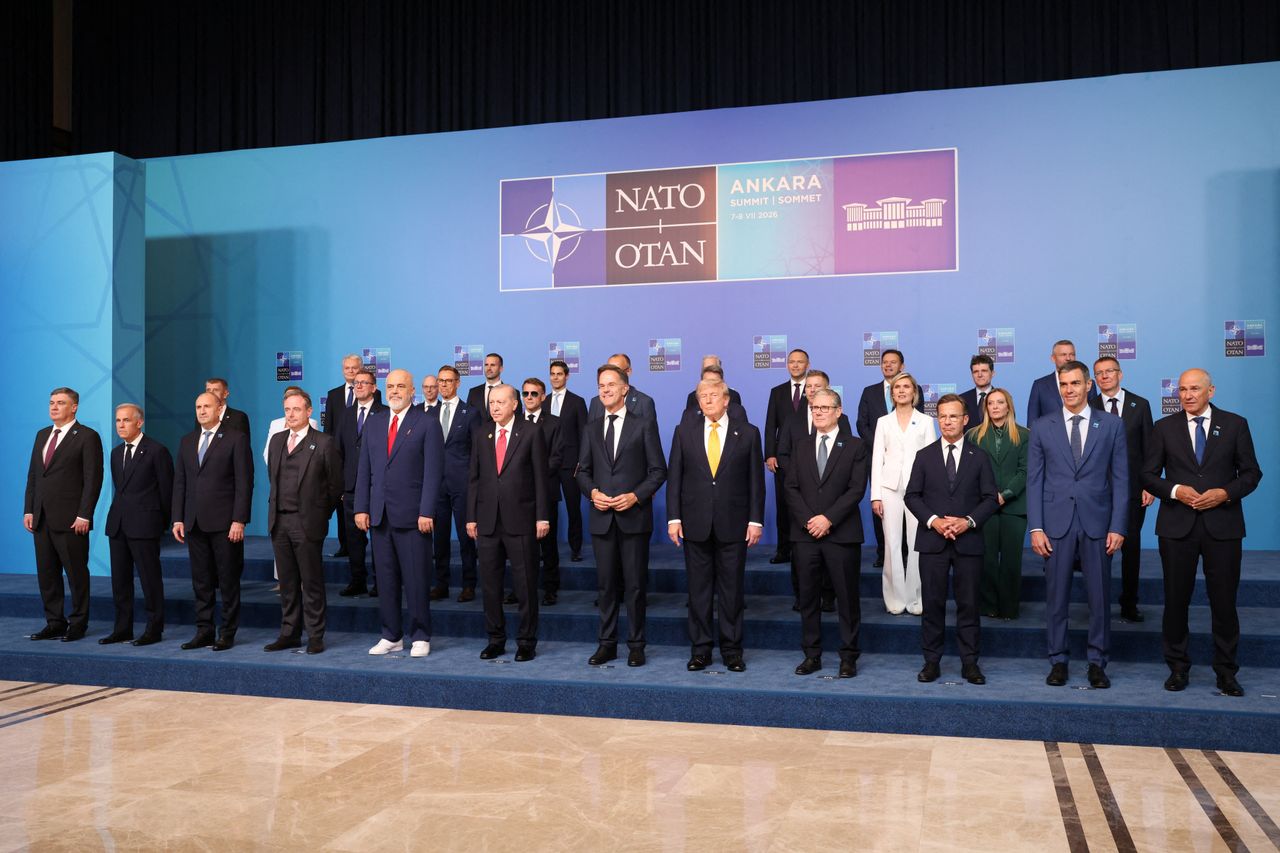
For years, NATO's strategic focus has been dominated by Russia and the Alliance's eastern flank. But discussions at this year's NATO Summit in Ankara suggest another security theatre is rapidly climbing the agenda: the southern flank.
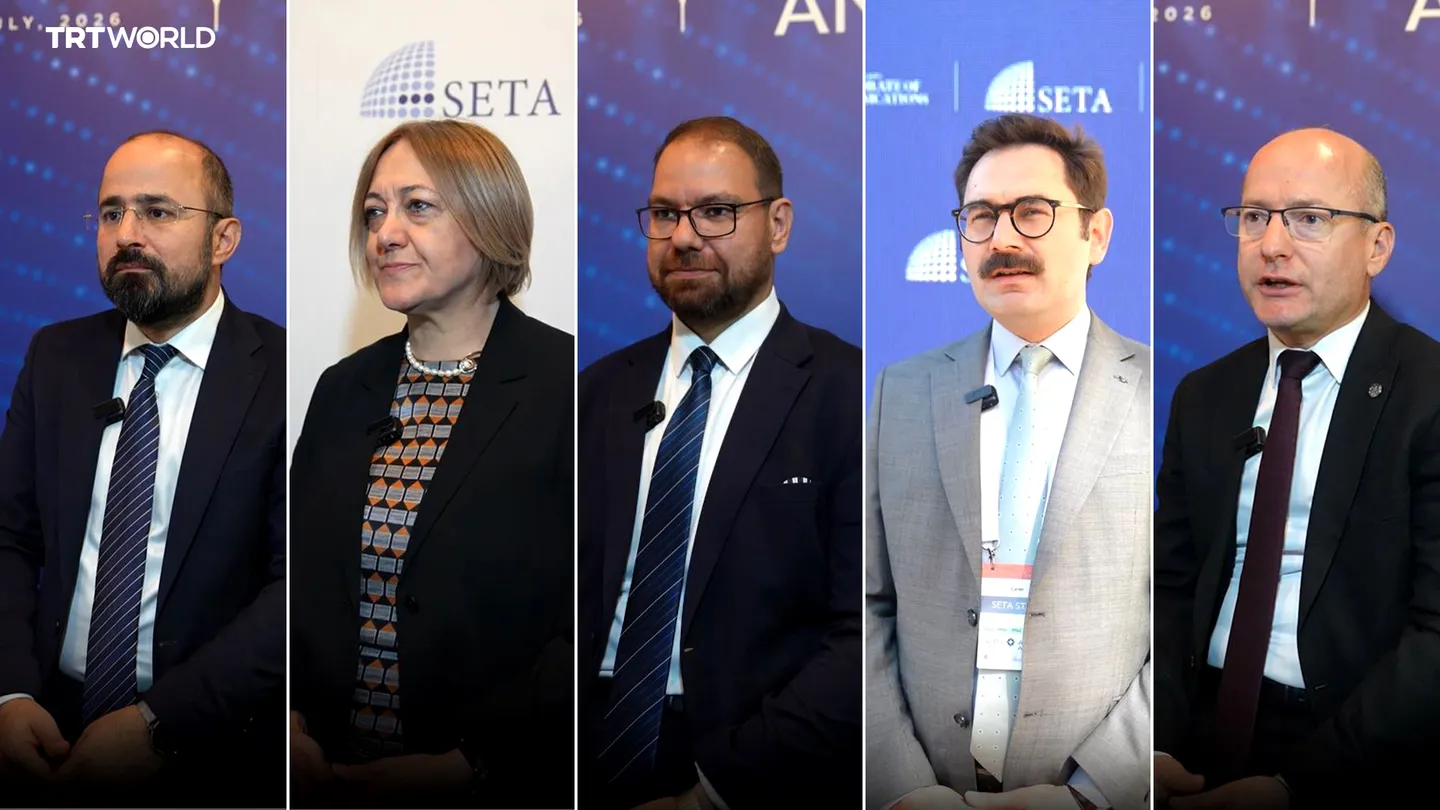
From instability in the Middle East to threats against maritime trade through the Strait of Hormuz, experts attending the ‘NATO Allies in Ankara’ hub – organised jointly by the Munich Security Conference and the SETA Foundation on the sidelines of the 36th NATO summit in the Turkish capital – argued that recent events have fundamentally altered how the Alliance views security on its southern frontier.
While there was broad agreement that NATO must pay greater attention to the region, analysts differed on what a greater role should look like.
"The ongoing Iran-US war and the struggle for control of the Strait of Hormuz demonstrated that a regional problem actually could turn into a global problem so quickly," Mustafa Caner, a foreign policy researcher at the SETA Foundation, told TRT World.
"That's why NATO should consider its southern flank's security and fortify it through member allies like Türkiye," said Caner, who also serves as an assistant professor at the Middle East Institute (ORMER) of Sakarya University.
Ankara's extensive diplomatic ties across the region place it in a unique position to contribute to regional stability, he says.
The renewed focus on NATO's southern neighbourhood did not emerge overnight. Caner pointed to the Alliance's Southern Neighbourhood Action Plan, introduced at the Washington Summit two years ago, but said the war on Iran had significantly accelerated the urgency behind it.
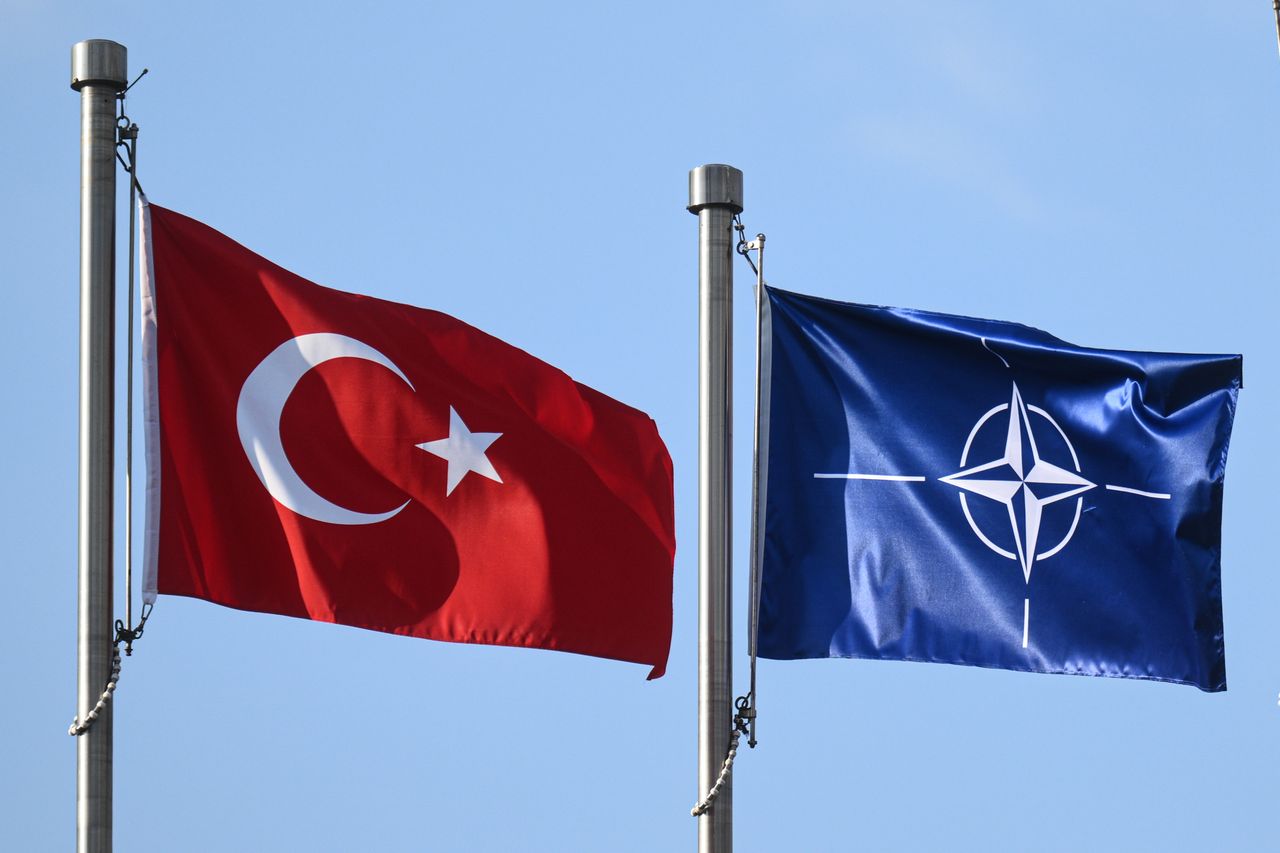
NATO's evolving security calculus
The latest escalation involving Iran has underscored how instability in the Middle East can quickly spill over into wider Euro-Atlantic security concerns.
Kadir Temiz, president of the Center for Middle Eastern Studies (ORSAM), said the conflict has demonstrated that threats from NATO's southern neighbourhood can no longer be viewed as separate from European security.
"It clearly showed us there is a direct threat coming from our eastern neighbours to NATO countries," Temiz said.
He argued that regional conflicts can "easily infiltrate European security," making it necessary for NATO to work more closely with Middle Eastern partners while adopting what he described as a strategy of "regional resilience."
"Türkiye is pushing two concepts inside NATO: regional ownership and regional resilience," Temiz said. Strengthening state institutions alongside economic development, he argued, would reduce the need for future military interventions.
For Temiz, security is no longer defined solely by military capabilities.
"Energy security, climate security and food security are all part of this comprehensive security dimension," he said.
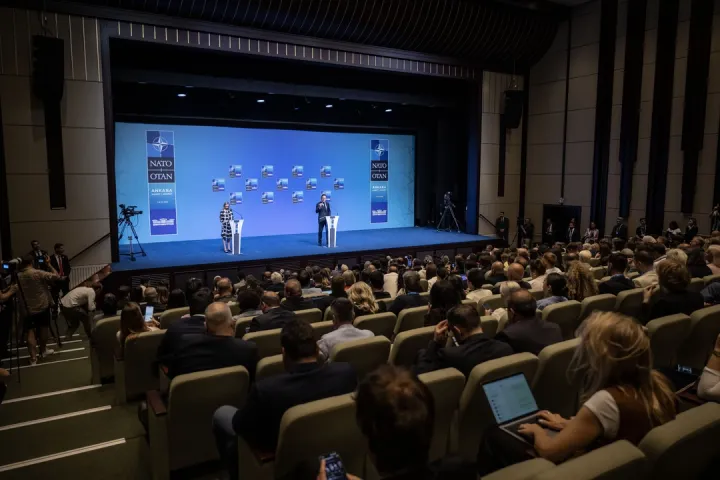
A stronger case for Türkiye
One of the strongest themes emerging from conversations in Ankara was the growing importance of Türkiye within NATO's evolving strategic outlook.
Defne Arslan, Senior Director and Founder of the Washington-based Atlantic Council's Türkiye Programmes, argued that Ankara's geographic position and regional diplomacy have become increasingly indispensable.
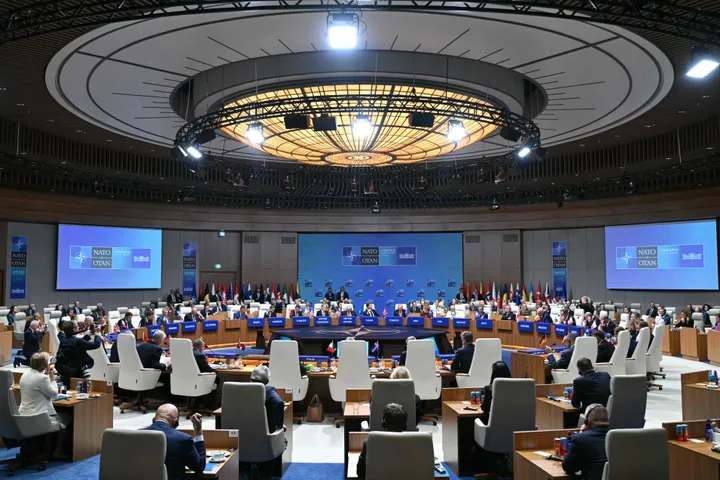


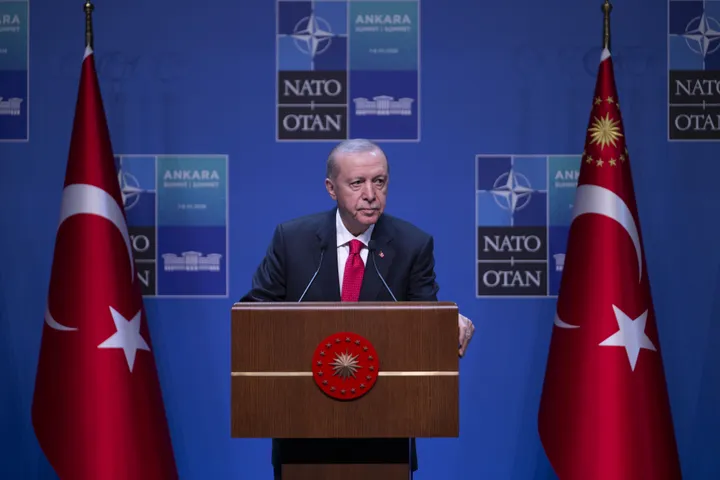


"I cannot think of any conflict in the region that can be resolved without Türkiye," she told TRT World. "Türkiye is a big country, an important player—not only for the region but for the globe."
She said hosting the summit itself reflected Türkiye's growing role at a time when tensions stretch from Ukraine to the Middle East.
Similarly, Erman Akilli, professor of international relations at Ankara Haci Bayram Veli University, argued that Türkiye's expanding defence industry and technological capabilities have transformed its position within the Alliance.
"A stronger Türkiye means a stronger Alliance," Akilli said.
He argued that Türkiye now contributes not only through its strategic geography but increasingly through indigenous defence technologies, artificial intelligence and innovation, all of which are becoming central to NATO's long-term transformation.
Regional diplomacy within NATO’s strategic framework
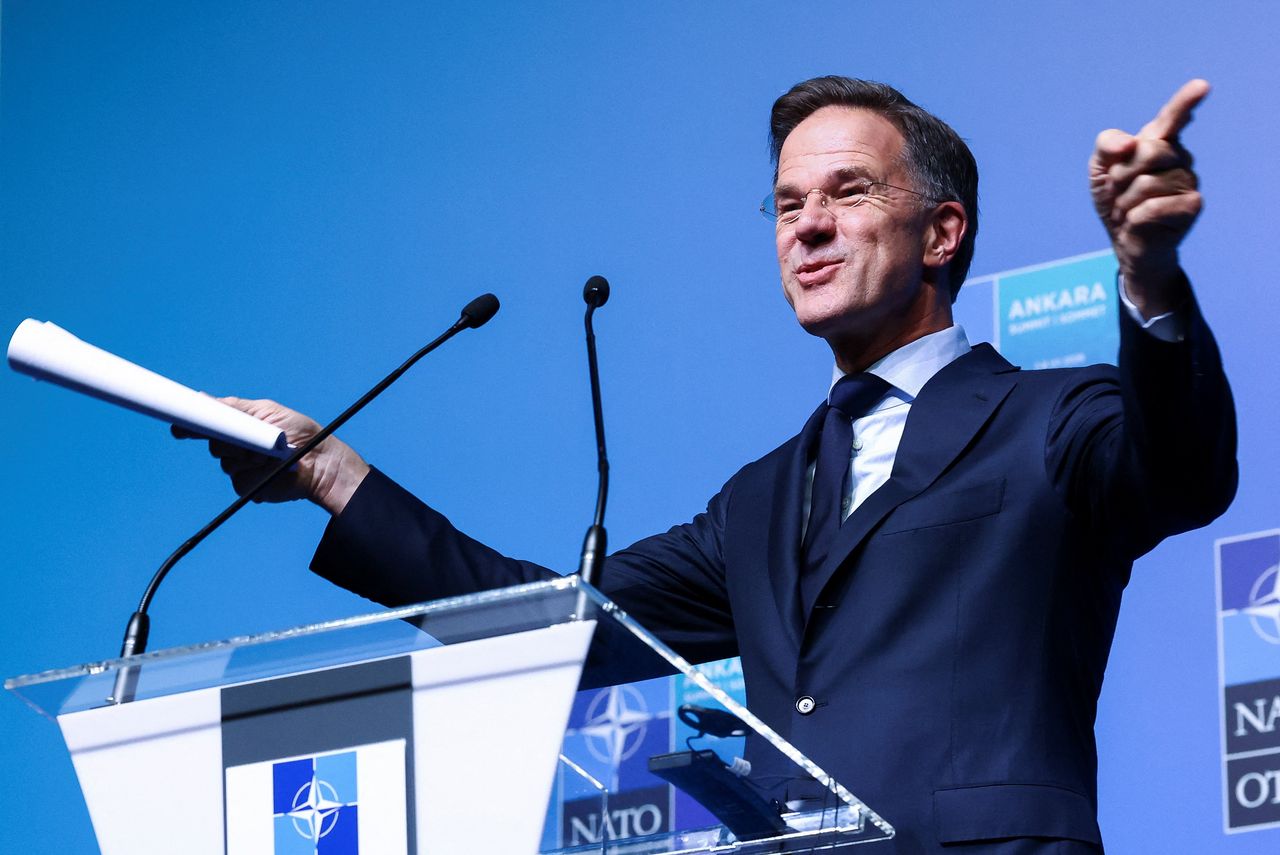
While experts broadly agreed that the Middle East has become more central to NATO’s strategic thinking, they argued that the Alliance’s approach should combine collective defence with regional diplomacy rather than rely solely on an expanded military presence.
As NATO’s largest military power on its southern flank, Türkiye’s regional influence cannot be separated from the Alliance’s broader strategic presence. Ankara’s ability to engage simultaneously with NATO allies and regional actors has increasingly become one of the Alliance’s key strategic assets as instability stretches from Ukraine to the Gulf.
Serhan Afacan, director of the Ankara-based Center for Iranian Studies (IRAM), said Türkiye has consistently advocated the principle of “regional ownership” — the idea that countries in the region should play the leading role in resolving regional crises.
"Türkiye very much emphasises regional ownership," he told TRT World.
He said Türkiye’s comparative advantage lies in complementing NATO’s collective security role with sustained diplomatic engagement. Ankara’s ability to maintain dialogue with both Iran and Western capitals, while remaining firmly anchored within NATO, positions it as an important interlocutor in efforts to prevent wider regional escalation.
At the same time, Afacan noted that Iran continues to view Türkiye through the prism of its NATO membership.
“They say, ‘We have bilateral relations ... but at the end of the day, you are a NATO ally,’” he said, underscoring that Ankara’s regional influence is inseparable from its role within the Alliance’s security architecture.
The combination of Türkiye’s strategic geography, military capabilities and diplomatic channels, analysts argued, has made it an increasingly important contributor to NATO’s evolving approach to security on its southern flank.
Beyond conventional threats
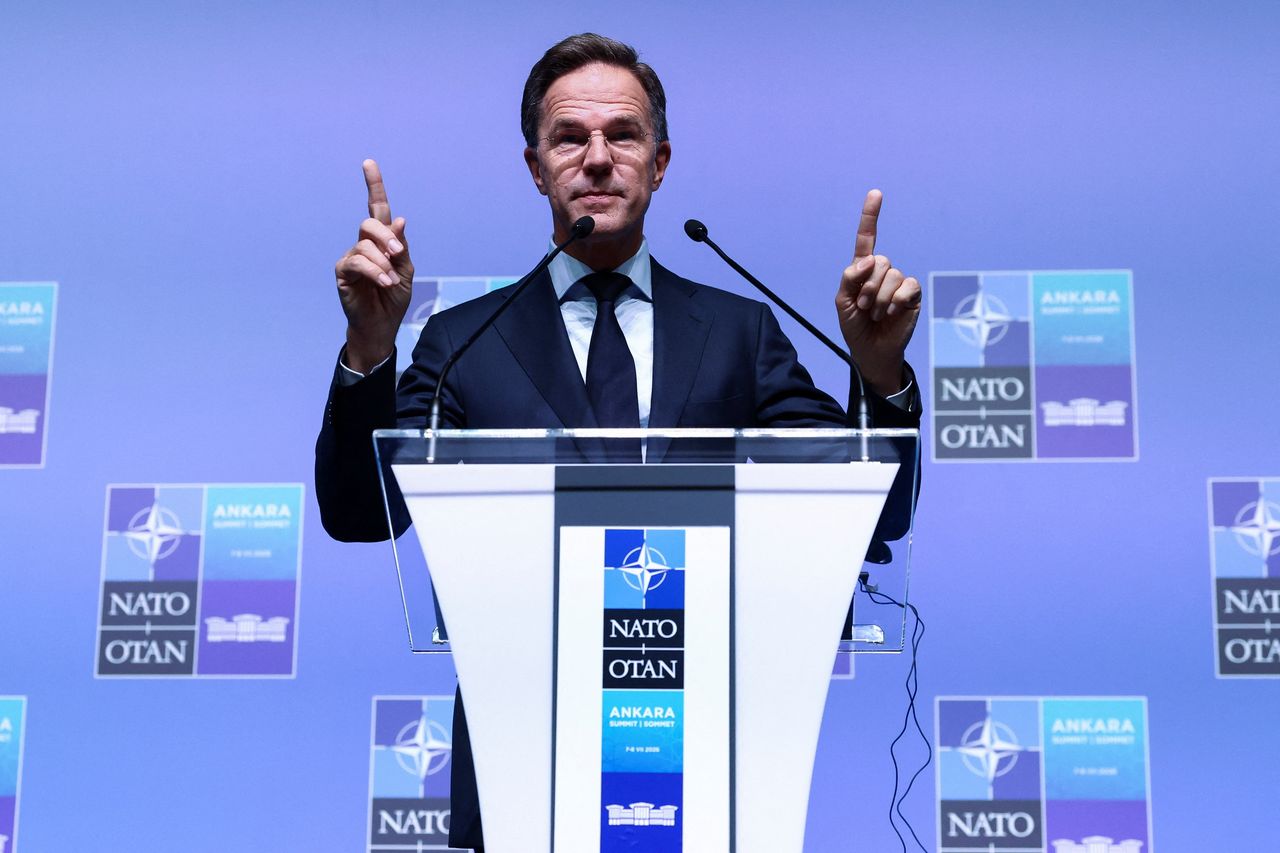
The discussions also reflected a broader shift in how NATO defines security itself.
Traditional military threats remain central, particularly following the Russia-Ukraine military escalation. But experts argued that hybrid warfare, cyber attacks, disruption of global supply chains and maritime chokepoints are becoming equally important.
Caner cited Iran's ability to threaten shipping through the Strait of Hormuz as an example of asymmetric pressure that extends far beyond conventional military confrontation.
"This is not conventional warfare in the sense that we know," he said. "That's why NATO has to update itself based on these newly emerging threats."
Akilli extended that argument further, suggesting the Alliance itself is entering a new phase. "NATO has been built on collective security," he said. "But it must be transformed into collective resilience."