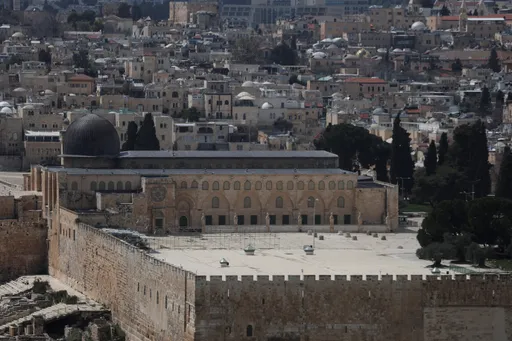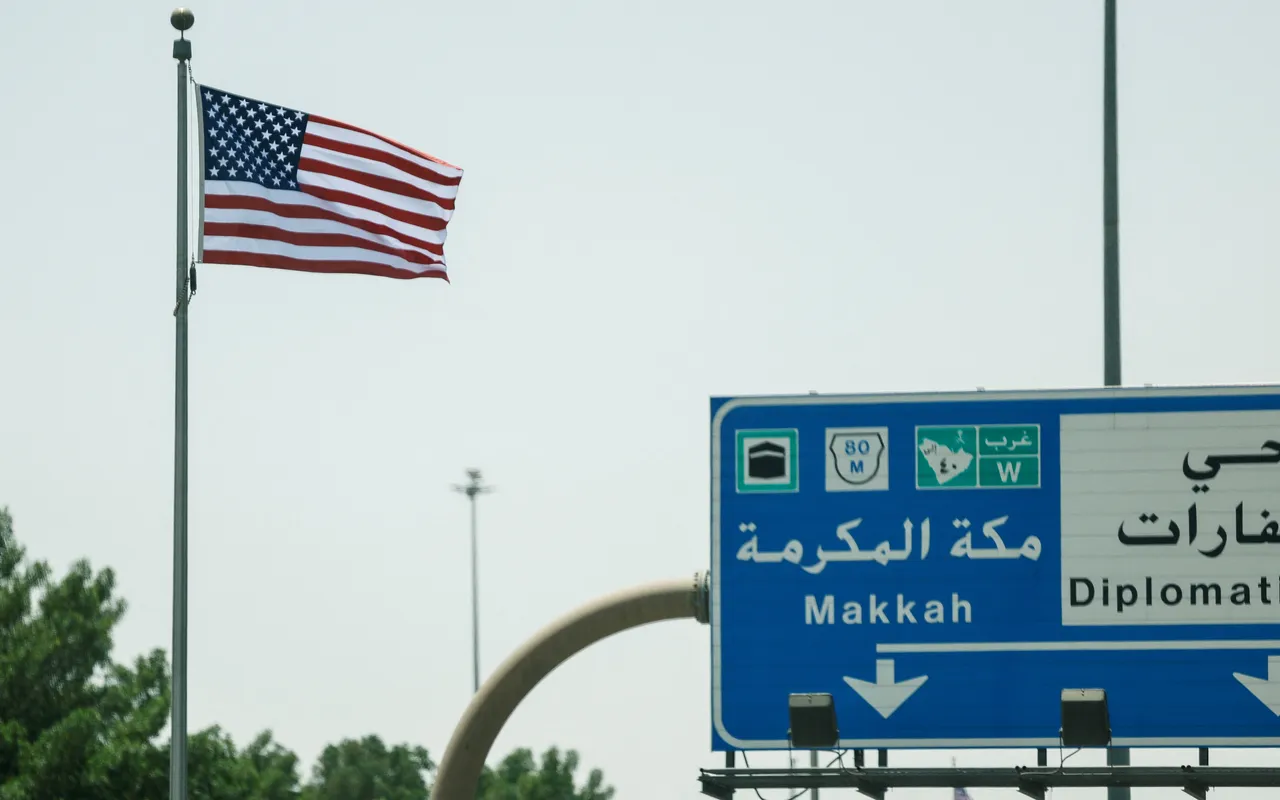
The United States has asked its citizens to reconsider travelling to Saudi Arabia to take part in the Hajj pilgrimage next month due to security concerns, according to a statement posted by the US embassy in Riyadh.
Pointing to a recent travel advisory cautioning against visiting Saudi Arabia due to Iranian missile and drone attacks, the statement said that "due to the ongoing security situation and intermittent travel disruptions, we advise reconsidering participation in Hajj this year".
The Hajj, Islam's fifth pillar, is a once-in-a-lifetime obligation for Muslims who are physically and financially able to undertake the journey.
Millions of Muslims are expected to journey to Mecca city this year.
Hajj 2026 should start about May 25. Arafah is expected on May 26, with Eid Al Adha on May 27. Hajj rituals should end around May 29-30, pending the Moon sighting.
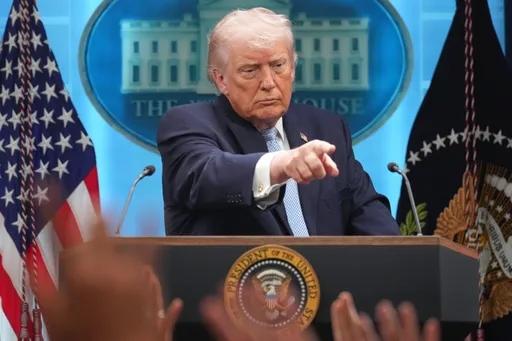
The US advisory comes after President Donald Trump threatened "a whole civilisation will die tonight… never to be brought back again" in a social media post that shocked world leaders, with some critics suggesting Trump was alluding to using a nuclear strike on defiant Iran.


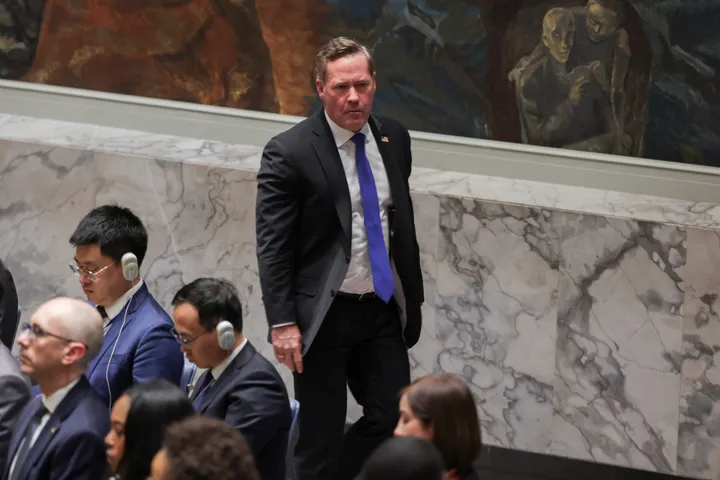




"WHO KNOWS? We will find out tonight, one of the most important moments in the long and complex history of the World. 47 years of extortion, corruption, and death, will finally end. God Bless the Great People of Iran!", Trump added.
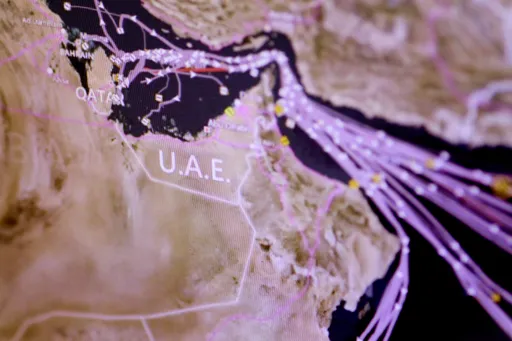
President Trump has set a deadline of Tuesday 8 pm Eastern Time (0000GMT), threatening to destroy every bridge and power plant in Iran if Tehran fails to reopen the Strait of Hormuz and agree to capitulate.
Iran said it is prepared for all possibilities in its war with the United States and Israel.
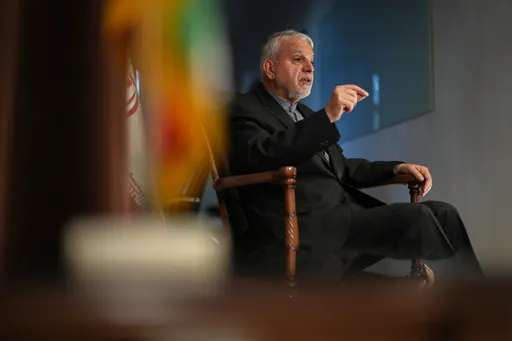
"National security and infrastructure sustainability are the subject of our precise calculations. The government has finalised the necessary measures in detail for all scenarios. No threat is beyond our preparedness and intelligence," First Vice President Mohammad Reza Aref said in a post on X.
The entire Middle East has been on alert since Israel and the US launched a war against Iran on February 28.
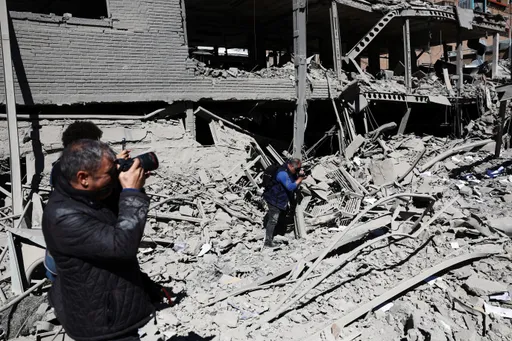
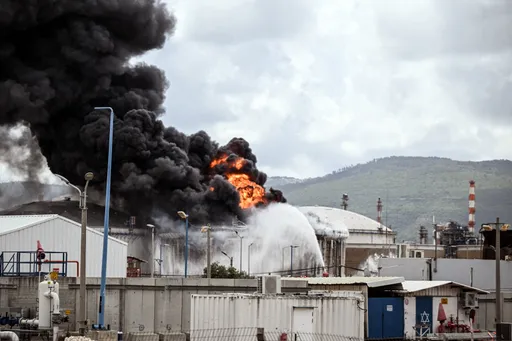
Tehran has retaliated with drone and missile strikes targeting Israel, Jordan, Iraq, and Gulf countries hosting US military assets, causing casualties and damage to infrastructure while disrupting global markets and aviation.