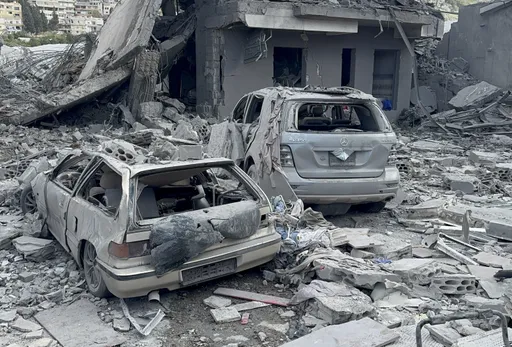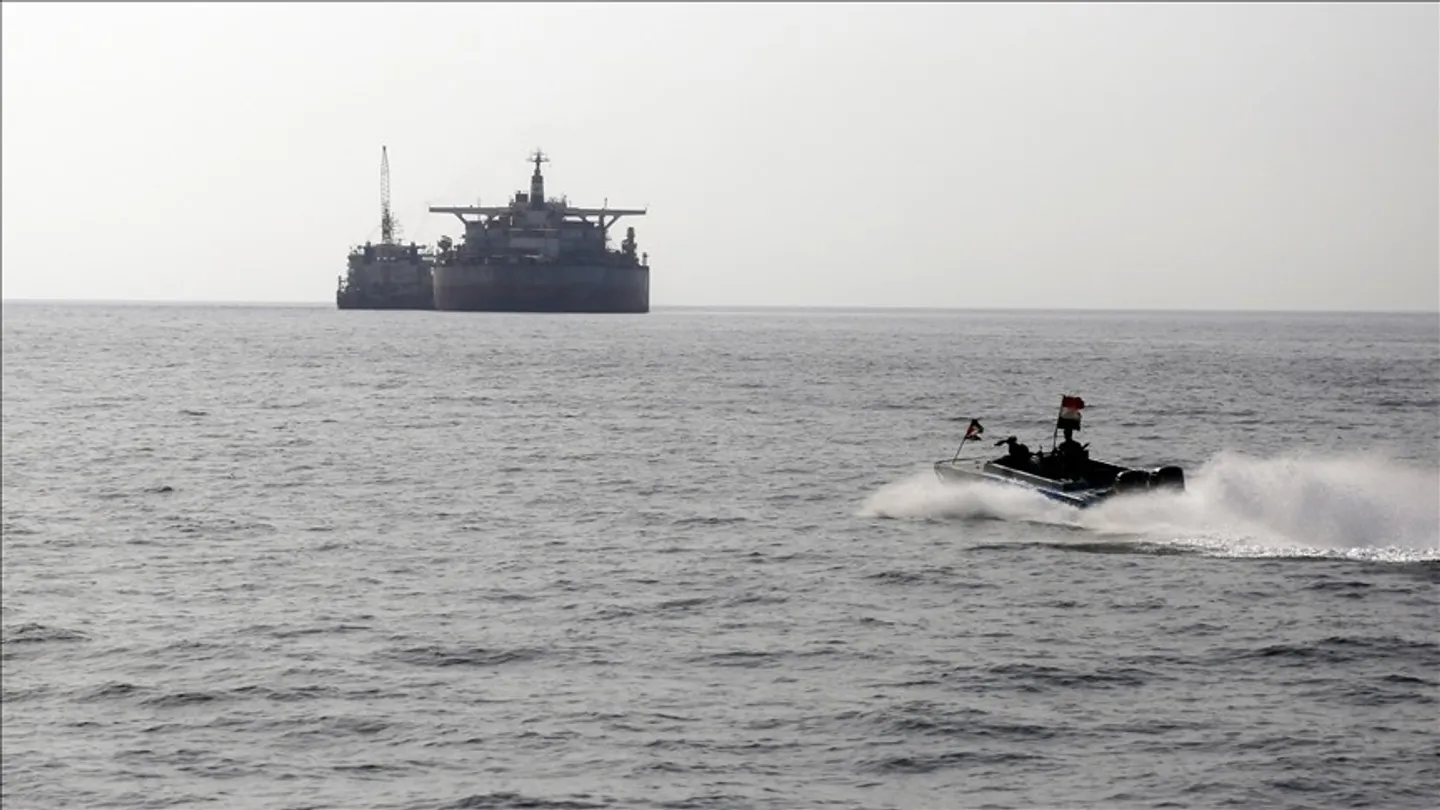
As the escalating US-Israeli war on Iran unfolds through waves of strikes and counterstrikes, its effects are rippling far beyond the battlefield, rattling global shipping lanes and energy markets.
Tehran has already moved to restrict traffic through the Strait of Hormuz, a critical artery for global oil flows, sending shockwaves through energy markets and shipping routes.
Attention is now shifting further west to the Bab al Mandeb Strait, a narrow but indispensable passage at the southern end of the Red Sea, where even limited instability risks compounding existing disruptions.
On Saturday, Yemen’s Houthi group signaled that the Red Sea and Bab al Mandeb could be drawn further into the conflict, underscoring the risks facing one of the world’s busiest maritime corridors.
Here is why the Bab al Mandeb Strait matters, and what is at stake as tensions rise:
Where is the world’s ‘Gate of Tears?’
The Bab al Mandeb Strait sits at a critical crossroads between continents, separating Yemen on the Arabian Peninsula from Djibouti and Eritrea in the Horn of Africa.
It forms a narrow maritime link between the Suez Canal to the north and the Gulf of Aden and Indian Ocean to the south, a route that underpins trade between Europe and Asia.
Stretching about 100 kilometres (62 miles) in length and narrowing to roughly 30 kilometres (19 miles) at its tightest point, the strait funnels vast volumes of global commerce.
Perim Island divides it into two channels: a deeper western lane used by international shipping and a shallower eastern passage for local vessels.
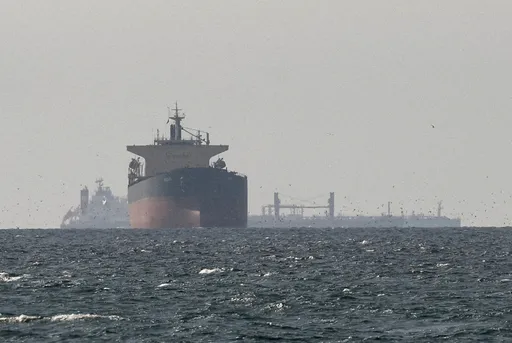
Millions of barrels of oil, liquefied natural gas (LNG), and container cargo transit the strait each day, making it one of the world’s most sensitive maritime choke points.
Its Arabic name, “Gate of Tears,” reflects both centuries of deadly navigation hazards and a legend of a deadly earthquake that split Asia from Africa.
While the strait has long connected East Africa, Arabia, and South Asia, its global importance surged after the opening of the Suez Canal in 1869, which created a direct maritime route into Europe through the Mediterranean, avoiding the need to sail around Africa.
How crucial is Bab al Mandeb for global energy?
The Bab al Mandeb is one of the world’s most important energy chokepoints.
In 2023, 9.3 million barrels per day of crude oil and petroleum liquids passed through the strait – nearly 12% of seaborne-traded oil worldwide, according to the US Energy Information Administration.
Only the Strait of Malacca, with 24 million barrels per day, and the Strait of Hormuz, at 21.8 million, moved more crude oil that year.
That flow dropped sharply in 2024 to about 4.1 million barrels per day after Houthi attacks on shipping disrupted traffic.
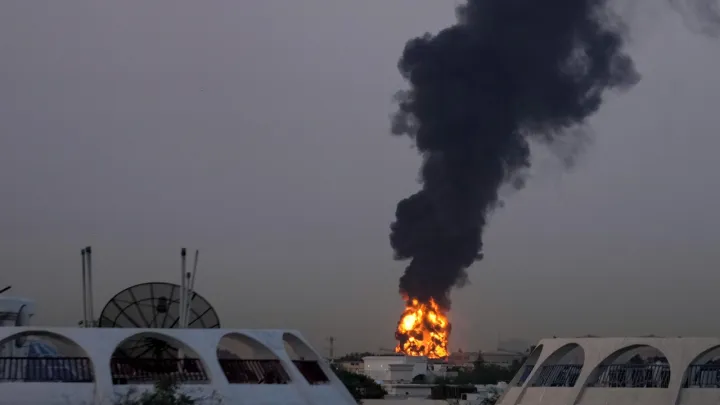






The effects extended beyond the strait itself. Flows through the Suez Canal and the Suez-Mediterranean Pipeline fell from 8.8 million to 4.8 million barrels per day.
The attacks on commercial vessels, as well as ships linked to the US and UK, forced rerouting around the Cape of Good Hope on the southern tip of Africa and prompted multinational naval protection operations and airstrikes in Yemen.
While the campaign eased following ceasefire developments in 2025, it demonstrated the group’s ability to disrupt one of the world’s vital maritime corridors and global energy flows.
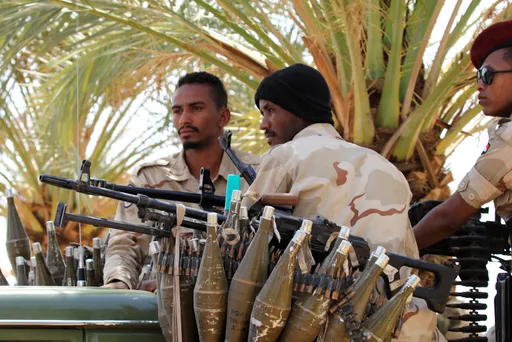
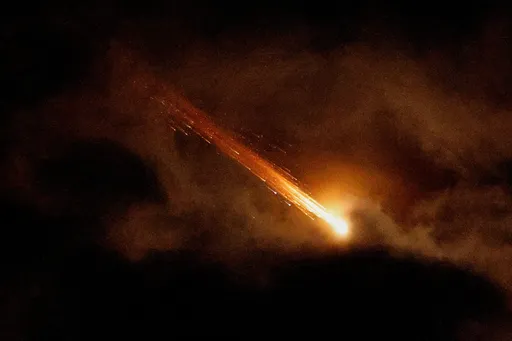
But this weekend saw the group launching missile strikes toward Israel, marking its first direct involvement in the Iran conflict.
Mohammed Mansour, deputy information minister in the Houthi-run government, told Al-Araby Television that the group’s steps are “precisely calculated to be effective and to multiply pressure on Israel and America.”
He said the Red Sea, the Gulf of Aden, and Bab al Mandeb “will be among the options” to be used as leverage in the ongoing war.
Yemen’s rugged Red Sea coastline offers the Houthis natural cover for their weapons. Despite US and Israeli air strikes that killed senior leaders and destroyed large parts of their arsenal last year, the group has regrouped and rearmed.
The strait’s proximity to Yemen also means strategic sites like the US Camp Lemonnier base in Djibouti sit well within the group’s striking range.
Next tipping point for global energy?
Analysts warn that continued tensions around the Bab al-Mandeb Strait could have wide-ranging consequences.
Farea Al-Muslimi, a research fellow at Chatham House, warned in a March 28 analysis that “any sustained disruption will drive up shipping costs, increase oil prices and place additional strain on a fragile global economy that is already reeling from the situation in the Strait of Hormuz,” while also exposing key Gulf infrastructure.
Oil prices have already surged over 50% since the start of the Iran war, with Brent crude surpassing $116 a barrel, putting it on track for its biggest monthly gain on record.
Allison Minor of the Atlantic Council noted that with the effective closure of the Strait of Hormuz, Saudi Arabia increasingly depends on Red Sea routes to maintain oil exports to Asia.
“Absent the Red Sea route, Gulf oil flows could grind to a halt after a couple more weeks of war,” she wrote in mid-March.
She suggested several scenarios.
“The Houthis have a tendency to test red lines, so they could conduct minor Red Sea attacks and then pull back if they determine doing so would break their detente with Saudi Arabia,” she said. “Alternatively, the Houthis could seek to exploit heightened Saudi fears over disruptions in the Red Sea to extract new concessions from Riyadh.”