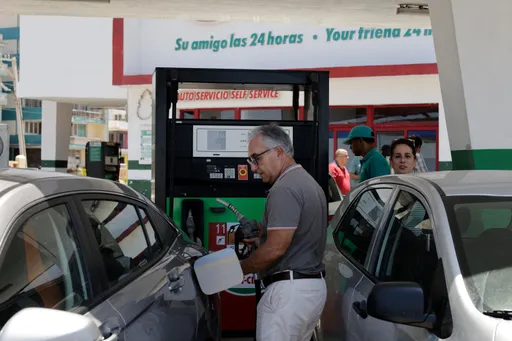
Sweden has said that fuel rationing could become necessary in the coming months as the war in the Middle East deepens the country’s energy crisis and puts growing pressure on the economy.
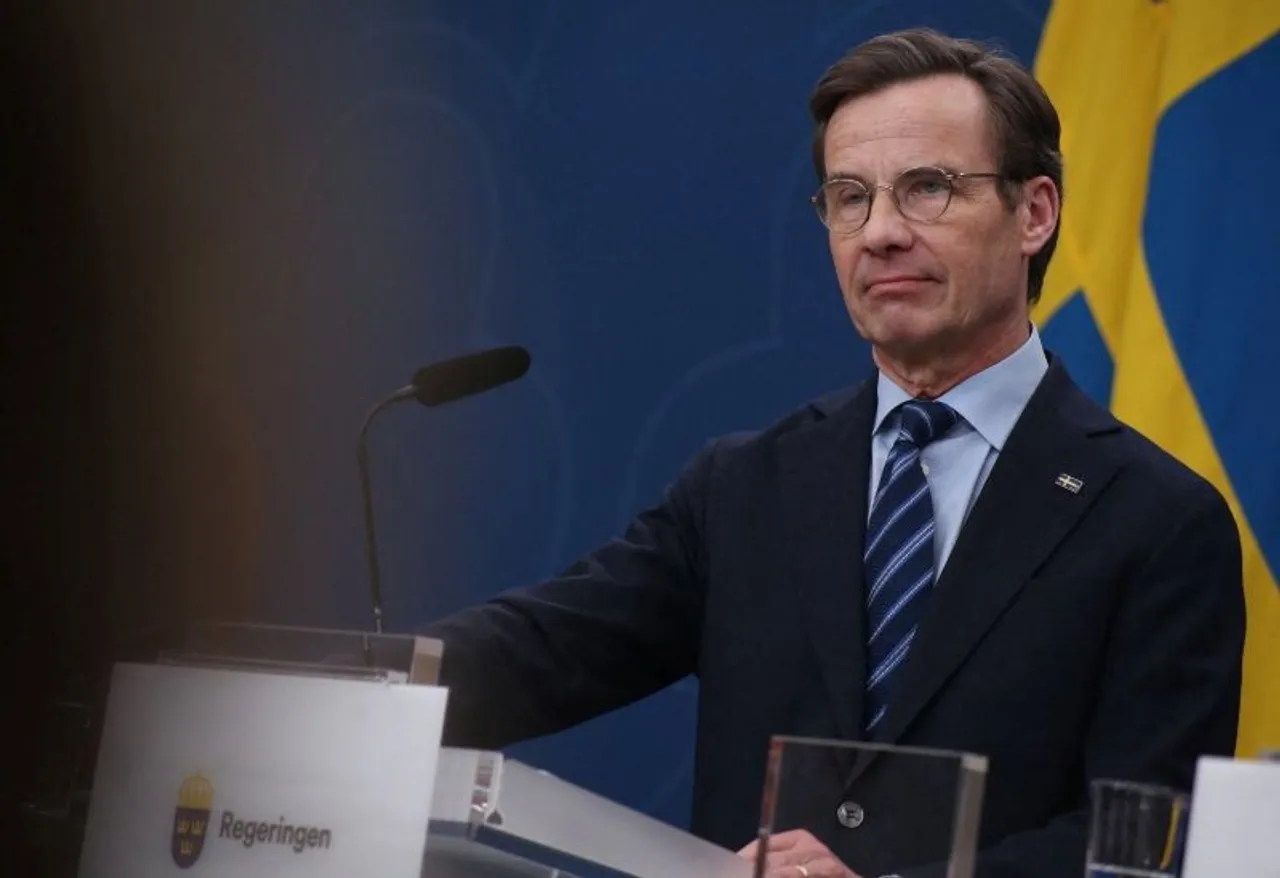
Prime Minister Ulf Kristersson said on Thursday that Stockholm is not currently planning to ration fuel, but officials are preparing for that possibility as soaring oil and gas prices hit households and businesses.
“We’re not planning right now for any rationing. But we are prepared for that possibility,” Kristersson told a press conference.
He said the impact of the war involving Iran had worsened from what was initially seen as a “limited impact” to a “significant impact” on Sweden’s economy.
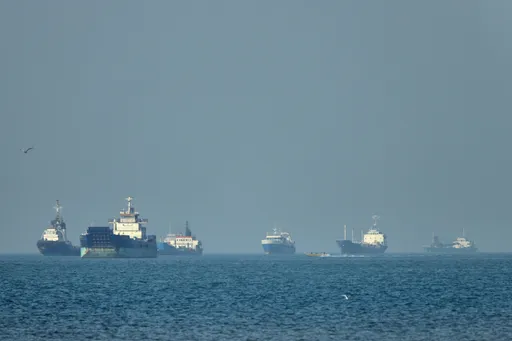
The warning comes as tensions around the Strait of Hormuz — the route for roughly one-fifth of the world’s oil and gas supplies — continue to disrupt global energy markets and drive up prices.
‘Worst energy crisis in years’
Finance Minister Elisabeth Svantesson described the situation as the most serious energy challenge Sweden has faced in a very long time.
“This is the worst crisis in a very, very long time, when it comes to energy,” she said.
The government warned that prolonged disruption could trigger higher inflation, weaker economic growth and further strain on household finances.





Officials said that before any formal rationing, authorities would first urge people to reduce fuel consumption and rely more on public transport.
“If the war drags on, fuel rationing could be a possibility,” Svantesson said.
More domestic energy needed
To reduce vulnerability, Sweden may also need to expand its own energy production, the government said.
Svantesson pointed to solar, wind, hydro and nuclear power as key areas where the country may need stronger investment to protect long-term energy security.
The government has already introduced measures to ease pressure on consumers, including sharp cuts to petrol and diesel taxes.
No new support package was announced Thursday, but officials said the situation remains under close review.
Stockholm is expected to present an updated economic forecast on May 1, which could provide a clearer picture of how deeply the Middle East conflict is reshaping Europe’s energy outlook.