 Murat Sofuoglu
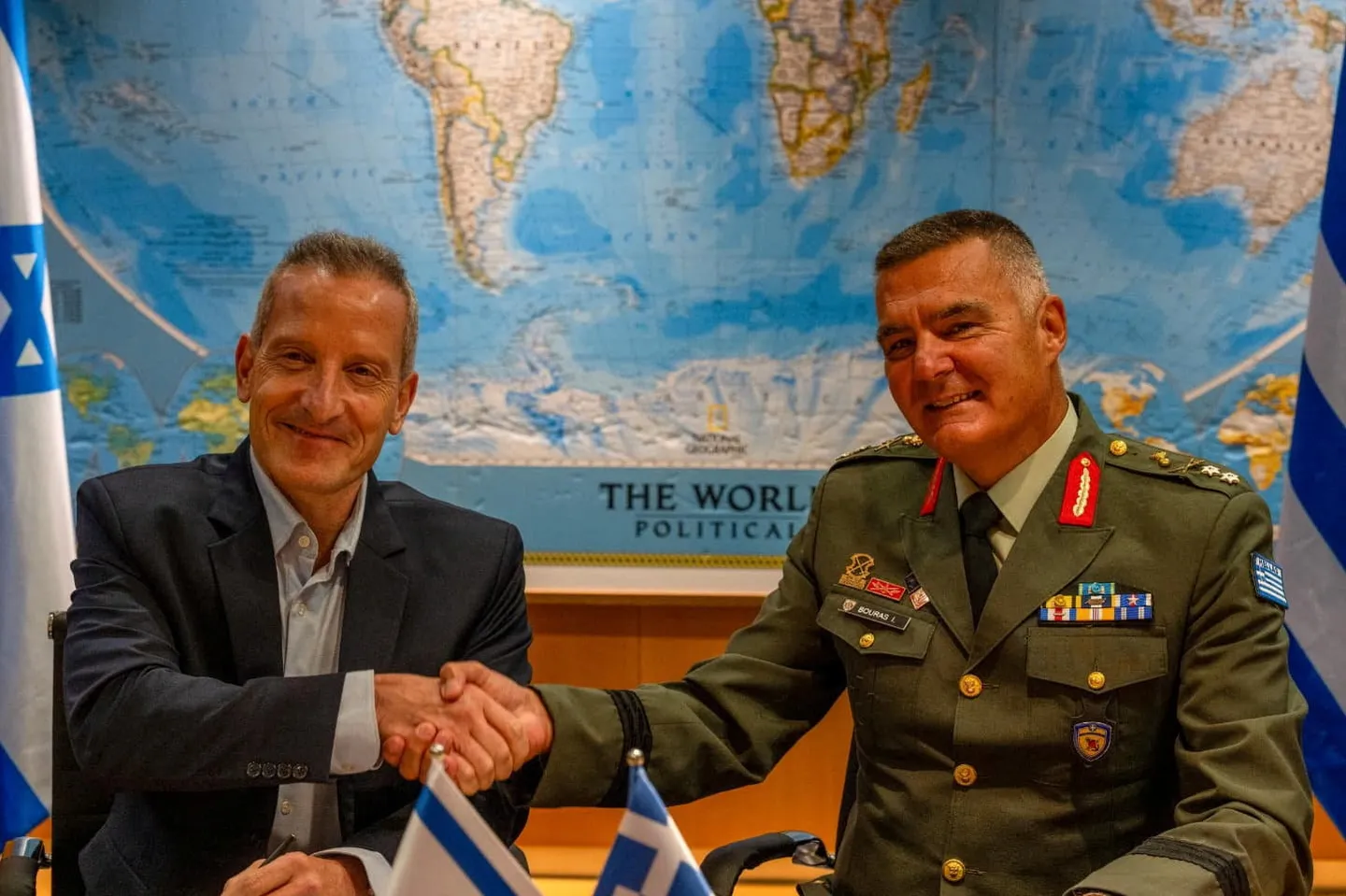
As Israel continues to expand its genocidal war on Palestinians from Gaza to the occupied West Bank, where illegal settlers have attacked both Christian and Muslim villages, Greece, a country whose priests have also faced attacks in Jerusalem, signed a major defence deal with Israel on August 31.
The Achilles Shield agreement, worth approximately €3 billion, will see Israel supply Greece, an EU member, with air-defence technology including David’s Sling, SPYDER and the BARAK MX system.
“This is the largest defense export deal in the history of Israel-Greece relations, and one of the largest in the history of the State of Israel,” Israel’s Ministry of Defence said in a statement. The ministry also cited “the extensive operational experience Israel's defense establishment has gained during the war” as part of the cooperation underpinning the agreement.
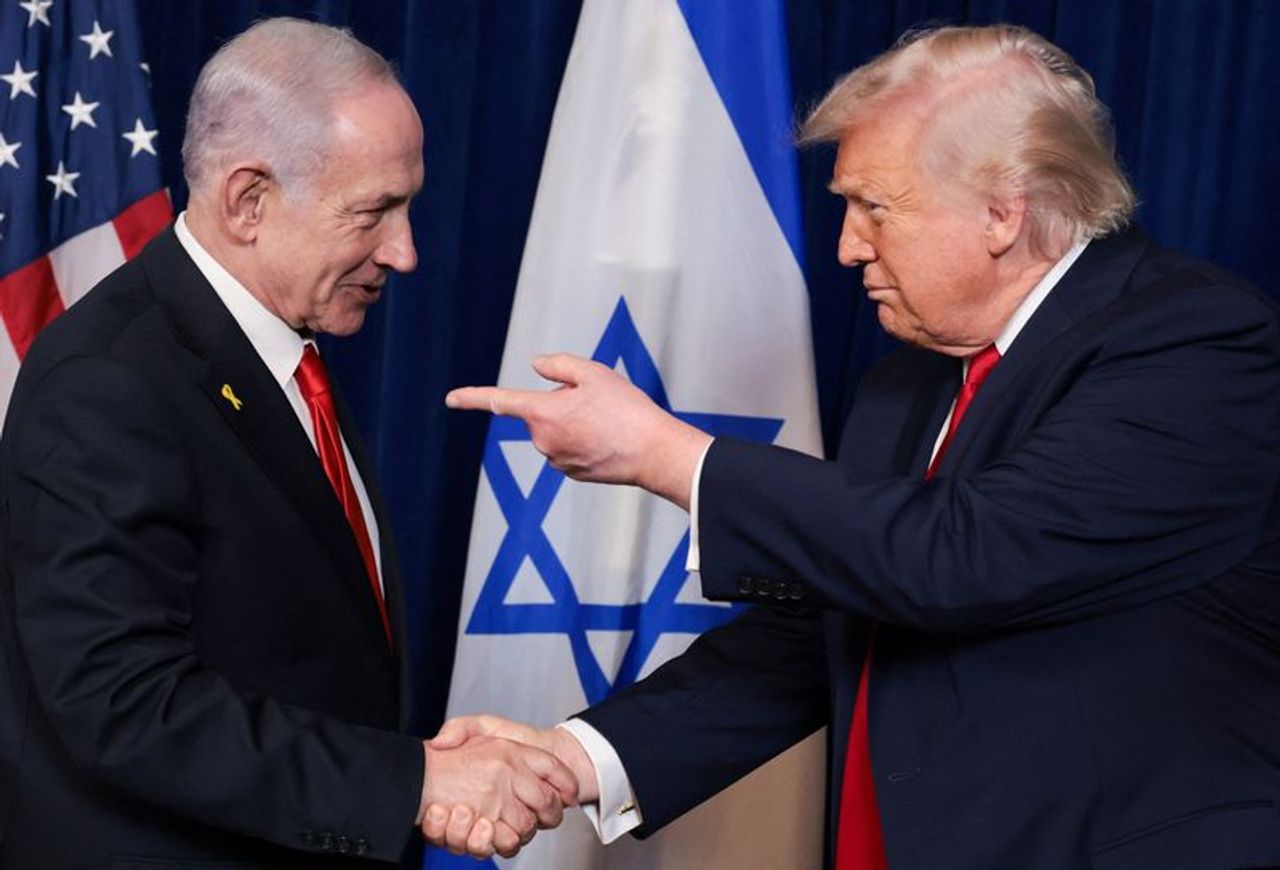
Israeli Prime Minister Benjamin Netanyahu has portrayed the growing relationship between the two countries as part of his so-called “hexagon alliance”, extending from India to Greece, the Greek Cypriot Administration (GCA) in South Cyprus and Africa, and potentially encompassing breakaway regions such as Somaliland in the strategic Horn of Africa.
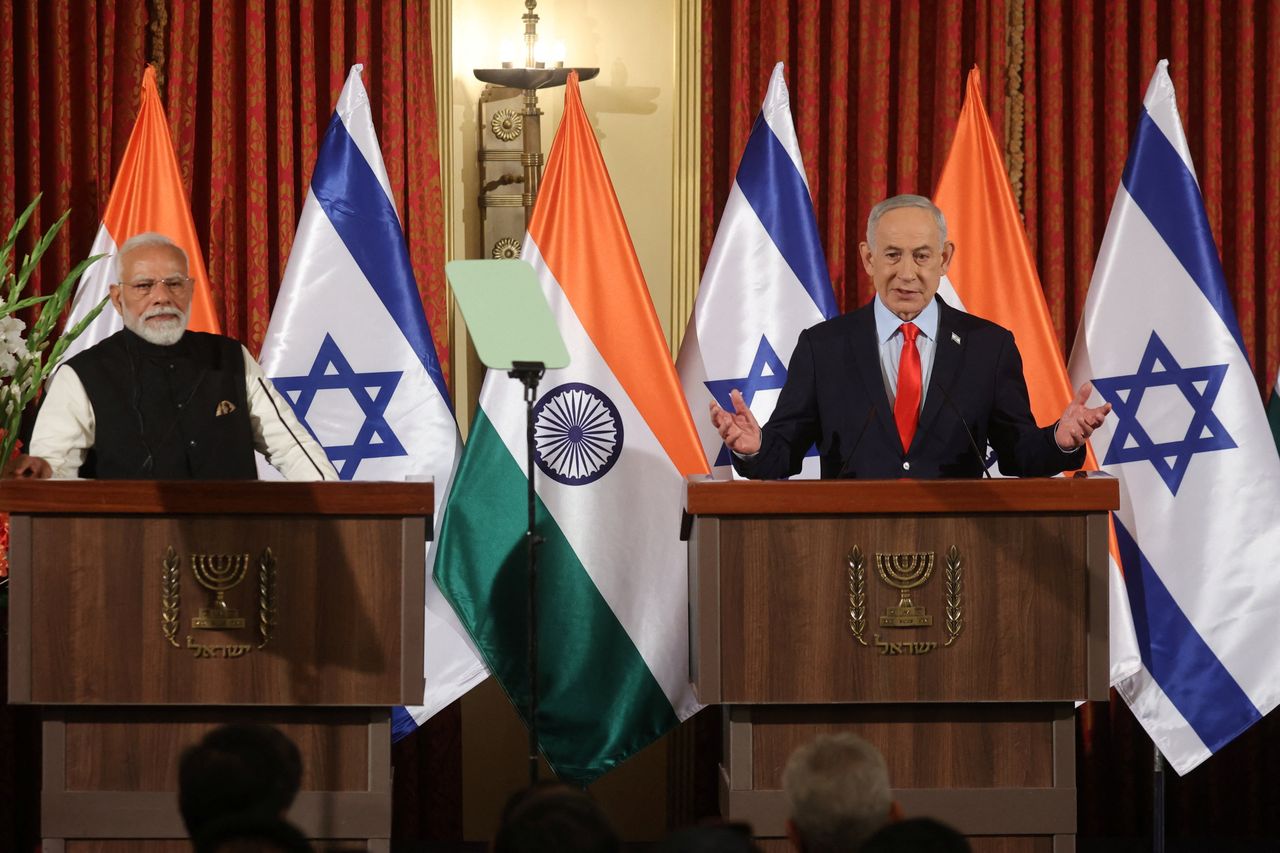
Experts see the Greece-Israel defence deal as both a significant development in its own right and an extension of the countries’ growing strategic cooperation.
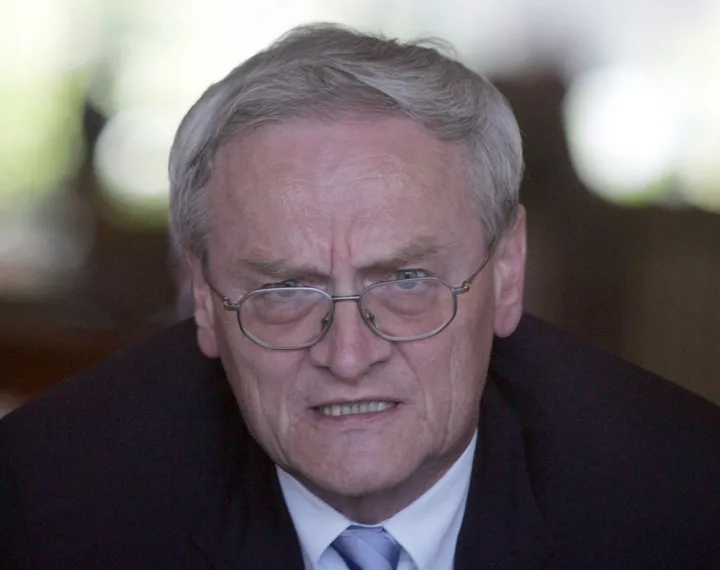
“This should not be read as an ordinary arms purchase,” Oral Toga, a researcher at the Centre for Iranian Studies, tells TRT World, referring to the Achilles Shield.
In April, both states also signed the PULS deal, a €650 million ($750 million) contract on missile systems.
“Greece is not buying a battery. It is buying the sensor, command and control layer. In other words, the nervous system of its future military,” says Toga.
Greek Defence Minister Nikos Dendias described the Achilles Shield as “a transition from a collection of weapons systems to a holistic deterrence system”, underscoring the extent of Athens’ growing defence cooperation with Israel.
“A non-NATO actor is acquiring decades of visibility into the airspace management of a NATO member state,” says Toga.
Greek designs
Dendias also signalled that Greece’s new ships and aircraft, equipped with Israeli systems, would no longer be confined to the narrow defence of the Aegean and would assume a broader deterrence role.
The shift has implications for the Aegean, where Türkiye maintains that several Greek islands must remain demilitarised under treaties governing their status.
“That is not a procurement statement. It is a doctrinal one. This is where the matter begins from Ankara's perspective. Turkey has a longstanding legal objection here based on the demilitarised status of the eastern Aegean islands under the 1923 Treaty of Lausanne and of the Dodecanese under the 1947 Paris treaties,” says Toga.
“The existence of Greek-Turkish problems is no secret. But the real question is not whether those problems get solved tomorrow. It is whether a third party (Israel) will slip through the cracks they open with an agenda of its own. The confrontation of the two NATO allies serves only those who want the alliance weakened.”

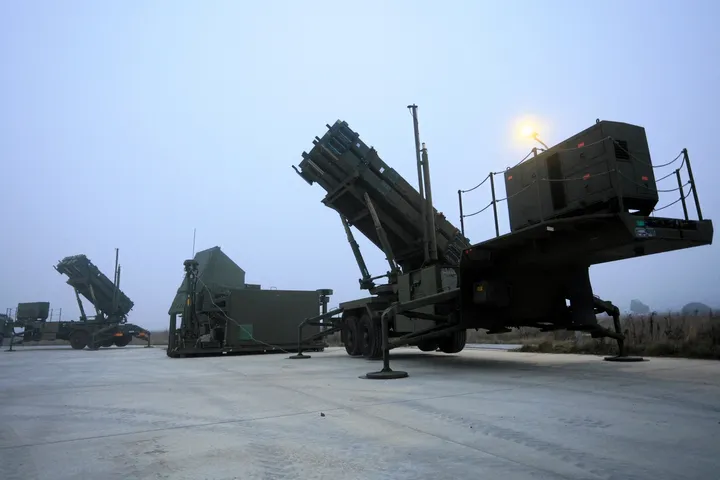
In March, following joint US-Israeli strikes on Iran, Greece deployed an American-made MIM-104 Patriot air-defence battery to the southeastern Aegean island of Karpathos, prompting a protest from Türkiye, which argued that the island should remain demilitarised under international law.
Following Türkiye’s objections, Greece relocated the air-defence system to Crete, easing tensions in the Aegean.
With Greece now acquiring Israeli air-defence and missile systems, the question could resurface over where “the components of this multi-layered architecture will actually be deployed,” says Toga.
He points to the possibility that Athens could deploy Israeli equipment on islands that Türkiye argues should remain demilitarised, potentially adding another layer of tension to longstanding disputes in the Aegean.
The recent acquisition of Israeli weapons systems is, in this sense, further evidence of deepening Greece-Israel cooperation extending from the Aegean to the gas-rich Eastern Mediterranean.
Greece, Israel and the Greek Cypriot Administration have also developed cooperation over energy resources and maritime arrangements in the region.
“Greece cannot find another partner capable of helping it offset Türkiye’s rapidly developing domestic defence industry,” Gokhan Batu, an expert on Israeli politics, tells TRT World.
In recent years, Ankara has significantly expanded its domestic defence industry, developing drones, aircraft and warships that have increasingly reached international markets. It has also moved to restore relations with Egypt, another key Eastern Mediterranean state.
Türkiye has strongly opposed Israel's actions in Gaza and its broader military policies across the region, including in Lebanon, Syria and Iran.
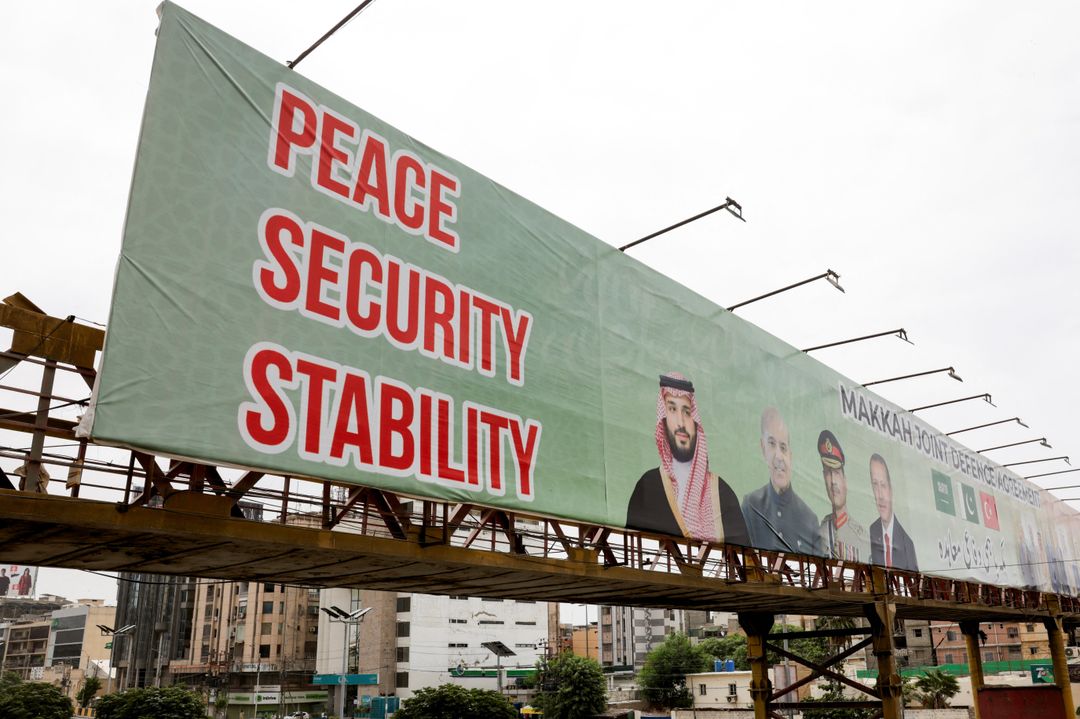
It has also sought to expand its regional diplomatic and security ties through a series of agreements, including the latest defence pact in Mecca with Saudi Arabia and Pakistan.




“What Greece and Israel share is their discomfort with Türkiye’s growing military capacity and strategic autonomy,” says Batu.
“The course of Türkiye-Israel ties and financial considerations are shaping Greek policy. Athens is concerned that it may struggle to find a sponsor for its maximalist policies in the Aegean and Eastern Mediterranean in the upcoming years.”
More risks for Greece
Greece and neighbouring Türkiye remain divided over longstanding disputes, including the status of Aegean islands, Cyprus, and other regional issues.
Yet rather than reaching a comprehensive settlement with Ankara, Athens has accelerated efforts to strengthen its ties with Israel, as relations between Israel and Türkiye have become increasingly strained.
Batu argues that the growing Greece-Israel partnership poses greater risks for Athens than for Israel, which, he says, has a history of leveraging relationships with other states to advance its strategic interests across regions stretching from the Mediterranean to the Red Sea and the Gulf.
“Israel is not offering Greece any tangible security guarantees,” he says, referring to the two countries' defence agreements.
Batu warns that Israel has previously prioritised its own interests, even when doing so has conflicted with those of its partners, pointing to efforts to establish the US-backed Middle East Air Defense Alliance (MEAD) between Israel and Gulf states.
The initiative was intended to strengthen regional coordination against Iranian drones and missiles, with Israel playing a significant role in the proposed air-defence architecture.
Batu argues, however, that subsequent developments have exposed the limits of the security assurances such cooperation can provide Gulf states.
Although Iranian attacks on Israel ended after the US-Iran ceasefire in early April, countries across the Gulf, including Bahrain and the UAE — both of which have normalised relations with Israel — continue to face the threat of Iranian retaliation against US military bases in the region.
“Israel sought to develop a joint air-defence framework with the Gulf countries, yet it failed to provide a clear commitment concerning the defence of Gulf airspace.
“Moreover, despite this agreement and the wider rapprochement, Israel strongly opposed the UAE’s attempt to acquire F-35 fighter aircraft and lobbied against the sale,” says Batu.
“A similar issue can now be seen in the Achilles Shield project. The air-defence umbrella being provided to Greece still leaves Athens dependent on source codes controlled by Israel.
“The theatres and circumstances change, but Israel’s demands at the negotiating table and its way of doing business remain largely the same.”
Eastern Mediterranean: a critical arena
Experts say the most consequential effects of Greece-Israel cooperation could arise in the Eastern Mediterranean, an energy-rich region where both Türkiye and the Turkish Republic of Northern Cyprus (TRNC) also have significant interests.

Greece has “a habit of developing ties with countries which have animosity towards Türkiye,” says Ismail Bozkurt, a leading Turkish Cypriot political analyst and former member of the TRNC presidential advisory council involved in negotiations with the Greek Cypriot Administration(GCA), to TRT World.
Israel, meanwhile, faces mounting constraints on its Middle East policy and is seeking partners such as Greece to expand its influence in the Eastern Mediterranean, Bozkurt says.
Cyprus occupies a particularly important position in this strategy, he adds, noting that some early Zionist figures had considered the island a potential site for Jewish settlement.
Since October 7, thousands of Israelis have reportedly moved to areas under GCA control in southern Cyprus, a development that has fuelled what Bozkurt describes as the Greek Cypriot population’s “growing concerns about Israelisation of the island.”
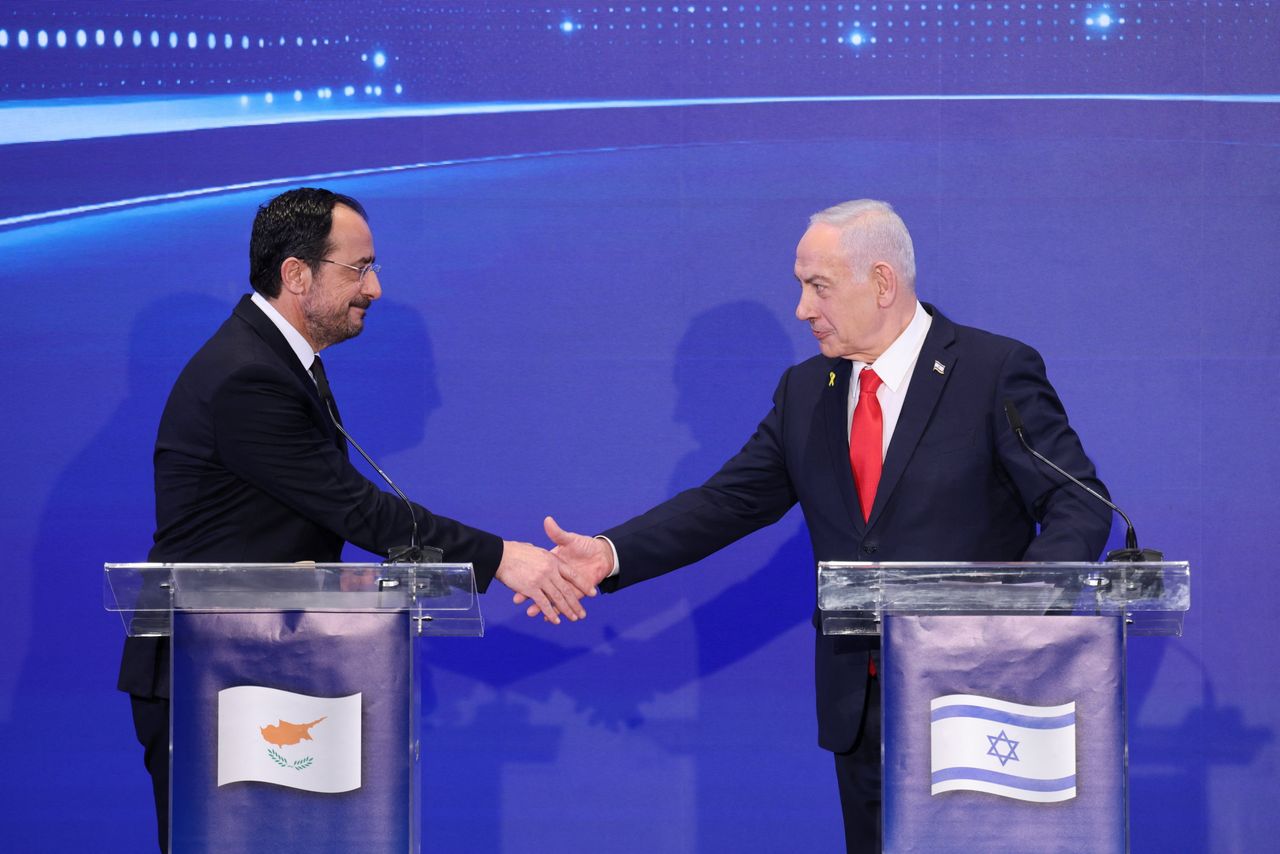
Bozkurt argues that Israel, Greece and the GCA are seeking to establish an energy corridor linking their interests in the Eastern Mediterranean, while failing to adequately account for Türkiye’s role as a guarantor power and the interests of Turkish Cypriots.
Before Türkiye began normalising relations with Egypt, Greece and the GCA sought to capitalise on tensions between Ankara and Cairo to deepen their Eastern Mediterranean cooperation with Israel.
“Today, the regional landscape is quite different. Türkiye’s relations with the US, the Gulf states and Egypt have improved on several fronts. At the same time, Israel’s regional gains from the Abraham Accords have suffered a serious setback since 7 October,” says Batu, adding that Ankara has also made substantial progress in several major defence projects.
As a result, while the potential risks posed by growing Greece-Israel cooperation across the Eastern Mediterranean, Syria and other areas should be “taken seriously”, Türkiye’s “confidence is not unfounded,” Batu says.