Democrats remain mixed over what ideological direction the party should take. But across a series of closely watched primaries, the results point to demand for change among Democratic primary voters.
In marquee Senate primaries in Michigan and Minnesota, progressive candidates defeated two members of Congress with significant backing from party leaders. Wisconsin voters narrowly rejected a democratic socialist but still chose a 40-year-old county executive who is seeking to become the statemarquees first Black governor.
And in Connecticut, voters ousted one of the longest-serving Democrats in Congress for a challenger who campaigned on generational change.
The results so far this month deliver no clear ideological mandate. Instead, they add to mounting evidence from this year's primaries of a Democratic appetite for turnover that is cutting across the party’s traditional divisions.
"If leaders in our party don't recognise that we need to make changes, then the changes are going to come from the ground up," Luke Bronin, a former mayor who defeated 14-term Connecticut Representative John Larson in Tuesday's primary, said in his victory speech. "That's a message our party needs to hear."
The November elections will test whether the trends seen in Democratic primaries carry into general-election contests against Republicans. Beyond that looms the 2028 presidential race, when a new generation of leaders will compete to shape a changing Democratic Party.
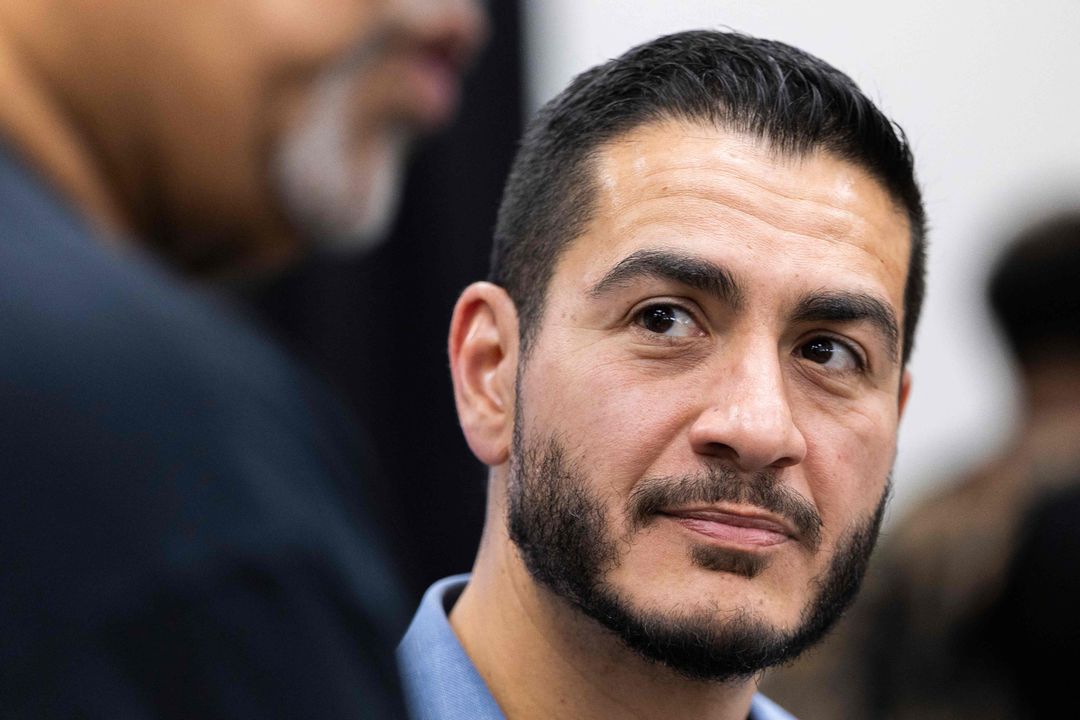
Progressives are ascendant, but Wisconsin shows their limits Democratic socialist Francesca Hong hoped to ride the wave of recent progressive victories, including Abdul El-Sayed’s upset in neighboring Michigan's US Senate primary a week earlier, to the Democratic nomination for governor in Wisconsin.
Instead, she narrowly lost to Milwaukee County Executive David Crowley, a more moderate Democrat who had dropped out of the race only to reenter in its final weeks and win the backing of outgoing Governor Tony Evers.
Hong's defeat also came after a number of her past comments resurfaced, including support for defunding the police and a call to cancel Thanksgiving that she said was a joke. And unlike El-Sayed, Hong did not receive the backing of some of the nation's most prominent progressive leaders, including Senator Bernie Sanders and Representative Alexandria Ocasio-Cortez.
Different outcomes for progressive candidates
The result illustrates a tension for the party's ascendant left flank.
Candidates running on populist economic messages have found growing success with Democratic voters. But some positions associated with the progressive movement’s recent past remain vulnerabilities — particularly among voters worried about electability in November.
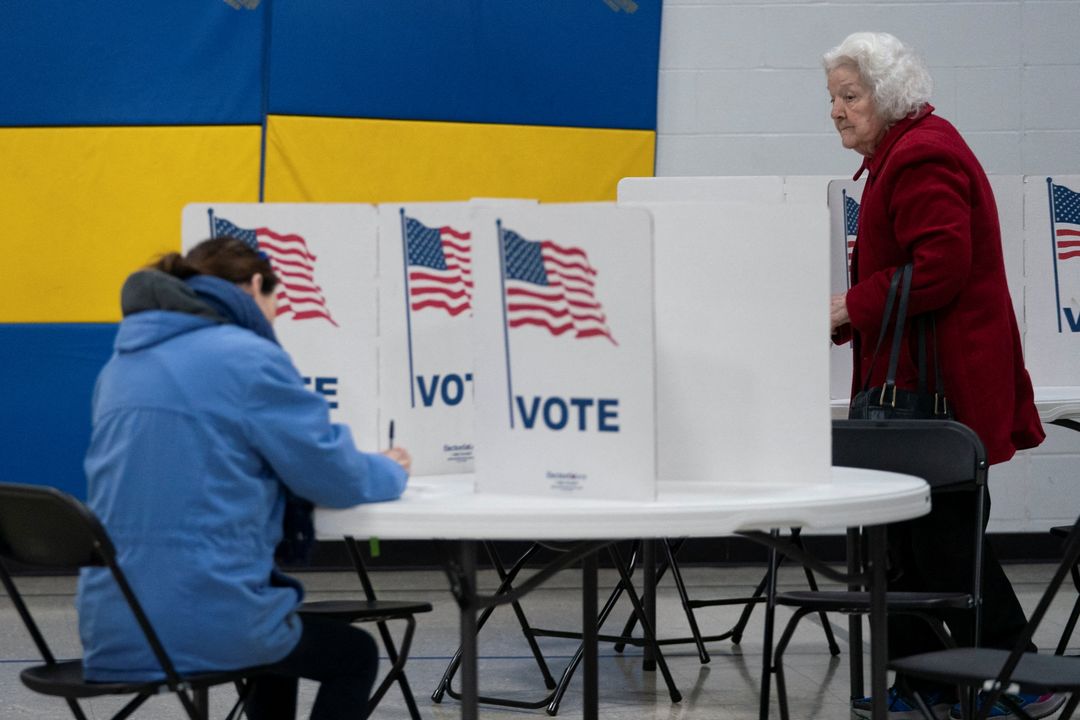
That tension was evident on Tuesday for Sarah Atkins Hoggatt, 61, who said she agreed with Hong on issues including Medicare for All but worried that Hong’s deeply progressive politics and the democratic socialist label would make it harder for her to defeat Republican Tom Tiffany.
"I voted for someone who I think has a better chance" to beat Tiffany, said Atkins Hoggatt, who sells construction materials and drainage systems. She voted for Crowley.
"I didn't vote my heart," she said.
Progressives scored a much clearer victory in Minnesota, where Lieutenant Governor Peggy Flanagan resoundingly defeated centrist Representative Angie Craig. Craig had the backing of House Democratic Leader Hakeem Jeffries, former Speaker Nancy Pelosi and several senators from battleground states.
Flanagan had her own powerful allies, including Sanders, Senator Elizabeth Warren and outgoing Minnesota Senator Tina Smith, who rallied with her in the campaign's final weeks.
Her campaign highlighted Craig's support from wealthy donors and criticised her vote for an immigration bill backed by President Donald Trump.
As in Michigan, the winning progressive candidate was significantly outspent.



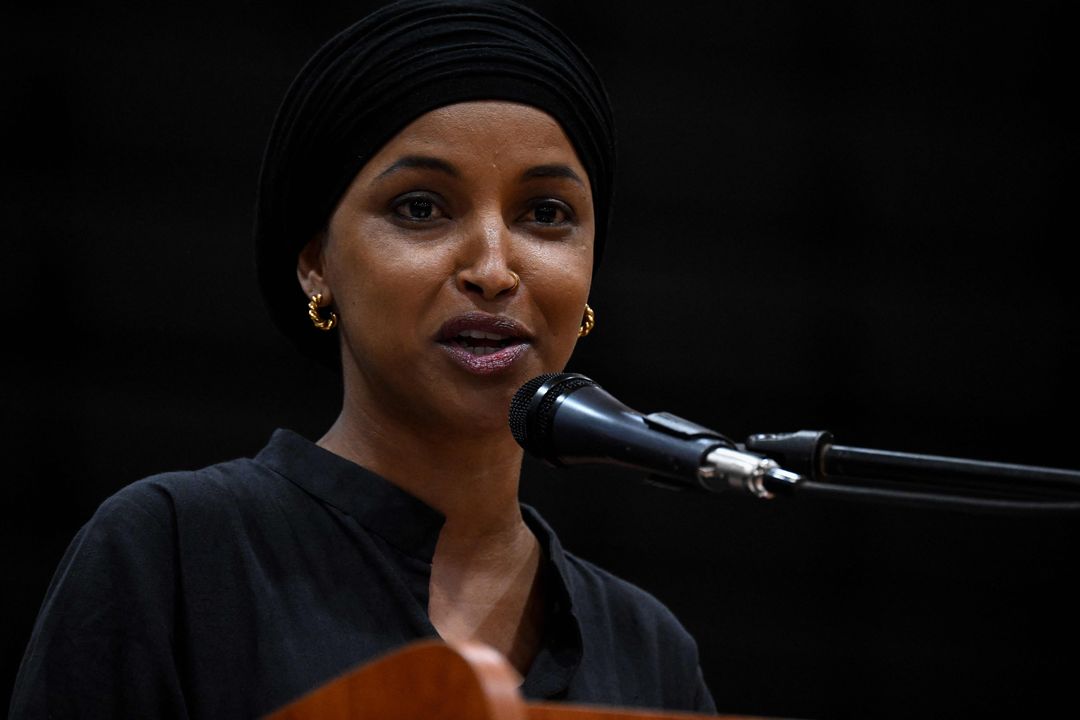
"For months now, I have been telling you that this campaign was about the many versus the money," Flanagan said as she celebrated her victory in Minneapolis. "Well guess what? The many just won."
The contrasting results in Minnesota and Wisconsin mean the November general elections will provide another test of the candidates' electoral support beyond Democratic primary voters.
Flanagan is 46 years old. Crowley is 40. And El-Sayed is 41. But nowhere was generational change a more prominent campaign theme Tuesday than in Connecticut.
Bronin, 47, defeated the 78-year-old Larson. A central theme of Bronin's campaign was the need for a new generation of leadership in Washington, an argument that helped him win the state Democratic Party’s endorsement months before his decisive primary victory.
"The goal is to shake things up in Washington DC, and we are just getting started," Bronin said after his victory. He was a sophomore at Yale when Larson was first elected to Congress in 1998.
Larson became the seventh Democratic House incumbent to lose a primary this year, many of them to younger challengers. The defeated incumbents and the Democrats replacing them span ideological lines, making the wave of losses difficult to explain simply as a shift to the left.
The push for generational turnover has taken on greater urgency since Democrats' defeats in 2024, when concerns about President Joe Biden's age ultimately ended his reelection campaign and forced the party into an uncomfortable reckoning over a generation of leaders who had remained in power for decades.
Bronin himself has connected his challenge to that experience. Earlier this year, he argued that Democrats needed "new members of Congress, new Democratic leaders who have the energy and courage and clarity of mission that this moment demands."
That sentiment was evident among voters in Larson’s district as well. Dan Schnaidt, a 73-year-old Democrat, told The Associated Press months before the primary that he appreciated Larson's service but believed it was time to move on.
"It's time for new blood, for new ideas," Schnaidt said.
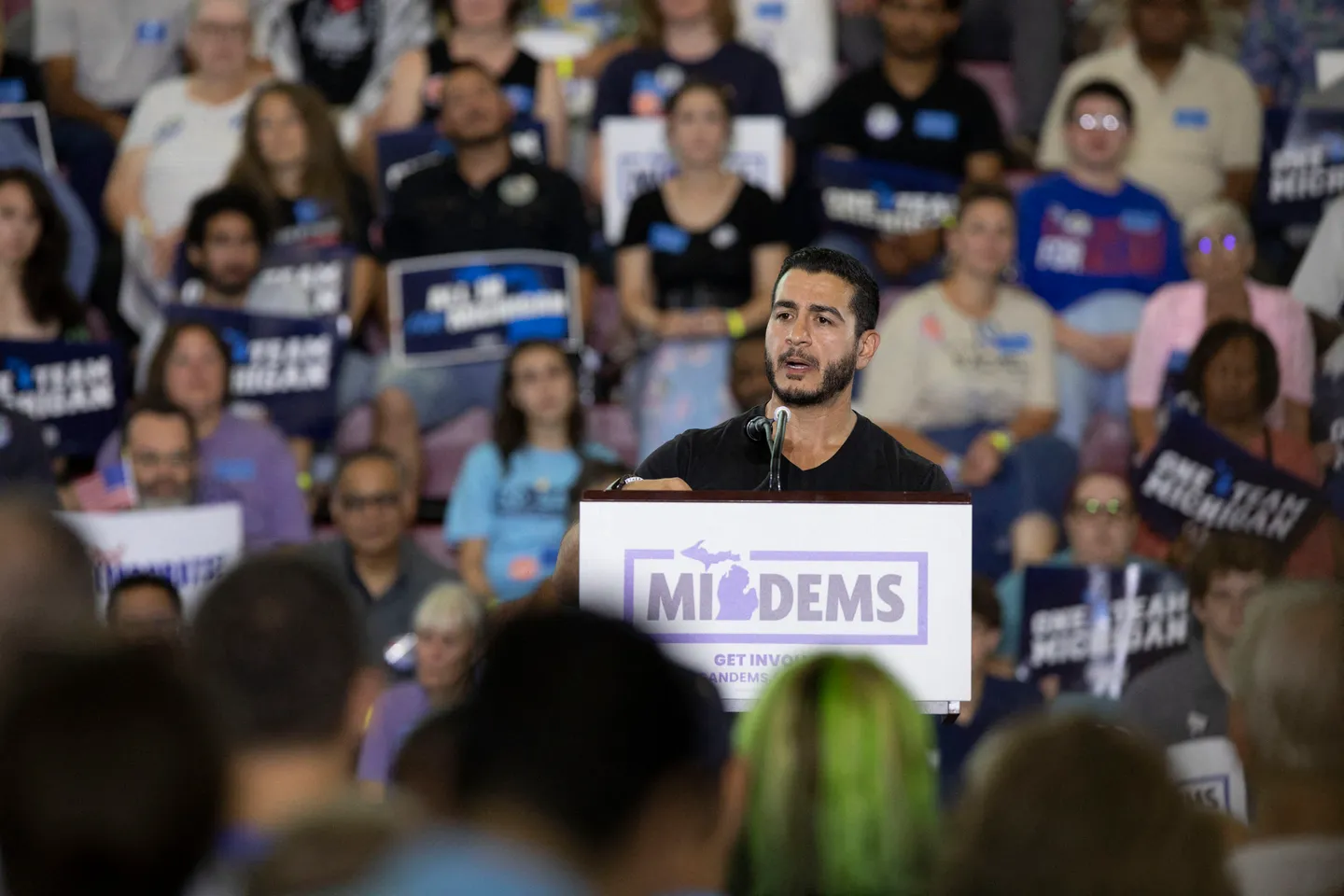
El-Sayed's win
The generational divide extends to the electorate. While Hong fell just short in Wisconsin, her performance also showed significant support among younger voters.
Cody Chandler, a 35-year-old software engineer, voted for Hong and called her "probably the most exciting candidate I've seen." Unlike in elections past, Chandler said, he voted for the candidate he most wanted to win rather than the one he considered most electable.
Jesse Heer, a 32-year-old Madison business owner, also backed Hong, citing her focus on affordability as the top reason for his vote.
That support showed up geographically. Hong won Madison, home to the University of Wisconsin’s flagship campus, by nearly 7 percentage points, though it wasn't a big enough of a margin to help her win the nomination.
A similar pattern was seen in El-Sayed's victory a week earlier in Michigan.
El-Sayed won Washtenaw County, home to the University of Michigan, by nearly 25 percentage points and Ingham County, home to Michigan State University, by 23 points. He also won Grand Rapids, with its large population of younger, college-educated voters, by nearly 26 points.
Jordan Snyder, a 20-year-old Michigan voter who supported El-Sayed, said she backed him because of his progressive positions and because she viewed him as trustworthy.
"People are feeling like a lot of the people that they've trusted that have been in government haven't really been living up to expectations," Snyder said.