 Kazim Alam
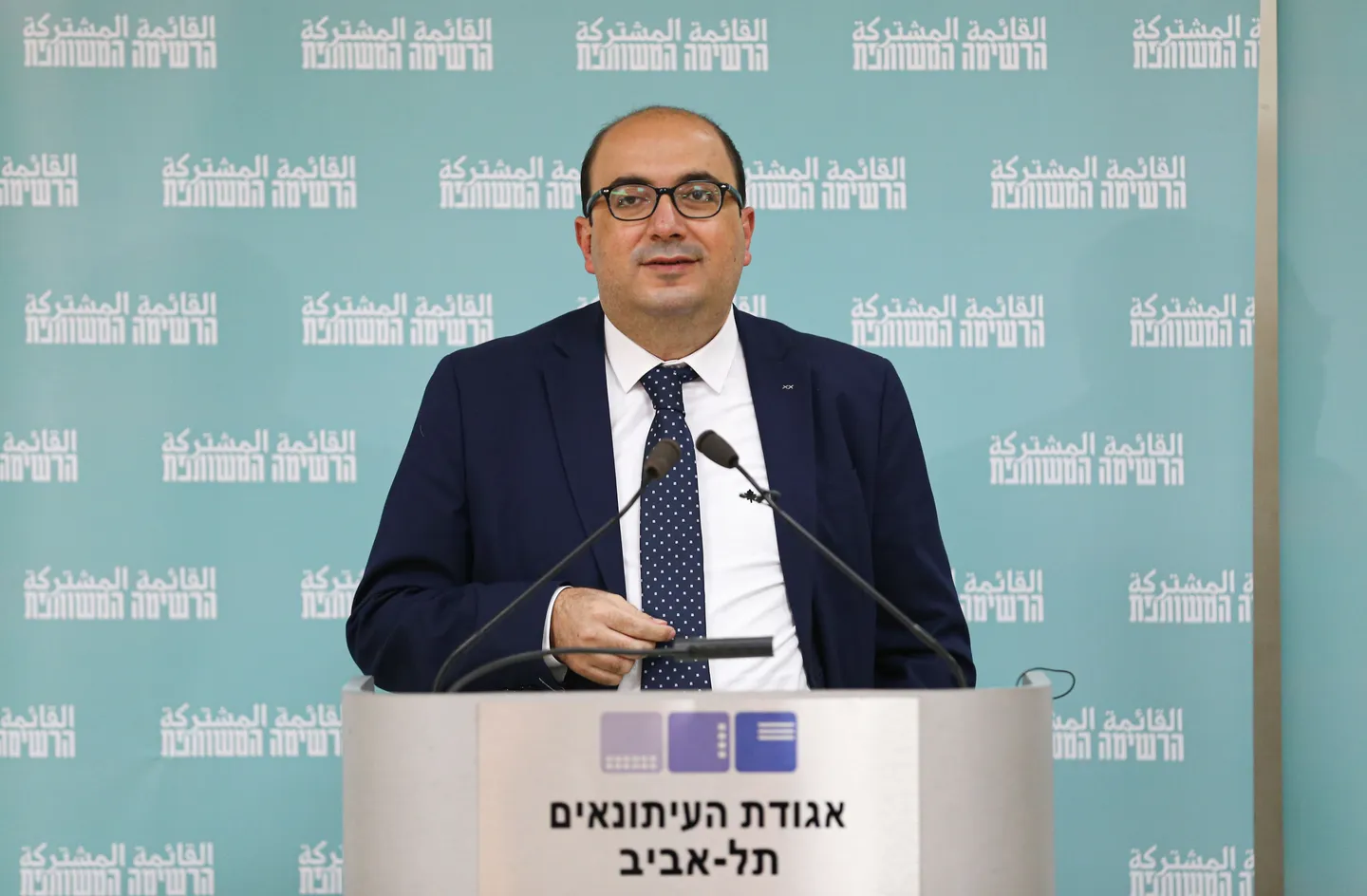
Sami Abu Shehadeh, chairman of the Arab nationalist Balad party, has pulled out of the October 27 elections in Israel not because he feared defeat.
He dropped out of the crucial race because Israel’s highest court told him that he must quit on his own or face disqualification.
Abu Shehadeh, whose party is among the handful of Arab groups vying for Palestinian-Israeli votes, says he withdrew his candidacy for the Knesset only after Supreme Court President Isaac Amit made it clear that the nine-judge panel would accept a disqualification application brought by far-right National Security Minister Itamar Ben-Gvir.
“I didn’t have any other choice,” he tells TRT World.
Israel’s Central Elections Committee, which is dominated by party representatives and controlled by the governing coalition, had already voted to bar him.
Under Israeli law, disqualifying an individual candidate still requires Supreme Court approval.
“It was made clear for us yesterday (in court) that there are two kinds of law according to the identity of the citizen,” he says.
“There’s the law for the Jewish population, and there’s the law for the Arab Palestinian minority, who represent 20 percent of the population in Israel,” Abu Shehadeh says.
His dropping out is a result of an elaborate plot by Zionist parties to oust all representatives of Palestinian Israelis from the electoral race.
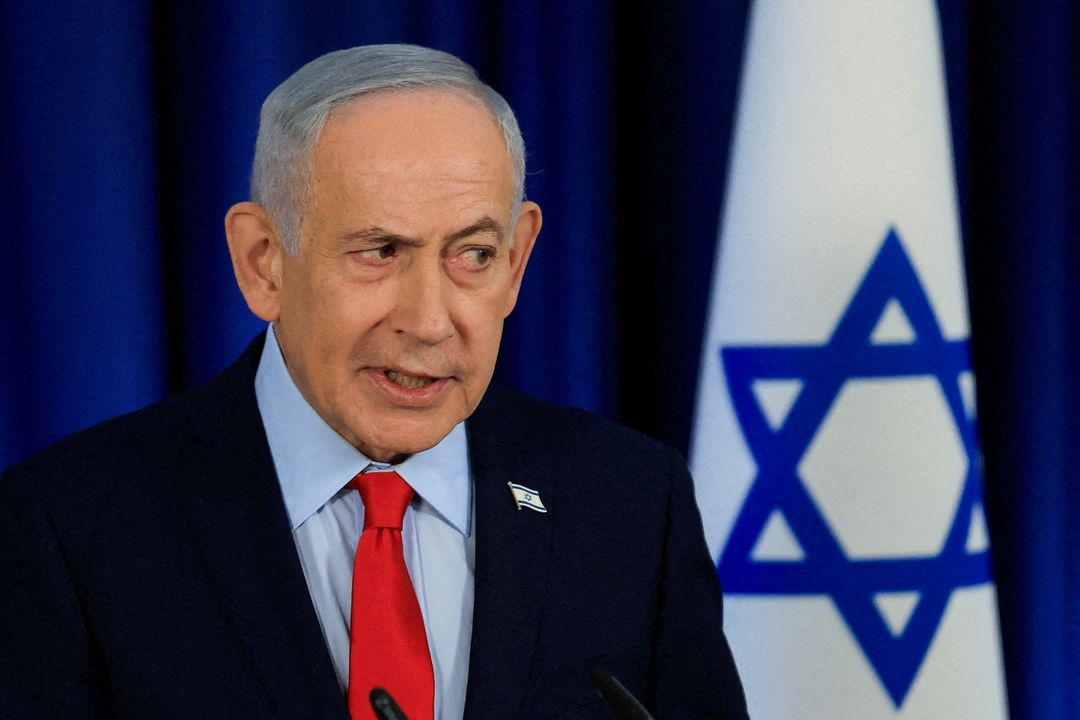
Pre-election public polls show Netanyahu’s ultra-right bloc is unlikely to win a 61-seat majority in the 120-member Knesset to form a government.
The Zionist opposition, led by former chief of Israeli forces Gadi Eisenkot and ex-premier Naftali Bennett, is also expected to fall short of the 61-seat threshold needed to form a government.
This means either political bloc will need support from Arab parties – typically backed by Palestinian citizens of Israel – to form a government.
“The issue is not a personal issue. The issue is that in Israel, the High Court of Justice has no justice,” he says.
Last week, the Central Elections Committee moved against the only two “lists” with roots among Palestinian Israelis.
Israeli elections use nationwide proportional representation, which means voters don’t vote for a particular member of the Knesset.
Instead, they vote for a “list”, which is the official slate of candidates that each party submits to the election-holding body. Sometimes, multiple parties form an alliance and contest elections under a “joint list”.
The two Arab-majority lists are the Joint List – an alliance of Balad, Hadash and Ta’al – and Ra’am, the party of Mansour Abbas, who previously served as deputy chair of the Knesset.
Hadash lawmaker Ofer Cassif was also targeted alongside Abu Shehadeh.
“We had a day which we called the disqualification of the Arabs,” he says.








A matter of interpretation
The official case against Abu Shehadeh rests on an article he wrote on October 8, 2023, one day after Palestinian resistance group Hamas led a blitz into Israel.
According to the Israeli attorney general, the article amounted to support for armed struggle against Israel.
Ben-Gvir, the far-right minister of national security, argued the case against Abu Shehadeh in person.
Abu Shehadeh rejects that framing. “I was disqualified for writing an article that they did not like,” he says.
“As a human rights activist who has been fighting for peace, justice, and equality for all for more than 30 years of my life, I was disqualified because I wrote an article that they did not like reading, or did not like its interpretation, according to their language.”
He describes the hearing as an attempt to police not only who may run for office, but how Palestinian politics is conducted.
“I had the feeling that yesterday in the Supreme Court in Israel, not just that they don’t want to keep a voice against the occupation, against the genocide, against all the war crimes which has been committed against my people – they also wanted to enforce on us their terminology, their narrative and their language in how to read politics and what to do in politics,” he says.
He says the Israeli premier wants to disqualify all of the Arab parties from the elections.
“Netanyahu is terrified of the Arab parties because he knows that we are against him and against his policies,” he says.
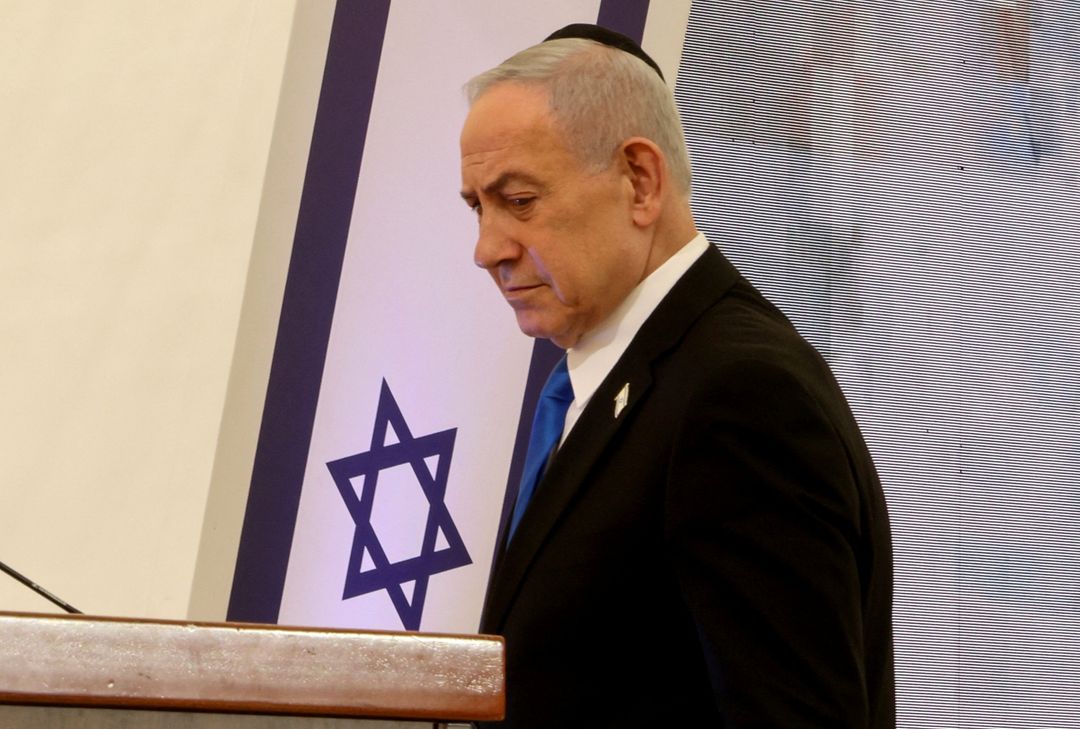
Abu Shehadeh’s answer to the Zionist designs for keeping Palestinian Israelis out of the Knesset is ensuring a higher turnout among his community.
“The numbers clearly prove that the biggest challenge for Netanyahu and his fascist coalition… is the percentage of voting within the Arab Palestinian minority,” he tells TRT World.
He says he will spend the remaining weeks up to election day “struggling to raise the votes for the joint list in order to prevent the current fascist Israeli coalition from coming back to rule again”.
He calls Netanyahu’s latest term in office the “most dangerous” government – not just for the Palestinians and for the Israelis, but also for the “whole Middle East”.
Far from suppressing the Palestinian Israeli vote, he predicts the opposite.
“I think now what has been done to me will make the people vote more, will raise the percentage of voting within the Arab-Palestinian minority,” Abu Shehadeh tells TRT World.
“I think that Netanyahu and Ben-Gvir are going to pay a very high price for the racist policies towards the Palestinian people.”