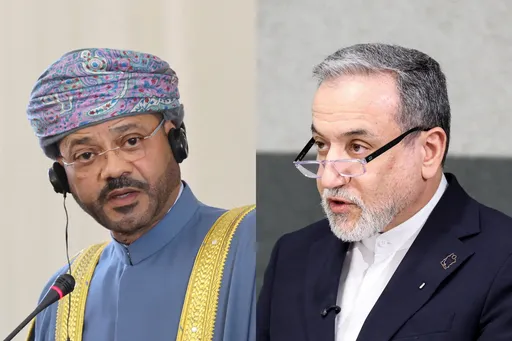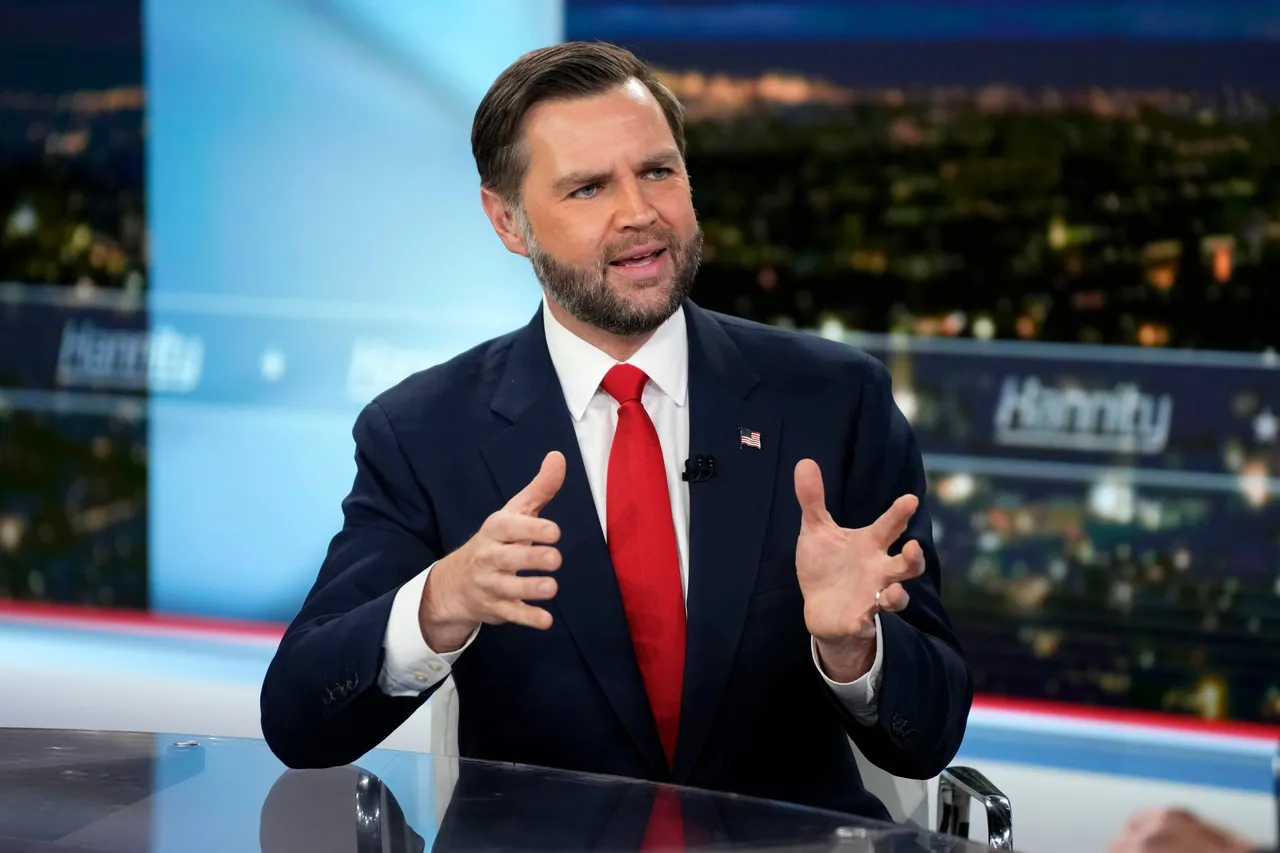
US Vice President JD Vance has said that the full text of the deal to end the US-Israeli war on Iran will be released on Friday "at the latest," emphasising that mediator Pakistan and Qatar have urged Washington to delay its public release.
"We want to tell the American people what's in this deal," Vance told US broadcaster CBS News on Wednesday.
Vance said Qatari and Pakistani negotiators, who helped mediate the agreement, "asked us not to release the full text for a little while."
But he said "we're actually trying to push them to get it out today."
On Monday, Iran, the US, and Pakistan announced a memorandum of understanding aimed at ending the war in the Middle East.
The conflict began on February 28, when the US and Israel launched strikes on Iran that killed Supreme Leader Ali Khamenei, much of Iran's senior military and political leadership, and numerous civilians.
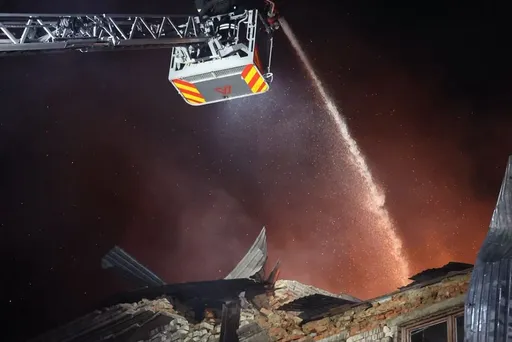
But Iran swiftly retaliated by asserting control over the Strait of Hormuz — the narrow chokepoint through which one-fifth of global oil once passed — and unleashing barrages of missiles and drones on US-allied Gulf countries, shattering the oil-rich nations' hard-earned reputation for stability.
The war has claimed thousands of lives, sparked a global energy crisis, and fuelled inflation in the US economy.
The memorandum brokered primarily by Pakistan and scheduled to be signed in Geneva on Friday, is expected to lift the blockade of both the Strait of Hormuz and Iranian ports.
The US and Iran will then begin two months of intensive negotiations on Tehran's nuclear programme and the possible lifting of sanctions.
$300B in reconstruction financing for Iran

Calling it "fundamentally a good deal for the American people," Vance said the deal would reopen the Strait of Hormuz "immediately" and provide a framework "whereby if the Iranians give us what we need on stopping the funding of terrorism, on no longer pursuing a nuclear weapon, then they can get some benefits, be reinvited into the world economy."
"When I say benefits, I'm talking about sanctions relief on their economy," he said.
"We've destroyed their nuclear programme, but one of the things the president is trying to do is give them the incentive not to try to rebuild that programme for the long haul."
When asked whether the deal would include at least $300 billion in reconstruction financing for Iran, the lifting of all sanctions against Tehran, and the release of all frozen funds, Vance said that "none of those things flow to Iran unless Iran fundamentally changes how it behaves with the world."
"What the president is really saying is, if Iran fundamentally transforms how it deals with the United States and the region, the rest of the world, then Iran can get some economic benefits," the US vice president said.
Media reports, and Lebanon
Meanwhile, the White House on Wednesday dismissed media reports claiming to detail specific terms of the peace deal, saying the documents circulated by news outlets do not accurately reflect the official agreement.
"The supposed text of the MOU (memorandum of understanding) that was obtained by CNN does not reflect the language of the actual MOU," White House Director of Communications Steven Cheung wrote on X.
His remarks follow widespread reports from major organisations, including Bloomberg and CNN, claiming they had reviewed the document.
Media reports this week indicated that Iran will be allowed to immediately sell oil and fuel under the deal, with sanctions waivers taking effect upon the signing of the agreement, with the in-person signing set for Friday.
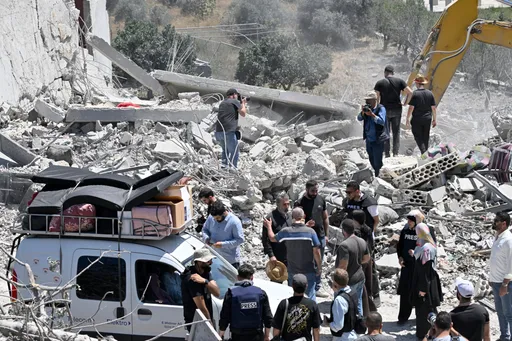
Meanwhile, Israel has been expanding its invasion on Lebanon that began on March 2, which has left thousands killed and wounded and more than 1 million displaced, according to official figures.
Iran says that the continuing presence of Israeli troops in Lebanon would be a violation of the US-Iran agreement set to be signed on Friday. Pakistan says Lebanon is part of US-Iran deal.
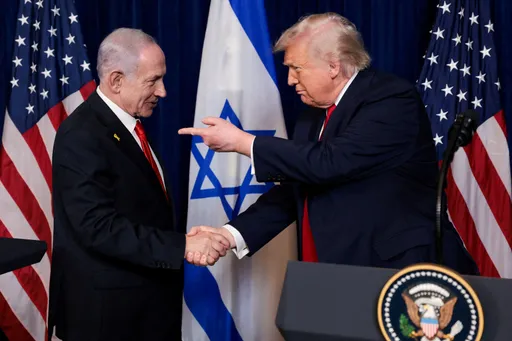
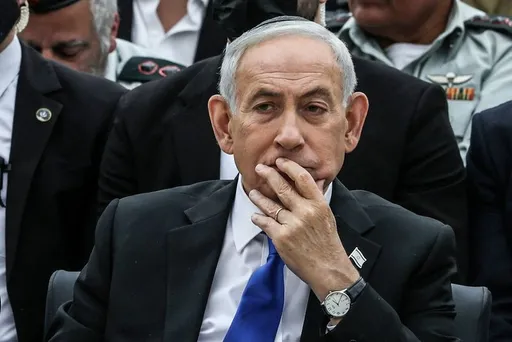
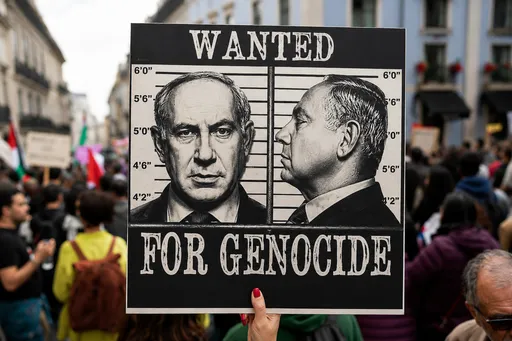
Israel says "Trump's agreement does not bind us", while US President Donald Trump has lashed out at Israeli Prime Minister Benjamin Netanyahu's handling of Israel's "minor war" against Hezbollah in Lebanon, voicing frustration that the parallel conflict was complicating his efforts to end the "major war" with Iran.