 Kazim Alam
Less than two hours before a US deadline to bomb Iran to smithereens, Pakistan quietly brokered a two-week ceasefire that pulled Tehran along with the broader region from the brink of a potential apocalypse.
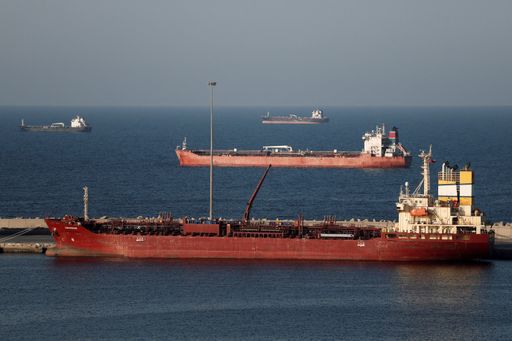
Announced just 90 minutes before President Donald Trump’s 8pm Washington deadline on April 7, the agreement halted US/Israeli attacks, set the stage for the reopening of the strategic Strait of Hormuz, and paved the way for face-to-face talks in Islamabad between Washington and Tehran on April 10.
What made the breakthrough – hailed by leaders from around the world – possible was not multilateral summits or public statements. Rather, it was old-fashioned shuttle diplomacy by Pakistan, conducted through “encrypted messaging apps”.
Field Marshal Asim Munir, Pakistan’s chief of defence forces, spearheaded the effort, according to Baqir Sajjad Syed, an Islamabad-based foreign affairs commentator with deep diplomatic connections.
“(Munir) had direct calls with US and Iranian interlocutors and also steered the final understanding,” he tells TRT World.
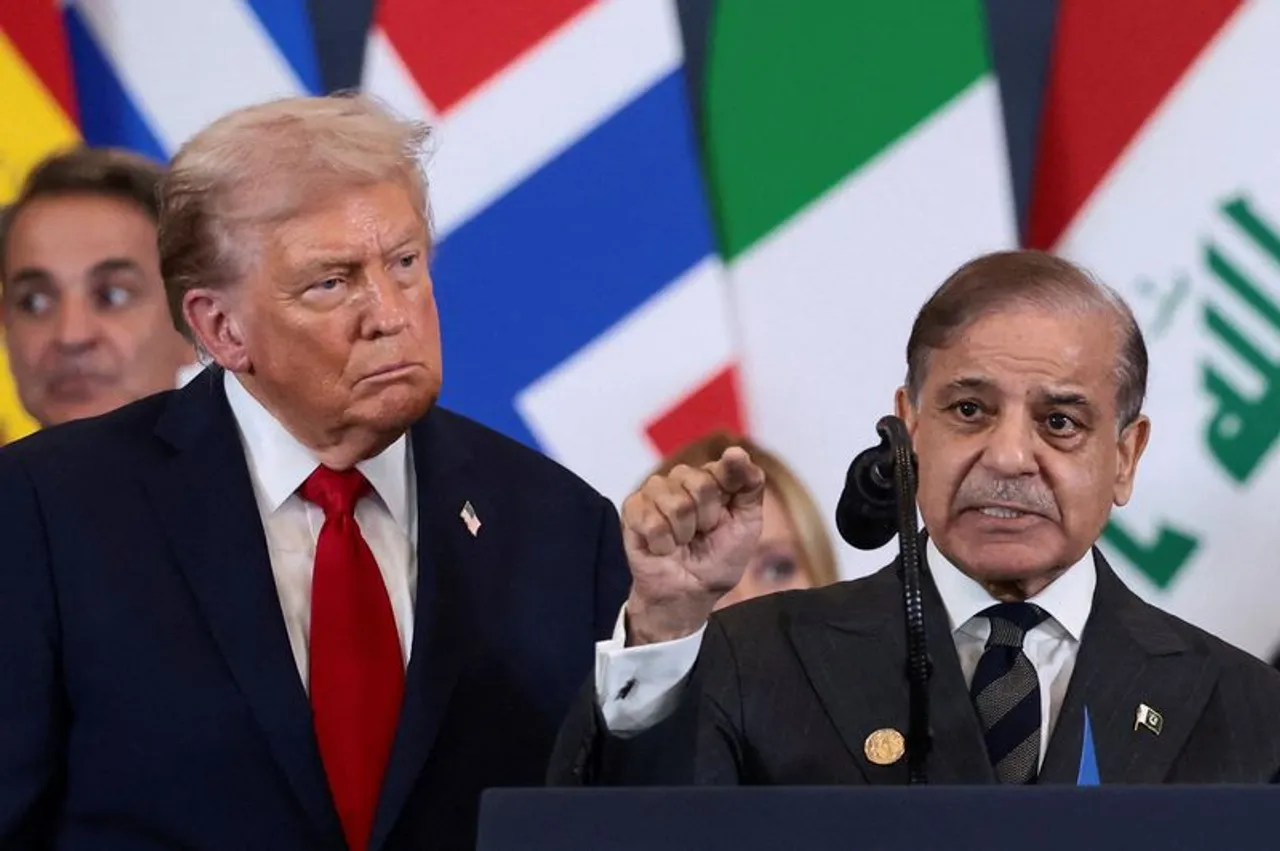
Pakistan’s Prime Minister Shehbaz Sharif provided the political cover, while Ishaq Dar, who holds the dual offices of deputy prime minister and foreign minister, coordinated regional backing from countries such as Türkiye, Saudi Arabia, and Egypt.
“On some occasions, (Iranian) President Pezeshkian also engaged with Prime Minister Sharif,” he says.
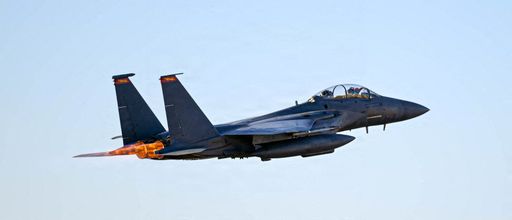
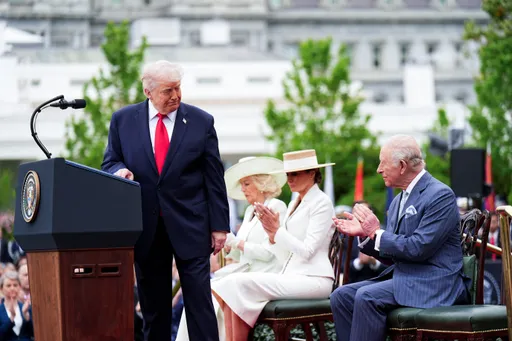
US President Trump has developed unusually warm relations with Pakistan in his second stint at the White House. He has publicly praised both Munir and Sharif on multiple occasions, while taking credit for ending the four-day war with India, which brought the two South Asian countries head-to-head in the world’s biggest aerial battle of the last 80 years.
From the Iranian side, Foreign Minister Abbas Araghchi served as the primary point of contact for Pakistani intermediaries, Syed says.
The top Iranian diplomat would, in turn, coordinate with the secretary of Iran’s Supreme National Security Council, the top body responsible for the country’s defence matters, including nuclear policy.
On the US side, Special Envoy for the Middle East Steve Witkoff was the key negotiator, even though Trump and Vice President JD Vance also “spoke directly with Munir” at critical junctures.
Embassies in Islamabad were kept at arm’s length for most exchanges, though Pakistani officials occasionally called diplomats to the military’s General Headquarters to convey urgent messages, Syed says.
The conversations, both voice and text, took place rapidly through encrypted apps: WhatsApp with the Iranians and Signal with the Americans.
“This format allowed rapid, deniable shuttling without loss of time or public exposure,” Syed says.
There were no formal rounds of talks to count. “It was a classic backchannel style with continuous shuttling rather than formal sessions,” he says.
The negotiation process escalated from exploratory contacts in March to a decisive push on April 6 and 7, coinciding with Trump’s extended deadline for attacking Iranian energy infrastructure.
Pakistan proposed the two-week framework, which serves as a “pragmatic compromise to buy enough time” for de-escalation and the first round of talks scheduled for April 10, “without appearing as an open-ended concession”.
Neither side pushed for a shorter one-week pause, which would have been too tight for substantive negotiations, nor for three weeks or more, Syed says.
Trump accepted the proposed two-week duration, so did Iran.
Painstaking diplomacy at work
Praising Pakistan’s role in the ceasefire, former Italian premier Paolo Gentiloni demanded the Nobel Peace Prize for Pakistan.
Leaders from Türkiye, Indonesia, Malaysia, Japan, Germany, Australia, and New Zealand also acknowledged Pakistan’s contribution to the peace process.
India is probably the only country that appeared to be uncomfortable with Pakistan’s emergence as a regional peacebroker.
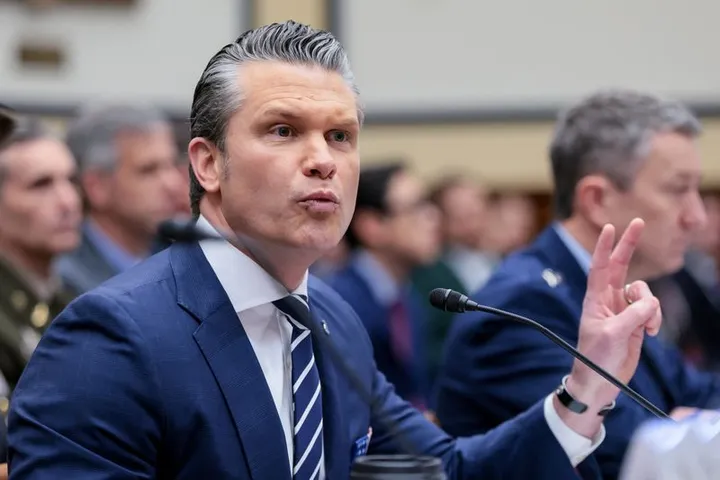
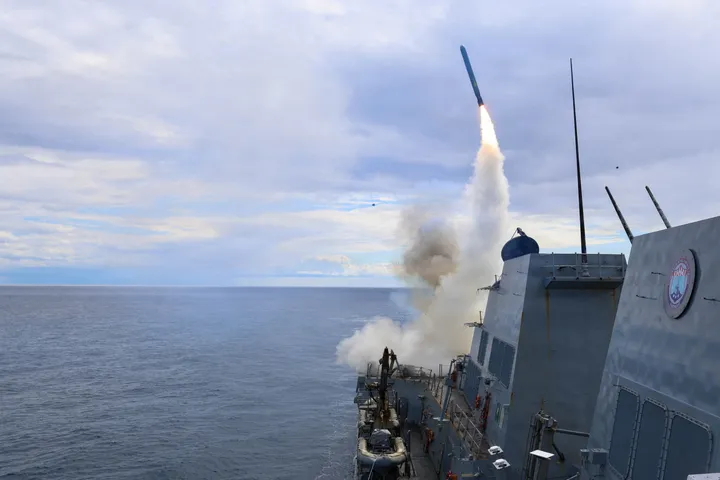
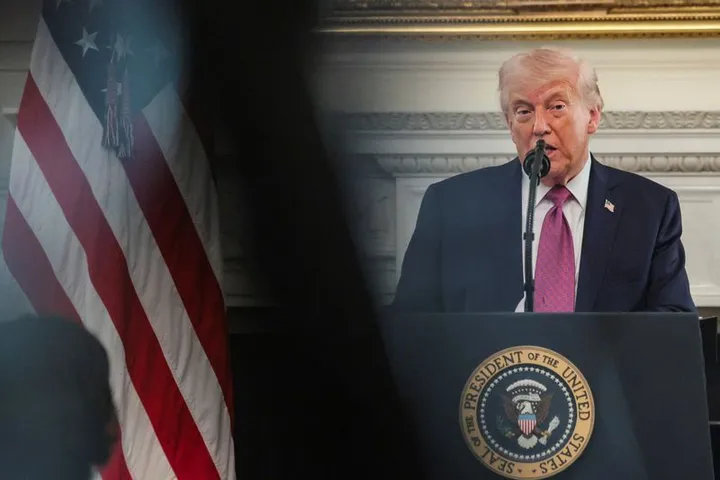




New Delhi has welcomed the ceasefire, but the latest statement follows attempts by senior members of Prime Minister Narendra Modi’s government to downplay the rising diplomatic stature of Pakistan.
The leverage that made Pakistan the only credible broker has been its “excellent relations” with both the US and Iran, according to Fahd Husain, a political analyst who previously served in PM Sharif’s cabinet as his special assistant.
“These relationships were built over time through painstaking diplomacy and patience,” Husain tells TRT World.
It paid off in a “big way” because of the relevance of Pakistan as a neighbour of Iran deeply invested in keeping the region safe from war.
“It ensured that Pakistan had the kind of leverage that no other country had,” he says.
That trust, forged over years with both parties, proved decisive in the final hours of the looming US deadline to bomb Iran.
Trump publicly credited conversations with Sharif and Munir for his decision to suspend strikes.
Similarly, Iranian officials also acknowledged Pakistan’s role in brokering the ceasefire.
Pakistan even ensured that Washington took responsibility for Israeli buy-in.
Husain was categorical in stating that there was “absolutely no way” that Pakistan would be in direct touch with Tel Aviv.
“All our diplomacy was going through the US. The US took the responsibility for ensuring that the final terms were acceptable to Israel as well,” he says.
However, a subsequent statement by the Israeli prime minister that Lebanon was not part of the ceasefire only underscored the delicacy of the arrangement.
On the US side, Trump and his team maintained a hawkish maximum-pressure posture, but proved pragmatic when the costs of missing the final off-ramp became clear, Syed says.
Vance, by contrast, was seen as relatively dovish, he adds.
On the Iranian side, Araghchi and Pezeshkian pushed for de-escalation, while the Revolutionary Guards (IRGC) – the most powerful branch of the Iranian armed forces that directly answers to the supreme leader – resisted until the last moment, Syed notes.
What next?
Talks scheduled for April 10 in Islamabad will be crucial, Hussain says.
“These are difficult negotiations and it would be unrealistic to expect that they would deliver results immediately,” he says.
Yet, the very fact that Washington and Tehran will sit across the table in the Pakistani capital keeps Islamabad at the global centrestage.
“Pakistan’s role remains very much central and is likely to remain so till a final negotiation and a deal is confirmed, accepted and signed,” he adds.
Given the success of its diplomacy and its relationships across the board, Pakistan’s role is likely to extend beyond the ceasefire period.
“It will remain the centre of everything that goes on in this region for a long time now,” Husain says.