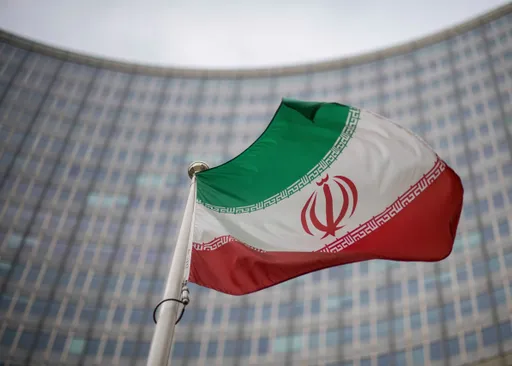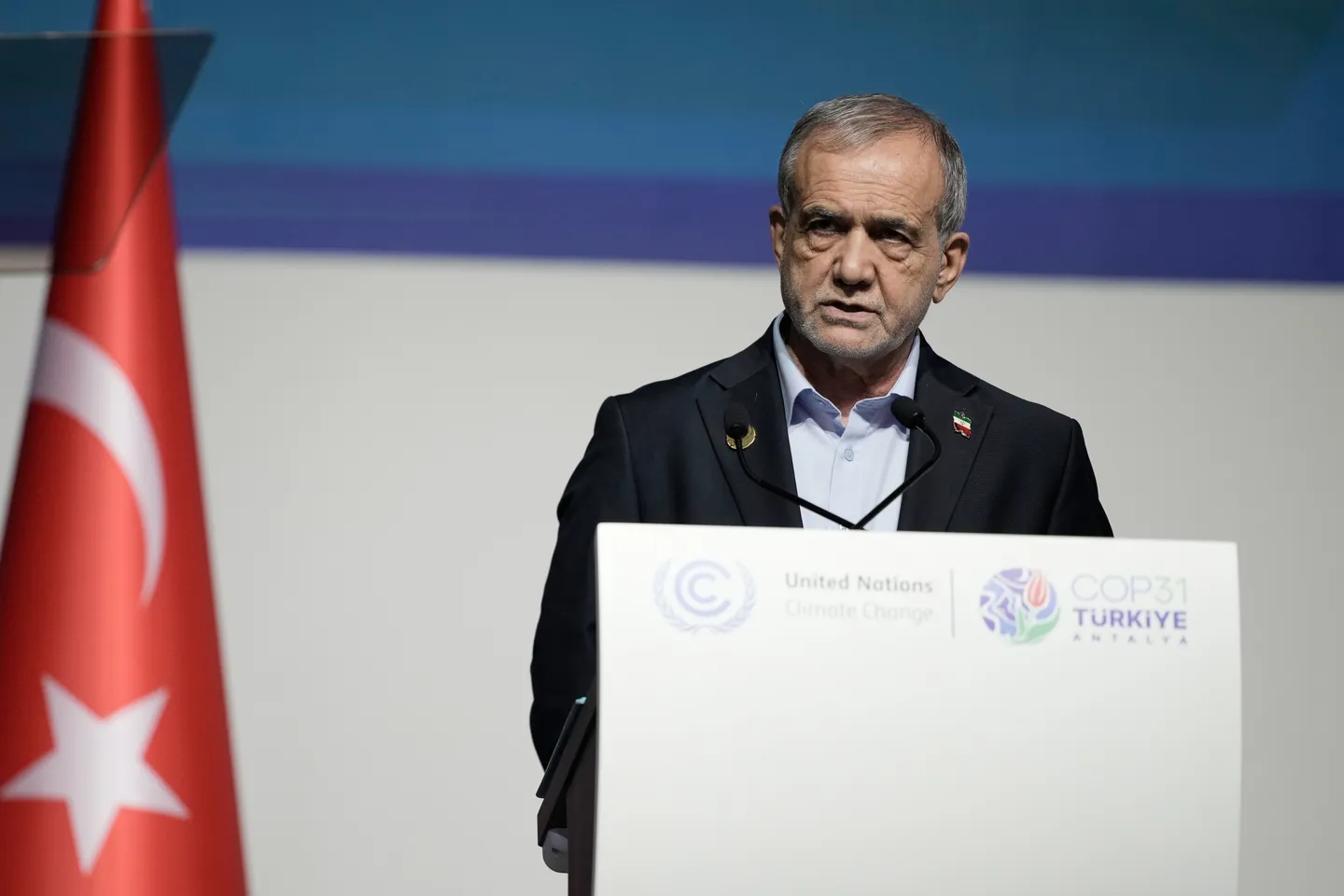
Iranian President Masoud Pezeshkian has said that US and Israeli attacks on fuel facilities in Iran released 1.5 million tonnes of carbon dioxide into the atmosphere, causing extensive environmental damage.
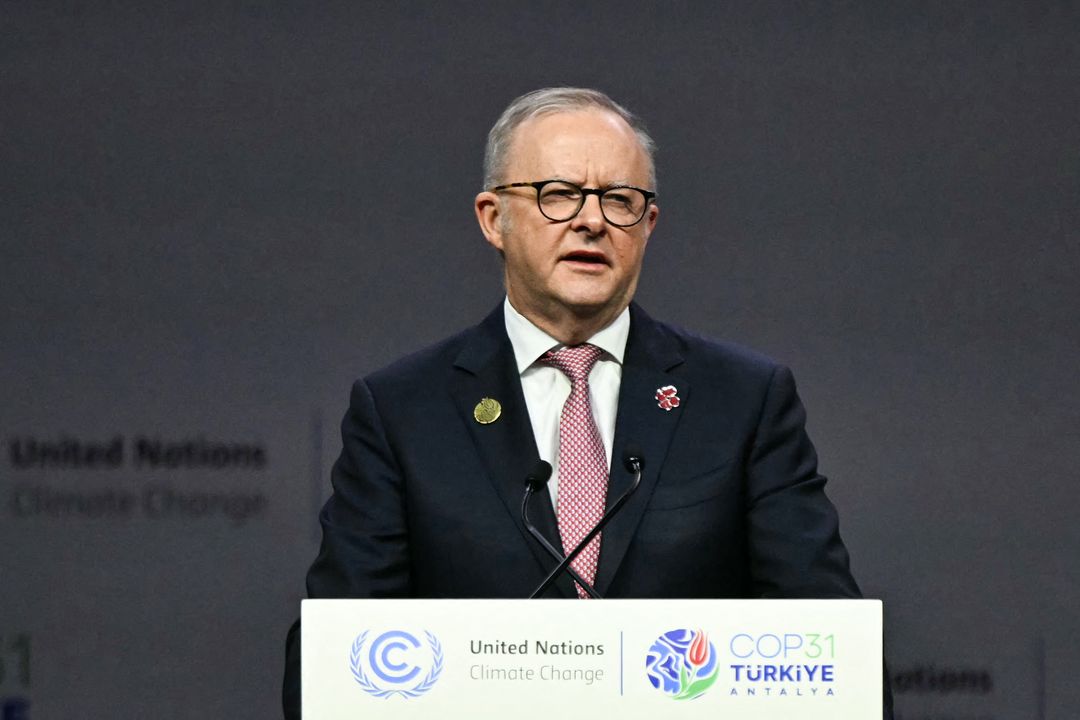
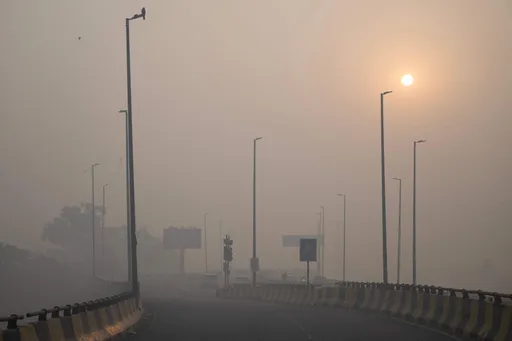
Pezeshkian said at the COP31 UN climate summit in Türkiye on Wednesday that attacks on fuel facilities in Asaluyeh released 500,000 tonnes of carbon dioxide. In comparison, strikes on fuel storage tanks near Tehran produced another one million tonnes.
Israeli strikes targeted oil storage facilities in Tehran on March 7, while gas processing facilities in Asaluyeh in southern Iran were hit on March 18.
The president accused Washington and Tel Aviv of causing severe environmental destruction during the military offensive, which began February 28.
He said the attacks highlighted a contradiction between international efforts to reduce greenhouse gas emissions and military operations that destroy infrastructure, trigger widespread fires and release pollutants into the atmosphere.
Pezeshkian also condemned Israel's military operations in Gaza, saying the territory was facing a humanitarian and environmental catastrophe due to the destruction of infrastructure, water resources and ecosystems.
Calling for international accountability
Iranian president also said attacks on Iranian protected areas and environmental ranger stations damaged natural resources and threatened future generations.
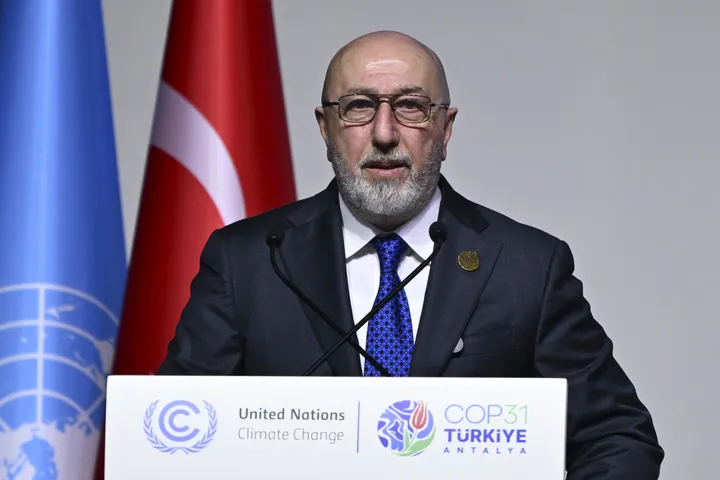
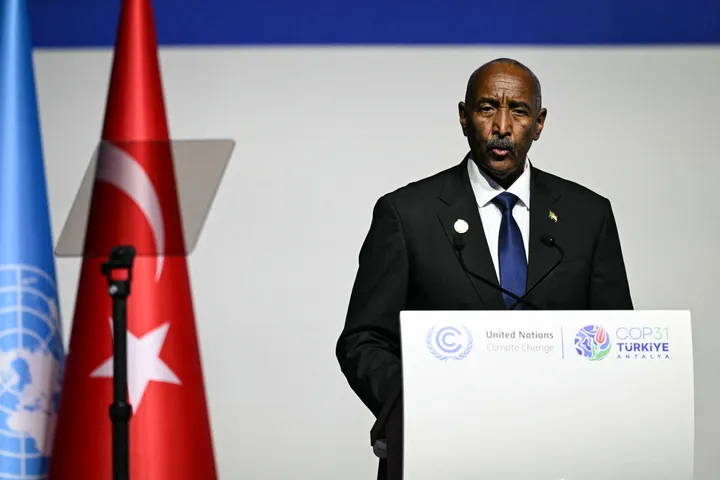


Calling for international accountability, Pezeshkian urged organisations to document environmental damage caused by US and Israeli military operations in Iran and Gaza and establish mechanisms for compensation.
He also highlighted Iran's renewable energy development, saying the installed capacity increased from 1,250 megawatts to more than 6,150 megawatts during the last two years.
Iran generated more than 4.5 billion kilowatt-hours of clean electricity in 2026, preventing 2.5 million tonnes of carbon dioxide emissions, according to Pezeshkian.
He stressed that peace and environmental protection were inseparable, saying lasting peace was essential to safeguarding the planet.
The US and Israeli attacks triggered a war that has caused widespread casualties and damage to infrastructure. Diplomatic efforts involving regional mediators have since sought to end the hostilities.
Türkiye is hosting the COP31 UN climate conference in the Mediterranean resort city of Antalya from November 9 to 20, bringing together world leaders and climate negotiators to discuss emissions reductions, climate adaptation and financing.