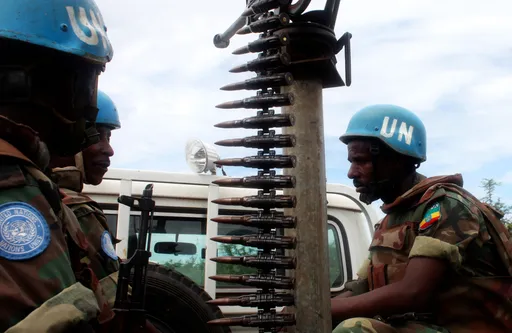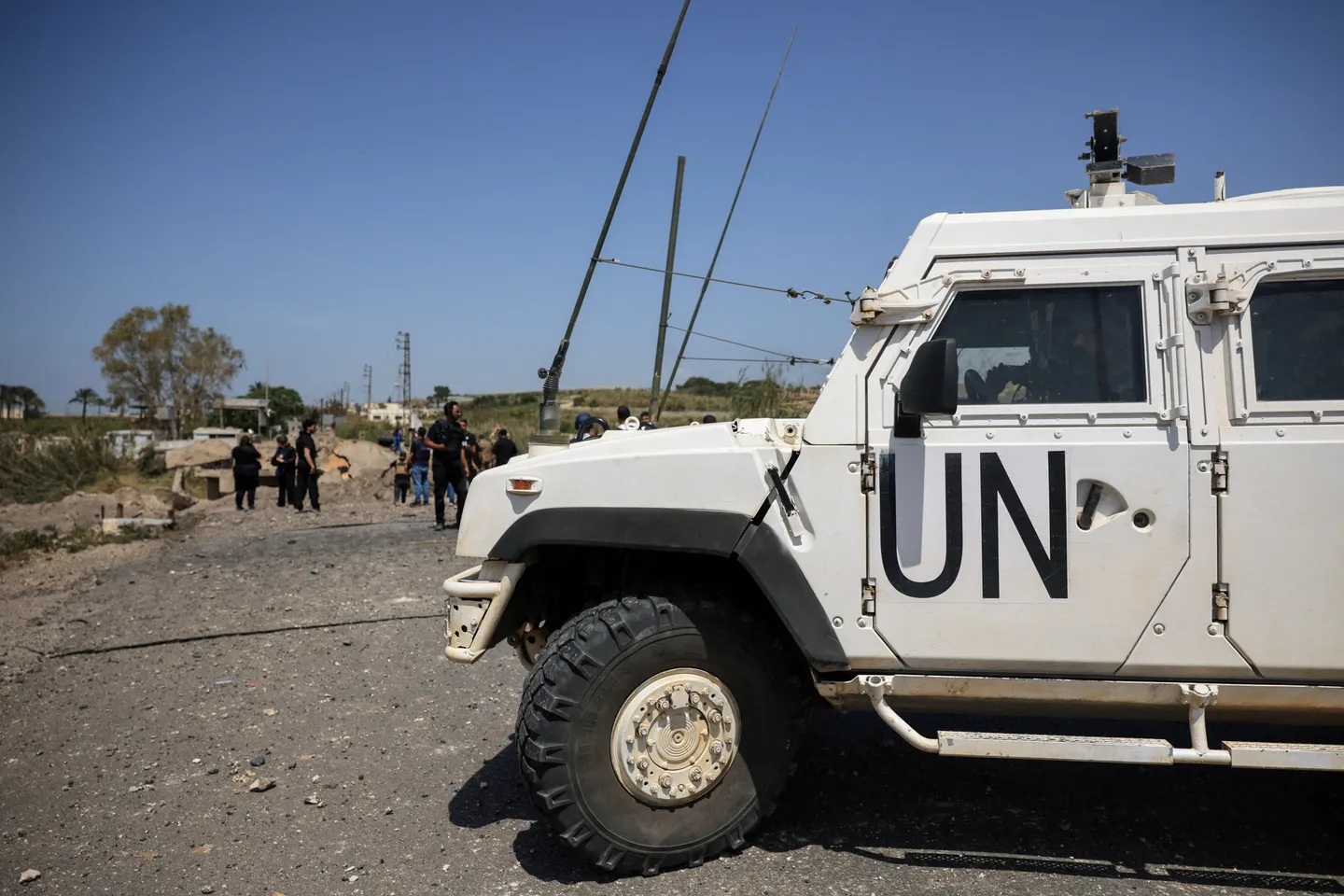
The UN Interim Force in Lebanon (UNIFIL) said on Monday night that peacekeepers continue to report “extensive destruction” of civilian infrastructure across southern Lebanon, warning that entire neighbourhoods have been wiped out and some destruction appears “systematic rather than selective.”
UNIFIL spokesperson Kandice Ardiel told UN Radio that peacekeepers had documented widespread damage and destruction from Kafr Kila to Khiam and Naqoura.
Israel has launched extensive attacks on Lebanon since March 2, claiming they targeted Hezbollah, while the Lebanese group responded with attacks against Israel. The violence effectively ended the ceasefire deal that had been in place since November 2024.
“Homes and businesses, schools and hospitals and other critical infrastructure like roads, electricity and water networks” have been damaged or destroyed, Ardiel said.
“It’s hard to overstate the devastation that some communities have seen. Entire neighbourhoods have been wiped out,” she added.
She also said peacekeepers had expressed concern about cases in which “the destruction appears to be systematic rather than selective.”
Ardiel warned that the impact goes beyond physical damage, pointing to displacement, loss of property and livelihoods, disruption of community networks, and a diminished sense of security.


She said the destruction could have long-term consequences for civilians’ ability to return to their communities and rebuild their lives.
“Any durable peace depends on strong and stable communities, communities where people can have hope for the future,” she said, warning that diminishing that hope would make the future more unstable for families living and working on both sides of the Blue Line.
Ardiel said UNIFIL’s primary role in southern Lebanon is to support the implementation of UN Security Council Resolution 1701 and help restore security and stability.
She said peacekeepers also support humanitarian organisations by coordinating their safe movement across southern Lebanon and, in some cases, providing escorts to help aid reach people in need.
UNIFIL also supports local communities through small-scale projects, including helping restore water infrastructure and providing school supplies, food, and hygiene items, she added.
“We firmly believe that Resolution 1701 remains the framework for achieving stability, but long-term stability can’t be built on rubble,” Ardiel said.