The uncertain future of the US-Iran ceasefire is raising alarm across global energy markets, as the risk of renewed attacks threatens already battered oil and gas infrastructure across the Middle East.
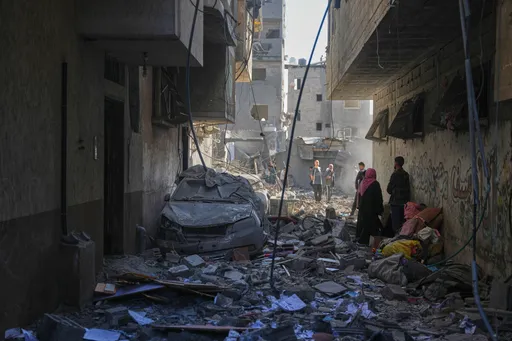
After weeks of war that have crippled key facilities and disrupted one of the world’s most vital energy corridors, analysts warn that even if fighting stops now, a full recovery could take years and cost tens of billions of dollars.
Since the conflict began in late February, more than 150 attacks have hit energy-related sites across the region, including nuclear facilities, according to data from the American conflict monitor Acled.
Billions of dollars needed for recovery
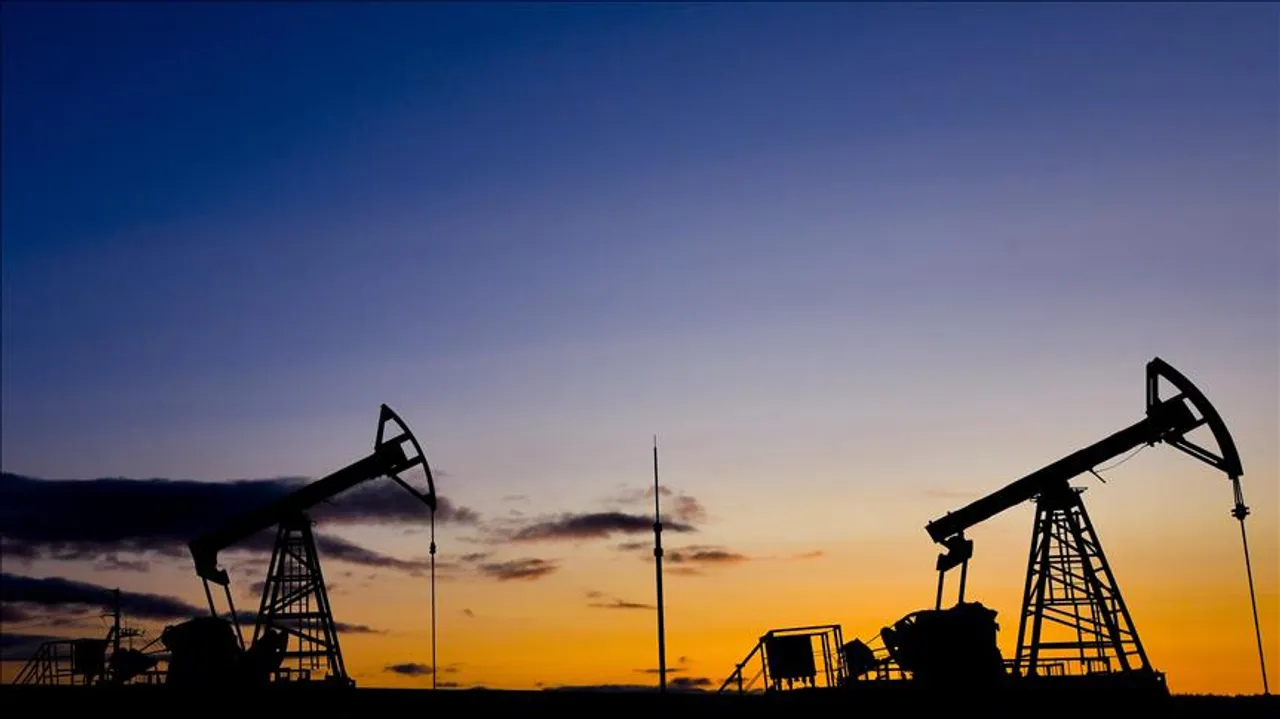
At least 44 oil and gas facilities — including depots, refineries and extraction fields — have suffered damage, along with around a dozen transport and export sites.
Energy consultancy Rystad Energy estimates total repair costs could range between $34 billion and $58 billion, with the most severe scenario putting oil and gas infrastructure repairs alone at around $50 billion.
“If the ceasefire is not extended, the long-term consequences of the war will be more serious,” said Arne Lohmann Rasmussen, an analyst at Global Risk Management.
He warned that liquefied natural gas (LNG), diesel and jet fuel are especially vulnerable to supply shortages if attacks resume.
Strait of Hormuz holds the key
The biggest factor in restoring normal energy flows remains the Strait of Hormuz — the narrow waterway through which about 20 percent of global oil and LNG supplies passed before the war.
But even if the strait fully reopens, analysts say supply will not bounce back overnight.
“It could take months, or even longer,” said Ole Hansen of Saxo Bank, pointing to displaced tankers, broken supply chains and overflowing storage tanks across Gulf producers.







“In the last seven weeks, the world has lost more than 500 million barrels of production,” he said.
Importing countries that tapped strategic reserves during the conflict will also need time to rebuild stockpiles, adding more pressure to already tight markets.
As a result, oil prices are expected to remain elevated, with Brent crude likely to stay between $80 and $85 a barrel — well above the roughly $70 level seen before the war.
Uneven recovery across the Gulf
Analysts say the restart will vary sharply by country.
Around 70 percent to 80 percent of lost supply could return within weeks, according to Kpler analyst Homayoun Falakshahi, particularly in Saudi Arabia and the United Arab Emirates, where lighter crude and stronger infrastructure facilitate faster recovery.
But Iraq and Kuwait could take several months due to heavier oil grades that are harder to process and export.
Iran and Qatar face the longest road back.
Rystad estimates Iran has suffered the broadest damage across the highest number of facilities, with repair costs potentially reaching $19 billion.
In Qatar, missile strikes on the massive Ras Laffan industrial complex — the world’s largest LNG production site — have hit the heart of the country’s gas export network.
State-owned QatarEnergy said it lost 17 percent of export capacity, with repairs expected to take up to five years.
The prolonged disruption highlights how the fallout from the conflict could reshape global energy markets long after the missiles stop.