Thousands of Venezuelans were feared dead on Thursday after two powerful earthquakes wreaked havoc in and around the capital Caracas, trapping people beneath the rubble of collapsed buildings and setting off powerful aftershocks.
At least 164 people were confirmed dead and 971 injured after a magnitude 7.2 earthquake hit about 160 km (100 miles) west of Caracas, followed less than a minute later by a magnitude 7.5 tremor, according to the US Geological Survey.
Interim President Delcy Rodriguez confirmed the death toll, warning that the number was likely to rise. The initial toll did not include those from worst-affected La Guaira state, near Caracas and home to the city's airport, where witnesses' footage showed scenes of panic as ceilings came down.
"Dozens of buildings have collapsed, and we are currently carrying out very intense rescue efforts to save as many lives as God allows us to save," she said
Late Wednesday, she declared a national state of emergency after a powerful sequence of earthquakes struck the country’s northern Caribbean coast, causing widespread damage and triggering tsunami warnings and advisories across the region.
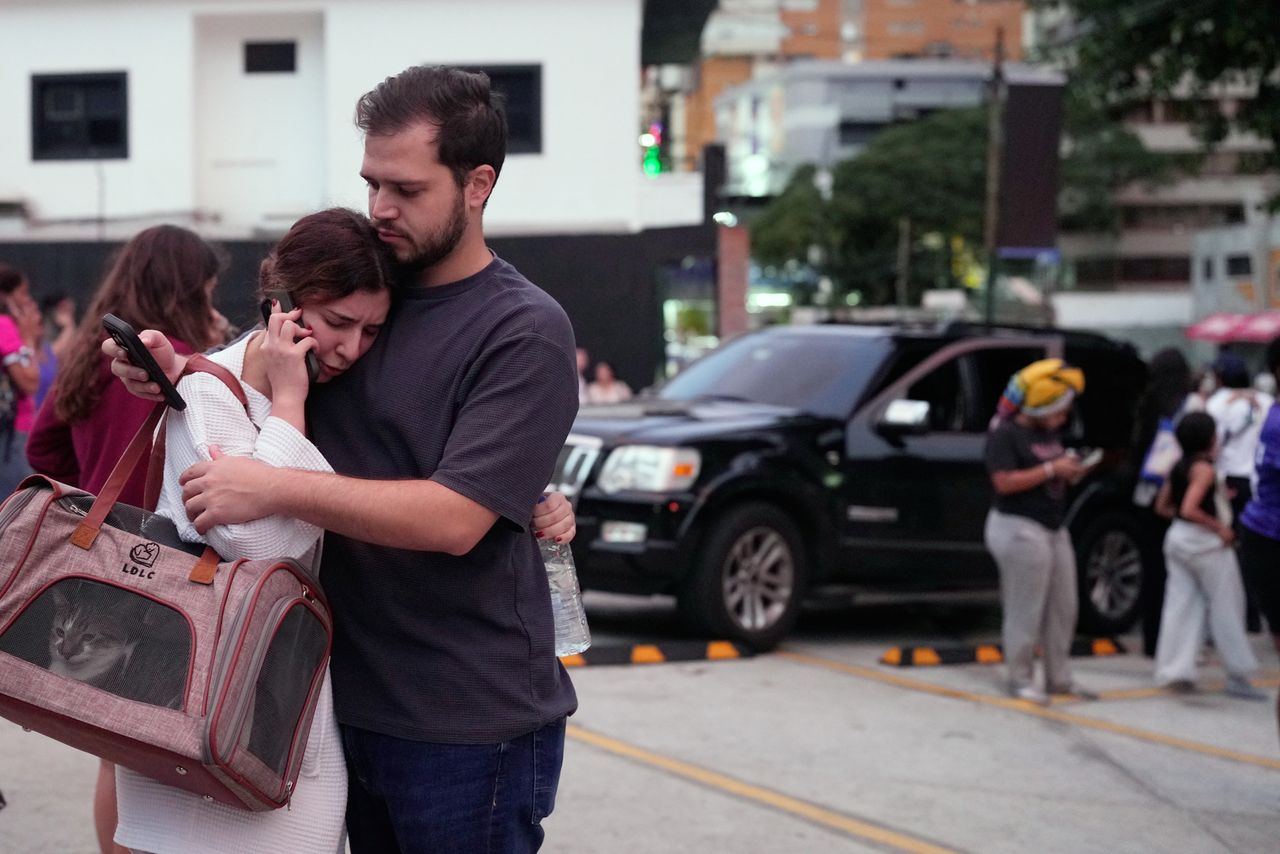
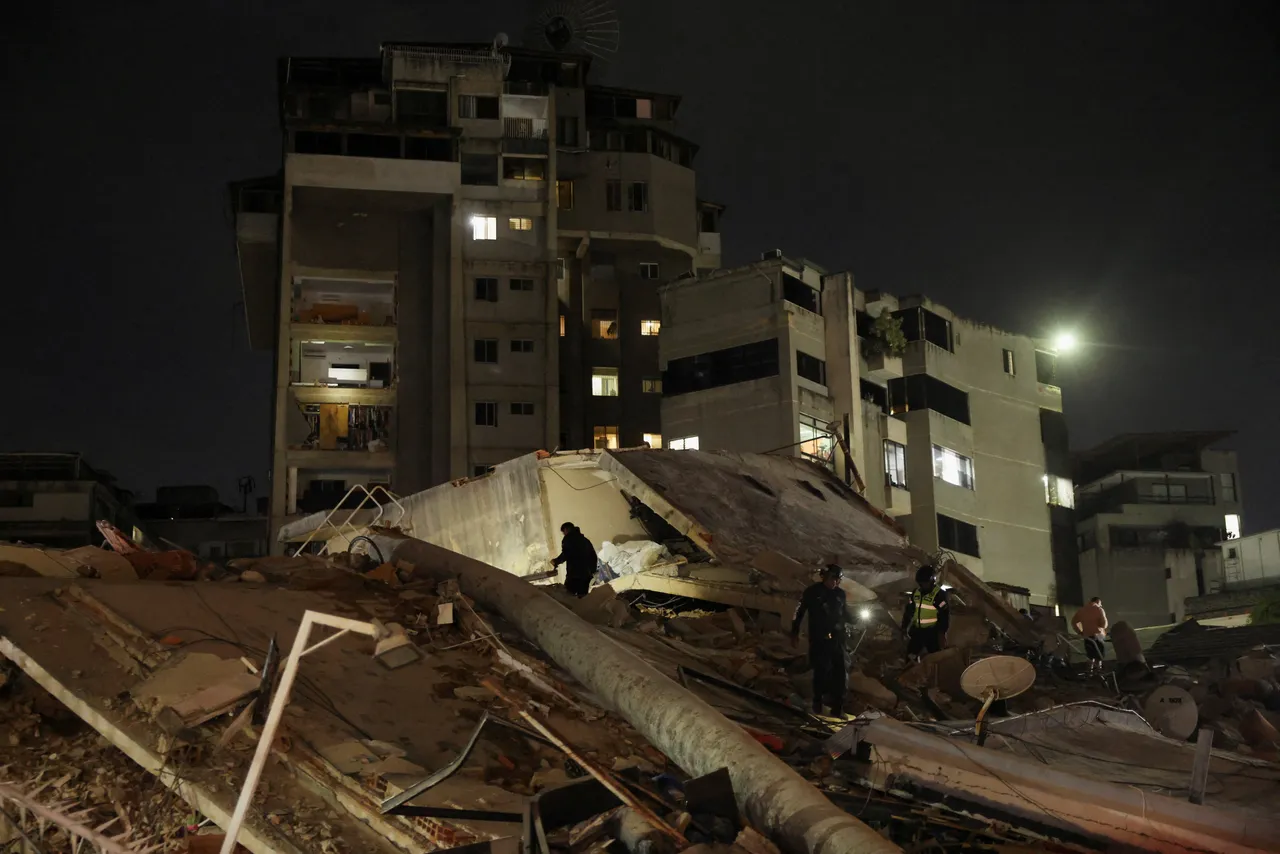
Emergency workers scrambled over the debris of a collapsed building in Caracas as night fell, while distraught relatives sought help for loved ones feared trapped. Several dazed survivors were taken away, some on stretchers.
"When we went downstairs, the scene was like a horror movie," said Maria Alejandra, a resident from a nearby building, who did not give her surname.
"We had to climb over the rubble and everything. The building superintendent is with the baby and all the neighbours are coming down. But from that building, I only saw that one family got out."
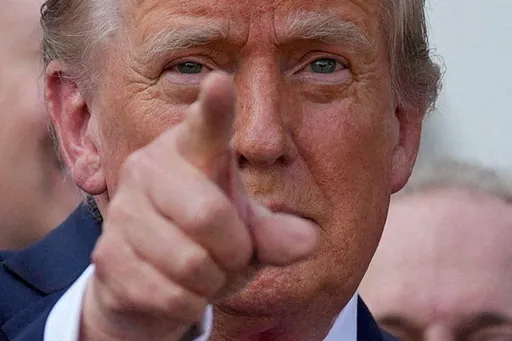
Meanwhile, US President Donald Trump on Wednesday said the two earthquakes had "left a devastating number of deaths," without citing any official casualty figures.
"The two major earthquakes that just hit the great people of Venezuela are both massive in scale and have left a devastating number of deaths," Trump said in a post on Truth Social.
"The U.S.A. stands ready, willing, and able to help! I have instructed all agencies of our government to get ready to move quickly. We will be there for our new and great friends. Early reports are not good," he added.
The mainshock
Internet monitoring group NetBlocks reported that internet connectivity dropped sharply across Venezuela, including in the capital Caracas, after the earthquakes damaged power and telecom infrastructure in the country,
Network data showed a significant decline in connectivity following the two earthquakes that affected parts of the country’s infrastructure, NetBlocks said on X.
According to the latest technical data from the US Geological Survey (USGS), northern Venezuela was violently rocked by an extraordinary double-seismic sequence.
Seismologists confirmed that a massive 7.2 foreshock first struck near the municipality of San Felipe, the capital of Yaracuy state. Merely 40 seconds later, an even more catastrophic 7.5 mainshock occurred just southeast of Yumare.
The mainshock was the largest recorded earthquake to strike Venezuela and the strongest in over 125 years.
According to the USGS, the seismic event occurred at a depth of roughly 10 kilometres (6.2 miles), with its epicentre located just west of the coastal community of Moron. The violent tremors heavily shook the capital city of Caracas, causing the destruction of several buildings.
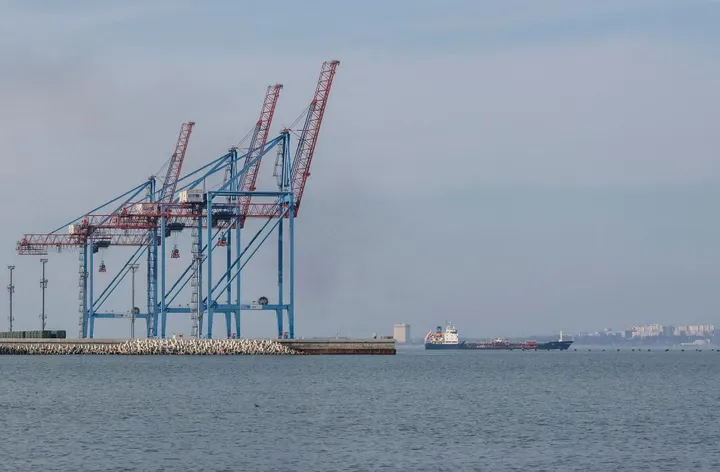
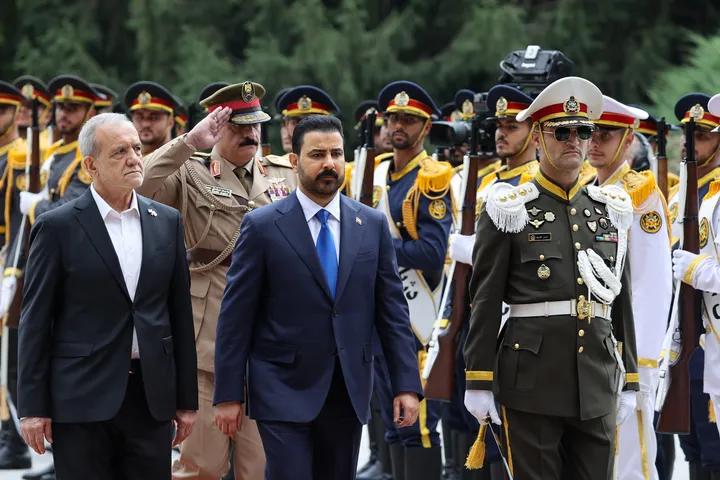

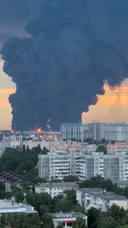

Earlier, Delcy Rodriguez also confirmed a major disruption to regional transit lines, saying Simon Bolivar International Airport in Maiquetia had been closed indefinitely due to severe and extensive infrastructure damage to its main terminals and operational runways.
Civil defence authorities are currently deploying to the hardest-hit areas near the epicentre to evaluate infrastructure damage.
Videos circulating on social media captured thick dust columns rising above commercial sectors in the capital as structures cracked and shed concrete facades. Emergency personnel are actively searching the damaged rubble for trapped or injured citizens.
‘Alarming situation’
Venezuela’s Interior Minister Diosdado Cabello confirmed to local media that the severe shaking triggered structural failures, causing houses and buildings to collapse.
“All security and emergency response agencies, including civil protection, volunteers, firefighters and police, are fully deployed on the scene,” Cabello said during a live broadcast on state television.
The minister highlighted a particularly “alarming situation” in the Altamira neighbourhood of Caracas, where multi-story residential units suffered partial collapses, leaving interior furniture visible from the street. Cabello urged residents across heavily impacted urban areas to stay clear of indoor spaces to prevent casualties from potential aftershocks.
“We recommend that you remain on the streets, watch over children and the elderly, and try to stay calm as rescue protocols are activated,” he added.
Amid mounting structural damage and localised blackouts, Rodriguez thanked the United Nations, multilateral organisations, and several foreign governments for expressions of solidarity and offers of humanitarian assistance.
She specifically thanked Colombia, Brazil, Mexico, Türkiye, Jordan, Barbados, Curacao and the United Kingdom for offering support, including structural search-and-rescue assistance.
Brazilian President Luiz Inacio Lula da Silva also said he instructed his country's Foreign Ministry to assess the situation in the country and the assistance measures that Brazil can take.
"I learned, with great concern and consternation, of the impacts caused by the earthquake that hit Venezuela this Wednesday," Lula said on X.
Lula reaffirmed Brazil's determination to support acting President Delcy Rodriguez's government in the recovery of affected areas of "this brother country."
A tsunami threat warning was issued by the Pacific Tsunami Warning Center (PTWC) for the immediate coast of Venezuela as well as the neighbouring islands of Aruba, Bonaire and Curacao.
A tsunami advisory was activated for Puerto Rico and the US Virgin Islands while authorities actively monitor coastal tide gauges for unusual wave activity.