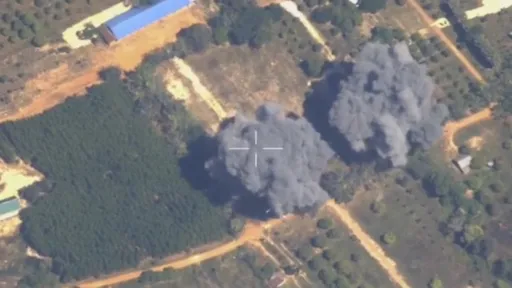
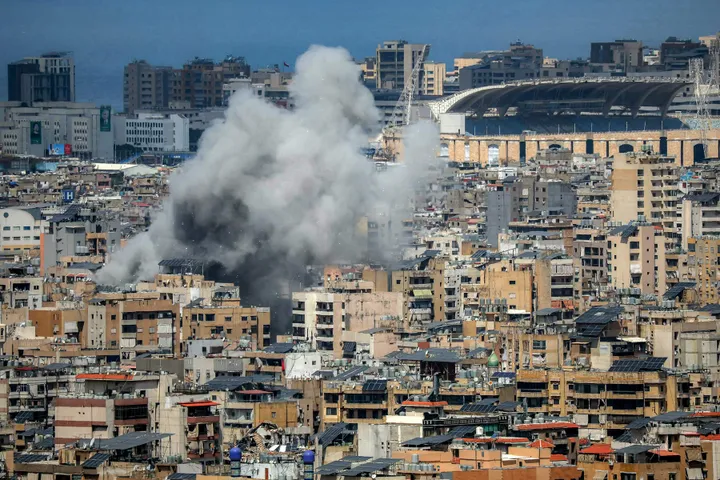
US Energy Secretary Chris Wright has said that Saudi Arabia's East-West oil pipeline is expected to resume operations soon after being shut following a strike.
"I think you'll see the pipeline back running very soon," Wright told US financial news outlet Bloomberg. "This is not new for strikes on this energy infrastructure. And, of course, unfortunately, Iran's done a ton of that, but they've proven resourceful in the past."
Wright said he has remained in continuous contact with Saudi authorities since the strike. Technical teams are assessing the damage, he said, adding that "more clarity" on the timeline for restoring operations is expected soon.
The pipeline was shut down after attacks last week, disrupting a key route used to bypass the Strait of Hormuz. Before its closure, it had been carrying about 4 million to 5 million barrels of crude per day, equivalent to roughly 4 percent to 5 percent of global oil supply.
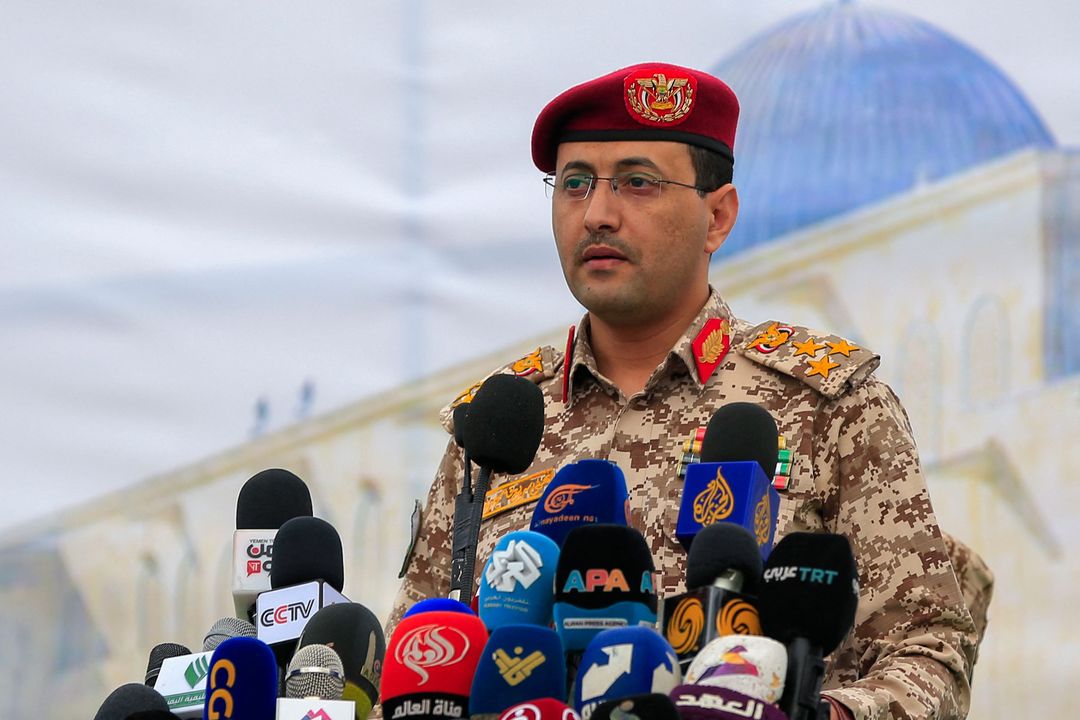
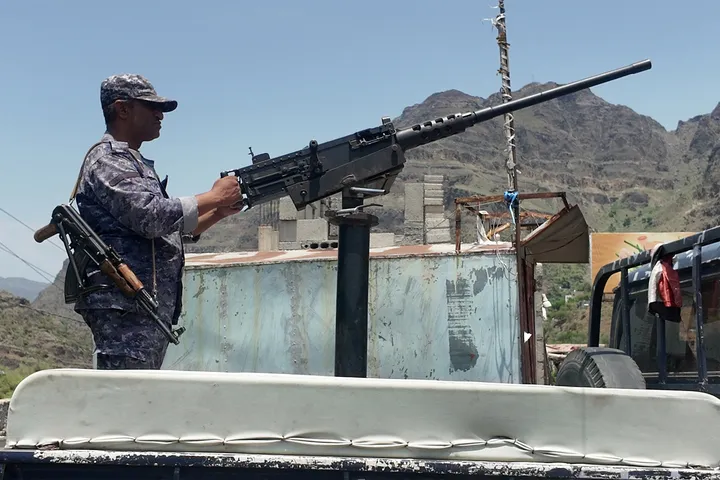
The disruption comes amid territorial gains by Yemen's Houthi forces, which have announced control over several western coastal districts and Red Sea islands, including the island of Mayun in the strategic Bab al-Mandab Strait.
Addressing maritime traffic around Yemen, Wright said that while a few million barrels transit the area each day, most commercial tankers do not pass through Bab al-Mandab, instead moving "through the Suez Canal and the pipeline there at Egypt."
Strait of Hormuz transits
Despite conflicting claims from Washington and Tehran over the status of the Strait of Hormuz, Wright said substantial volumes of oil and petroleum products continue to transit the waterway.





"Over 12,000,000 barrels of oil and oil products flowed through the Strait of Hormuz last night," Wright said, adding that the seven-day average was above 10 million barrels per day and rising.
He said US assessments are based on ship manifests rather than estimates.
"Every morning, I get a report of every single ship, the ship name, exactly what its cargo was, and then it transited."
Refining bottlenecks and diesel supply
Wright also highlighted constraints in global refining capacity, saying US efforts are focused on increasing exports of refined products from the Middle East to help ease shortages.
He attributed part of the pressure to a sharp decline in Russian diesel exports, saying Moscow, previously a major supplier, is now "not exporting any" diesel.
The comments came after US President Donald Trump urged Ukrainian President Volodymyr Zelenskyy on Sunday to halt strikes on Russian refining infrastructure, arguing that the attacks were contributing to a global diesel shortage.
"He has to stop knocking out diesel fuel in Russia ... because he's causing a shortage of diesel," Trump said.