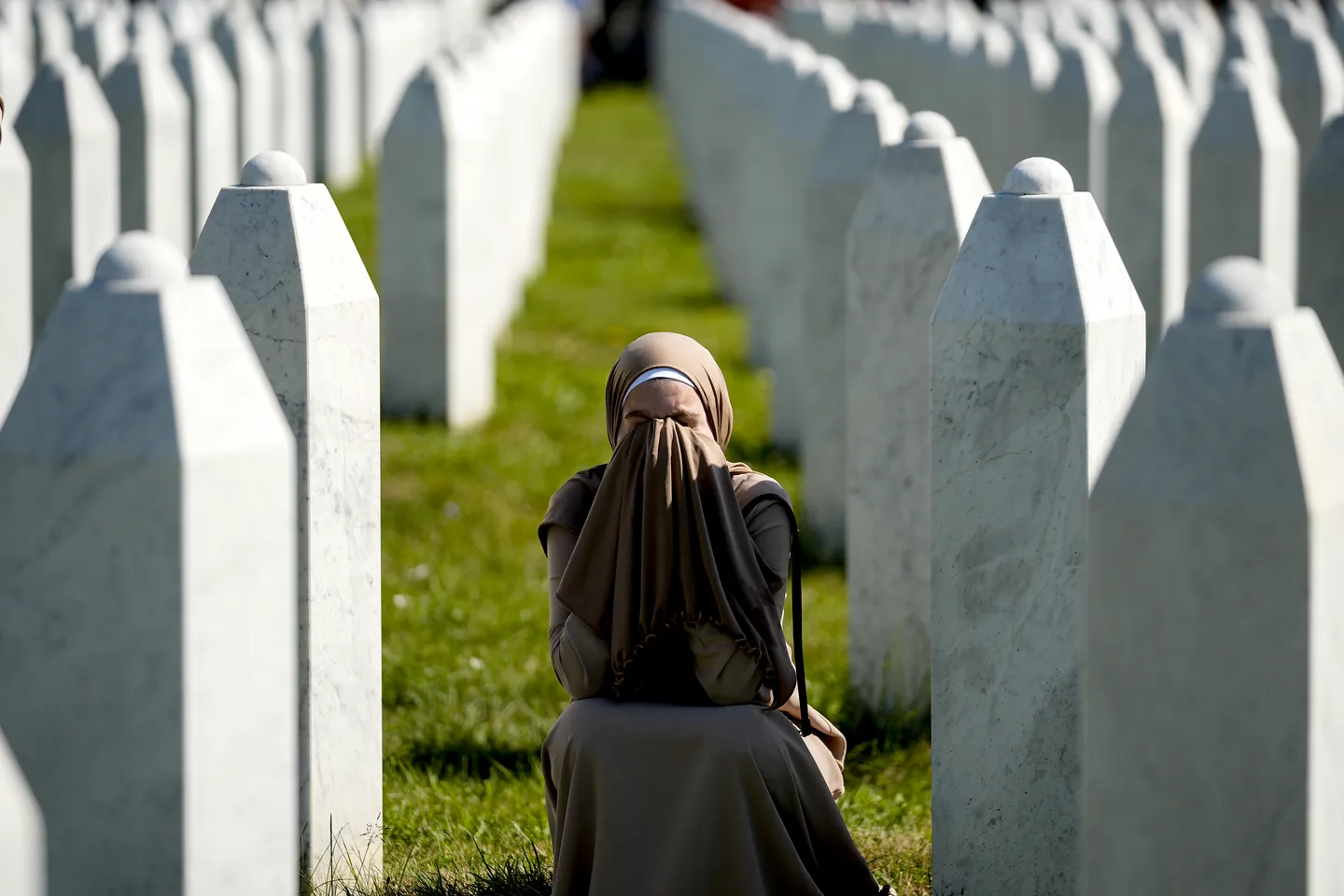
Türkiye has held a commemoration ceremony marking the 31st anniversary of the Srebrenica genocide, with officials reaffirming support for Bosnia and Herzegovina and warning against genocide denial.
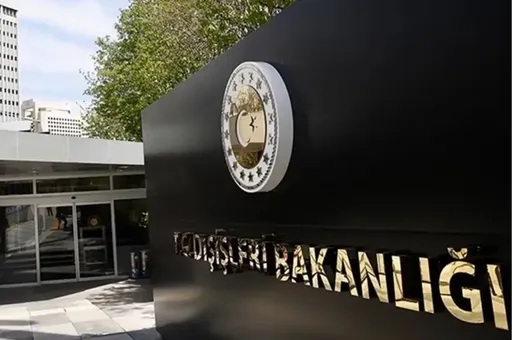
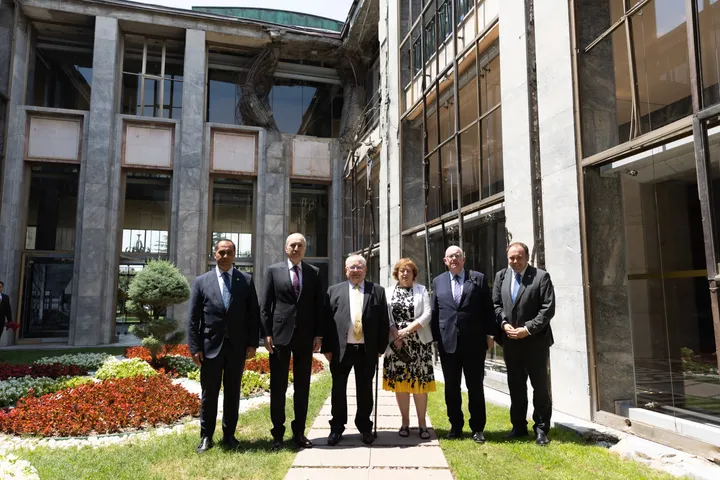
The event, held at the Turkish Foreign Ministry, was attended by Deputy Foreign Minister and Director for EU Affairs Ambassador Mehmet Kemal Bozay and Bosnia and Herzegovina's Ambassador to Ankara, Mirsada Colakovic.
Bozay noted that the UN General Assembly designated 11 July as the International Day of Reflection and Commemoration of the 1995 Genocide in Srebrenica on 23 May 2024.
He added that, under a presidential circular, 11 July is observed in Türkiye as Srebrenica Genocide Remembrance Day and that commemorations have been held at the ministry since 2024.
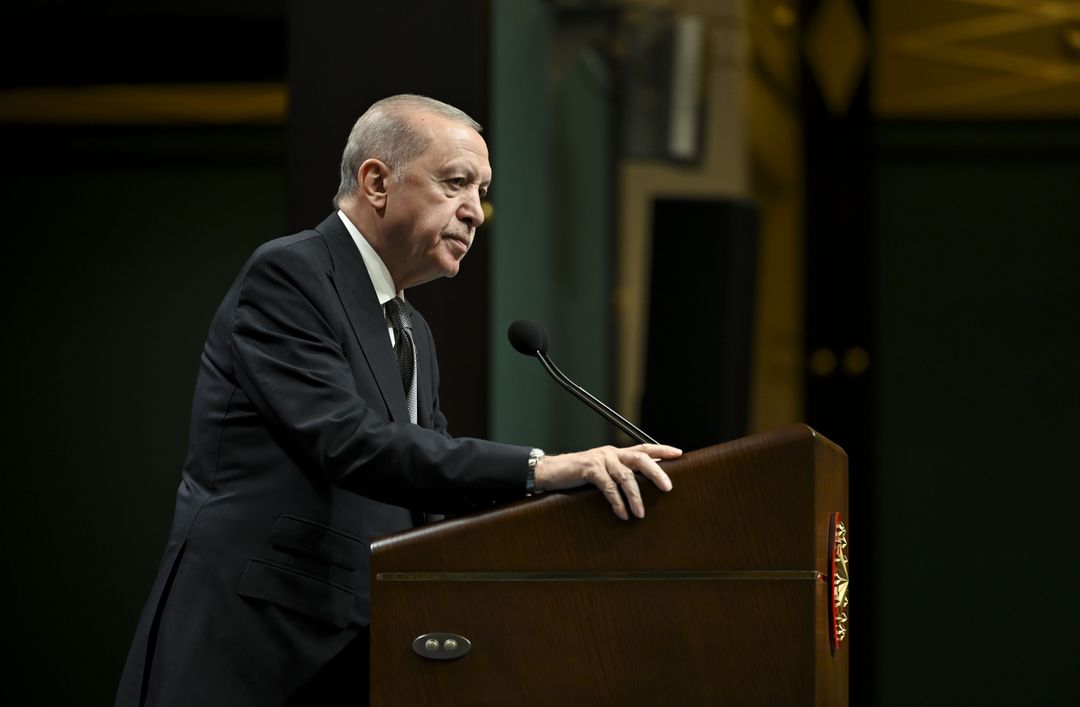
"We have gathered to preserve the truth, support the pursuit of justice, and pass on to future generations a memory entrusted to humanity's collective conscience," Bozay said.
"The Srebrenica genocide is one of the darkest chapters not only in the history of Bosnia and Herzegovina, but also in the shared memory of Europe and all humanity."
Preserving the historical truth
Bozay said the atrocities committed on 11 July 1995 in a town declared a UN safe area demonstrated the destructive consequences of hatred, discrimination and extreme nationalism.
He underlined that the International Court of Justice and the International Criminal Tribunal for the former Yugoslavia had legally recognised the events in Srebrenica as genocide.
"Denying this truth or presenting it as a 'symbolic victory' harms humanity's collective conscience," he said.
Bozay also said Türkiye continued to regard peace in Bosnia and Herzegovina as a cornerstone of stability in the Balkans, reaffirming Ankara's support for the country's sovereignty, territorial integrity and constitutional order.
Bosnia and Herzegovina's Ambassador Mirsada Colakovic thanked Türkiye for its "principled and determined support" and said commemorating the genocide together was among the strongest examples of that solidarity.
She said more than 8,000 Bosniak Muslim men and boys were killed in Srebrenica despite the town having been declared a UN safe area.
"Genocide denial is not freedom of expression; it is the continuation of the crime by other means," Colakovic said, criticising efforts to portray perpetrators as "heroes" or minimise the scale of the atrocities.