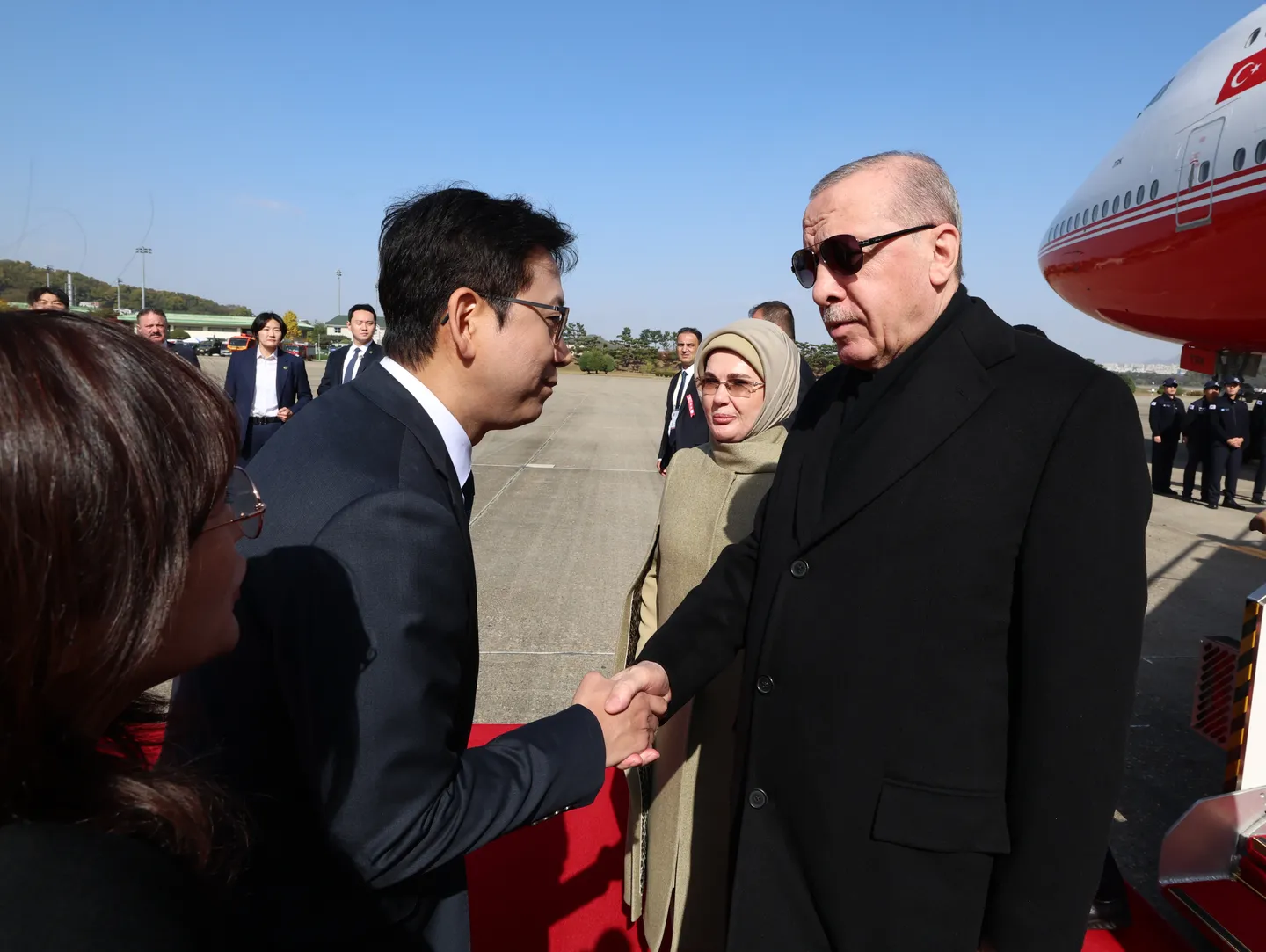
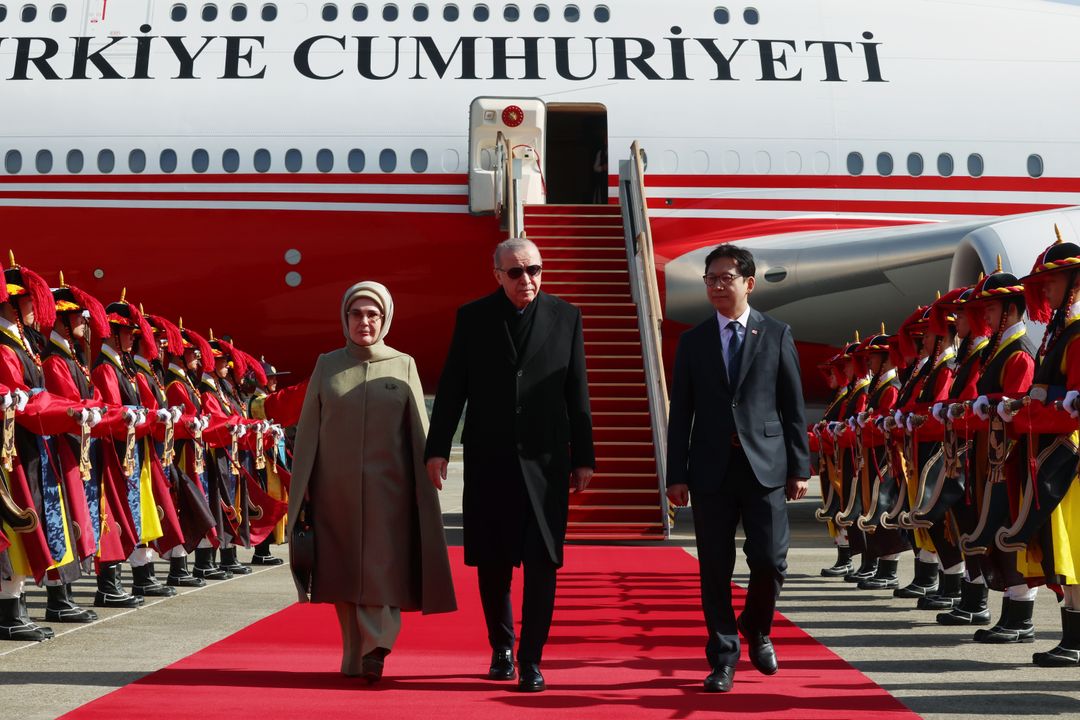
Turkish President Recep Tayyip Erdogan has outlined an ambitious agenda for expanding Türkiye’s strategic partnership with South Korea, setting a $15 billion bilateral trade target and identifying nuclear energy, defence industry, advanced technology and transport infrastructure as key areas for cooperation.
In an interview with South Korea’s Yonhap News Agency ahead of his state visit to Seoul, Erdogan said the two countries should build on their historic ties, rooted in the Korean War, and turn their longstanding friendship into stronger economic and technological partnerships.
The visit comes ahead of the 70th anniversary of diplomatic relations between Türkiye and South Korea next year. Erdogan said strengthening political dialogue, increasing investment and expanding industrial cooperation would be central to the discussions.
Nuclear energy and trade at the centre of talks
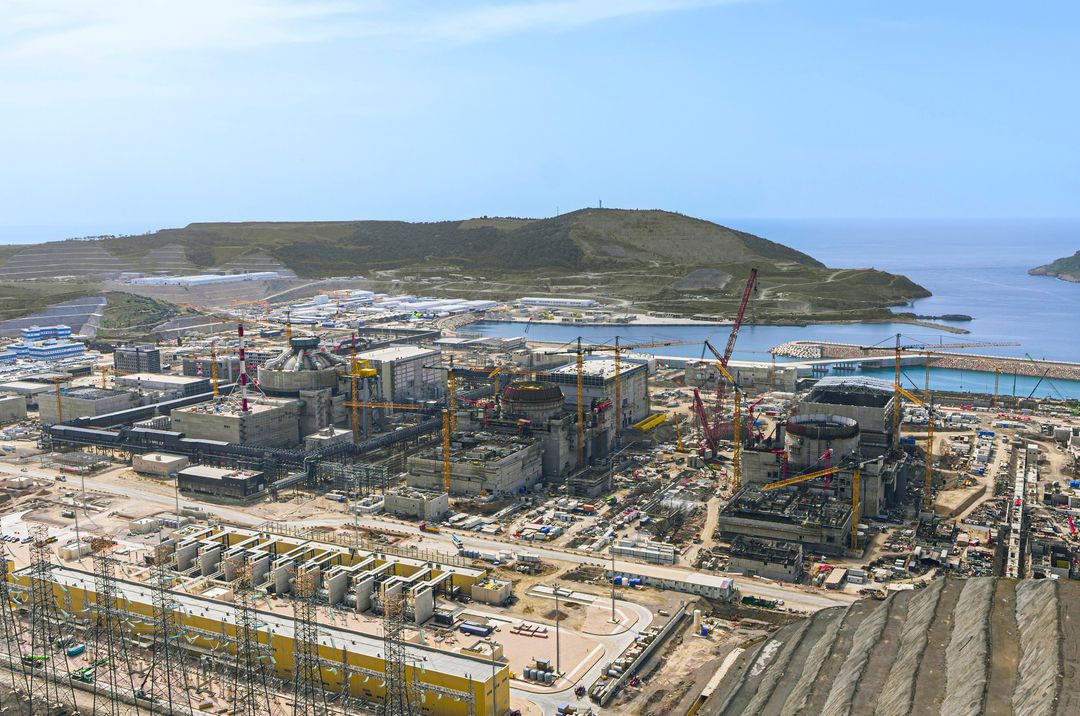
Erdogan described South Korea as a strong potential partner for Türkiye’s planned Sinop Nuclear Power Plant, saying discussions with the Korean side had advanced following a memorandum of understanding signed last year.
Türkiye has conducted preliminary feasibility work with Korea Electric Power Corporation (KEPCO), while assessments continue on technical and economic conditions and the project’s investment model.
The president said the final decision would depend on electricity generation costs, financing arrangements and the project’s wider benefits for the Turkish economy.
On trade, he pointed to a significant imbalance between the two countries. Türkiye exported approximately $1.14 billion worth of goods to South Korea in 2025, while imports reached $10.26 billion.
Erdogan said Ankara wanted to narrow the gap and make trade more balanced and sustainable, with opportunities for Korean investment in automotive manufacturing, batteries, semiconductors, robotics, biotechnology, medical equipment and renewable energy.
He cited Hyundai’s automotive operations and POSCO’s steel investments in Türkiye as examples of existing cooperation, adding that the launch of electric vehicle production at Hyundai’s facility in Izmit was welcome.
Defence cooperation gains momentum
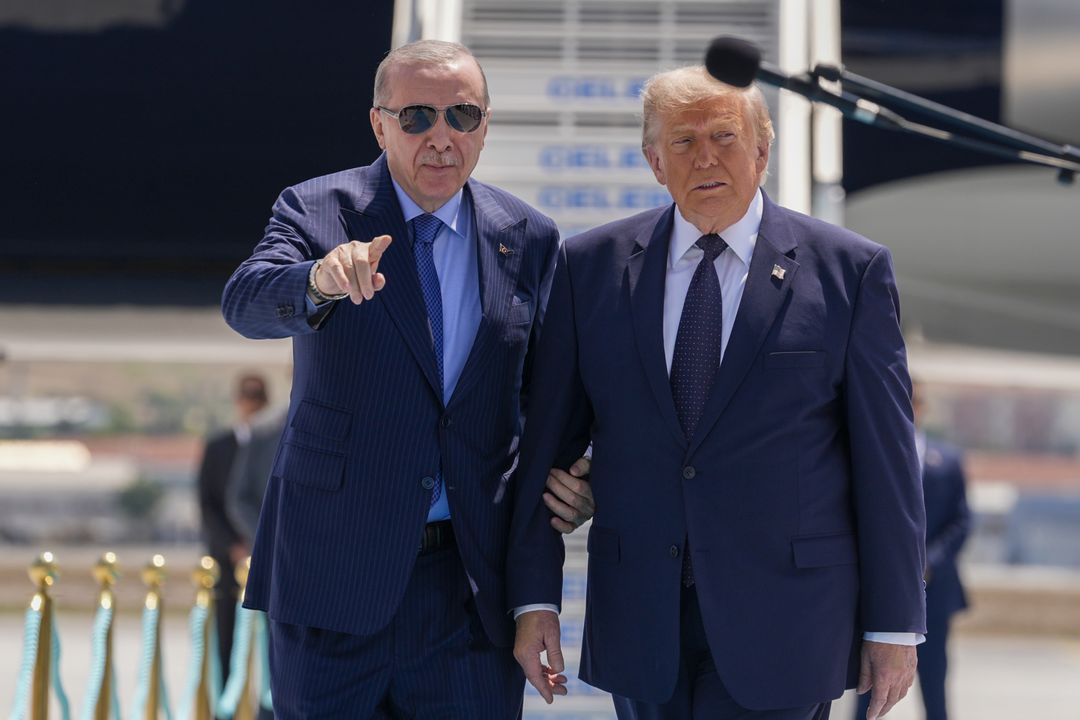
The Turkish president also highlighted opportunities to expand defence industry cooperation, particularly in unmanned aerial vehicles and engine technologies.
He welcomed South Korea’s reported interest in the PD170 engine, developed by Turkish Engine Industries (TEI), a subsidiary of Turkish Aerospace Industries. The engine is used in Türkiye’s ANKA and AKSUNGUR unmanned aircraft.
Erdogan described the interest as recognition of the progress Turkish engineers have made and said the two countries could extend their existing defence cooperation into unmanned systems, engines, electronic systems, and advanced engineering.
He also pointed to the Altay main battle tank as an example of the countries’ previous cooperation in the defence sector.
Erdogan calls for joint role in Gaza reconstruction
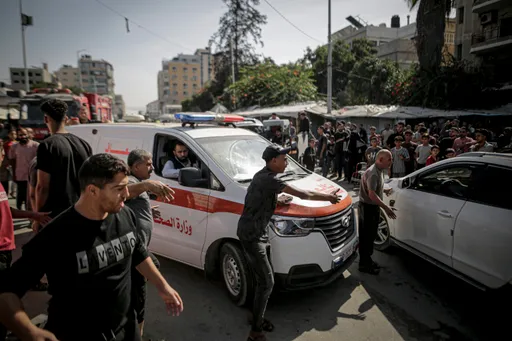
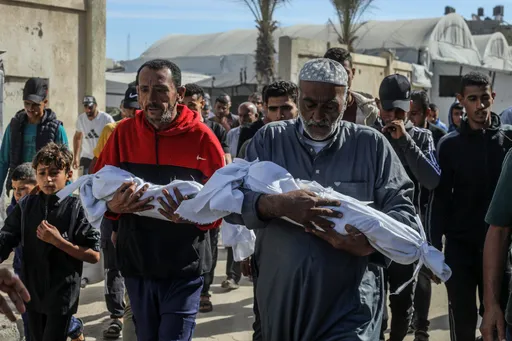
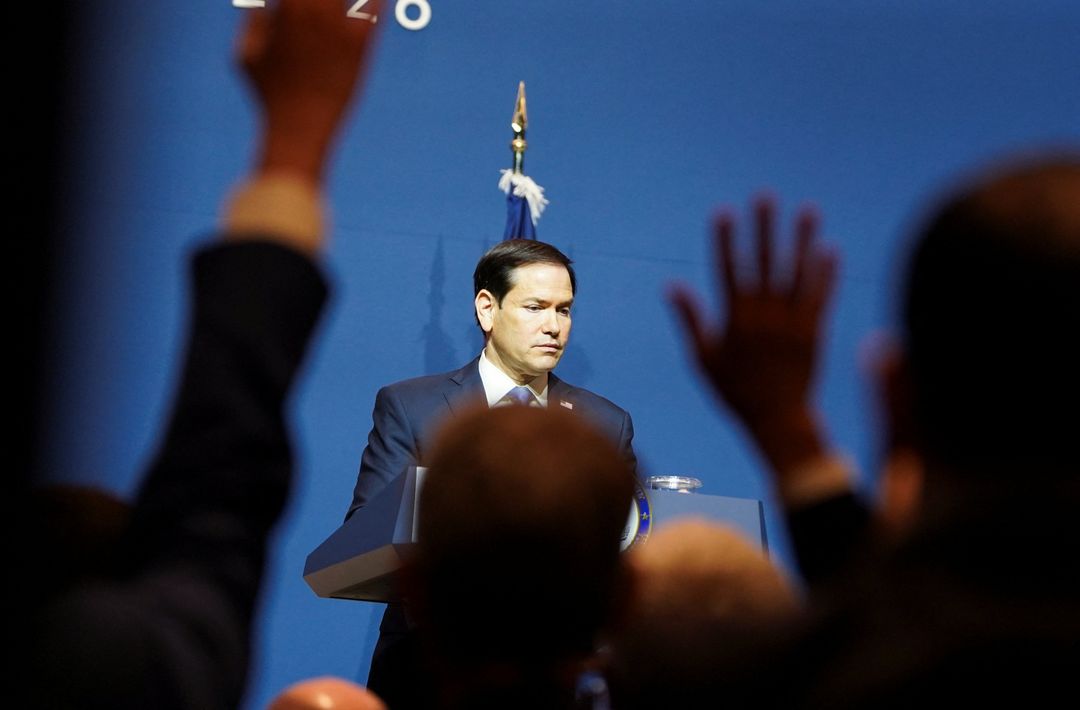
Turning to Gaza, Erdogan said the ceasefire agreement was an important step but had not brought life back to normal for Palestinians, who continue to face severe humanitarian conditions.
He called for obstacles to aid deliveries to be removed and reconstruction to accelerate, stressing the need to rebuild hospitals, schools and homes and restore water and electricity infrastructure.
Erdogan welcomed South Korean President Lee Jae-myung’s statements on Gaza and support for humanitarian assistance. He said Türkiye’s experience in humanitarian aid, construction and infrastructure could complement South Korea’s strengths in technology, engineering and financing.
The two countries could cooperate on rebuilding health facilities, schools and housing, as well as restoring energy and water networks, he said.
However, Erdogan stressed that Palestinians must determine Gaza’s future and rejected any reconstruction plan that would force them from their homeland.
He reiterated Türkiye’s position that lasting peace requires an independent and sovereign Palestinian state based on the 1967 borders, with East Jerusalem as its capital.
Regional security and transport corridors
Erdogan also addressed tensions involving Yemen and Saudi Arabia, condemning attacks targeting civilians and airports and expressing Türkiye’s support for Saudi Arabia’s sovereignty, territorial integrity and security.
He said Ankara was working to advance the Mecca Agreement, including through its approval process in the Turkish parliament and efforts to strengthen institutional cooperation and joint defence capabilities.
On Yemen, Erdogan called for an end to the fighting and a political settlement involving all parties, while emphasising the need to preserve the country’s sovereignty and territorial integrity.
The president also highlighted the strategic importance of Türkiye’s transport links as disruptions affect shipping through the Strait of Hormuz and the Bab al Mandab.
He said the risks to global energy and trade routes underscored the need for reliable alternative corridors, pointing to Türkiye’s efforts to connect railways, roads, ports and logistics centres into an integrated transport network.
Among the projects he outlined was the revival of the historic Hejaz Railway, built during the reign of Ottoman Sultan Abdulhamid II. Türkiye is pursuing work with Syria and Jordan, while agreements with Saudi Arabia on railway and logistics cooperation are also part of the wider effort to strengthen connections between the Gulf, Türkiye and Europe.
Erdogan additionally cited the Middle Corridor, which crosses the Caspian Sea, and the Development Road project linking Iraq’s Grand Faw Port to Türkiye as complementary routes that could expand regional trade and reduce transport times and costs.
He said South Korean companies could contribute through railway infrastructure, signalling, communications systems, logistics centres and intelligent transport technologies, adding that Ankara was ready to support Korean firms investing and creating jobs in Türkiye.