 Abhishek G Bhaya
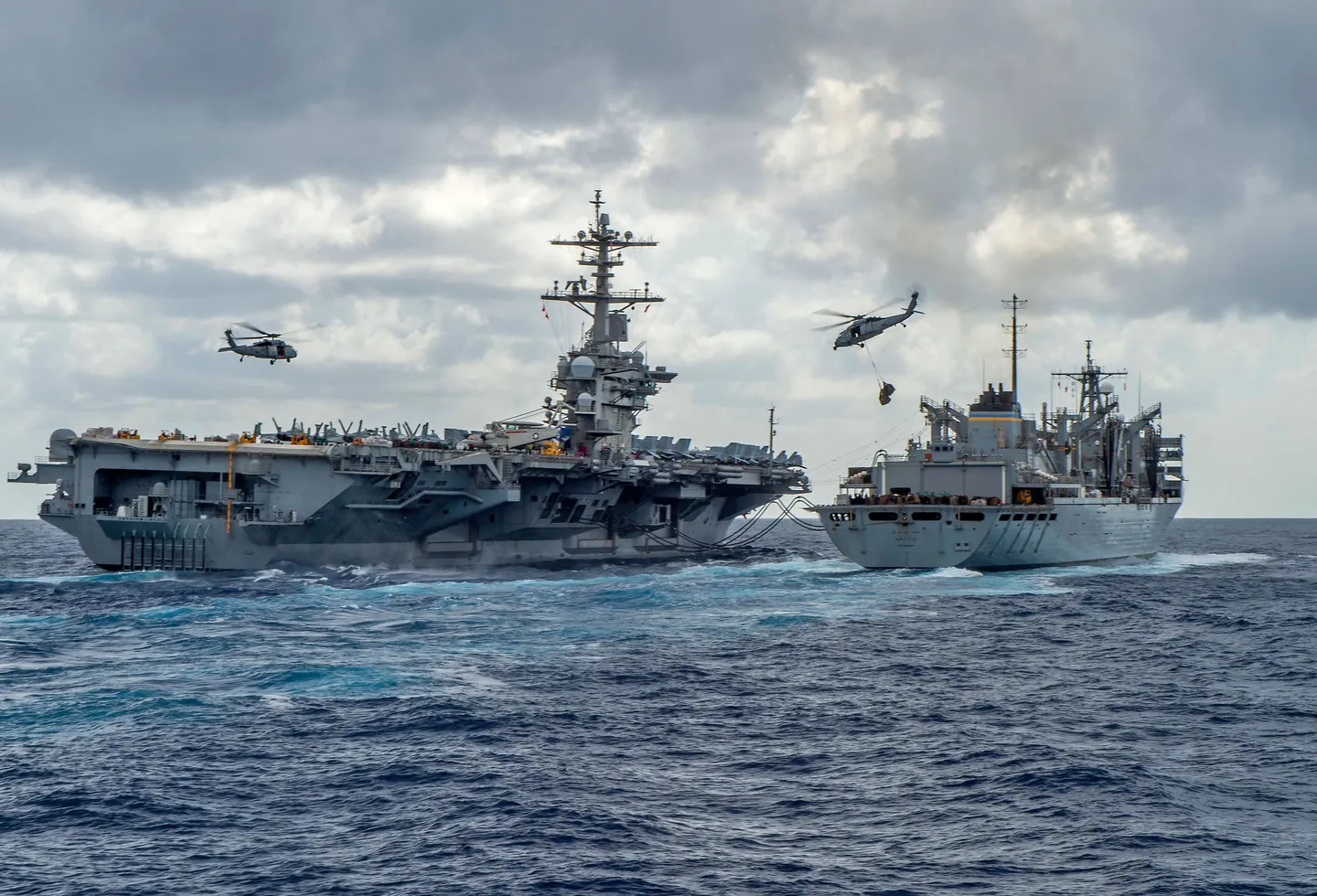
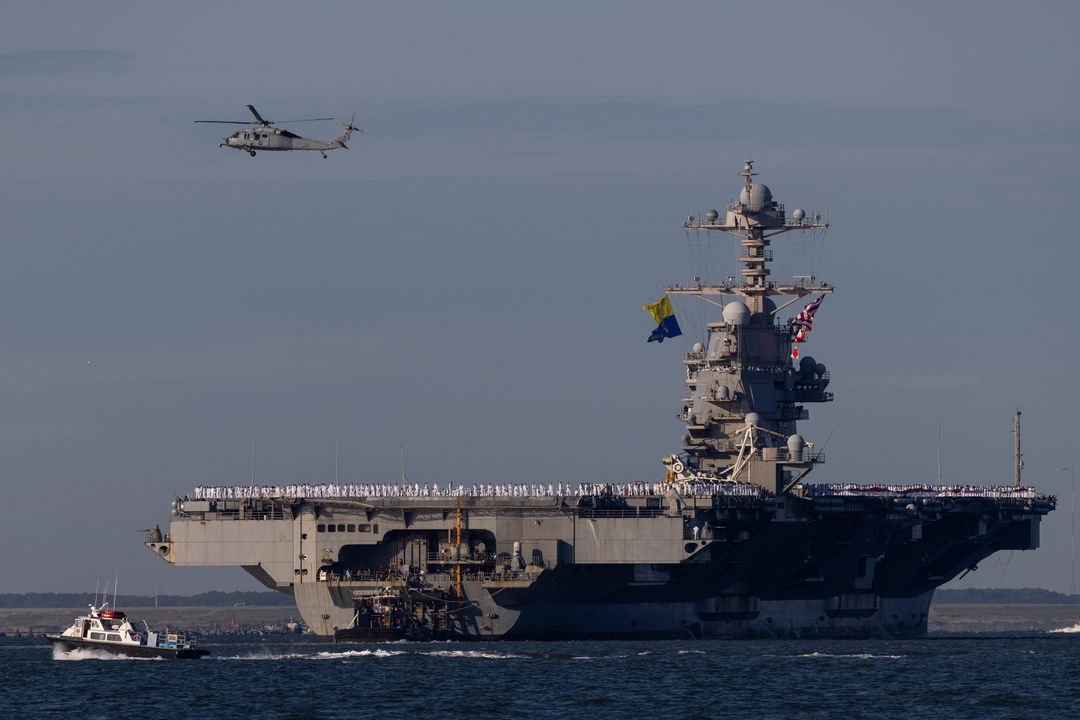
The USS Abraham Lincoln has finally left the Middle East after one of the longest deployments in recent US Navy history, but its return is highlighting a problem that extends well beyond a single aircraft carrier.
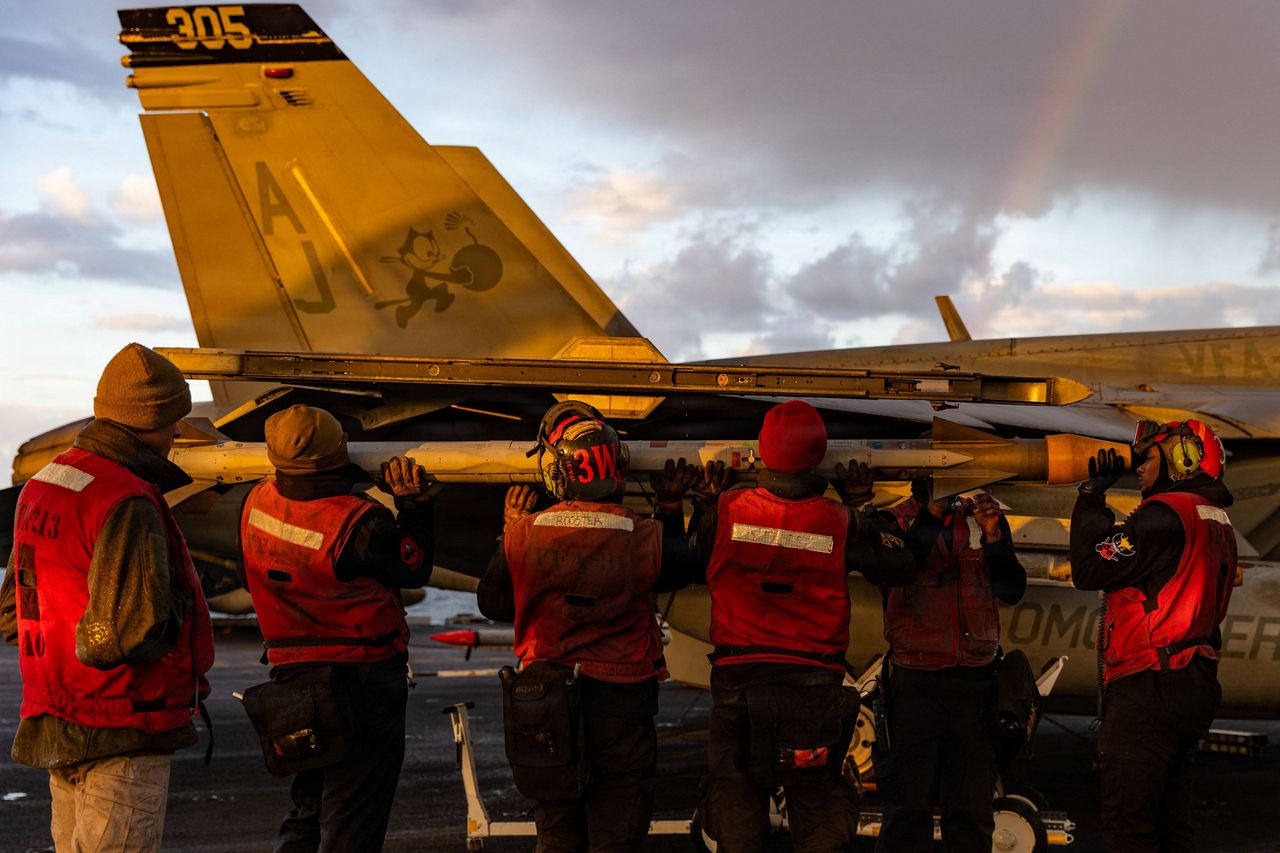
The nuclear-powered vessel, with a crew of nearly 5,000 sailors, spent 274 days deployed, including more than 240 consecutive days at sea, while carrying out US war on Iran.
Concerns over the crew’s mental health, amid reports of suicide attempts linked to fatigue, food shortages and difficult living conditions, came as US President Donald Trump deployed the Pacific-based USS George Washington to the region to relieve the Lincoln.
The unusually long deployment has underscored the strain on sailors and the challenges of sustaining major naval activities during a prolonged war. It has also raised a broader question about US military strategy: how sustainable is Washington’s ability to project naval power across several theatres simultaneously?
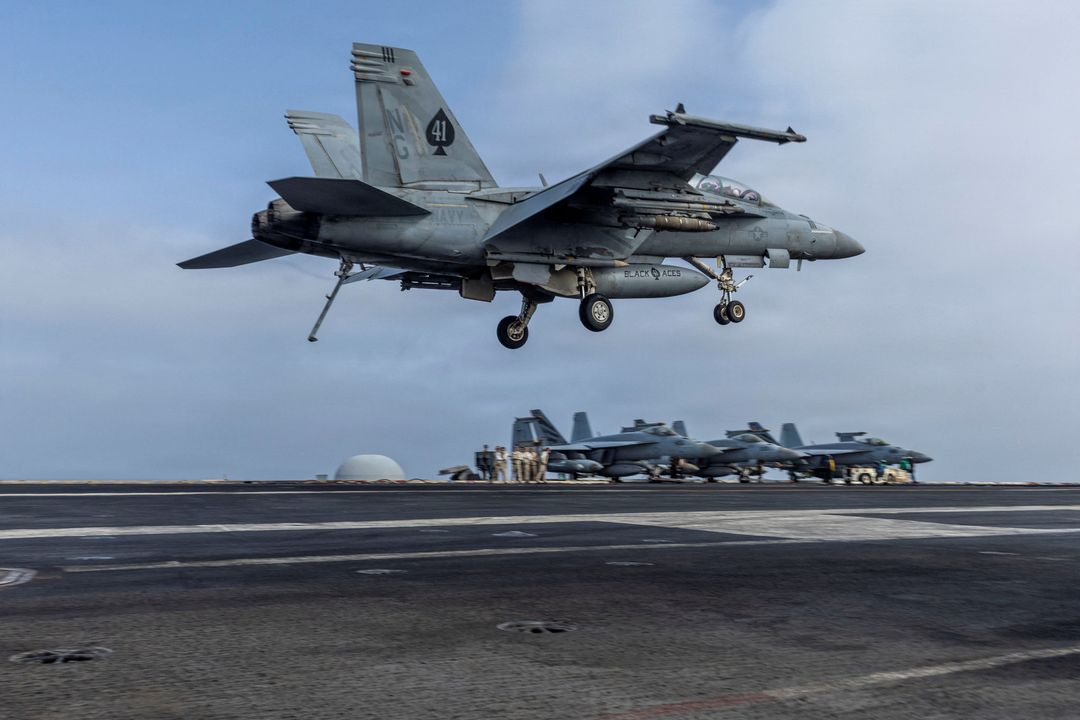
The issue is not limited to the Lincoln.
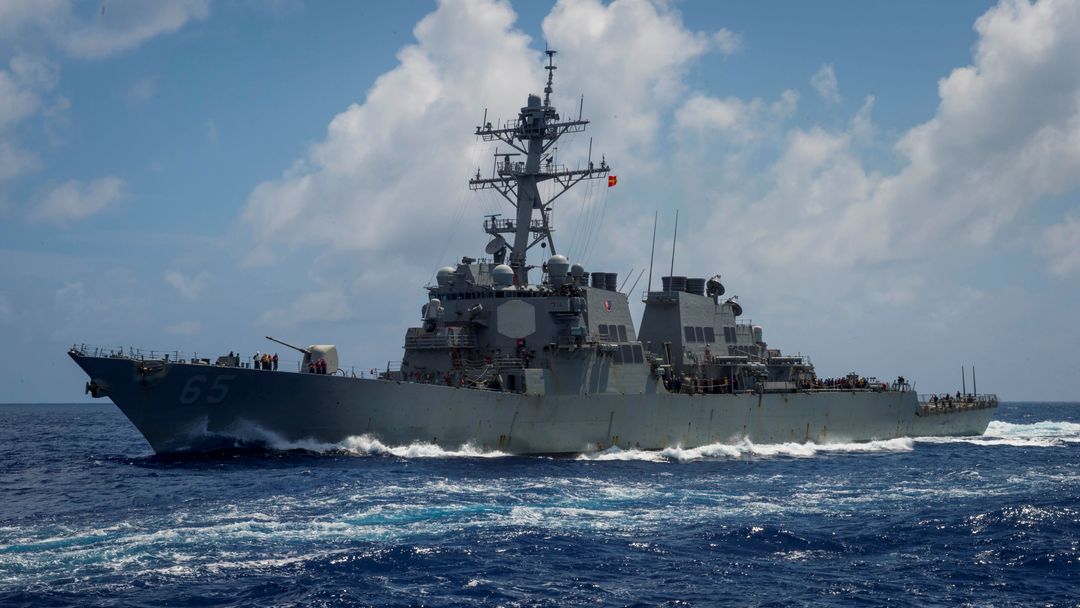
In July, the Arleigh Burke-class destroyer USS Benfold lost power for four days while operating in the South China Sea after an engineering casualty. The incident left the roughly 300-member crew without normal access to services including galley facilities, toilets and air conditioning before the ship was eventually towed to Subic Bay in the Philippines.
The USS Gerald R. Ford, meanwhile, experienced a fire in March while operating in the Red Sea, leaving 600 crew members without a bed, although the US Navy said the fire was contained and the ship remained operational.
Individually, such incidents are not necessarily evidence of a failing navy. But taken together with extended deployments, maintenance delays and shipbuilding difficulties, they are prompting renewed scrutiny of the US Navy’s ability to sustain its global commitments.
For Mehmet Ozkan, professor of international relations at the Joint War Institute of Türkiye’s National Defence University, the accumulation of incidents points to a broader problem.
“I would not regard these incidents as entirely isolated,” Ozkan told TRT World. “The frequency of these incidents, as well as the extended deployments and maintenance delays, indicate a more significant issue of operational overstretch.”
Richard Thomas, editor-in-chief of GlobalData’s defence desk, also sees pressure on the fleet, although he cautions against drawing a direct connection between the individual incidents. GlobalData is a London-based data analytics and consulting firm.
“The US Navy is exceedingly hard pressed as a reduced fleet size and delays to replacement vessels require existing platforms to be available for extended operations,” Thomas told TRT World.
The US Navy, he added, has been asked to do “a lot with very little respite”, beginning with the US naval buildup around Venezuela and the subsequent action that removed President Nicolas Maduro, followed by the war on Iran.
Iran exposes the strain
The Iran war has provided the clearest test so far.
The Lincoln was initially deployed before the war and was subsequently kept in the region as the US war on Iran continued. Its deployment eventually exceeded 270 days, while the ship spent more than 200 days without a port call.
The US Navy's decision to send the George Washington from the Pacific to replace the Lincoln illustrates the trade-off.
“The recent redirection of assets toward West Asia has further illustrated the difficulty of sustaining multiple high-priority theatres simultaneously,” Josef Gregory Mahoney, professor of politics and international relations at Shanghai-based East China Normal University, told TRT World.
A carrier can be moved between theatres, but it cannot provide the same level of presence in two regions simultaneously, according to analysts. That has implications for Washington's wider strategy, which requires the US Navy to deter China in the Indo-Pacific while also maintaining commitments in Europe and the Middle East.
Ozkan said the US Navy is being asked to “reassure European allies, deter China, respond to unforeseen crises, maintain Middle Eastern deployments, and protect international sea lanes at the same time”.
The result, he said, is “increased staff strain, postponed maintenance, longer deployments, and reduced preparedness”.
The US war on Iran has also exposed the importance of the infrastructure behind the ships.
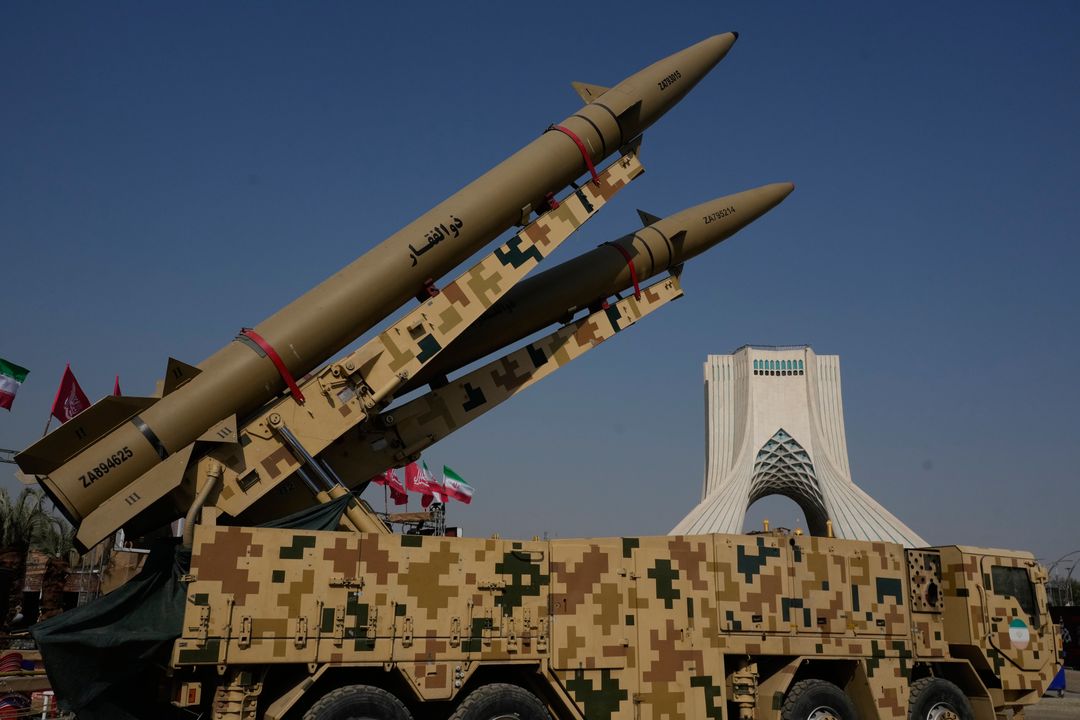
US naval operations in the Gulf have traditionally depended on a network of regional bases and logistics facilities. Iranian attacks during the war damaged American military infrastructure, forcing Washington to reassess how it supports forces operating in the region.
The Pentagon has increasingly relied on more distant facilities, including Diego Garcia, as a logistics hub after the damage to US facilities in Bahrain.
That shift matters because naval power projection depends not only on the ships themselves but also on the ability to refuel, resupply, repair and rotate them, analysts said. The longer the supply chain, the greater the logistical burden.
The war has therefore highlighted a vulnerability that is often less visible than the aircraft carriers and destroyers at the centre of US naval strategy: the infrastructure that enables forward deployment can itself come under attack.
Mahoney said the conflict should not be seen as the cause of the US Navy's underlying problems. “These problems predate the latest crisis in the Hormuz region; that conflict simply made the underlying pressures more visible.”



The fleet is finite
The US Navy remains a formidable force. It had 291 battle-force ships as of May 1 2026, according to the Congressional Budget Office, including 11 nuclear-powered aircraft carriers.
But the size of the fleet has to be considered alongside its commitments, analysts explained. The US Navy is expected to maintain a presence in the Indo-Pacific, support European allies, protect shipping lanes and respond to crises in the Middle East, while keeping sufficient forces available for an unexpected contingency.
Thomas said the problem was partly a consequence of a fleet that had become too small relative to the missions assigned to it.
“There are simply too few warships,” he said, pointing to problems surrounding the Littoral Combat Ship and Constellation-class programmes.
This creates what analysts describe as a readiness cycle.
When fewer ships are available, those that are operational are deployed more frequently or for longer periods. Greater use increases wear and maintenance requirements. Longer maintenance periods then leave fewer ships available for the next deployment.
The Benfold incident cannot itself be attributed to this cycle. But it has become part of a wider debate about the condition and availability of the force.
Maintenance — the hidden measure of naval power
Fleet size can also be misleading if a significant proportion of ships are unavailable for operations.
A Congressional Budget Office assessment of US Navy maintenance found persistent delays affecting conventional ships, while broader US government reviews have repeatedly highlighted problems in ship repair and acquisition.
The Government Accountability Office (GAO) has also found that the US Navy has struggled to expand its fleet despite significant increases in shipbuilding spending. GAO said the navy had fully or partially addressed only 30 of 90 recommendations it had made since 2015 to improve shipbuilding outcomes, leaving 60 unaddressed.
Ozkan argues that additional funding alone will not resolve the problem. “Increases in the budget will not suffice to resolve these severe concerns,” he said.
“The fundamental problem is industrial capacity,” including inadequate shipyards, shortages of skilled labour, unstable supply chains, lengthy procurement procedures and maintenance backlogs.
“Although money is beneficial,” he said, rebuilding industrial capacity “necessitates years”.
That presents a difficult problem for Washington. The operational demand exists now, while the industrial capacity needed to ease the pressure can take decades to develop.
More strategic space for Türkiye
The Iran war has therefore exposed a tension at the centre of US naval strategy.
Washington wants a navy capable of maintaining a global presence while preparing for a potential high-intensity conflict with China. But the same ships, sailors, logistics vessels and maintenance facilities are needed to respond to other crises.
Thomas said the US was already considering withdrawing some naval assets from European waters to support other priorities. A reduction of the US naval presence in the Gulf could also follow if the war on Iran moves towards a sustained stalemate.
Ozkan said the strategic consequence could eventually be greater responsibility for regional powers. “The United States may need to prioritise specific regions rather than maintaining a consistent level of presence in all locations,” he said.
That possibility has implications for countries such as Türkiye.
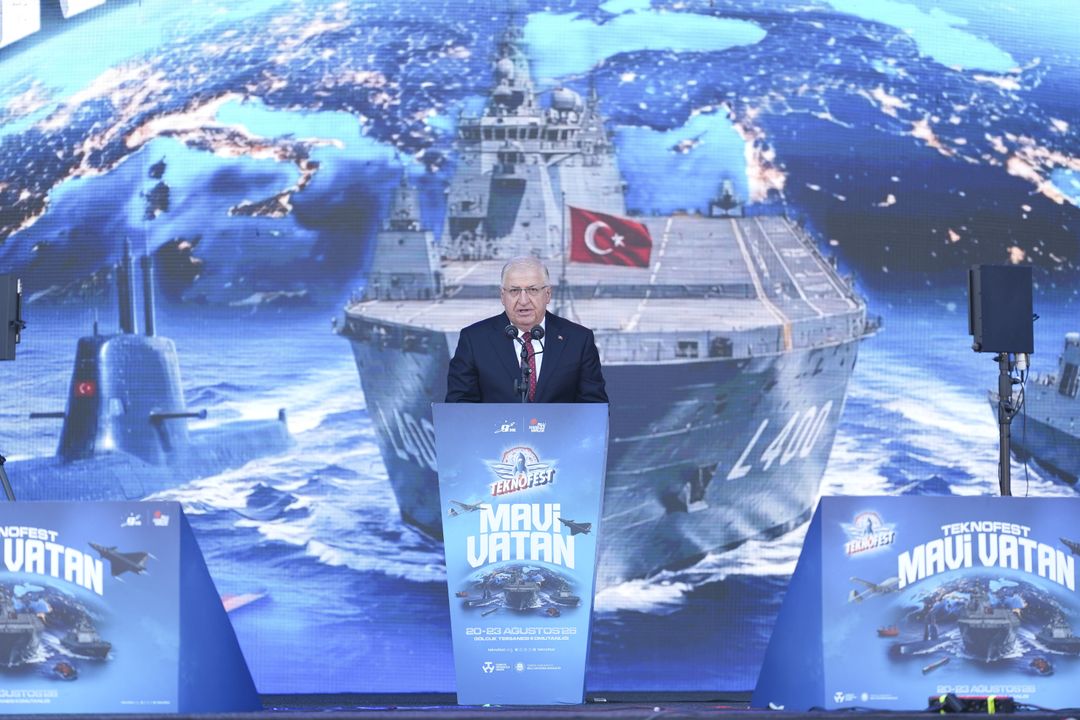
For Ankara, as a NATO ally, which sits at the intersection of the Black Sea, Mediterranean and Middle East, a less consistently available US Navy could create both opportunities and additional responsibilities as it seeks to shape the security environment in its surrounding regions.
“A US Navy that is less consistently present would accelerate the trend toward regional ownership of security,” Ozkan said. “The new strategy has the potential to enhance Türkiye's strategic autonomy and responsibility.”
Thomas similarly said reduced US naval dominance could “absolutely create space and more uncertainty” for middle powers in Europe and the Middle East.