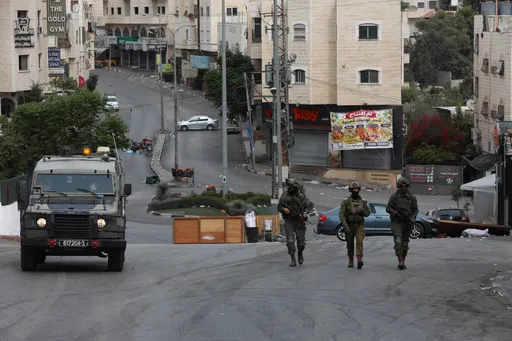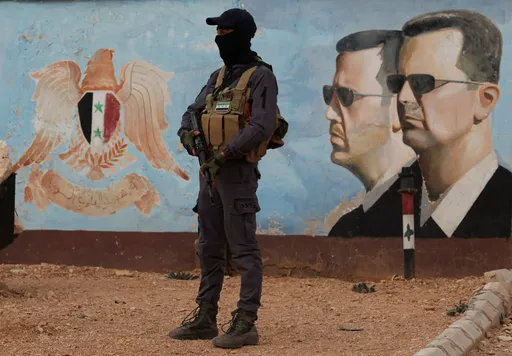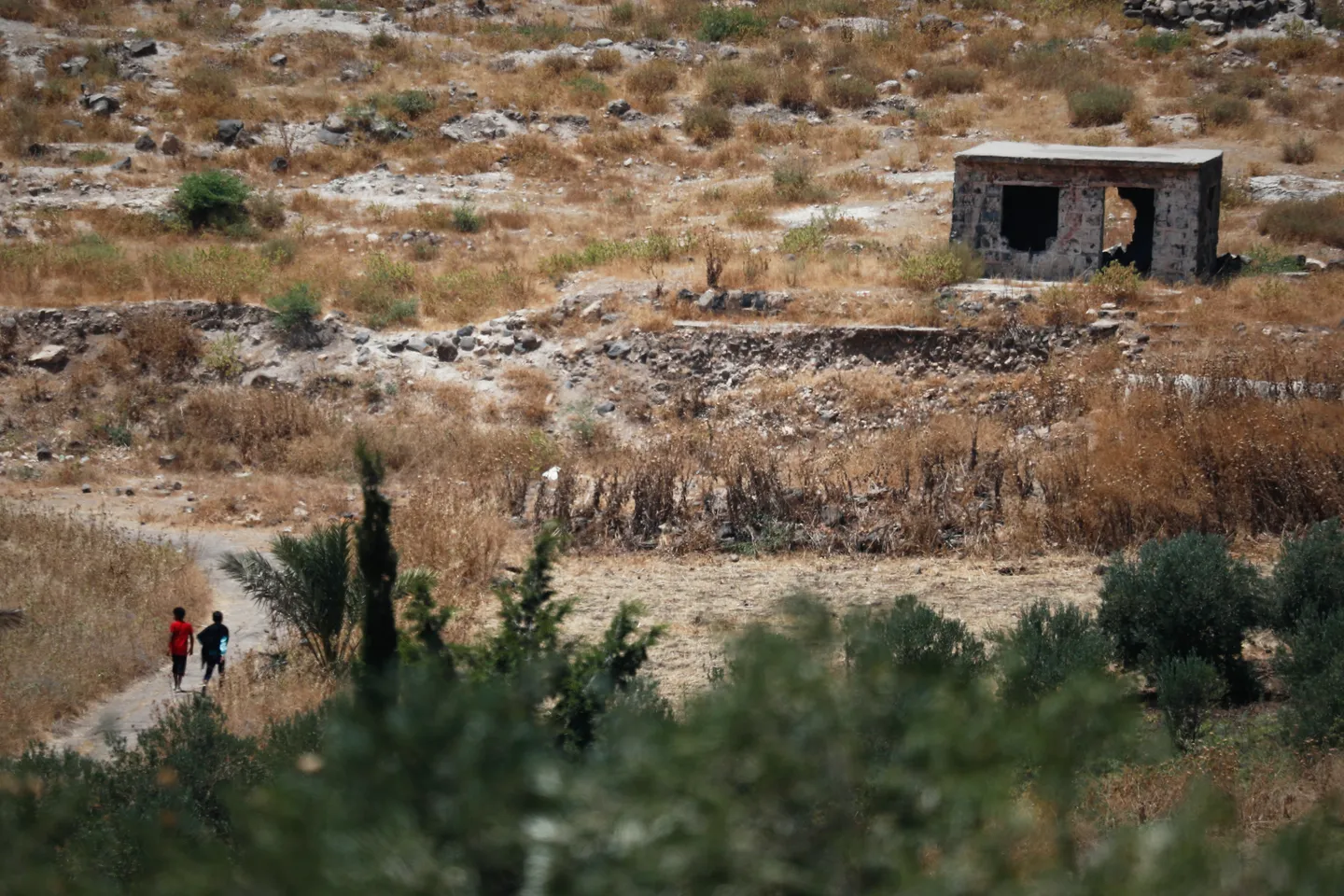
Since Ahmed al Sharaa assumed leadership of Syria in late 2024, a string of “mysterious explosions” at ammunition depots and military storage sites has unsettled communities and prompted official investigations.
Many involve civil-war munitions and temporary facilities, with causes often listed as under review or later tied to improper storage.
Following the fall of Bashar al Assad’s rule on December 8, 2024, Israel expanded its occupation of Syrian territory and took control of the buffer zone and positions on the Syrian side of Mount Hermon.
Since then, Israel has conducted hundreds of strikes on Syrian military assets, claiming they are aimed at preventing military weapons from “falling into hostile hands”.
Israel has occupied Syria’s Golan Heights since 1967 and unilaterally annexed the territory in 1981, a move not recognised internationally.
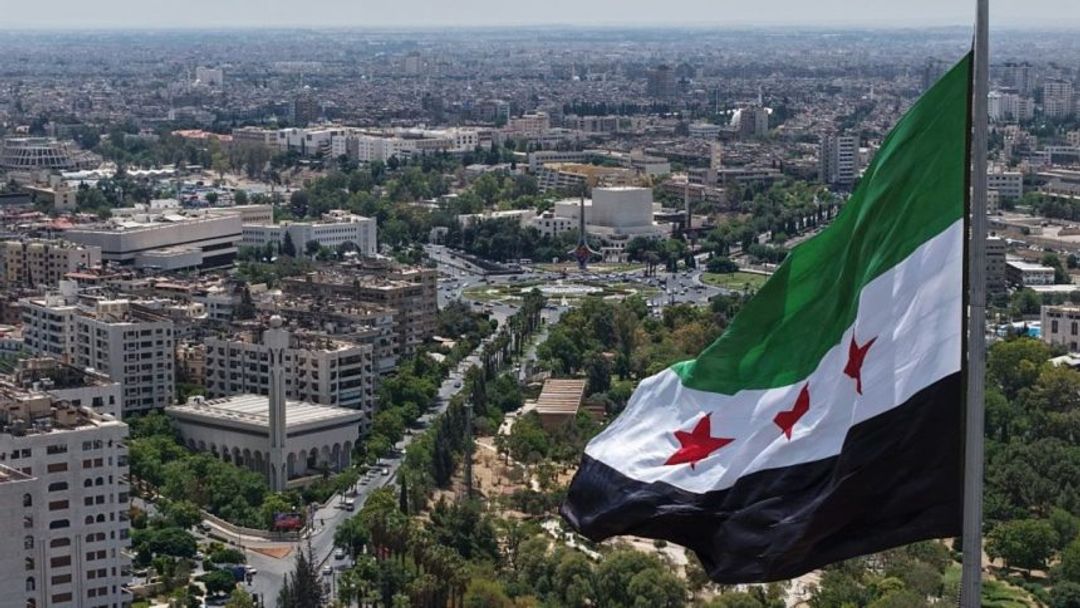
Here’s a rough timeline focused on verified incidents of “mysterious explosions” since al Sharaa took charge of Syria.
December 2024 — Tartus countryside
Days after Bashar al Assad was overthrown on December 8, a massive explosion tore through a former Syrian military ammunition site in the Tartus area. The blast was so large that seismic monitoring stations registered what appeared to be a roughly magnitude-3 event. Videos showed a huge fireball and successive secondary explosions.
This occurred amid an intensive Israeli campaign against Assad-era military infrastructure. The Institute for Science and International Security subsequently examined satellite imagery and concluded that an ammunition depot northeast of Tartus was the most likely source of the enormous explosion. The organisation noted that satellite imagery showed fires at the site and that the facility contained bunkered ammunition storage.
December 29 2024 — Adra weapons depot explosion
A major explosion tore through a weapons storage site near Adra, northeast of Damascus, killing 11 people, most of them civilians.
The explosion was likely caused by an Israeli strike, and the incident was widely reported at the time as a suspected Israeli attack. But an Israeli military source told AFP at the time: “We are not aware of IDF [Israeli army] strikes in the area. The IDF did not strike in the area.” A local official described it simply as an explosion of unknown origin.
January 2-3 2025 — al-Safira, south of Aleppo major explosions from confirmed Israeli strikes
Large explosions were reported near al-Safira following what Syrian state television and Reuters described as an Israeli strike targeting military facilities.
Residents reported a series of exceptionally powerful explosions, while Israeli aircraft struck defence factories and research facilities.
January 5 2025 — Kisweh ammunition depots south of Damascus
Explosions hit former-regime ammunition depots around Kisweh, south of Damascus. The blasts may have resulted from an Israeli airstrike. AFP reporters on the ground observed fires and destruction at the site.
Again, however, Israel denied responsibility, telling AFP that its military had not attacked the site.
February 2, 2025 — Deir Ezzor’s former-regime underground weapons depot
A powerful explosion occurred at an underground weapons depot belonging to the former Syrian regime on Mount Harabesh in Deir Ezzor. The site was then under the control of the new administration. No casualties were initially reported.
February 8 2025 — Israeli strike in Deir Ali
The Israeli military said it had struck a Hamas weapons depot near Deir Ali, south of Damascus, saying the weapons were intended for attacks on Israeli forces.
In a brief statement, the army said the weapons depot was hit in the Deir Ali area in southern Syria, claiming that the weapons were stored to carry out attacks against Israeli targets.
Hamas did not publicly respond to the claim at the time.
February 26 2025 — Israeli strikes in Kiswah/Izraa
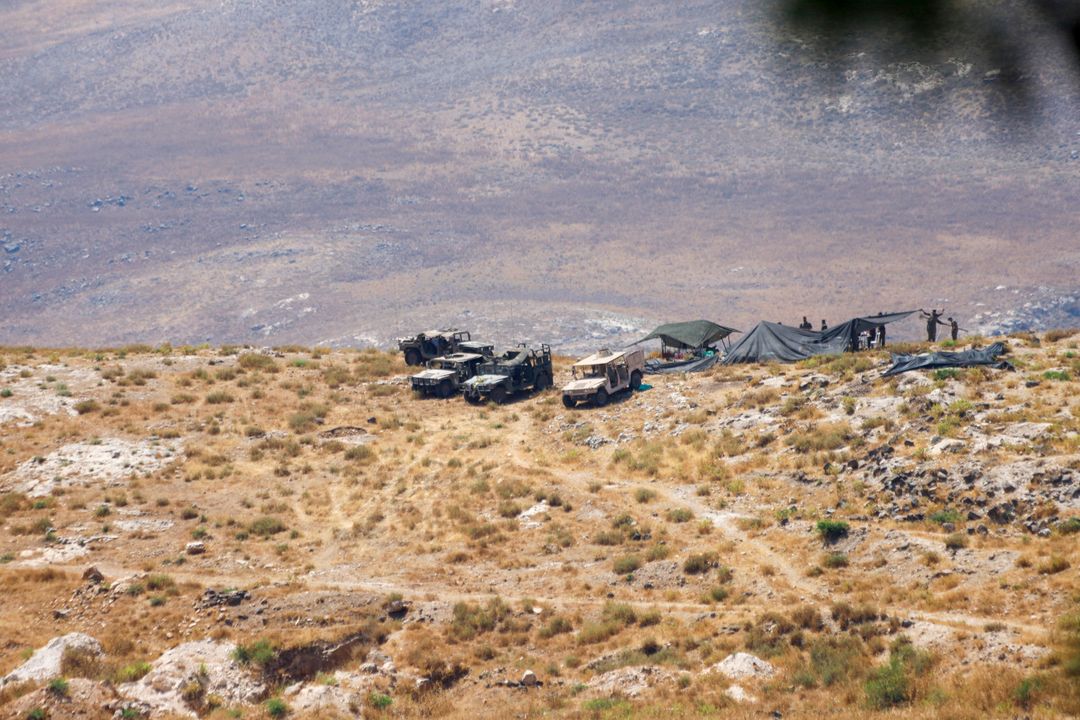
Israel carried out air strikes against locations around Kiswah south of Damascus and Izraa in Daraa. One strike hit a weapons depot and caused a fire.
Israeli Defence Minister Israel Katz publicly confirmed the strikes and said Israel was targeting weapons in southern Syria.
March 18 2025 — Israeli strikes on former Syrian military sites
Israeli aircraft struck former Syrian army positions around Shinshar and Shamsin south of Homs, according to Syrian security sources cited by Reuters.
Israel had previously acknowledged similar strikes against military headquarters and sites containing weapons and equipment.
April 2–3 2025 — Israeli bombardment in Hama, T4 and Damascus
This was one of the clearest Israeli episodes after Assad's fall.
Israel admitted to striking the remaining military capabilities at Hama airbase and T4 airbase, as well as military infrastructure around Damascus. Reuters reported that the strikes destroyed or badly damaged runways, aircraft, hangars and weapons depots.




The Syrian foreign ministry explicitly blamed Israel, saying Israeli forces had attacked five locations within 30 minutes and had nearly destroyed Hama Military Airport. Damascus called the strikes a violation of Syrian sovereignty and appealed to the international community to stop them.
Israeli Defence Minister Katz subsequently described the strikes as a warning to al Sharaa and said Israel would not allow Syria to become a security threat.
May 2 2025 — Israel strikes near Syria's presidential palace
SANA reported Israeli strikes around Damascus, Hama and Daraa. Israel's military said it had struck a military site, anti-aircraft guns and surface-to-air missile infrastructure.
The same day Israel also struck an area adjacent to al Sharaa's presidential palace in Damascus. Reuters described this as a particularly explicit warning to the new authorities.
The Israeli military confirmed the strike, while Prime Minister Benjamin Netanyahu and Defence Minister Israel Katz described it as a clear message that Israel would not allow Syrian forces to deploy south of Damascus or threaten the Druze community
June 3–4 2025 — projectiles from Syria followed by Israeli strikes
Two projectiles were fired from Syria towards Israel. Israel responded with strikes on Syrian territory and said it held President al Sharaa responsible.
The Syrian foreign ministry disputed the attribution. It said reports that projectiles had been fired toward Israel had not been verified, and said various parties could be seeking to destabilise the region for their own interests.
A Syrian official specifically mentioned remnants of Assad-era militias linked to Iran as possible actors seeking to provoke an Israeli response.
July 2025: the clearest cluster of unexplained ammunition-depot blasts
July 2 — Kafraya/al-Fu'ah area, Idlib
Explosions were reported at a military site near Kafraya and al-Fu'ah. Syrian state television, citing the defence ministry, attributed successive explosions to high temperatures and said there were no civilian or ambulance casualties.
July 8 — north of al-Fu'ah, Idlib
An ammunition depot containing mines and rockets left from the war exploded about one kilometre from residential areas. The interior ministry confirmed the existence of the depot and said there were minor injuries and fainting cases, but initially did not give a direct cause for the explosion.
July 24 — Maarrat Misrin, Idlib
A much more serious explosion occurred at an ammunition depot, killing at least seven initially and eventually 11 people, with more than 140 injured according to Syrian reporting.
AP reported that the cause was initially unclear; state television referred to the material as remnants of the war.
September 1 2026 — Binnish, Idlib: ammunition-laden vehicle explosion
An ammunition-laden vehicle exploded in Binnish, Idlib countryside, killing at least five people and injuring others.
SANA reported the explosion but did not establish its cause or identify the vehicle's owner. Other reporting said the munitions were being transferred/unloaded at a warehouse belonging to a local arms dealer, who was reportedly among those killed.
September 9 2026 — Sarmada, northern Idlib explosion
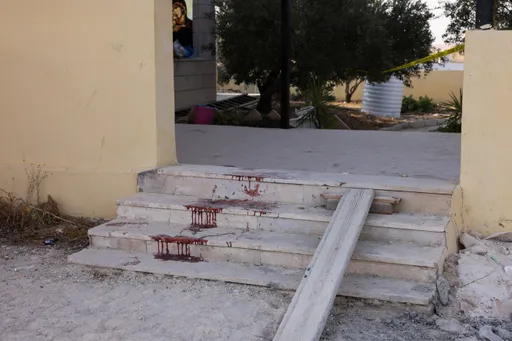
An explosion occurred at a temporary defence ministry storage facility near Sarmada used to collect and store weapons and remnants of war before their transfer. The death toll rose to 14 defence ministry personnel, with more than 10 others injured, including civilians.
Secondary explosions complicated the emergency response. The defence ministry said it assumed full responsibility and launched an investigation into the cause and circumstances.
At the time of reporting, no external actor was blamed and the cause remained undetermined.
September 18–19 2026 — Ayyash, western Deir Ezzor
An explosion occurred at a Syrian army position in Ayyash, west of Deir Ezzor. SANA initially reported that the cause was under investigation. By September 19, the defence ministry had held a funeral for 11 personnel killed in the blast.
September 21 2026 — Al-Eis, southern Aleppo countryside
A series of powerful explosions struck a Syrian army weapons depot near Al-Eis in the early hours of September 21. Secondary detonations continued for an extended period, sending rockets and other projectiles into the surrounding area.
At least four people were injured, including one by shrapnel. Authorities closed roads, including the Aleppo–Damascus highway, evacuated nearby residents and placed emergency teams on alert. The cause remained under investigation, and no external actor was officially blamed in the initial reporting.
Reuters described it as the fourth similar incident in Syria during September.
While many of the earliest post-Assad explosions were widely linked to or occurred amid intensive Israeli air strikes, the more recent cluster of depot blasts has largely been treated by Syrian officials as accidents or storage failures still under investigation, with not many confirmed to external attributions in official statements.