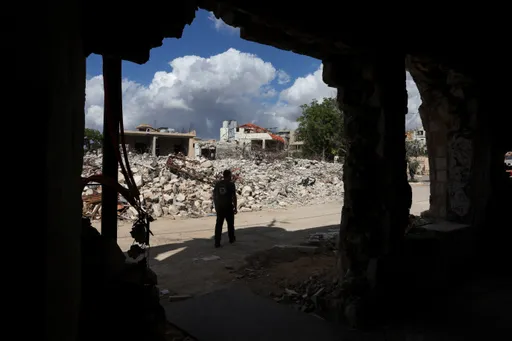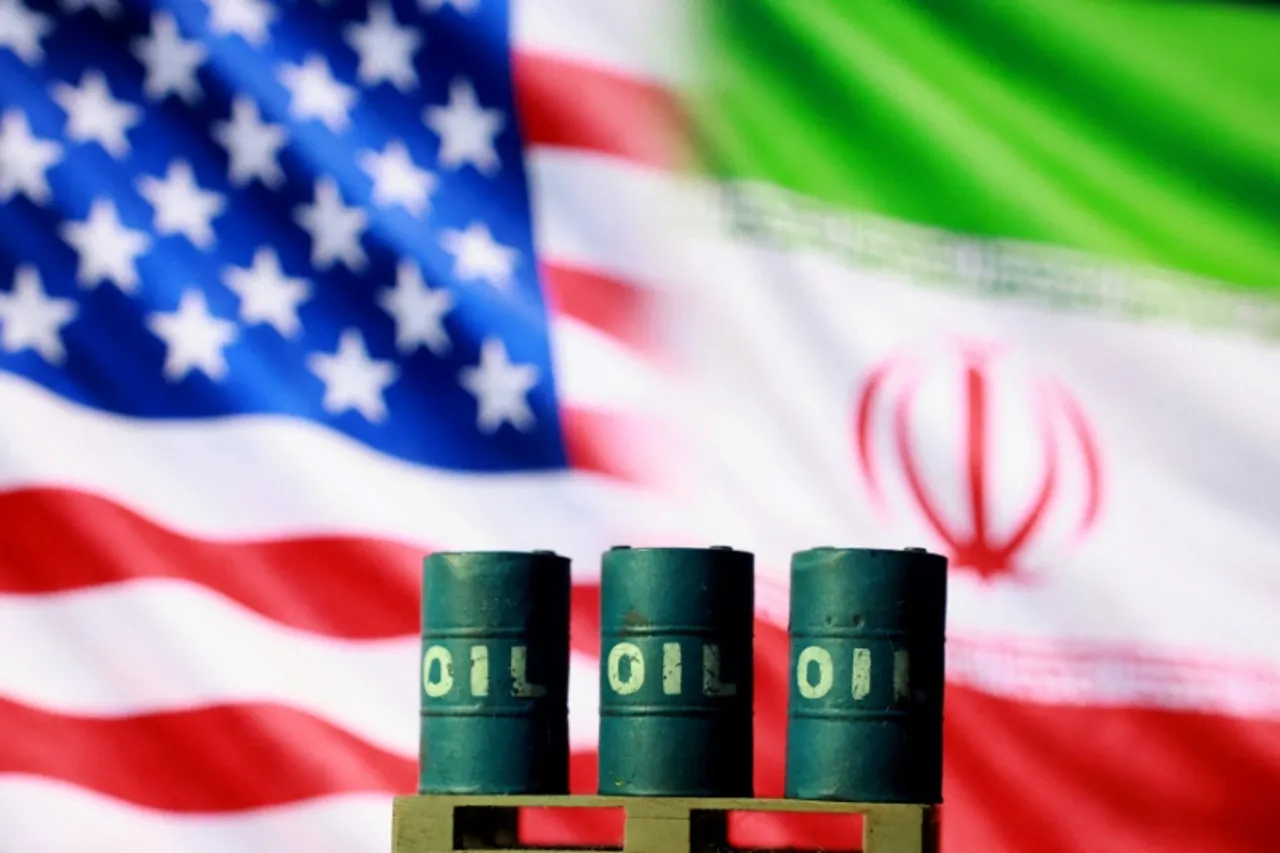
The US-Israel war on Iran has stalled the world’s economic momentum this year, likely pushing growth lower compared to 2025, the International Monetary Fund warned.
The IMF on Tuesday downgraded its forecast for global growth to 3.1 percent in 2026 from the 3.3 percent it had forecast back in January. The expected growth would mark a deceleration from a 3.4 percent expansion in 2025.
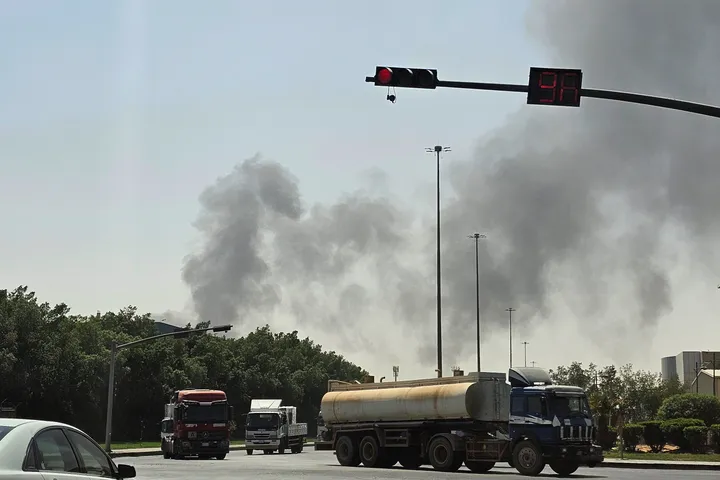
US and Israeli war on Iran — and Tehran’s closing of the Strait of Hormuz and strikes on oil refineries and other energy infrastructure in neighboring countries — have driven oil and gas prices sharply higher around the world.
As a result, the IMF marked up its expectation for global inflation this year to 4.4 percent from 4.1 percent in 2025 and from the 3.8 percent it had forecast for this year in January.
Until the war, the world economy had shown surprising resilience in the face of US’ protectionist policies, which built a wall of import taxes around the US, the world’s biggest economy and once a market practically wide open to imports.
The damage was less than feared partly because Trump’s tariffs last year ended up being lower than what he’d originally announced.
A tech boom, marked by massive investment in data centers and artificial intelligence, and rising productivity also combined to strengthen the world economy.
"War in the Middle East has halted this momentum," IMF chief economist Pierre-Olivier Gourinchas wrote in a blog post accompanying the fund’s latest World Economic Outlook.
The IMF’s forecast assumes that conflict in the Gulf is short-lived and that energy prices rise "a moderate 19 percent" this year.
Things could be much worse.
In a "severe scenario" in which the energy shocks spill into next year and central banks are forced to raise interest rates to combat inflation, global growth could drop to 2 percent in 2026 and 2027.
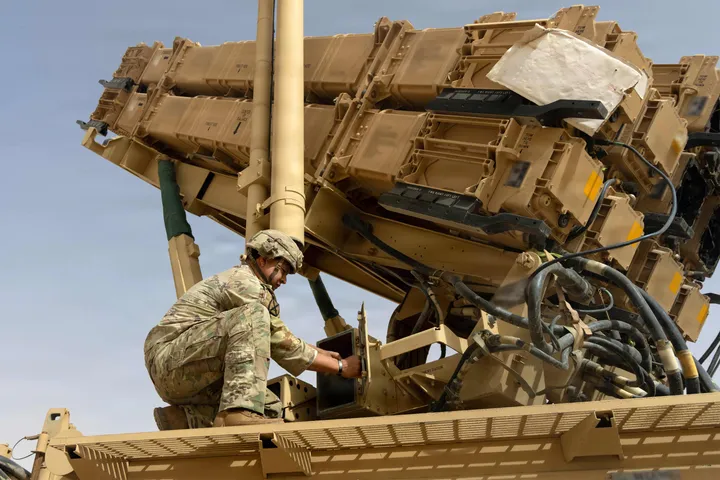


"Despite the recent news of a temporary ceasefire, some damage is already done, and the downside risks remain elevated," Gourinchas wrote.
Russia emerging as winner
The fund slightly downgraded its forecast for US growth this year to 2.3 percent. The 21 European countries that share the euro currency, hard hit by soaring natural gas prices, will collectively grow 1.1 percent this year, down from 1.4 percent in 2025, the IMF forecast.
Hardest hit are likely to be deeply indebted poorer countries that import energy and can’t afford to buffer their economies with stepped-up government spending and tax relief. The IMF sharply lowered the outlook for Sub-Saharan Africa, for instance, to 4.3 percent this year from the 4.6 percent it had expected in January.
One winner that’s emerging from the conflict is Russia, an energy exporter that stands to benefit from higher prices. The IMF upgraded its forecast for the Russian economy, hard hit by sanctions following the Ukraine war, to a still-modest 1.1 percent.
Meanwhile, the governor of the National Bank of Ukraine has tried to keep Ukraine war at the center of talks among global economic leaders.
But in a Monday interview with reporters, Andriy Pyshnyy noted how higher oil prices due to the war in Iran are hurting his country.
He said through a translator that annual inflation in March hit 7.9 percent in Ukraine, well above the forecast of 7 percent in large part because of higher fuel costs. He estimated that fuel prices could push up annual inflation by 1.5 percentage points to 2.8 percentage points.
Pyshnyy noted that there could also be higher fertiliser and production costs in an economy that is seeking stable prices as part of the ongoing war with Russia.
"We are trying to walk on a razor blade," he said of a mission complicated by external factors.