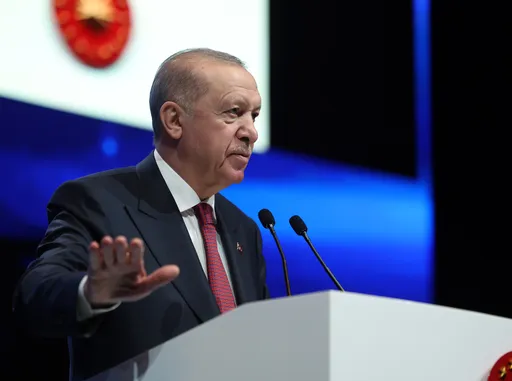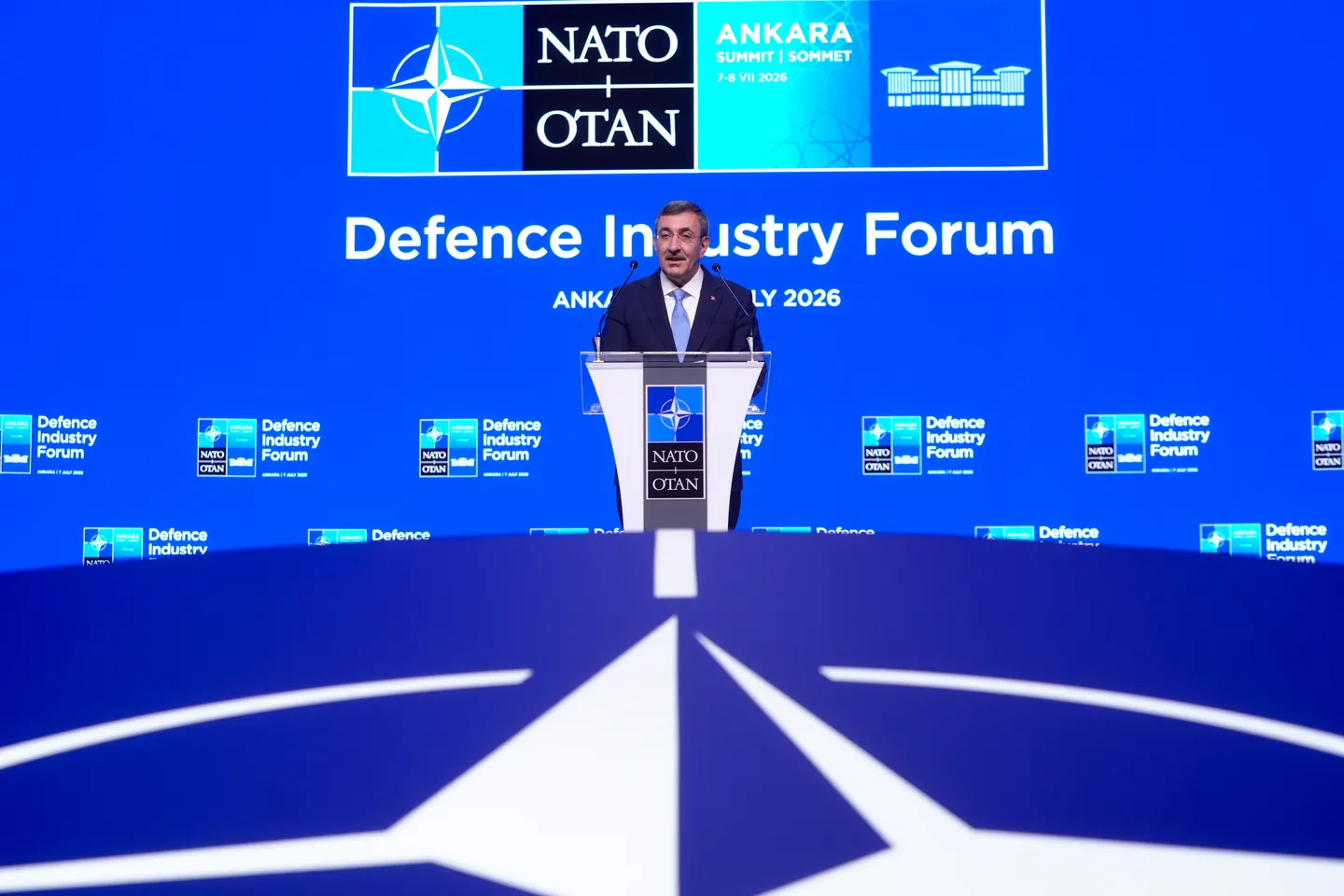
Türkiye must maintain a strong domestic defence industry to pursue an independent foreign policy, Vice President Cevdet Yilmaz said, arguing that countries dependent on external military capabilities cannot fully control their strategic decisions.
"If you are going to pursue an independent foreign policy, you must have a defence industry," Yilmaz said during a live interview with 24 TV on Sunday. "If you ensure your security with instruments provided by others, you cannot pursue an independent foreign policy."
His comments came after Türkiye hosted the 36th NATO Leaders’ Summit in Ankara, where he said the alliance demonstrated renewed unity and momentum amid growing global security challenges.
Ankara summit highlights NATO unity and Türkiye’s role
Yilmaz described the Ankara summit as a success, saying the participation of all NATO leaders showed the alliance’s ability to convene effectively at a time of uncertainty.
He said NATO is entering a new phase, with Europe expected to play a larger role in the alliance’s defence structure.
"The European pillar will continue to grow stronger," Yilmaz said, adding that European allies are moving toward taking on a greater share of NATO’s defence burden.
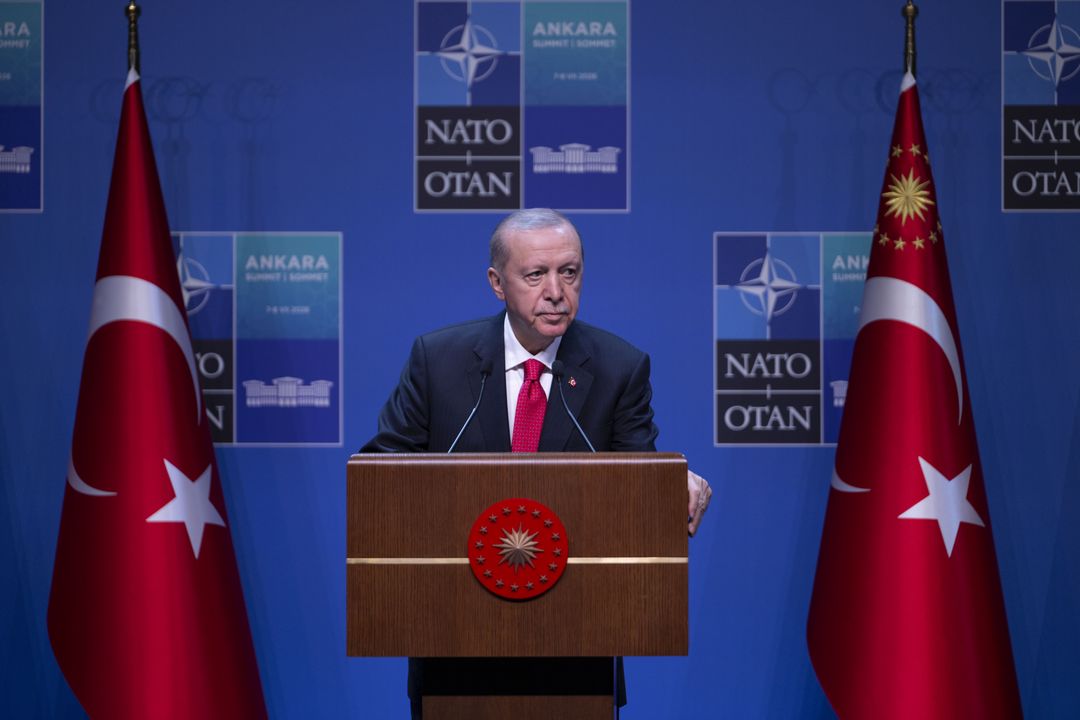
He also said the summit strengthened Türkiye’s international standing, with NATO Secretary General Mark Rutte praising Ankara’s organization of the high-level gathering.
"The next host country has a very difficult job. You have set the bar very high," Yilmaz quoted Rutte as saying.
Türkiye’s defence sector expands global footprint
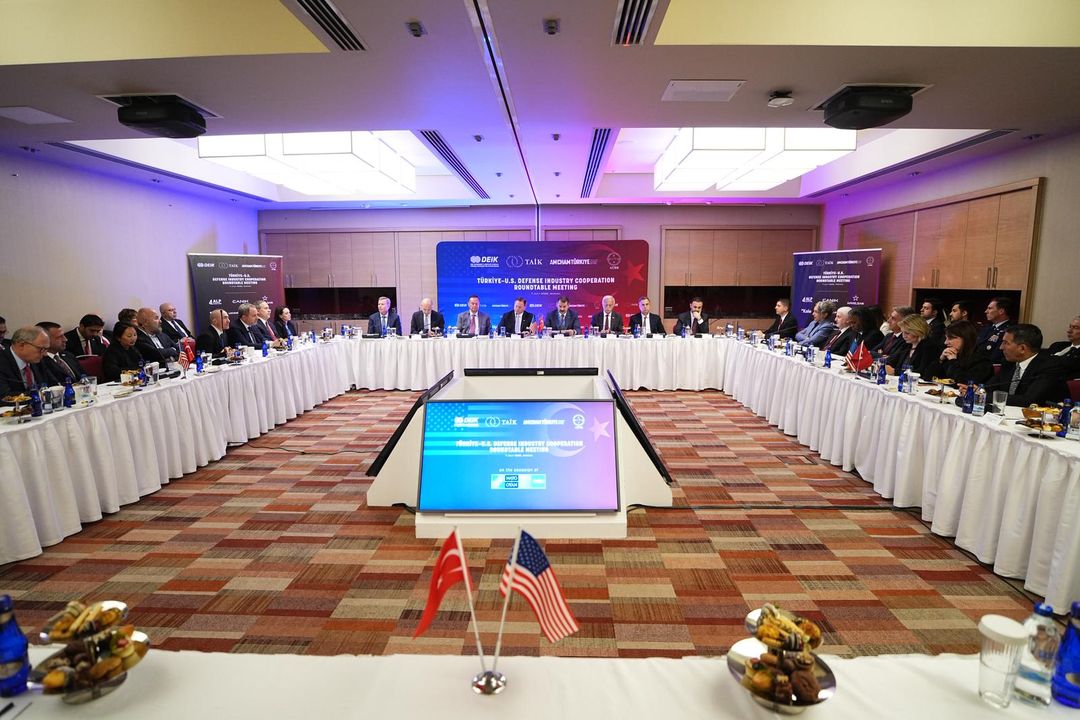
Yilmaz said the NATO summit also highlighted the growing importance of defence industries, with the Defence Industry Forum included in the summit programme for the first time.
He said Türkiye’s early investments in domestic defence capabilities under President Recep Tayyip Erdogan’s leadership had created a powerful industrial base.
More than 80 percent of equipment used by the Turkish Armed Forces is now domestically produced, Yilmaz said, adding that Türkiye ranks as the world’s 11th-largest defence exporter and is aiming to enter the top 10.
He said defence exports exceeded $10 billion last year and surpassed $11 billion over the latest 12-month period.
Yilmaz also pointed to the sector’s young workforce, saying around 100,000 people work in Türkiye’s defence industry, with an average age of 34.
"The future belongs to us. The future belongs to Türkiye," he said.
Ankara expects progress on US defence ties
Addressing US President Donald Trump’s remarks on lifting sanctions against Türkiye and possible F-35 fighter jet sales, Yilmaz said sanctions between NATO allies should not exist.
"Türkiye has faced both overt and covert sanctions and obstacles," he said, adding that restrictions ultimately pushed Ankara to strengthen its own defence production.
"We have reached the point where we export to countries that once imposed restrictions on us," Yilmaz said.
He said Trump’s statement that "we cannot impose sanctions on our friends" reflected a positive direction in bilateral ties and praised the relationship between Trump and Erdogan.
"The relationship he has established with our president is important. He has demonstrated a very harmonious approach," Yılmaz said, adding that Ankara expects further developments on defence cooperation.
Defence investment tied to economic strength
Yilmaz said rising global risks are driving countries worldwide to increase defence spending, stressing that Türkiye’s investments are aimed at ensuring decision-making independence rather than isolation.
"When I speak of independence, I do not mean isolation. I mean having the ability to make your own decisions and participate in these processes on your own terms," he said.
He added that defence investments also support a knowledge-based economy by creating high-value jobs and technological capabilities.
Yilmaz also highlighted the symbolic role of the Mehter military band during the NATO summit, saying it reflected Türkiye’s historical heritage and national identity.