 Kazim Alam
In mid-October, a Russian military satellite in low-Earth orbit came dangerously close to a commercial US spacecraft reportedly serving Ukrainian military needs.
The approach was so extreme that the two spacecraft may have been “just a few meters” away from each other at one point.
Satellite trackers called the non-consensual manoeuvre a “worrisome cat-and-mouse game” in space between Russia and Ukraine, the two countries at war since February 2022.
Experts say the incident is an indication that space is increasingly turning into the final frontier for drawn-out geopolitical wars that countries can’t settle using conventional tools.
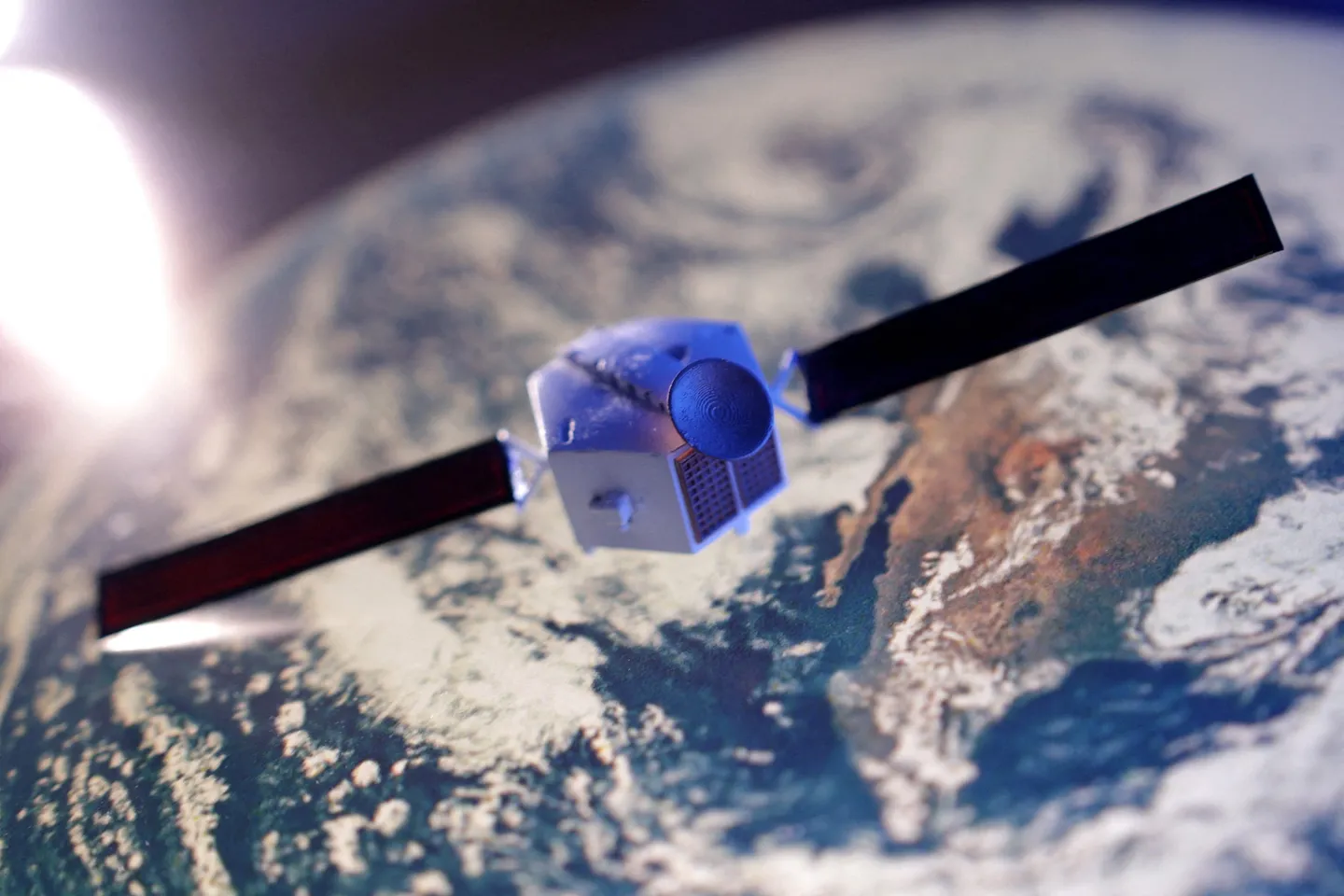
Russia’s Kosmos-2612 moved dangerously close to ICEYE-X36 equipped with a synthetic aperture radar (SAR) – a technology that can see through clouds during both day and night to create two-dimensional images of objects on Earth.
The satellite is owned by ICEYE US, an American subsidiary of Finland-based ICEYE. Analysts say ICEYE-X36 is likely used by Ukraine for satellite imagery. Kiev has formal access to data collected by the Finnish company’s constellation of SAR satellites.
ICEYE has been supplying satellite data and images to the Ukrainian armed forces since 2022.
Ukraine relies heavily on satellite networks such as Starlink, Starshield, and ICEYE to monitor Russian troop movements and run drones that both intercept missiles and strike targets.
Any disruption in the satellite network by Moscow would substantially degrade Kiev’s ability to launch precision weapons and execute interceptions.
Ukraine’s dependence on its so-called eyes-in-the-sky was on full display last week when Elon Musk’s SpaceX imposed speed restrictions on Starlink and its military-grade Starshield service.
US President Donald Trump had to intervene on Ukraine’s behalf as Musk restored internet speeds to previous levels.

Marco Langbroek, a lecturer in the department of space engineering at Delft University of Technology in the Netherlands, tells TRT World that the encounter was unusual in its closeness.
“We have never seen two satellites coming so close without cooperation between the operators of both satellites,” says Langbroek, who first reported the close encounter.
Earlier uncooperative approaches in space had taken place at distances of tens of kilometres, rather than a few hundred metres, he says.
Langbroek links the episode to a broader pattern that includes Russian satellites approaching other countries’ satellites apparently for eavesdropping, reported hacks of satellite feeds, on-orbit exercises involving close approaches, and tests of anti-satellite weapons.
“Space is quickly developing into a potential battlefield,” he says.
No wonder the language around space operations has also become militaristic of late: the US Space Force now treats space as a “battle domain” and has acknowledged possessing “space weapons”, he says.
Modern military operations now depend heavily on space-based communications, live data streams, including from drones, and satellite intelligence.
In the same vein, civilian life has also grown equally dependent on space-based communications, Langbroek says.
The result is heightened vulnerability for everyone, he adds.
“This is not just a military threat. It is a threat to us all,” he says.
Langbroek notes that the traditional divide between military and civilian satellites has blurred of late.
Commercial systems, such as those operated by ICEYE and Starlink, now support military tasks, he says.
Russia already considers any commercial satellite used by Ukraine as a legitimate target.
Consequently, satellite systems that multiple countries and ordinary users rely upon can become targets, potentially harming states that are not parties to the conflict, he says.
Militarisation of Earth’s orbits
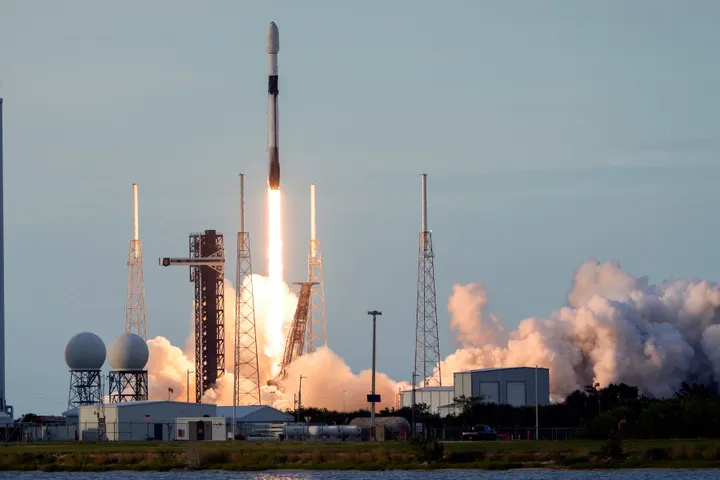

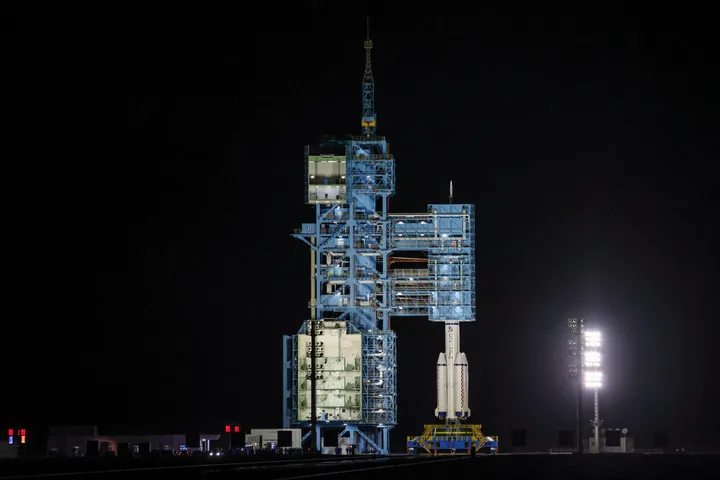



Mark J Sundahl, director of the Global Space Law Centre at Cleveland State University, tells TRT World the stalking of satellites in space is on the rise.
The phenomenon is fanning global concerns about the growing militarisation of Earth’s orbits, he says.
“All kinetic warfare that could result in the creation of massive debris clouds that will stay in orbit for hundreds of years must be prohibited,” he says.
Sundahl says such action is already inconsistent with Article IX of the Outer Space Treaty, which requires states to exercise “due regard to the corresponding interests” of other countries.
Generating debris clouds that threaten civilian satellites would constitute a “clear violation” of that obligation, even though he notes that not everyone shares this interpretation of the law.
“The common orbital infrastructure that we all share for purposes of telecommunication, navigation, and other daily needs cannot be put into danger due to terrestrial conflicts,” Sundahl says.
Ilyas Golcuklu, head of the private international law department at Altinbas University in Istanbul, tells TRT World that the non-consensual close approach between a military and a commercial object in space is no longer a hypothetical exercise.
“Space has already become a new frontier for geopolitical conflict,” he says.
With the growing volume of objects in orbit, distinguishing commercial from military assets will become harder, he notes.
“The escalation of national rivalries into space is a justified concern for all humankind,” he says.
Lack of established norms
Clear and widely accepted norms for uncoordinated proximity operations in space remain mostly non-existent.
Langbroek attributes this mainly to the opposition by major space powers, which have resisted rules that might constrain their own extraterrestrial activities.
In wartime, rules of conduct are often the first to be broken, he says.
“Any form of uncooperative proximity should not be performed, because of the risks involved. Yet, it happens,” he says.
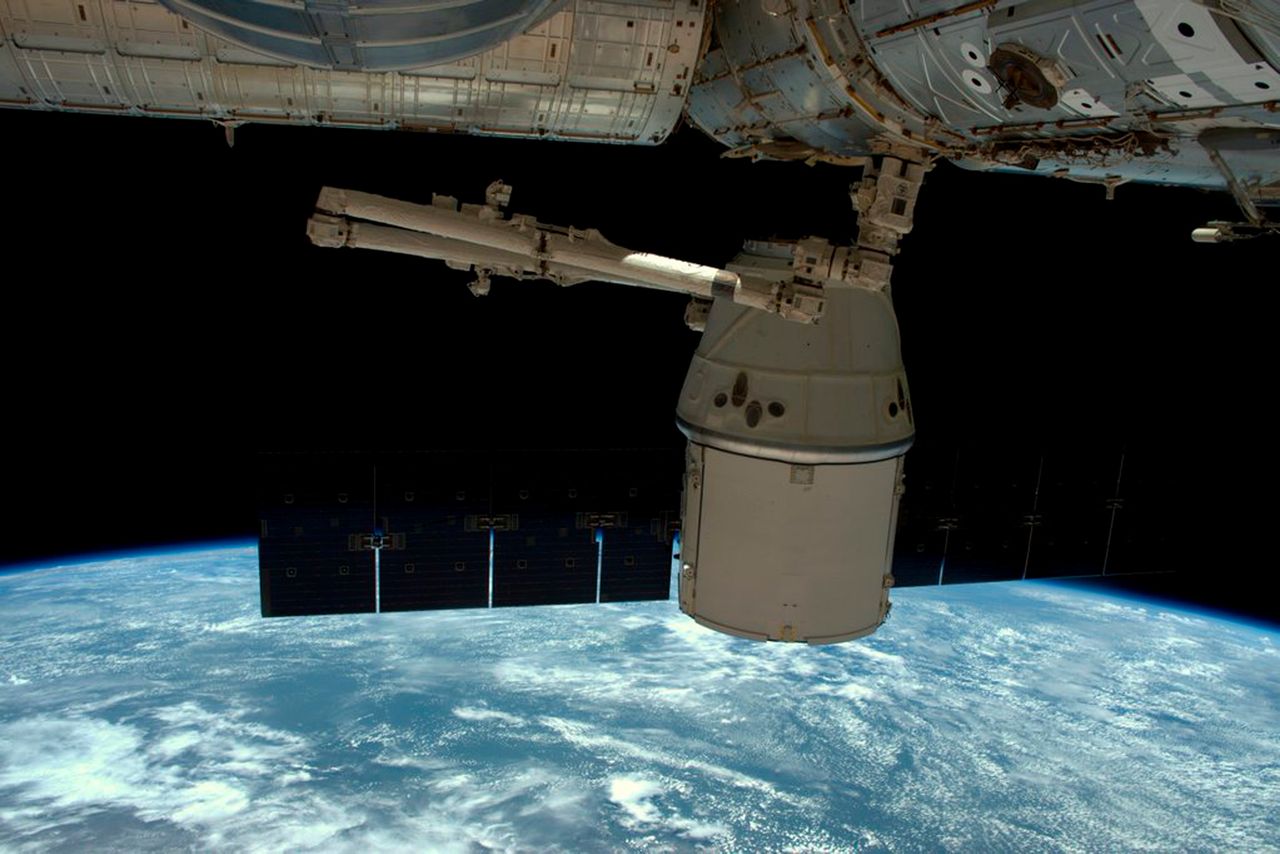
Golcuklu notes that space approaches conducted for peaceful purposes – such as refuelling, repairing a component, or removing space debris – rely on technologies that are essentially identical to those needed to spy on or disable a rival satellite.
Distinguishing legitimate activity from hostile intent – and closing the regulatory vacuum – has become increasingly challenging, he says.
“Minimum safe distances” or “keep-out zones” must be devised as quickly as possible by the UN before the risks become too big to handle, he adds.
For example, experts consider the risk of a minor miscalculation resulting in collisions and creating space debris as serious.
Langbroek notes that a kinetic attack – whether by collision or by a projectile – would generate large amounts of on-orbit debris that endangers satellites belonging to countries uninvolved in any conflict.
Even non-kinetic methods, such as disabling electronics with an electromagnetic pulse, would leave the targeted satellite itself as debris, adding to collision hazards, he says.
During close approaches, the risk of an unintended collision is real: if the operator of the approached satellite becomes nervous and attempts an evasive manoeuvre, the geometry can become hazardous, he says.
Even controlled approaches in space can go wrong.
“It really is a risky thing to bring your satellite so close to another satellite, especially without coordination with the owner of that satellite,” Langbroek says.