 Kazim Alam
Türkiye receiving the status of Dialogue Partner in the Association of Southeast Asian Nations (ASEAN) – a political and economic bloc of 11 countries – marks a major milestone in Ankara’s engagement with Asia-Pacific.
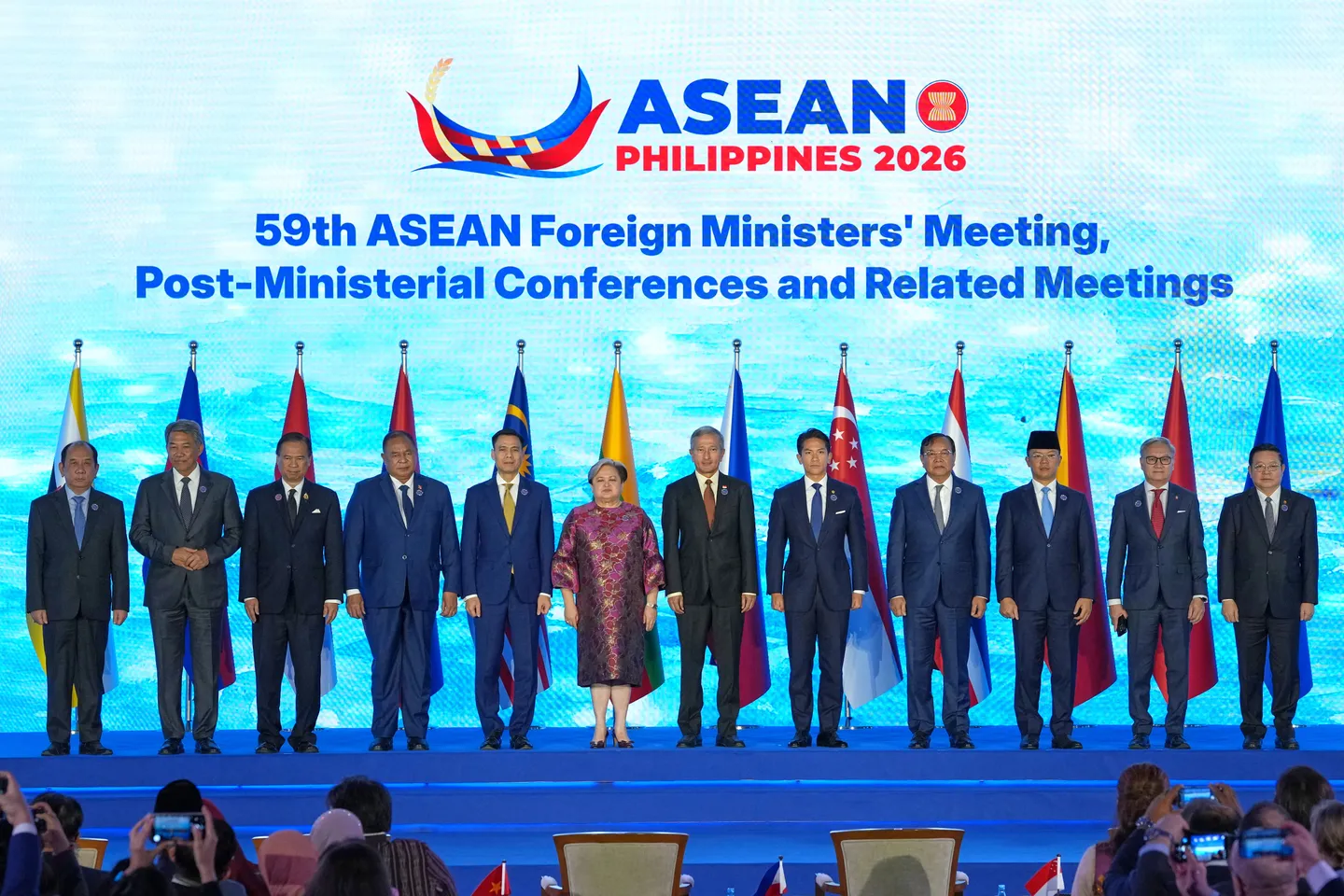
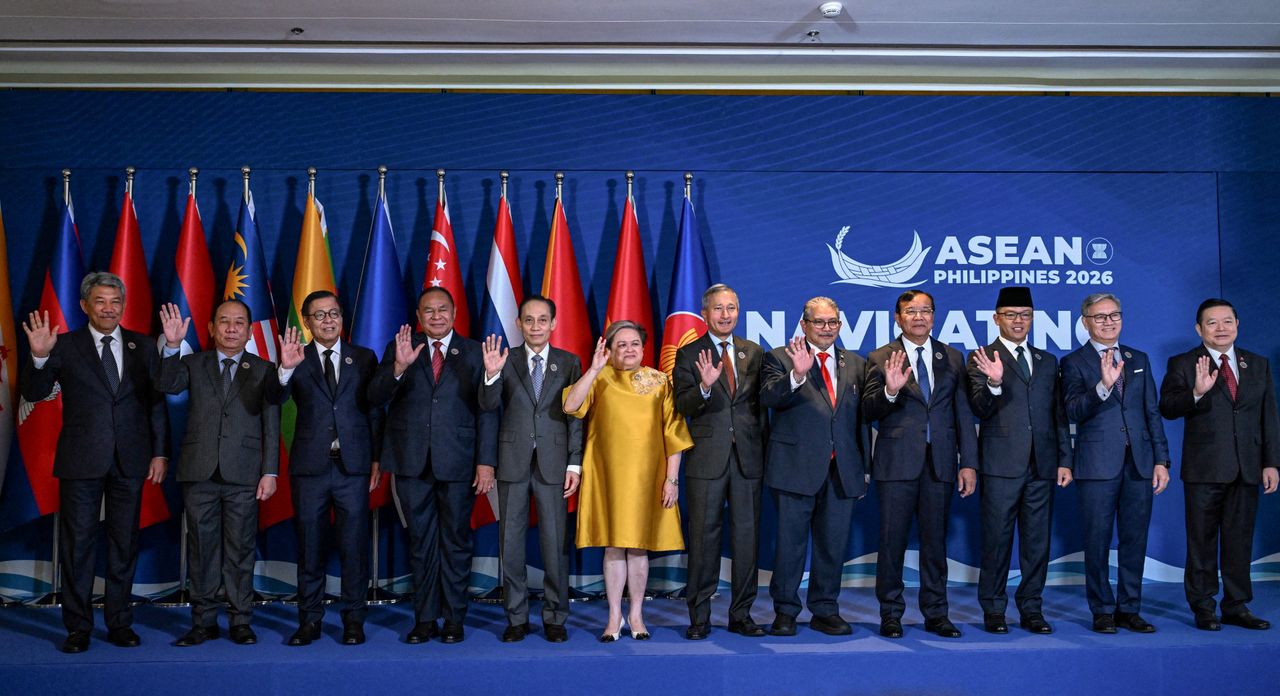
Announced after a meeting of ASEAN foreign ministers in Manila, the decision makes Türkiye the bloc’s 12th Dialogue Partner, a category immediately below full membership.
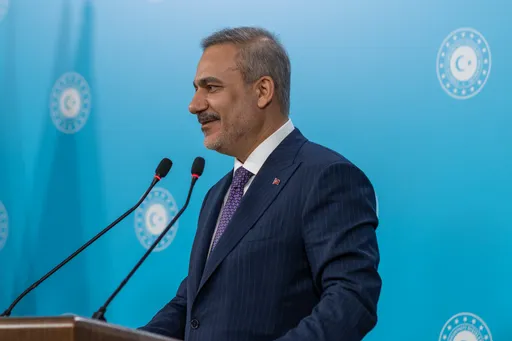
Turkish Foreign Minister Hakan Fidan called the development “highly significant” for strengthening Türkiye's presence in Asia-Pacific – a region spanning the west and central areas of the Pacific Ocean that Ankara identifies as its eastern axis of global diplomacy.
Türkiye joined ASEAN’s Treaty of Amity and Cooperation in 2010 and became a Sectoral Dialogue Partner in 2017.
Hatice Celik, an academic and director of the ASEAN Application and Research Center at the Social Sciences University of Ankara, says the Dialogue Partner status is “one of the most significant institutional achievements” of Ankara under its Asia Anew Initiative launched in 2019.
“It is an institutional milestone demonstrating that Türkiye is recognised by ASEAN as a reliable and long-term partner,” she tells TRT World.
Rather than signalling any geopolitical shift away from other regions, the move demonstrates Türkiye’s intention to pursue a “more diversified and multidimensional foreign policy” by strengthening its engagement with one of the world’s most dynamic regions.
Türkiye already maintains historical ties with Asia-Pacific nations, where the country has gained “incredible weight” since the end of the Cold War, she says.
Trade between Türkiye and ASEAN – a region of nearly 700 million people and an economy exceeding $4 trillion – has grown to $16 billion from $6.5 billion in 2010 when institutional ties were first established.
Ferhat Durmaz, a foreign policy expert and assistant professor at Ankara University, calls the status elevation an important step in placing Ankara’s Asia outreach on a higher institutional footing.
“The status will reinforce Ankara’s multidimensional foreign policy approach, which seeks to engage not only with the West but also more actively with the Asia-Pacific region,” he tells TRT World.
Türkiye’s main objectives in Asia-Pacific include diversifying economic partnerships, expanding trade and investment ties, playing a more active role in global supply chains, and building long-term strategic relations with Asia’s emerging economies, he says.
Ankara’s priorities in the ASEAN region also encompass deeper cooperation in the defence industry, digital transformation, energy security, transportation, and education.
The Dialogue Partner status will allow Türkiye to conduct more regular political consultations with ASEAN members and engage with the bloc more directly on regional and international issues of mutual interest, he notes.
This will enhance Türkiye’s visibility and diplomatic influence in the Indo-Pacific, Durmaz adds.
A gateway country for ASEAN
Experts say Ankara’s new status in ASEAN does not automatically deliver free-trade or investment agreements.
Instead, it will create stronger institutional frameworks that will be mutually beneficial in the long run.

Celik says the dialogue partnership will provide a stronger platform for regular high-level dialogue and more visibility of Türkiye in the region.
Over time, it may foster a more favourable environment for commercial relations and greater business engagement, she says.
Türkiye and ASEAN are expected to have greater collaboration as the Asian bloc was “one of the pioneers of the connectivity agenda” in the world, she notes.
“Türkiye can be seen as a gateway country for ASEAN economies opening into European and Middle Eastern markets,” she says, noting that the bloc will offer Türkiye a gateway platform to gain easier access into the Asian markets.
According to Durmaz, the new status opens important institutional platforms and diplomatic channels through which Türkiye can advance economic cooperation.
Türkiye can participate more regularly in ASEAN Economic Ministers’ consultations with Dialogue Partners and, where appropriate, in sectoral bodies and working groups.
These can support joint initiatives in trade facilitation, digital economy, green transition, logistics, transport connectivity and supply-chain resilience, he says.
“(The) Dialogue Partner status should be seen not as an economic outcome in itself, but as a tool that provides the political and institutional framework to help achieve those outcomes,” he says.
Not a move away from West
Celik says that becoming the 12th Dialogue Partner in ASEAN enhances Türkiye’s international profile by placing it among the bloc’s closest institutional partners.
More importantly, it institutionalises Türkiye’s engagement with ASEAN through regular ministerial consultations, senior officials’ meetings, expert group meetings, joint cooperation mechanisms, and structured implementation of cooperation plans.
“This gives Türkiye a much stronger voice in shaping the future agenda of ASEAN-Türkiye relations,” she says.
However, the development doesn’t replace Türkiye’s existing partnerships with any region or actor, she insists.
To the contrary, it illustrates a broader strategy of diversifying international engagement and building stronger relations across multiple regions in an evolving multipolar international order, she notes.
Durmaz says the new status in ASEAN will enhance Ankara’s visibility as a middle power with an expanding diplomatic profile on the global stage.
It is consistent with Türkiye’s multidimensional foreign policy that, while maintaining NATO membership and European relations, expands partnerships across Asia, Africa, the Gulf and Latin America, he says.
“It would not be accurate to interpret this as a move away from the West or as a replacement for Türkiye’s existing alliances,” he says.