People in the southern Ukrainian city of Kherson have been told to flee due to intensifying Russian attacks that risk cutting electricity and heating supplies for an extended period.
"I am once again addressing the residents of Kherson, especially families with children and elderly people: if you have the possibility... please leave," regional governor Oleksandr Prokudin wrote on Telegram on Thursday.
Prokudin said there was an "extremely difficult security situation" in Kherson, which had about 280,000 inhabitants before the start of Russia's war on Ukraine in February 2022.
"The enemy is intensifying its attacks every day on the region's critical infrastructure," he added.
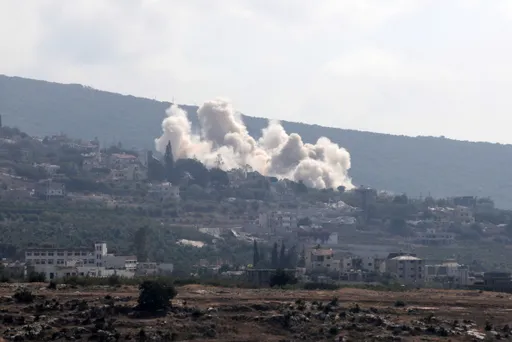
"Last night, Russian forces again attacked Kherson's district heating plant with glide bombs... the facility sustained very serious damage.
"Kherson may find itself without electricity or heating not for hours or days but for a long period.
"Currently, there is no way to destroy these types of drones or the aerial bombs in any region of our country."
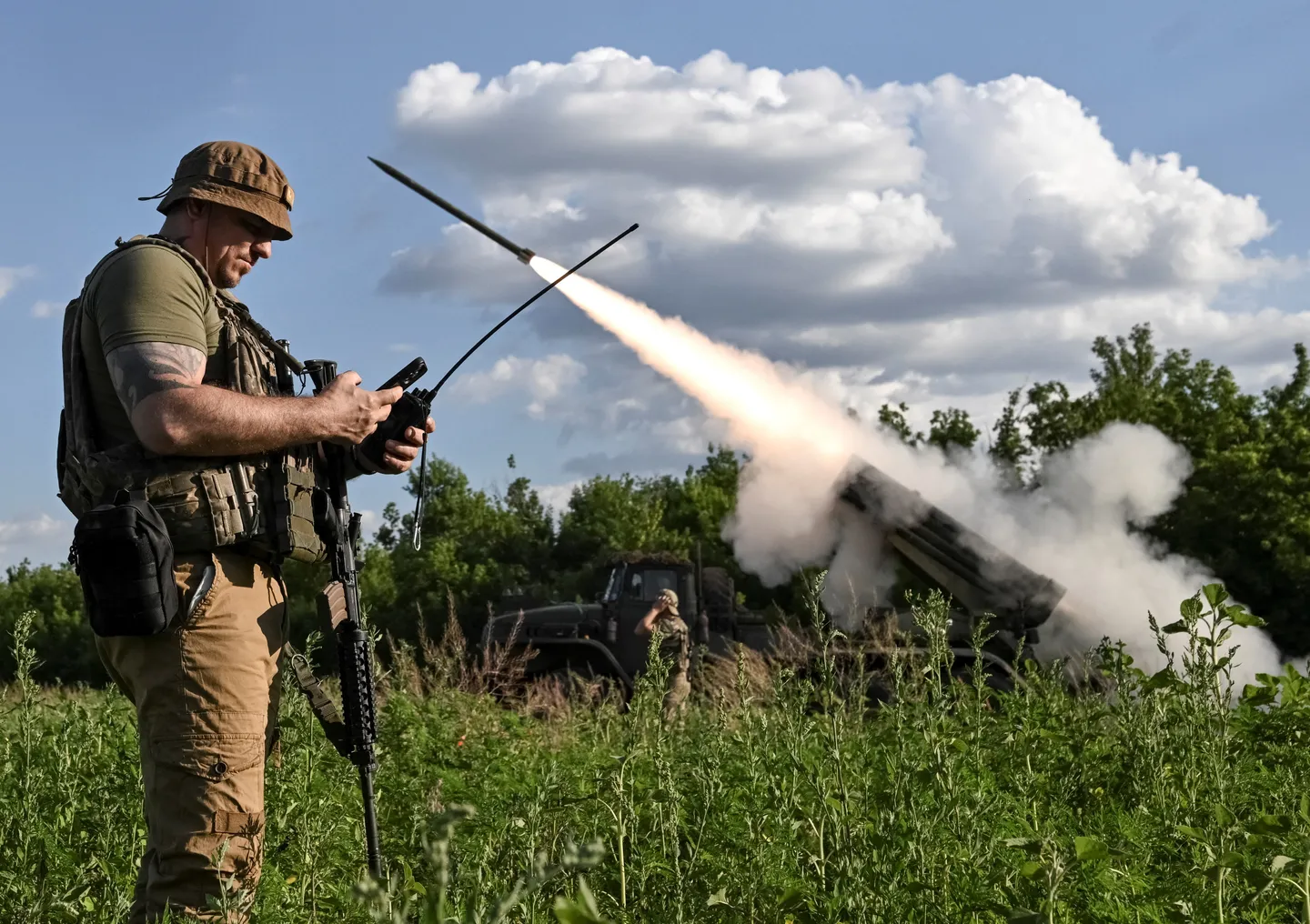
Russia and Ukraine have for several months been ramping up their long-range strikes, increasingly targeting civilian infrastructure such as logistics warehouses and oil and port facilities.
Civilian casualties are growing as a result.
Last winter, the Russian army repeatedly struck Ukrainian power plants, plunging millions of people into cold and darkness.





Kherson was under Russian control from March to November 2022.
Russian forces are now positioned on the other side of the Dnipro River that borders it and regularly shell the city.
Russia rejects 'scare stories'
The Kremlin has meanwhile dismissed as "scare stories" US media reports suggesting that Russia could attack NATO, following a rare visit by the CIA director to Moscow.
US President Donald Trump and a senior EU official also played down the risk of Russian aggression.
The Wall Street Journal and CBS News reported that CIA Director John Ratcliffe had sought to dissuade Russia from attacking NATO members, amid US intelligence assessments that Moscow could seek to test the alliance.
The Journal reported that President Vladimir Putin could test NATO with a "limited assault" within the next few years.
Asked to comment on the reports at a daily briefing, Kremlin spokesman Dmitry Peskov said: "A lot of such scare stories are being published right now. Of course, they have nothing to do with reality."