 Murat Sofuoglu
Libya, an energy-rich North African country with Africa’s largest oil reserves, descended into a bloody civil war in 2014 between rival western and eastern factions, three years after the violent overthrow and killing of longtime leader Muammar Gaddafi.
Despite intermittent fighting between the rival forces, the internationally recognised government in Tripoli has largely retained its legitimacy, signing significant agreements with countries such as Türkiye.
In recent years, however, political dialogue between the rival administrations has gained momentum, with Türkiye promoting its "One Libya" policy and supporting rapprochement between the two sides to unify the fractured country under a single central government.
In April, the rival eastern and western factions agreed on a centralised national budget to share the country's substantial oil revenues, marking a step towards reunification.
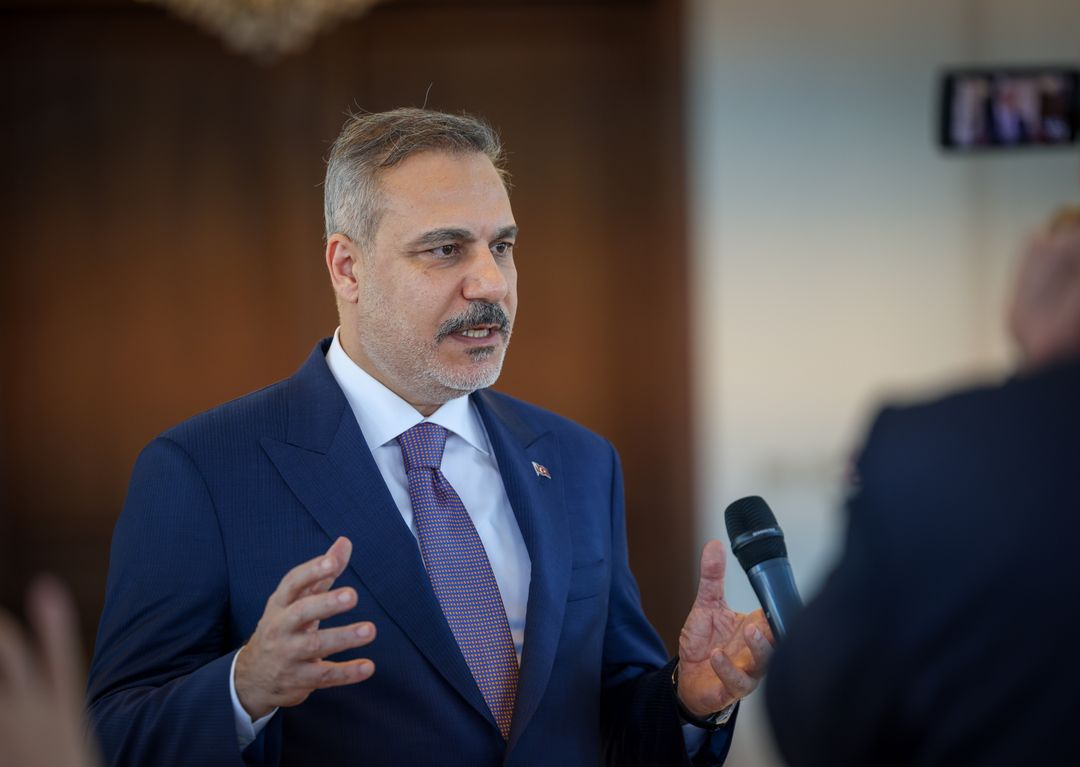
In August, Turkish Foreign Minister Hakan Fidan made a significant visit to Libya, holding talks not only in Tripoli, the seat of the internationally recognised government in the west, but also in Benghazi, the stronghold of the eastern administration led by Khalifa Haftar, General Commander of the Libyan National Army.
"It is essential that our Libyan brothers and sisters build their own future freely, securely, and prosperously. In line with the vision set out by our President Recep Tayyip Erdogan, we will continue to support dialogue and cooperation between Libya's west and east and to contribute to Libya's peace, stability, and prosperity," he said after his Libya consultations.
‘One Libya’ policy
Two weeks after Fidan’s meetings in Libya, the UN announced a roadmap outlining a two-year timeline for presidential and parliamentary elections, institutional unification, and the restructuring of the electoral commission, marking another step towards reunifying the country.
“That Türkiye is now able to engage with actors on both sides of Libya’s divide is very beneficial,” Salah Bakkoush, a Libyan political analyst, tells TRT World.
“Türkiye's leverage will be most consequential when engagement with both sides translates into institutional unification rather than accommodation of permanent parallel structures,” Bakkoush, also a former advisor to the High Council of the Libyan state, says.
Bakkoush observes a growing willingness among Libya’s rival political factions to reach a compromise.
However, he cautions that unifying competing centres of power under a single state authority will be difficult because “institutional authority remains unresolved” between the two sides.
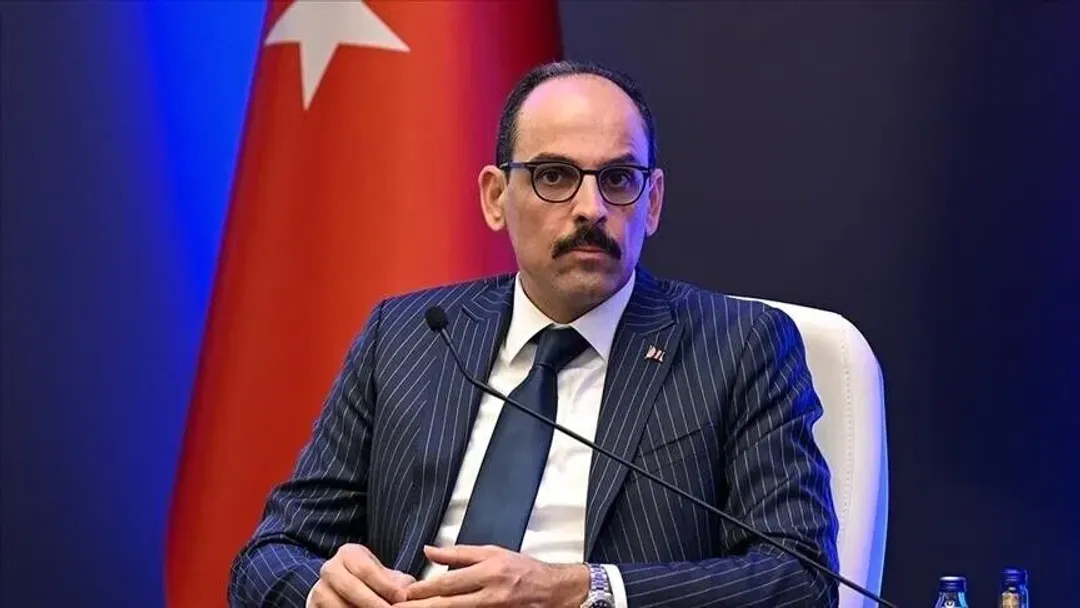
Following Fidan’s visit, diplomatic contacts between Libya and Türkiye have intensified. Turkish intelligence chief Ibrahim Kalin met Libya’s acting defence minister, Abdussalam Zubi, in Istanbul on Saturday to discuss ongoing efforts towards institutional unification.

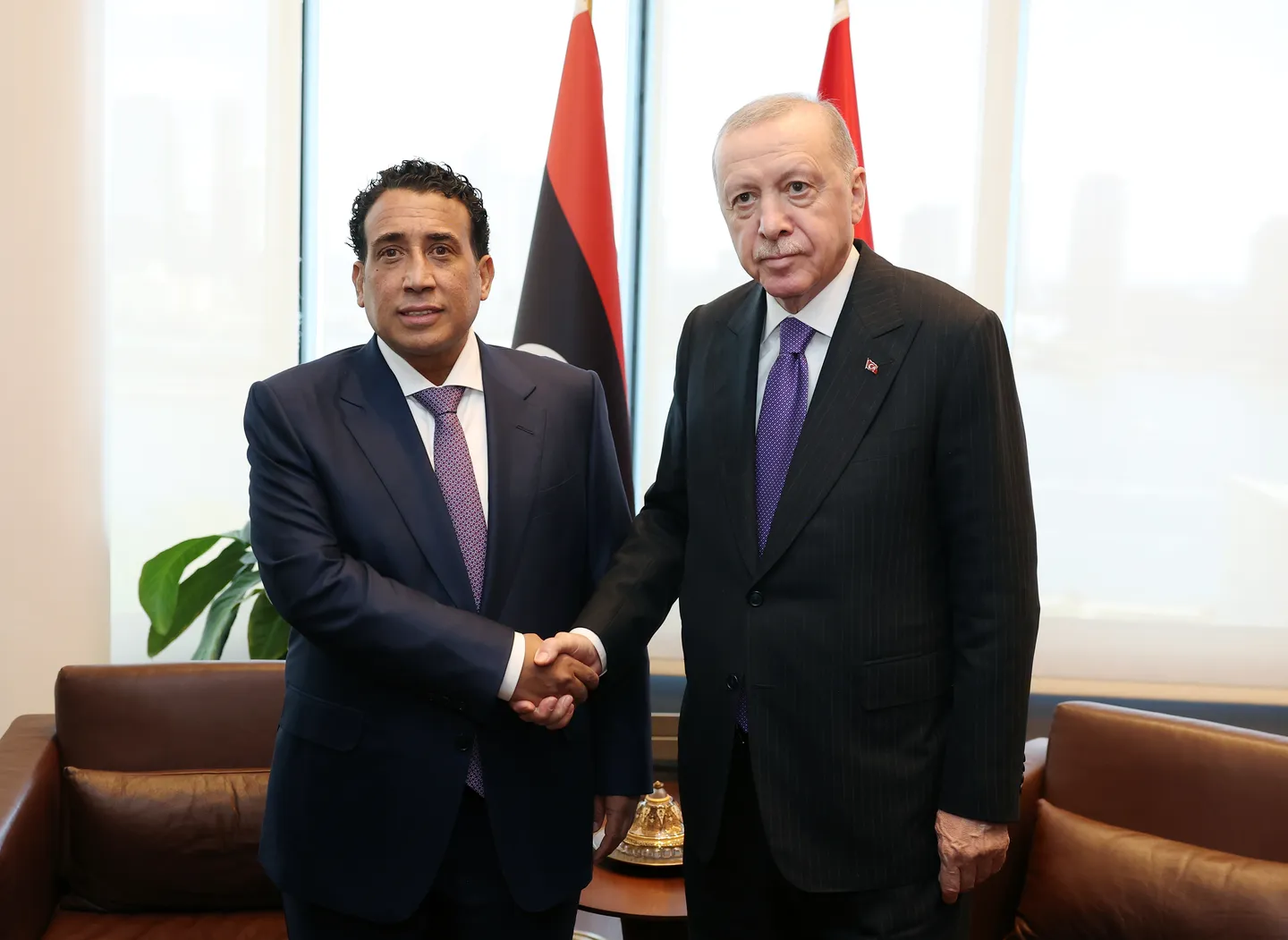
On Tuesday, President Recep Tayyip Erdogan also met Mohamed Menfi, chairman of Libya’s Presidential Council, on the sidelines of the 81st session of the United Nations General Assembly in New York, emphasising the importance of national dialogue and reconciliation.
"A fragmented Libya exports insecurity; a sovereign Libya can contain it," says Bakkoush. "The more Libya restores unified control over its institutions, borders and security forces" the better the country will prevent illegal trafficking networks and help regional stability, adds the Libyan analyst.
Ankara-Benghazi channels
Türkiye's efforts to unify Libya have taken shape particularly since the October 2020 ceasefire agreement between the UN-recognised Government of National Accord (GNA) in Tripoli and Khalifa Haftar’s eastern-based Libyan National Army (LNA), which ended large-scale fighting in the country's civil war.
Before the ceasefire, Türkiye had already established important ties with Libya, signing a landmark maritime agreement with the Tripoli government in 2019 that delineated their respective maritime jurisdictions in the gas-rich Eastern Mediterranean. Following the ceasefire, Ankara increasingly turned its attention towards Libya's east.
“Since the 2020 ceasefire, Türkiye’s engagement with eastern Libya has evolved beyond humanitarian assistance and reconstruction to include greater political, economic, and defence-related cooperation,” Ferhat Polat, a senior researcher and analyst specialising in North African geopolitics and security, tells TRT World.
Saddam Haftar, the youngest son of Khalifa Haftar, who was appointed deputy general commander of eastern forces in August 2025, has been “an important figure in this rapprochement, visiting Türkiye several times and meeting with senior Turkish officials,” Polat says.
According to Polat, Haftar's visits, alongside growing institutional contacts between Ankara and eastern Libya, have opened new channels of communication between the two sides, contributing to the ongoing national dialogue between the rival western and eastern administrations.
He also points to Türkiye's growing defence capabilities and military ties with Libya as factors that could help the North African country establish a unified security structure across its vast territory.
In August 2025, the Turkish naval vessel TCG Kinaliada made a significant port call in Benghazi, where Turkish and eastern Libyan military officials discussed cooperation under the framework of a “One Libya, One Army” objective.
“Once security is firmly established across the country, the broader stabilization process can progress more smoothly. In this context, bringing Libya’s military institutions under a unified command structure is crucial,” Polat tells TRT World.
“Türkiye has provided training and other support to strengthen the professionalism and institutional capacity of the Libyan army.”