Israel’s government said on Sunday it will not recognise decisions made by the Council of the Second Authority, the country’s commercial broadcasting regulator, in defiance of a recent High Court ruling allowing the body to continue operating despite lacking a legal quorum.
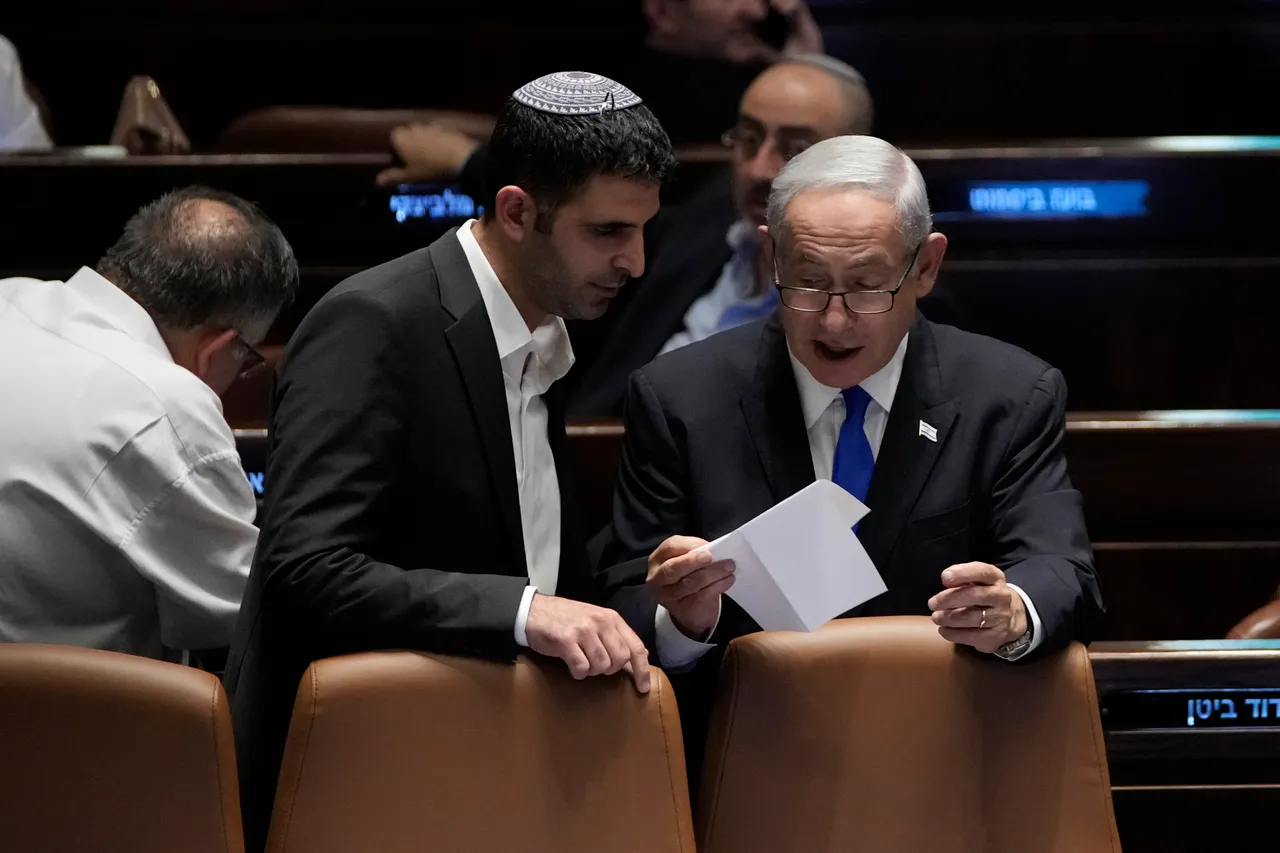
The Cabinet approved a declaration proposed by Communications Minister Shlomo Karhi and Justice Minister Yariv Levin saying the government would not respect decisions, approvals, appointments or actions taken by the council in its current composition, according to The Times of Israel news website.
The move could trigger a constitutional crisis by creating a situation in which the High Court considers the council’s decisions valid while the government refuses to implement them.
In its resolution, the government argued that the court verdict violated provisions of the 1990 law governing the Council of the Second Authority, insisting that “the rule of law obligates all governmental authorities, including the court.”
It claimed that a court ruling “cannot confer authority that does not exist under the law.”
Last month, Israel’s High Court froze a government decision to alter the composition of the broadcasting council and ruled that it could continue functioning despite several resignations that left it below the required two-thirds quorum.
The court said it suspected the resignations were intended to deliberately paralyse the regulator’s work and undermine an earlier judicial ruling.
It also accused Karhi of orchestrating efforts to obstruct the council’s operations following an interim order issued in May.







Will lead to chaos in streets
The government’s move was widely described by Israeli media as an unprecedented refusal to comply with a High Court ruling, deepening the constitutional standoff between Prime Minister Benjamin Netanyahu’s government and the judiciary.
Opposition leaders strongly criticised the decision, warning it could undermine the rule of law and trigger legal chaos.
Former Prime Minister Naftali Bennett said in a post on X that refusing to comply with High Court decisions would lead to “chaos in the streets” and “the disintegration of the state.”
Opposition leader Yair Lapid said a government that refuses to accept High Court rulings “immediately becomes an illegal government,” adding that his bloc would continue recognising the authority and decisions of the current council.
The dispute is the latest in a series of clashes between Netanyahu’s coalition and the High Court since the government took office in late 2022, amid repeated accusations by ministers that the judiciary is interfering in legislative and executive powers.
In February, the court issued a conditional order requiring Netanyahu to explain why National Security Minister Itamar Ben-Gvir had not been dismissed.