 Murat Sofuoglu
Canada and the US share many cultural similarities, from fashion trends to popular culture, partly because of their proximity and the world's longest international border.
Despite these similarities, Canadians have historically resisted becoming part of the US, an idea the Trump administration recently revived by repeatedly referring to Canada as America's 51st state.
More than 250 years ago, when the American colonies revolted against British rule, Canadians refused to join them as a 14th rebellious colony.
During the War of 1812, Canadians again resisted an American invasion. Since then, Canada and the US have largely maintained peaceful relations.
But Washington's repeated statements about making Canada the 51st state appear to have rekindled Canadian nationalism and historical concerns over American ambitions, prompting the country's centre-left Prime Minister Mark Carney to seek new partners, from Europe to China, with "better manners".
While Carney has described his search for new partners as something other than an attempt to build "a third bloc in order to become a great power rival" against the US, he has also made clear that Canada rejects foreign domination.
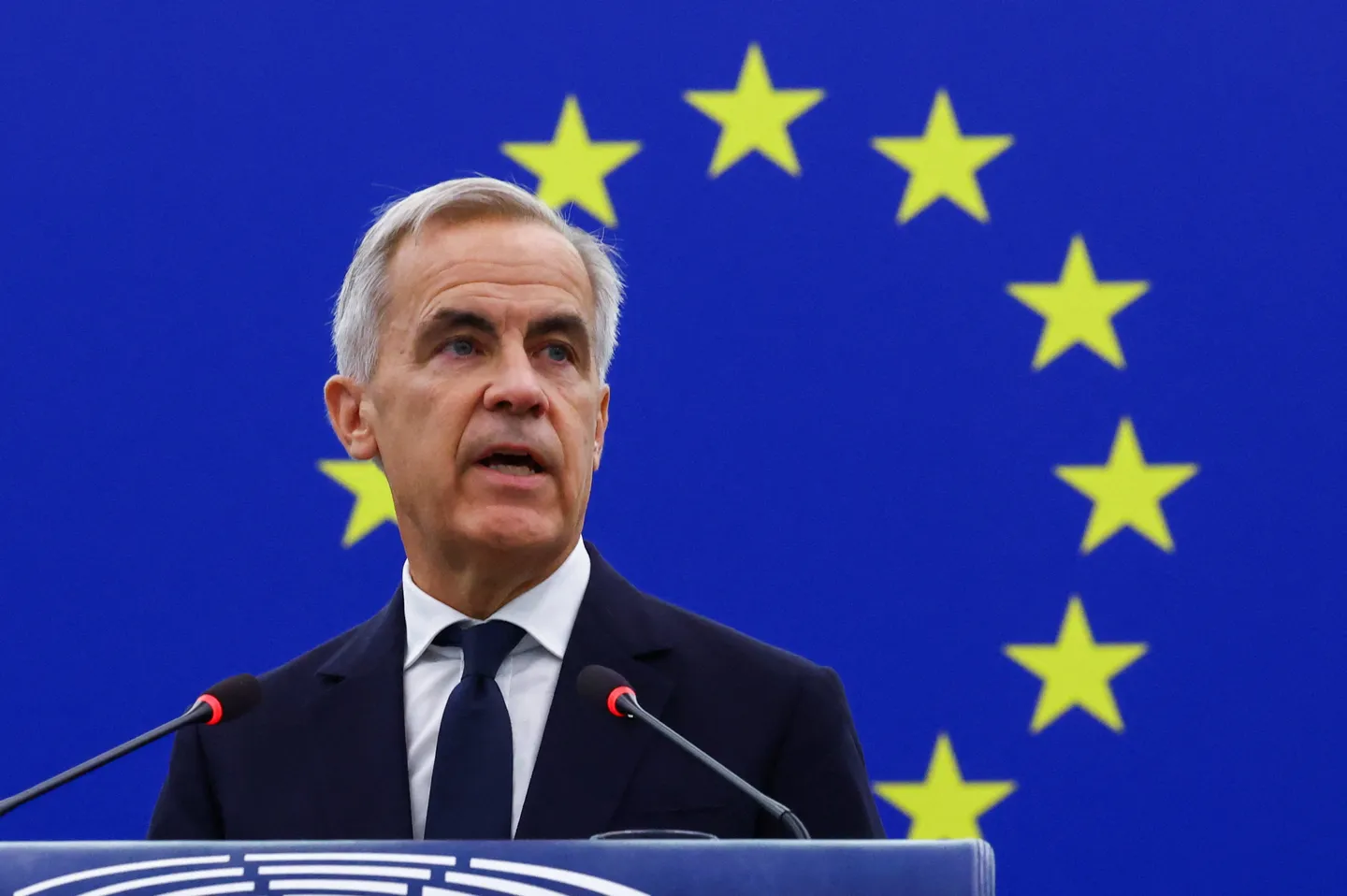
“We do not seek power to dominate others. On the contrary, we are pursuing resilience so no one can control our open markets, impair our sovereignty, threaten territorial integrity or undermine our freedoms, our democracies, our rule of law,” he said, in a speech to EU lawmakers.
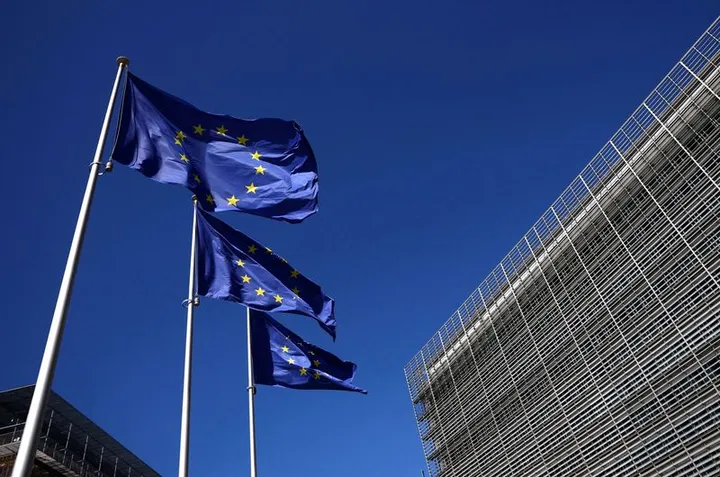
In the same speech, the Canadian leader emphasised that "Europe and Canada are stronger together," adding that "a Canada-EU alliance would create a beacon for other democracies".
Beyond his emphasis on democratic values, Carney's use of the word "alliance" suggests that his pivot towards the EU could extend well beyond economic and diplomatic cooperation, analysts say.
With the Canadian leader also identifying defence as an area for deeper cooperation, the proposed partnership could signal more ambitious strategic plans between the two sides.
A day before Carney's address to the European Parliament, European Commission President Ursula von der Leyen proposed the unprecedented possibility of Canada becoming the EU's first associate member.
Although such a status does not currently exist under EU law and its terms remain undefined, the proposal signals Brussels' willingness to explore a deeper relationship with Ottawa.
Carney also broke with Canadian diplomatic tradition by choosing France, an EU member with strong ties to Canada's large French-speaking population, rather than the US, for his first foreign visit.
The Trump administration, however, appeared displeased with Carney's recent manoeuvres with European leaders, warning both the Canadian prime minister and the EU against committing any "hostile act" against the US.
"If it's a good intention, that's fine. If it's a bad intention, we'll put very heavy tariffs on Europe, which is a possibility."
A new geopolitical bloc?
Canada and Greenland, an autonomous region of Denmark, share a land border on the uninhabited Hans Island, established through a 2022 agreement that resolved a decades-long territorial dispute.
Recent talks between European leaders and Canadian officials suggest that Greenland, home to about 55,000 people, could be both a geographic bridge between Canada and Europe and a strategic point of convergence, especially amid the US administration’s ambitions for the world's largest island.
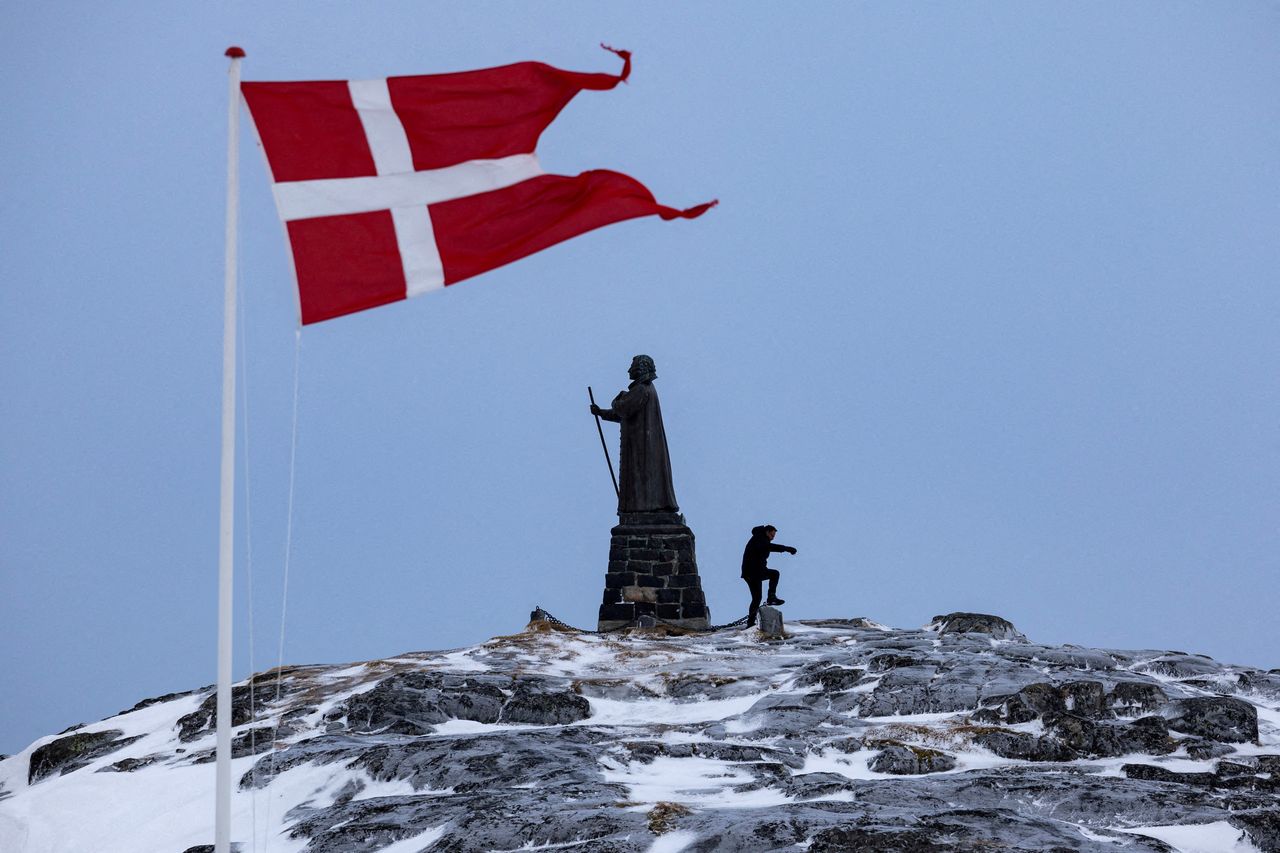
European leaders view the Trump administration’s Greenland claims as a threat to Denmark's sovereignty, while Canada fears US control of the island could set a precedent for Ottawa, which Washington has repeatedly called a potential 51st state.
The dispute has since taken a new turn, with Denmark and Greenland seeking to ease tensions with Washington by allowing a greater US military presence on the island without relinquishing sovereignty.
Greenland occupies a strategically important position between North America and Europe, allowing the US to monitor Russian military activity in the Arctic and detect potential missile threats.
Reuters reported that Washington, Copenhagen and Greenland are set to sign an agreement on September 22, allowing the US to establish two additional military sites on the island.
For Denmark and Greenland, the arrangement offers a way to address Washington's security concerns while maintaining control over the territory.
The agreement's full legal implications remain unclear.
“Undoubtedly, President Trump has played a major role in accelerating this rapprochement. Demands regarding both Canada and Greenland have brought the two actors closer together,” says Muzaffer Senel, an academic and expert in European studies.
According to Senel, the EU's Arctic member states, Denmark, Sweden and Finland, have also pushed for closer cooperation with Canada, itself an Arctic country, amid growing concerns over regional security.
Carney, meanwhile, has cultivated close ties with European leaders, including France's Emmanuel Macron and Germany's Friedrich Merz, as he seeks to strengthen Canada's relationship with Europe.
He also has a particularly close relationship with Finnish President Alexander Stubb, whose country shares a long border with Russia.
But the growing EU-Canada partnership extends beyond their disagreements with the Trump administration and concerns about Russia.
Both sides are also seeking to reduce their dependence on the US and China by diversifying trade, defence industry supply chains, artificial intelligence and critical minerals, according to Senel.
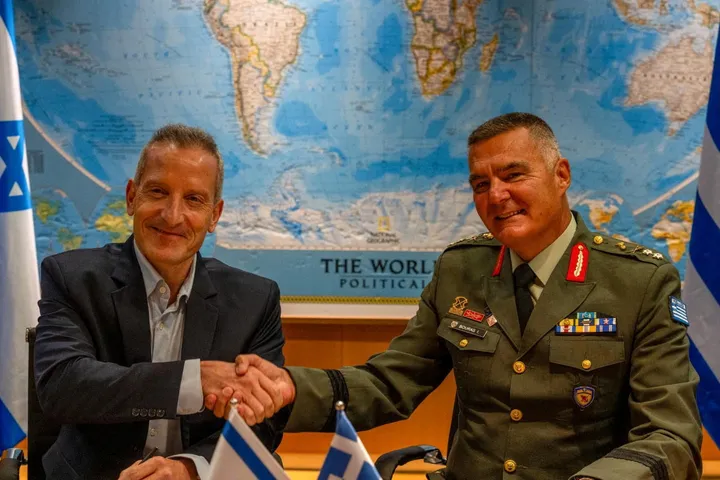



Faced with the Trump administration’s tariff policies, Canada, an energy-rich country that sends roughly two-thirds of its exports to the US, is looking to diversify its economy.
One potential avenue is supplying Canadian gas to European countries seeking alternatives to Russian energy following the war in Ukraine.
“The US is no longer a reliable actor for either party. Both economic and political alliances have been deeply shaken in recent years. Both sides are seeking a reliable, predictable partner that aligns with their own worldviews,” Senel tells TRT World
Long before Carney's recent diplomatic manoeuvres with European leaders, Canada and the EU had already laid the groundwork for closer economic ties through the Comprehensive Economic and Trade Agreement (CETA).
A joint study launched in 2007 was followed by formal negotiations in 2009.
The agreement has been provisionally applied since September 2017, but only 17 of the EU's 27 member states have completed their national ratification procedures.
The remaining 10 have yet to ratify it.
Make Canada Europe again
William Earl Weeks, a professor of history at San Diego State University and author of several books, including Building the Continental Empire: American Expansion from the Revolution to the Civil War, calls the “Canada-EU flirtation” a “fascinating” development.
Weeks sees the US administration’s "Make America Great Again" slogan as potentially reviving America's historical expansionist ambitions, driven by both strategic and ideological considerations.

Other experts and some Canadian officials, however, suggest that Washington's approach could push Ottawa in another direction: to Make Canada Europe Again.
“This is Canada turning from looking at itself as a North American nation to a trans-Atlantic nation,” a senior Canadian official told the Wall Street Journal in the paper’s extensive coverage of Carney’s deliberations with Europeans to balance US pressure.
“Canadians, we sound like Americans, we dress like Americans, but as a society we’re much more European,” the official added, referring to Ottawa’s cultural, traditional and political commonalities with Europe.
Unlike the US presidential system, Canada is a constitutional monarchy with a parliamentary system of government, much like the UK.
It is also a member of the Commonwealth, maintaining historical and institutional ties with Britain that distinguish it from its southern neighbour.
Canada's independence from Britain was achieved gradually, beginning in 1867, when the British North America Act united three British colonies into a self-governing dominion.
The Statute of Westminster in 1931 subsequently recognised Canada's legislative independence and equal status with Britain, although London retained certain constitutional powers.
More than five decades later, the Canada Act 1982 ended the British Parliament's remaining authority to legislate for Canada, completing the patriation of the country's constitution.
Yet King Charles III remains Canada's head of state, reflecting the enduring constitutional ties between the two countries.
Although the monarch's role is largely ceremonial, the Crown remains an important symbol of the two countries' shared history.
In March 2025, King Charles III planted a red maple tree in the garden of Buckingham Palace, a gesture some interpreted as support for Canada amid the Trump administration’s statements.
Canada's relationship with Britain has also taken on renewed significance after Andy Burnham was appointed UK prime minister in July 2026, succeeding Keir Starmer.
Burnham has signalled a different approach to Washington, seeking to defend British interests while maintaining the longstanding US-UK relationship.
His government is also pursuing closer economic cooperation with the EU, including participation in its proposed "Made in Europe" initiative.
The Trump administration, meanwhile, has been critical of Burnham, whom he reportedly described as "a mayor of a town", referring to his previous role as mayor of Greater Manchester.
He also called the British leader "extremely liberal", reflecting their political differences.
Despite the US administration’s opposition to closer EU-Canada ties, the emerging partnership could also attract the attention of other countries, including Australia, which is seeking to navigate the growing strategic competition between the US and China in the Asia-Pacific.
"The EU is an actor seeking to enhance its strategic flexibility. It will begin to pursue closer cooperation with actors that share a similar worldview," says Senel.
"Australia could be the next step."