 Dania Koleilat Khatib
During a recent visit, I was surprised by how highly Romanians value engagement with Türkiye. I soon realised that this attitude is not limited to Romania but is increasingly prevalent across Eastern Europe.
At first glance, this may seem unusual. Countries often feel threatened when a large and powerful neighbour grows stronger. However, many East European countries view Türkiye’s growing military capabilities as a valuable asset rather than a source of concern.
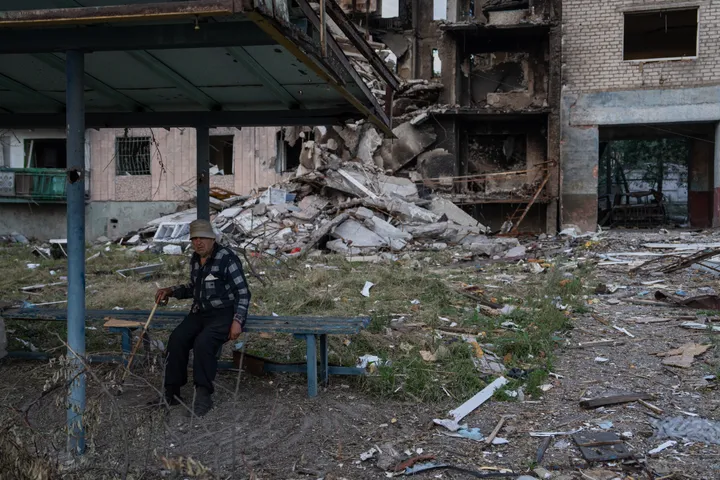
There is a growing awareness that Europe is not immune to war. It happened in Ukraine; it can happen anywhere else.
For East European countries, cooperation with Türkiye, a powerful neighbour, is seen as an important factor in building deterrence against potential aggression.
On top of that, they recognise the need to strengthen their own defences to protect themselves from any spillover effects of the war.
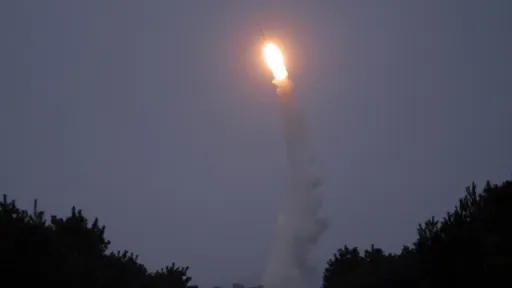
A month ago, a naval drone self-destructed in the Romanian port of Constanta on the Black Sea. Romanian officials said the device was “a type of naval drone similar to those used in the war in Ukraine”.
However, it is important to note that Eastern European cooperation with Türkiye predates the war in Ukraine.
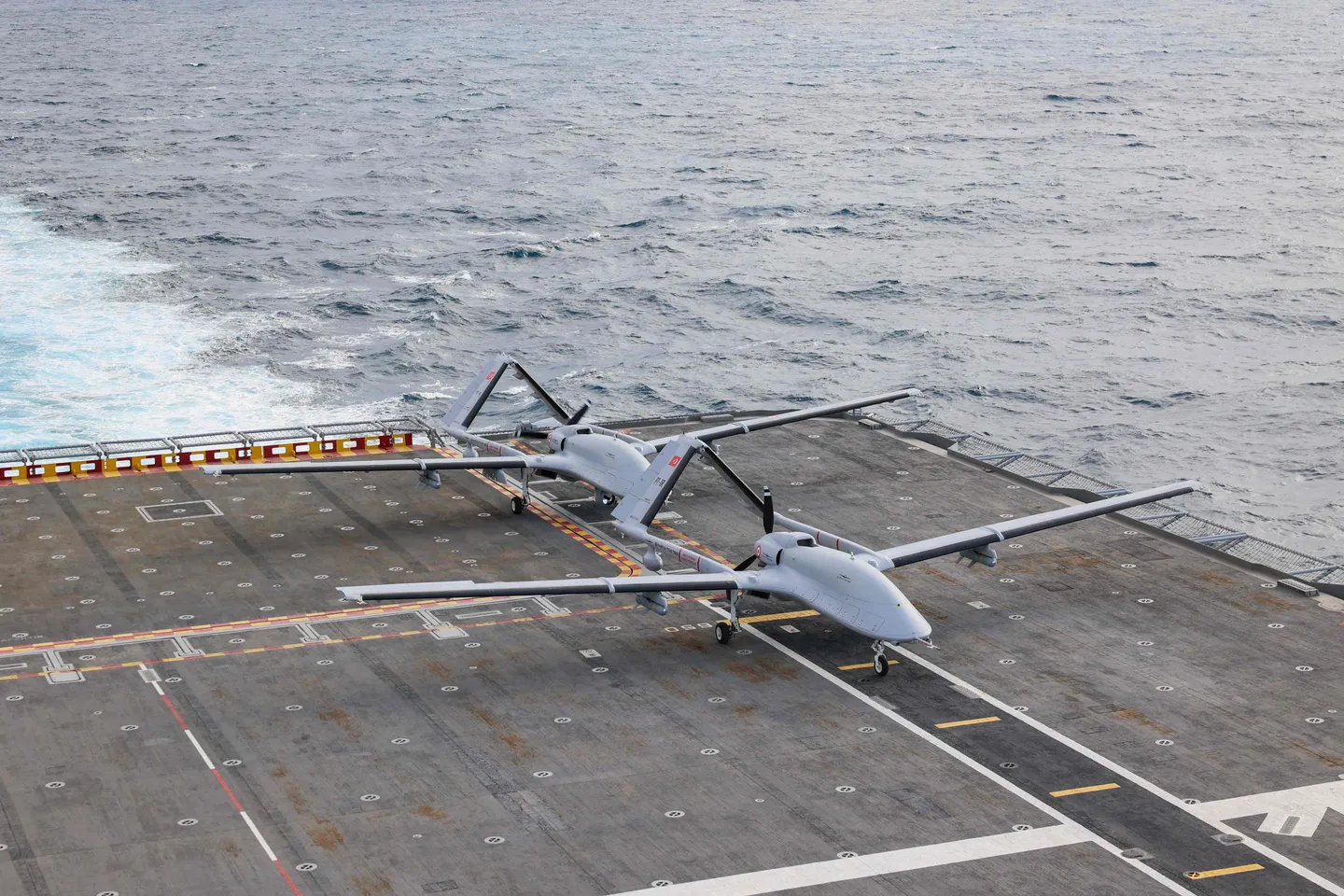
Kiev purchased its first Bayraktar TB2 drones in 2019 and subsequently established Black Sea Shield, a joint venture between Ukraine's state-owned arms exporter, Ukrspetsexport, and the Turkish drone manufacturer Baykar, covering unmanned systems, aerospace engines, and guided munitions.
Warsaw followed Kiev. It became one of the earliest purchasers of the Bayraktar TB2, acquiring 24 units under a contract worth about $270 million, signed in 2021 and completed by 2024.
Since then, the relationship has broadened to include roughly 400 million dollars in electronic-warfare equipment contracts and greater engagement with Turkish counter-drone systems.
Ioan Mircea Pascu, former Romanian defence minister and former vice president of the European Parliament, tells TRT World that, due to its control of access to the Black Sea through the Turkish Straits, as well as its economic and military potential and political weight, Türkiye is the “indispensable” partner in the Black Sea region.
Türkiye, Romania, and Bulgaria cooperate trilaterally to counter naval mines in the Black Sea, an initiative that complements bilateral programmes and reflects a shared commitment to regional maritime security.
A bilateral defence memorandum of understanding was signed between Türkiye and Poland in 2025, following a trilateral Poland-Türkiye-Romania dialogue at the foreign-minister level, convened in Helenow in mid-2024.
Another reason Eastern European countries are encouraged to engage with Türkiye is that it is not using its military prowess to position itself as a potential hegemon.
On the contrary, it is presenting its military advancement as an opportunity by proposing partnerships and joint projects with neighbours.
It does not impose limitations on technology that favour itself and some partners, while others are restricted in the use of Turkish technology.
Turkish defence company ASFAT and Istanbul Naval Shipyard Command delivered a corvette, Roman, to the Romanian Naval Forces last June.
The vessel has the same specifications as the TCG Kochisar (P-1221), the Hisar-class Offshore Patrol Vessel (OPV) delivered by the company to the Turkish Navy. The ship is equipped for reconnaissance, surveillance, patrol, maritime security, and combat operations.
Türkiye is ready to go into joint production with partner countries.
According to Radu Magdin, a global Romanian analyst and former prime ministerial adviser in Romania and Moldova, industrial cooperation also strengthens geopolitical and active defence cooperation.
He gives as an example Otokar’s acquisition of Romania's Automecanica Medias, which made Otokar the first Turkish company to manufacture armoured vehicles within the European Union.
This followed a EUR 857 million [$977 million] contract, signed in late 2024, for 1,059 Cobra II tactical vehicles destined for the Romanian Army, which was Türkiye's largest single armoured vehicle export deal to date.
Magdin added that Türkiye’s potential access to the European Union's 175-billion-euro SAFE rearmament program would deepen supply-chain integration with the Eastern European states already operating Turkish equipment.
Romania's state defence holding, Romarm, maintains further active lines with Turkish firms: a rocket-production partnership with Roketsan, developing work with Aselsan, Havelsan, and MKE (Mechanical and Chemical Industry Corporation), and a manufacturing collaboration with ARCA
In addition to joint production and technology transfer, the trade and logistics aspect will cement the defence and security relationship.
‘Türkiye’s rise as a middle power’
Eastern Europe, namely Romania, is an important node in the Middle Corridor. Türkiye is at the centre of Romania-Black Sea-Caucasus-Caspian Sea-Kazakhstan, or the Trans-Caspian International Transport Route (TITR).
“Türkiye’s positioning as a crossroads between East and West is also relevant from the perspective of future cooperation with Eastern European countries that want to graduate their national champions to international business in Central Asia and elsewhere, and for which Turkish partners can provide much-needed anchoring network, cultural fluency and capital support,” Magdin tells TRT World.
“Romanians often compare themselves to Poland or, invidiously, to the more developed EU states. But I would argue that Türkiye is a model for how to do internationalisation and industrial development.
Türkiye has been instrumental in supporting Romania’s bid to become a NATO member, first, by the Turkish Parliament’s declaration that it would not vote for a second enlargement if Romania and Bulgaria were not included, and second, by creating the 2+2 format (Türkiye, Greece, Romania and Bulgaria), thereby smoothing Romania’s path into the Alliance, according to Pascu.
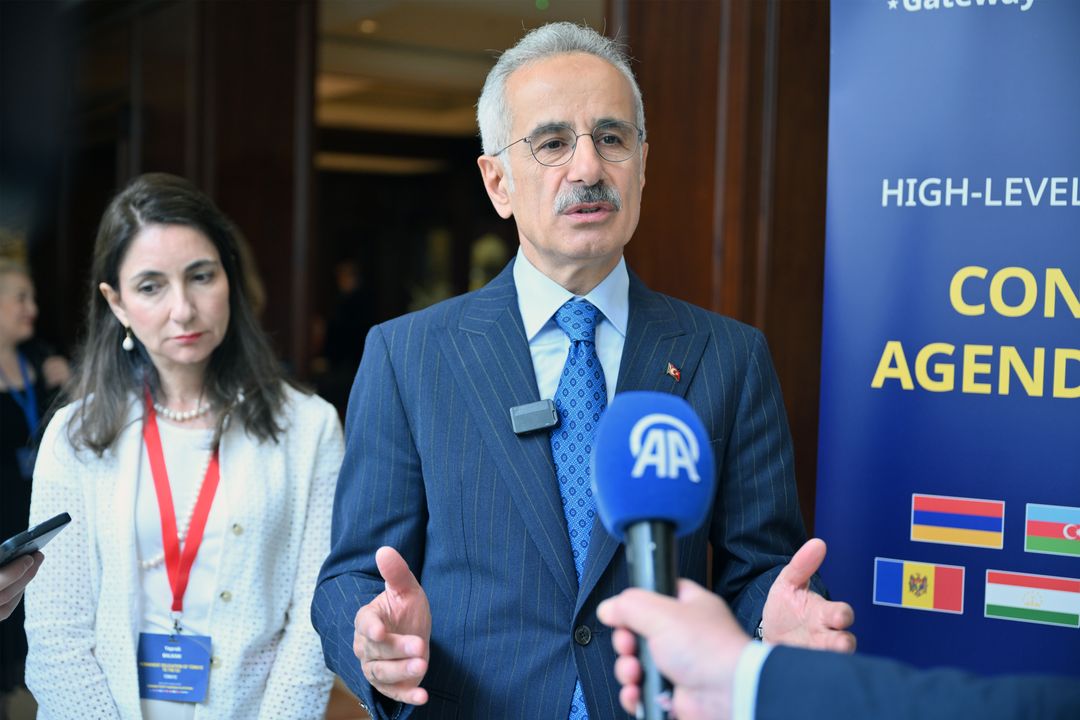
He added that NATO is increasingly seeing Türkiye as a crucial pillar in defending NATO's eastern flank, with Poland in the North, Romania in the middle, and Türkiye in the South.
Türkiye has maintained an active role in NATO peacekeeping missions, namely in the Balkans.
It deployed troops in NATO’s KFOR (Kosovo) and the EU’s EUFOR Althea (Bosnia and Herzegovina) missions. That role is likely to be enhanced in the future.
The latest NATO summit demonstrated how important Türkiye is at the heart of the alliance.
The US reversed its decision to ban Ankara from the F35 programme. According to Magdin, the failure of the joint European Future Combat Air System (FCAS) fighter jet program that was officially cancelled in June 2026 while Türkiye is in the advanced stages of building its own 5th-generation fighter, KAAN, sends a clear message.
European defence growth will ultimately encompass Türkiye as a key player. “Though the details of that relationship still need to be decided”, he added.
Türkiye's growing military prowess, the increasing security needs of NATO's eastern flank countries, Türkiye's engaging attitude, and trade and logistics benefits have given Ankara a clear advantage in its military and defence relations with Eastern European states.