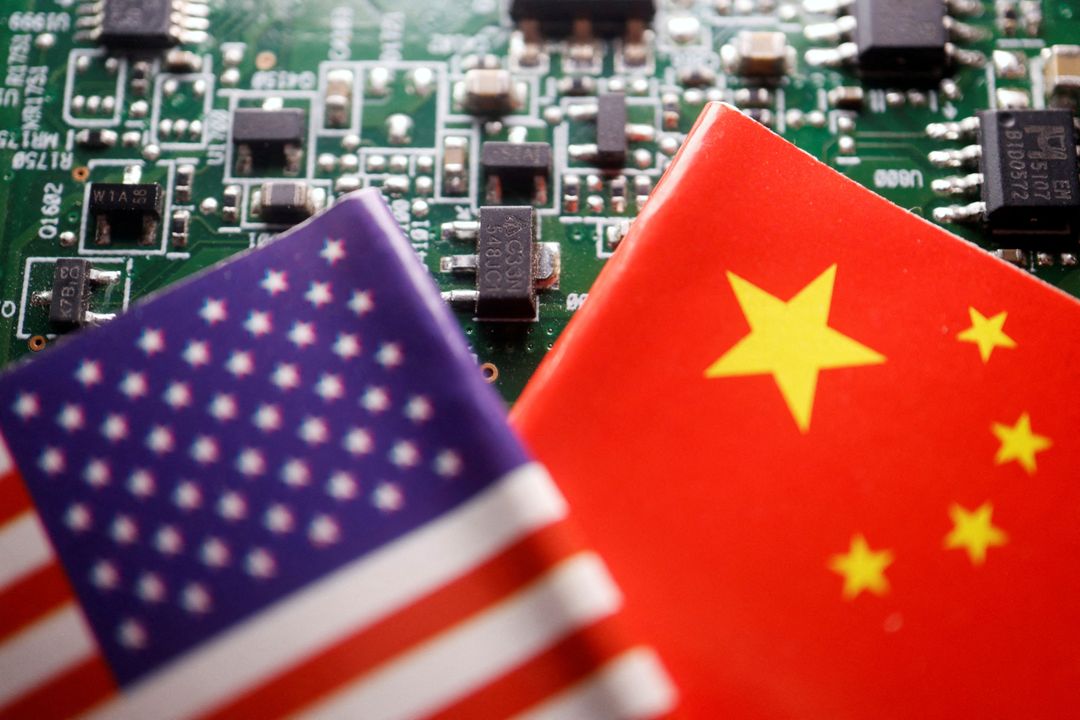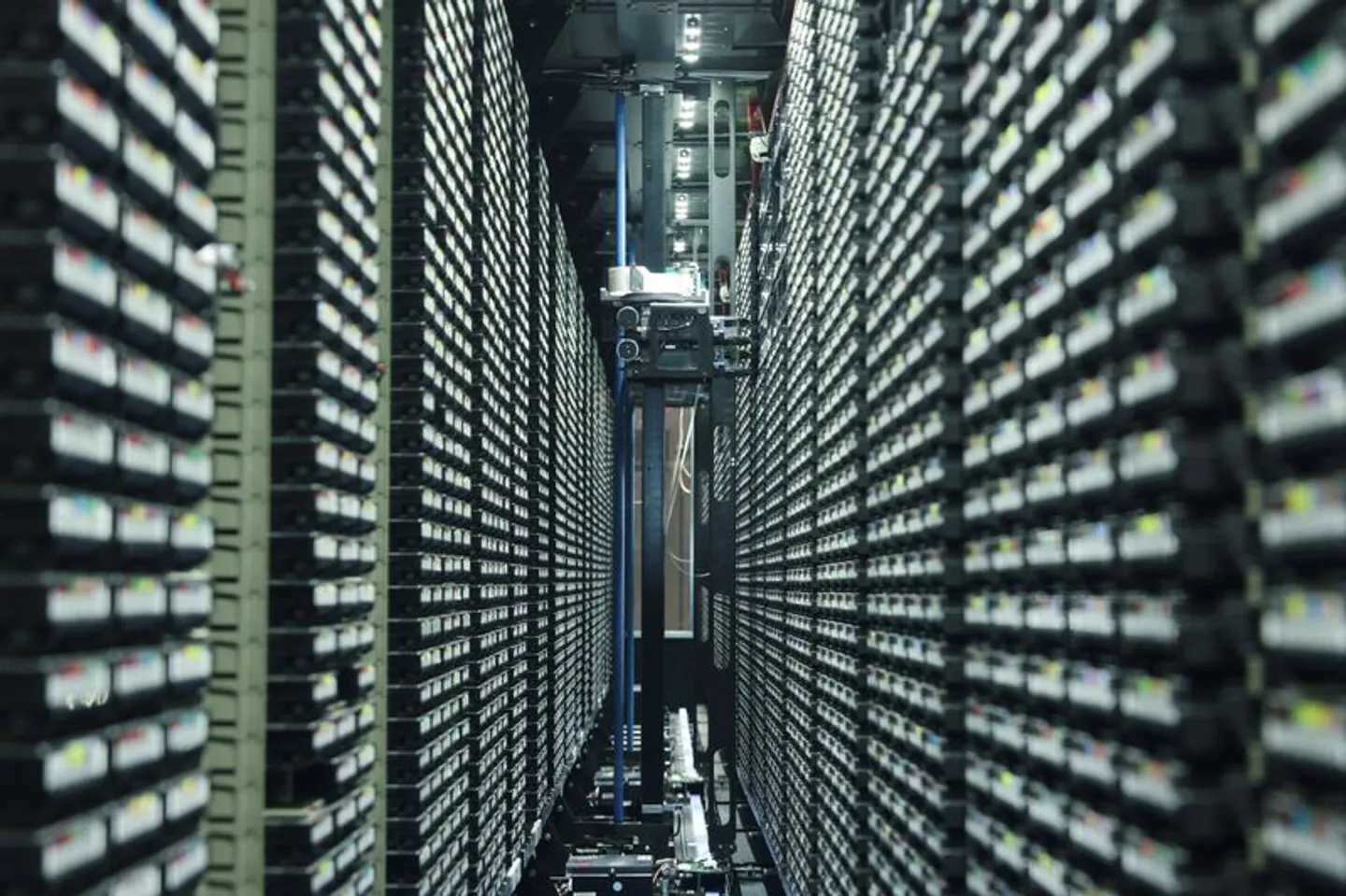
The United States has tightened export controls on advanced AI chips, closing a loophole allegedly used by Chinese companies to access restricted technology through data centres in third countries.
Under the new rules announced on Monday, data centres worldwide will need US licences to provide large volumes of computing power using advanced chips to companies based in China, Macau and other countries under US arms embargoes.
Licences will also be required for shipments of advanced chips to Singapore, Malaysia, Thailand, Indonesia and Brazil, which the US Commerce Department considers at higher risk of technology diversion.
The measures target arrangements that allowed Chinese firms to rent computing power from data centres in Southeast Asia and elsewhere using US-made hardware that could not be exported directly to China.
The issue has drawn renewed scrutiny following allegations involving former Nvidia CEO Jensen Huang and Alice Huang, a former executive at Singapore-based cloud computing firm Megaspeed.
The company is under US criminal investigation over allegations that it helped Chinese firms obtain advanced Nvidia chips in violation of export controls.
The Commerce Department said the measures would prevent restrictions on sensitive US technology from being bypassed through remote computing arrangements.

Nvidia faces investor scrutiny
The announcement came ahead of Nvidia's latest earnings report, its first since Jensen Huang stepped down as CEO last week following media reports about at least two alleged extramarital affairs.
Chief Financial Officer Colette Kress is serving as interim CEO and will present the results as investors assess the company's leadership and the outlook for the AI boom.






Nvidia shares fell 4 percent on Monday, extending a decline that has wiped out more than a quarter of their value over the past month.
Analysts said investors would focus on future sales guidance and chip demand in Asia, particularly Singapore, as well as whether Kress would maintain Huang's investment strategy.
"If they try to keep a business-as-usual tone in the call, I think that it probably wouldn't be well received," said Jacob Bourne of Emarketer.

Asian countries assess impact
Singapore said on Tuesday it was consulting affected companies and US authorities to clarify the scope of the new rules, while exploring ways to ensure trusted access to AI chips for its businesses.
Indonesia said it was reviewing the measures and seeking industry input on their potential impact on investment and data centre operations.
The scandal has also exposed divisions within the Trump administration. Treasury Secretary Scott Bessent has called for an investigation into Huang's dealings with Megaspeed, accusing the Commerce Department of failing to act on reports of technology diversion.
Meanwhile, technology investor Elon Musk and other AI investors are backing an appeal for Huang's reinstatement. President Donald Trump has also said he would not mind seeing him return.
However, Wall Street analysts remain doubtful that Huang can resume leadership while questions surrounding the allegations remain unresolved, leaving uncertainty over Nvidia’s long-term succession plans.