Three years since Hamas blitz on Israel and the latter's genocide in Gaza, ordinary Palestinians in the blockaded enclave say they feel abandoned by the United States. While Washington helped broker a multilateral deal that resulted in an initial ceasefire and captive releases, its longer-term objectives remain stalled.
"Gaza means nothing to America. We wear just a card used to help charm in the election, nothing more," a Palestinian man told TRT World in Gaza.
Another Palestinian in the enclave argued when US President Donald Trump came to power again, the war stopped but “America is in the region to protect Israel, nothing more,” he added .
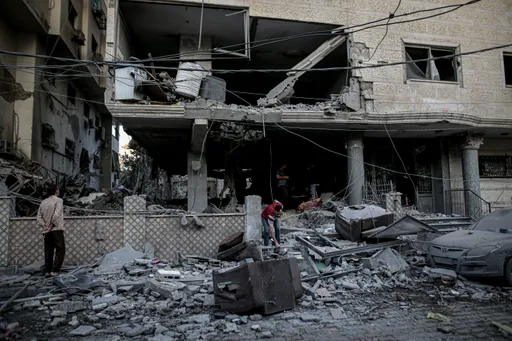
US President Trump's year-old plan to end the Gaza genocide has stalled, with Israel mounting near daily attacks and occupying around two-thirds of the shattered enclave where Palestinians face dire conditions.
An initial phase secured a temporary ceasefire on October 10, 2025 and facilitated the release of captives held in Gaza, alongside approximately 2,000 Palestinian hostages held by Israel.
However, subsequent benchmarks — including the withdrawal of Israeli forces from roughly 60 percent of Gaza and the commencement of reconstruction — remain unrealised.
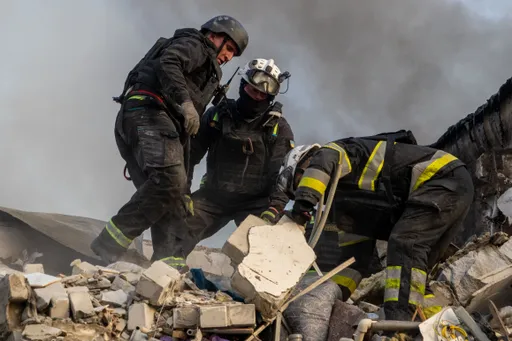
Palestinian health authorities report that Israeli attacks have killed more than 1,400 Palestinians since the October ceasefire, predominantly women and children.
"It (US) forgot about us and look at the situation of the people in Gaza," a Palestinian woman told TRT World. "Everyone is living in tents and we are heading into winter while the war is still ongoing. Israel is carrying out strikes. They say there is a ceasefire, but I don't see any ceasefire."
On October 7, 2023, Hamas fighters launched a blitz targeting Israeli military installations and surrounding settlements.
The blitz followed recurring Israeli incursions into the Al-Aqsa Mosque compound and escalating violence by illegal settlers across the Occupied West Bank.
The Israeli genocidal war — including reports referencing the controversial Hannibal Directive — resulted in the deaths of hundreds of Israelis, including soldiers and civilians.
Subsequent disclosures indicated that hawkish Israeli Prime Minister Benjamin Netanyahu and military officials had received intelligence warnings regarding an impending blitz.
Nevertheless, Israel initiated a genocidal war against the besieged population, killing more than 74,000 Palestinians, wounding hundreds of thousands, displacing nearly the entire 2.3 million population, and destroying roughly 90 percent of civilian infrastructure.
Independent researchers and public health experts estimate that the indirect and unrecorded death toll could exceed 200,000.
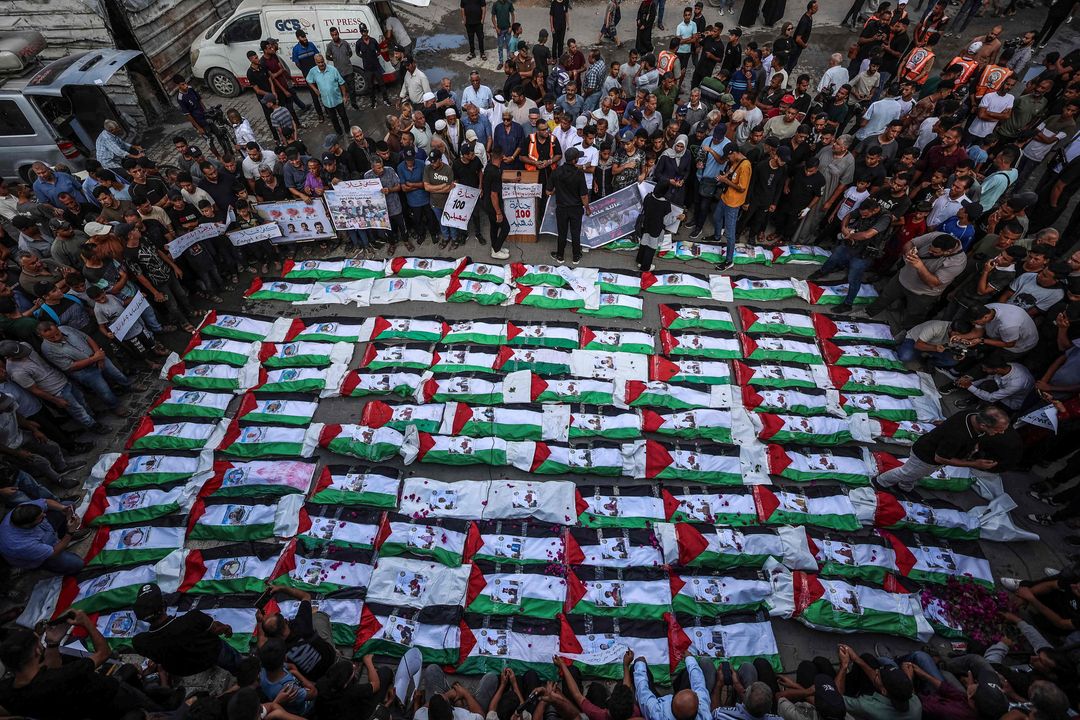
Iran and Yemen wars
Analysts say the escalating US-Israel war with Iran and now fighting in Yemen have diverted the US and larger global attention away from the ongoing humanitarian crisis in Gaza.
"Remember, (President) Donald Trump said he was going to solve the war in Gaza on day one. So, here we are, these many years, you know, almost two years after his presidency started, doesn't seem like a real solution is at hand whatsoever," Richard Goodstein, a former adviser to Bill and Hillary Clinton, told TRT World.
"On the other hand, within Democratic politics for sure, and I think increasingly more in Republican politics, this notion of where do you stand, what's the solution, I think those are actually going to be fairly front burner as the 2028 presidential election starts. So, I think it's not really off. It's off the front burner now. It will be a front burner issue I would say six months from now."
Peter Roff, a contributing editor and columnist at Newsweek told TRT World that US may not have forgotten Gaza but shifting geopolitical priorities have overshadowed the crisis.
"Just because (Gaza) it's off the front page doesn't mean it's forgotten, but in America, we have a tendency to confuse the urgent with the important, and right now, Iran, Strait of Hormuz, Red Sea exits for Saudi oil, and the elections all seem more urgent and worthy of coverage than Gaza," Roff argued.
Trump announced the establishment of the "Board of Peace" on January 15 as part of his broader plan meant to oversee governance and reconstruction in postwar Gaza, after a ceasefire agreement was reached on October 10, 2025.
The board was authorised by UN Security Council Resolution 2803 in November 2025.
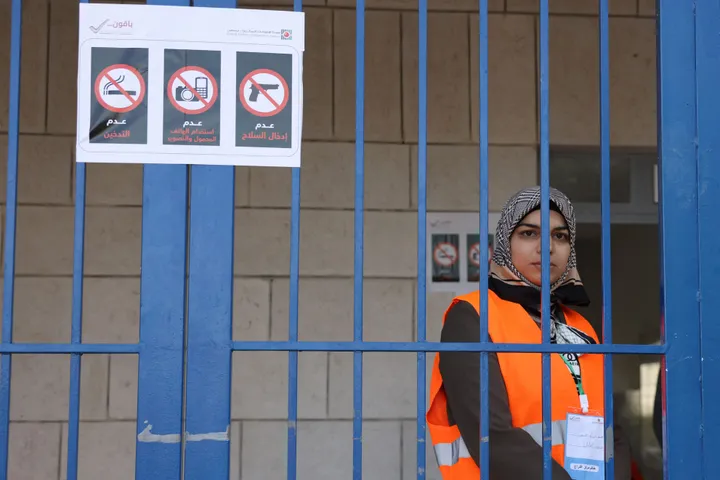
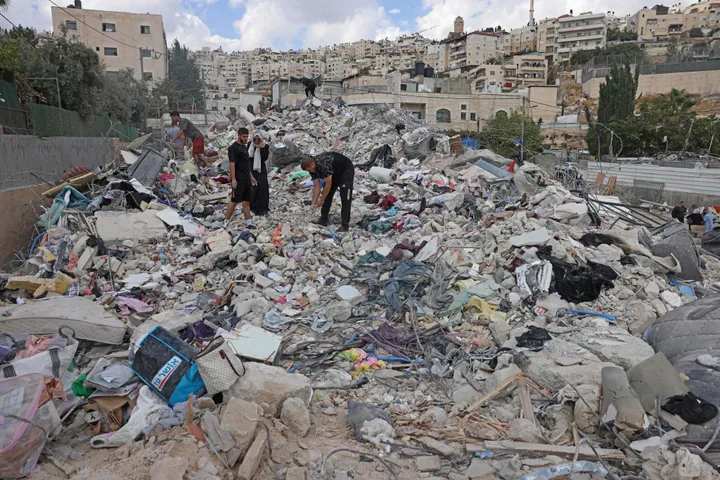
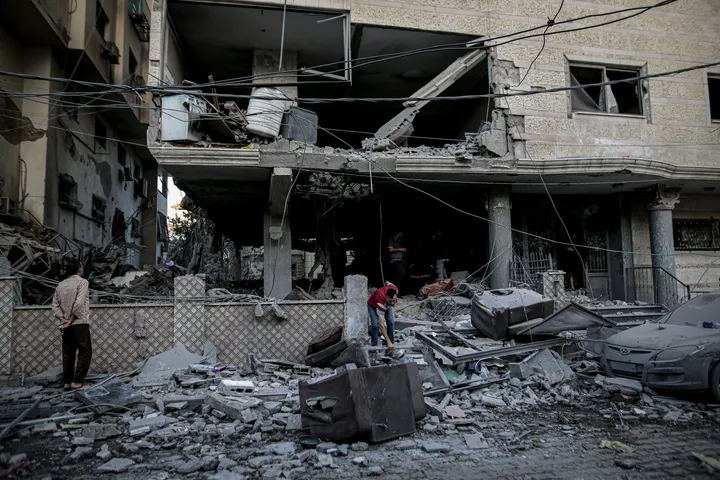
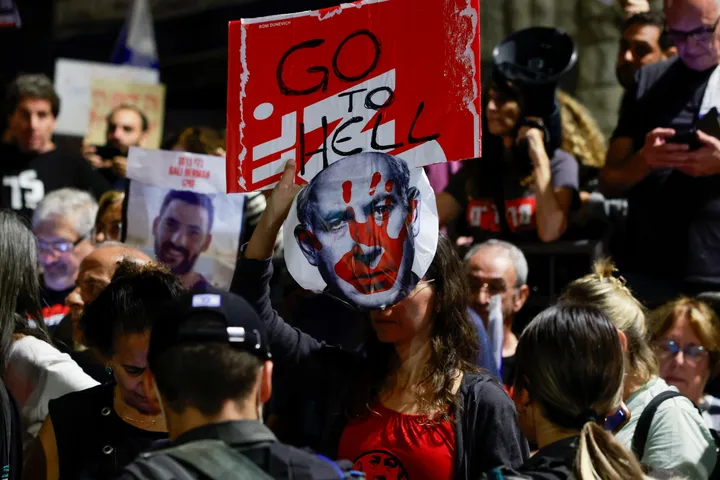


After what has been a one-sided truce, the transition to the second phase — involving Hamas's disarmament and a gradual withdrawal of the Israeli army, which still invades more than 60 percent of the Gaza — has been stalled, while international attention has been focused on Iran.
Robert Malley, a Middle East expert who served under Presidents Bill Clinton, Barack Obama, and Joe Biden, told TRT World that the Trump administration did one thing which the Biden administration had been unable to do, which is to reach a ceasefire.
"And even though people would question what kind of ceasefire it is when Palestinian are being killed every day, it was better than at the height of the onslaught that Israel was waging. So, you gotta give that much credit at all, if anything, to the Trump administration for having achieved it and for having put some pressure on Israel to agree to that," he said.
Malley, who is also the co-author of "Tomorrow Is Yesterday", a book about the pursuit of peace between Israel and Palestine, however conceded that since the ceasefire "there has been an attempt to reduce the Palestinian question to a humanitarian question."
"Can we make their lives a little bit better? Can we get a little more humanitarian goods in? But the political question of Palestine is… the attempt is to bury it, right? And there's no recognition that it's a political problem, what's happening in Gaza is a political decision, what's happening in the West Bank is a political decision, and that there are political aspirations that are being completely trampled, as we speak," he added.
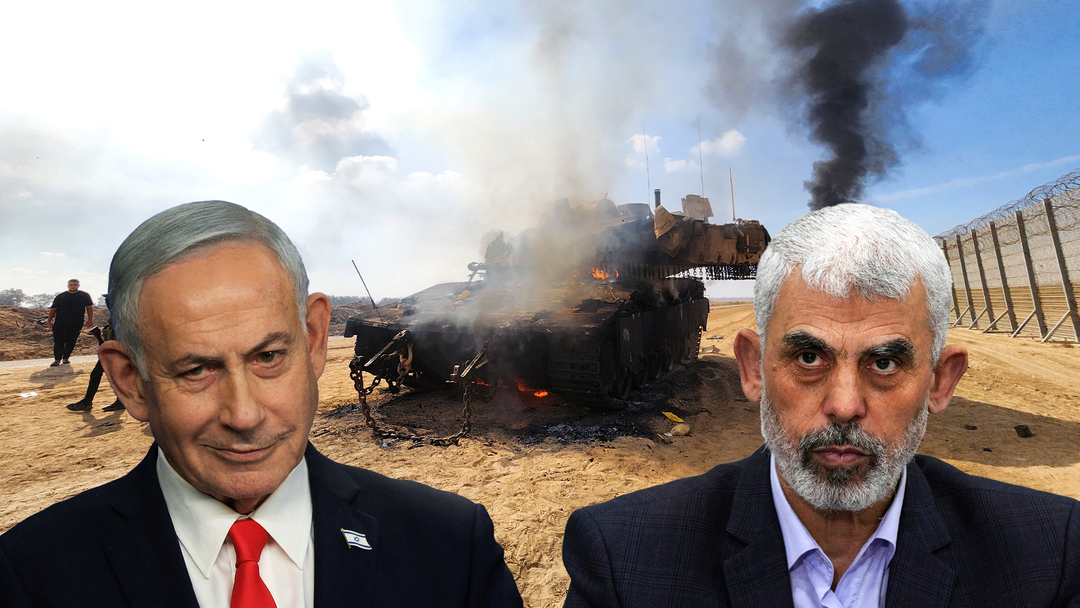
Will US ever stop arming Israel?
Even as Gaza reels under the genocide, Israeli authorities and illegal settler movements are advancing land grabs, settlement expansions, and outposts in the occupied West Bank and occupied East Jerusalem, leveraging regional distractions.
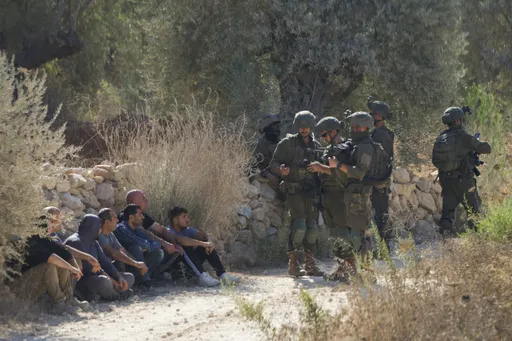
Zionist groups have engaged in violent aggression, entering Palestinian villages, setting fire to structures, vehicles, and mosques, clashing with local residents and even killing them with the state supplied weapons.
According to the Palestinians and UN reports, Israeli military and illegal settlers have killed more than 1,100 Palestinians in the occupied West Bank, including occupied East Jerusalem since October 7, 2023.
The International Court of Justice (ICJ) has determined that Israel's occupation of the West Bank and East Jerusalem violates international law and must end.
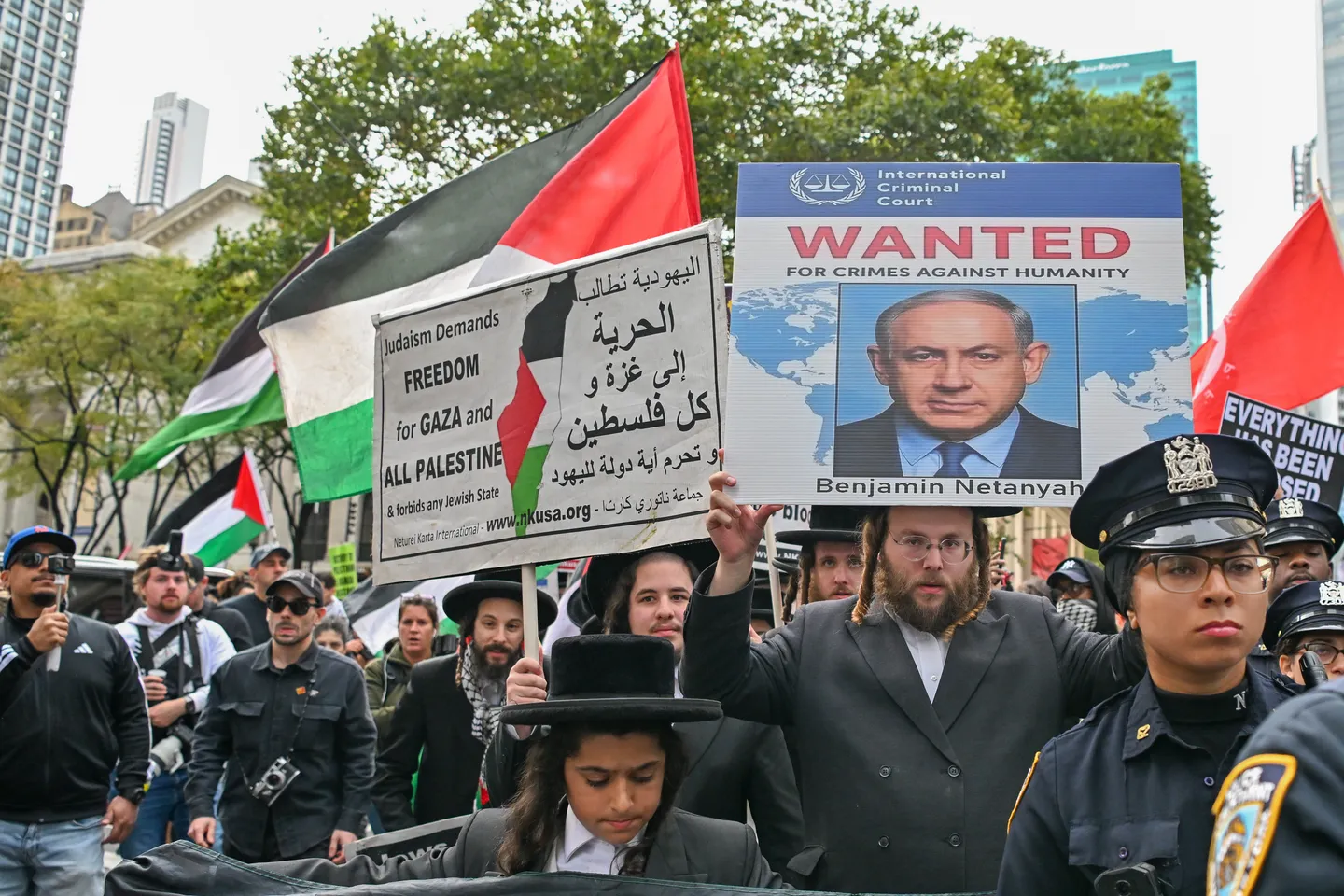
Furthermore, the International Criminal Court has issued arrest warrants for Netanyahu and former Defence Minister Yoav Gallant over war crimes and crimes against humanity, while Israel faces genocide proceedings before the ICJ.
Despite these legal rulings and international appeals, Washington maintains its annual $3.8 billion baseline military support to Israel, having provided tens of billions in supplementary security grants since late 2023 without attaching binding human rights conditions to arms transfers.
Since 1946, the US has provided over $310 billion in military and economic aid to Israel, adjusted for inflation, according to the American think tank, Council on Foreign Relations
Democratic strategist Goodstein argued that the US is committed to Israel remaining a Jewish state and being able to defend itself, "and that commitment looks fairly unshakable."
"Will we stop giving them as opposed to selling them weapons? I don't think we're going to see a day where that stops. However, they're gonna get help. Israel's gonna get help from the United States. "
Public opinion in US
Malley, who has followed the politics of the region for four decades, said American public opinion has changed in ways he has not previously seen. He pointed to a pronounced shift among younger Americans and described the polling data as incontrovertible.
"If you wanna look for one change that should bring hope to those who are still longing for a peaceful settlement, self-determination for the Palestine people. The shift in public opinion here, which is yet to fully manifest itself at the political echelons, but you're already seeing," Malley added.
Candidates are now being pressed on whether they will accept money from AIPAC, and conditioning US aid—or military sales—to Israel has become a litmus test, he said.
Malley argued that questions once confined to the political fringe in US, including whether Israel’s actions constitute genocide or whether Israel is an apartheid state, are now subjects that every serious US political candidate must address.
He said the effect is likely to intensify as the 2028 Democratic primaries approach, with candidates forced to calibrate their positions against what he called "a political earthquake in public opinion."