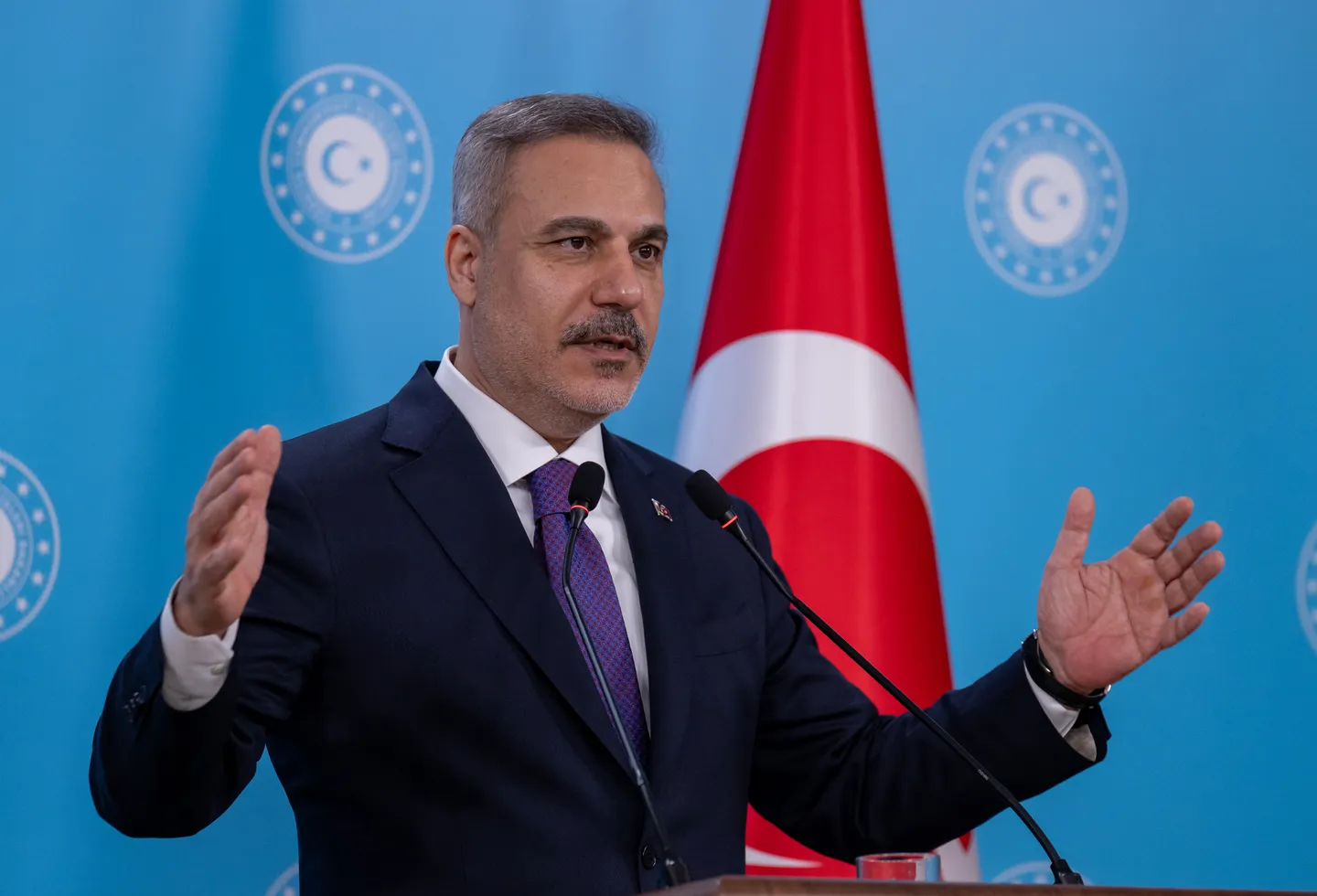
Türkiye's Foreign Minister Hakan Fidan said that Israeli Prime Minister Benjamin Netanyahu's policies and government are a strain for Israel, the region and international security.
"The policies of Netanyahu’s government are not only a problem for us," Fidan said in an interview with the Abu Dhabi-based The National newspaper on Friday. "His policies and his government are a burden for Israel, a burden for the region, and a burden and threat for international security."
Fidan ruled out the possibility that rhetoric between Ankara and Tel Aviv could escalate into an open conflict.
"There is no reason to have an open conflict," he said. Türkiye's President Recep Tayyip Erdogan "is a leader of peace and wisdom" who "wouldn’t be baited into anything," he added.
European leaders, while beginning to recognise the danger of Israel, are yet to find ways of dealing with the problem, he said, warning that attempts to destabilise the progress in Syria could change that.
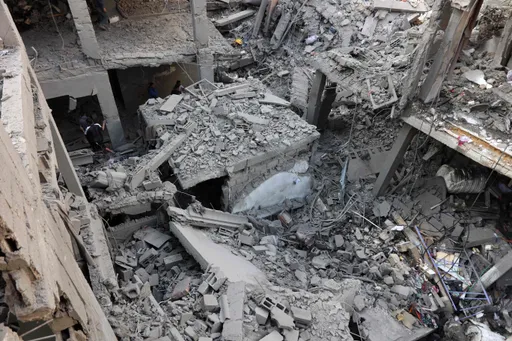
He said international attention had shifted from Gaza because of the war in the Gulf and added that greater international pressure on Israel is needed "to let Palestinians get more international humanitarian aid."
Fidan noted Türkiye's unique position to mediate regional disputes.
"We know everybody, we know the dynamics of every conflict," he said. "So, I think we are best positioned to really understand (what is happening) and how to help stop them."
"We need to go back to a situation where the sovereignty and territorial integrity of every nation is fully recognised," said Fidan. "Iran has claimed for a long time that it was a pre-emptive security policy that they've been taking by having (proxies) in these countries, just like the Israelis are occupying the rest of the region as part of security."
"If we get a new security understanding, which would guarantee safety, security, political sovereignty, and territorial integrity of every party in the region, with a new understanding, I think it should tell Iran, look, we can go back to our corners," he said, expressing his belief that Iran "is mature enough to understand all these realities."
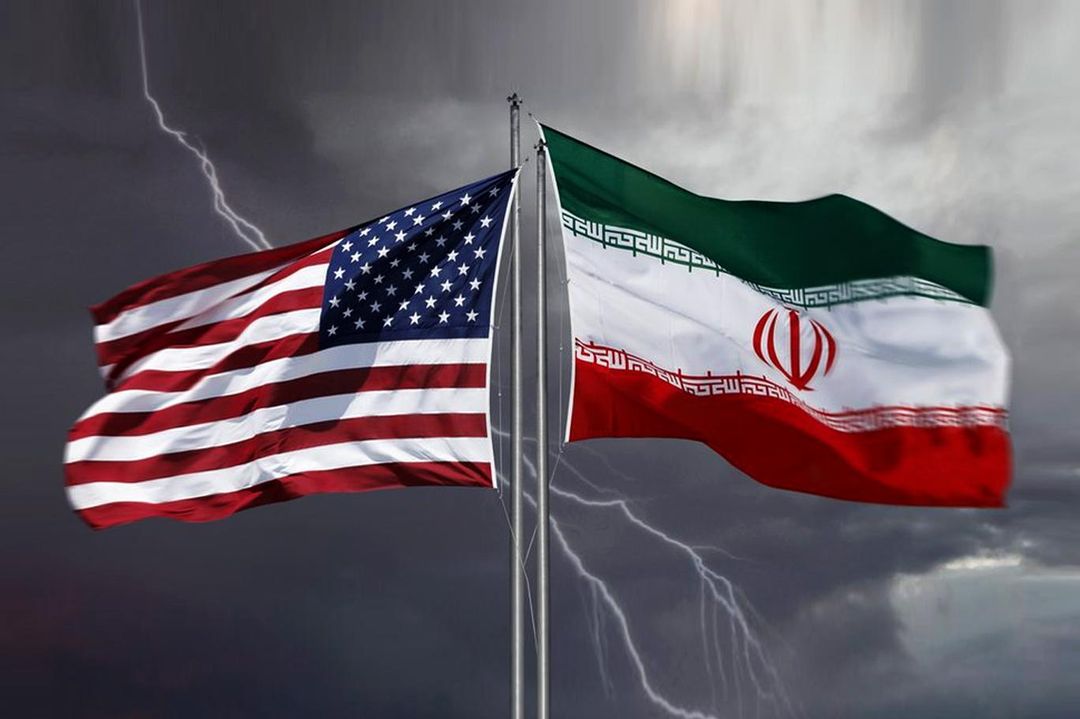
"So hopefully, if we reach a peace agreement between United States and Iran, then we can really start having healthy discussions."

Iran-US ceasefire can hold, says Turkish foreign minister
Fidan said he believed the ceasefire between Iran and the US could hold despite US President Donald Trump's claim that it was "over."
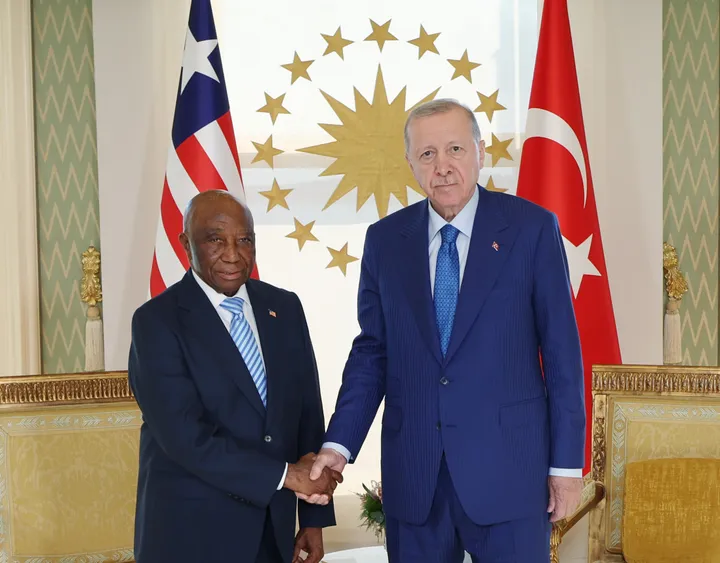
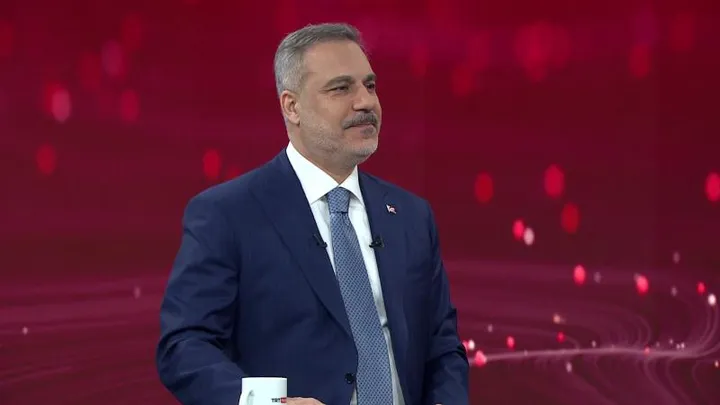
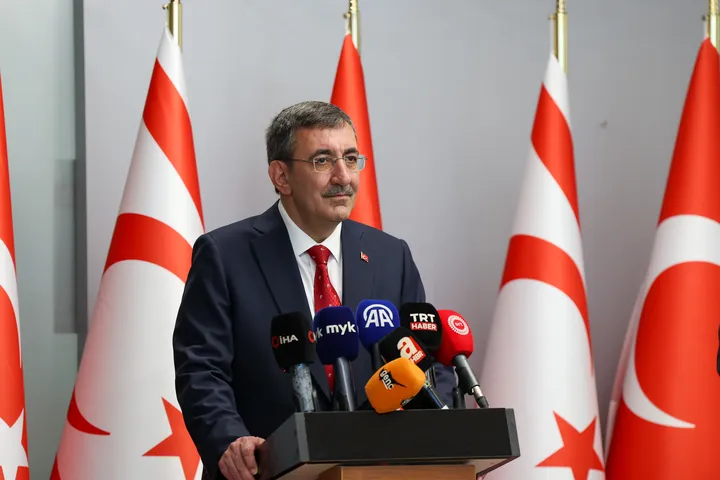



"I think there was a lack of communication and misunderstanding between both sides in terms of how to implement the passage through the strait," he said, adding that a call with his Iranian counterpart, Abbas Araghchi, late Thursday left him with "a deeper understanding of the root of the problem."
He said de-escalation was the solution.
"Both sides genuinely want to have the ceasefire and to move ahead with the peace agreement," he said. "Nevertheless, there is always a percentage of accident possible, and because of miscommunications or provocations and retaliations, we have to be very careful."
Asked about talks on F35s fights jets between Türkiye and the US, Fidan affirmed that "the political will is there."
Saying that Trump and Erdogan "decided to remove all the obstacles about the F-35 project" during their meeting in September, Fidan said that "ever since then, we've been working on that."
"I think we will reach a solution soon enough," he added.
He noted that Türkiye paid for the fighter jets "five-six years ago," and that they are waiting "in a hangar waiting to be picked up" by Türkiye.
In 2019, during Trump's first term, the US suspended Türkiye from the F-35 program after objecting to its purchase of Russia's S-400 missile defence system, claiming the Russian system would endanger the fighter jets.
Türkiye has repeatedly said there is no conflict between the two systems and has proposed a commission to study the issue. Ankara also said it fulfilled its obligations on the F-35s and that its suspension violated the rules, maintaining that the jets would strengthen not only Türkiye but also NATO.
Asked about Türkiye potentially transferring S-400 missiles to the United Arab Emirates, Fidan said. "This is an ongoing process. There have been discussions, talks within the government."
"There has to be a healthy discussion with the Russians," he said, noting that he could not "name any country or process or type of solution at this moment because, as I said, there is a political will between two presidents."
Fidan stressed the need for including Russia in a possible transfer of S-400 since Türkiye purchased it from that country.