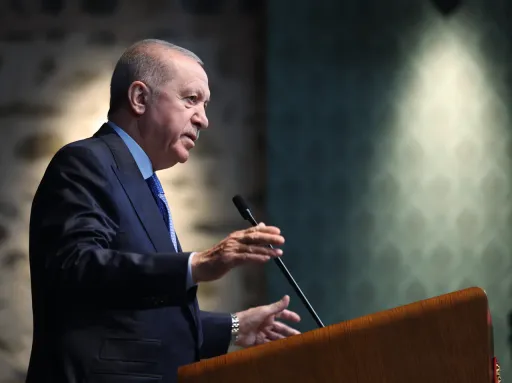
US Treasury Secretary Scott Bessent has urged China to step up its diplomatic efforts to persuade Iran to open the Strait of Hormuz to international shipping, adding that the subject will be discussed when President Donald Trump meets with Chinese President Xi Jinping next week.
"China, let's see them step up with some diplomacy and get the Iranians to open the strait," Bessent said on Monday during a live Fox News interview.
Bessent said that China was buying 90 percent of Iran's energy and accused Beijing of "funding the largest state sponsor of terrorism."
He said that he was urging China to "join us in this international operation" to open the strait, but he did not specify what action Beijing should take. He added that China and Russia should stop blocking initiatives moving through the United Nations, such as a resolution encouraging steps to protect commercial shipping in the Strait of Hormuz.
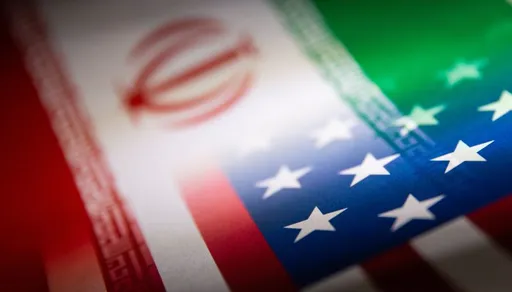
Bessent said Trump and Xi have been discussing the Iran situation and will exchange views on this in person during their May 14-15 summit in Beijing.
But he emphasised that the two will strive to maintain stability in the US-China relationship that was established with their trade truce reached last October in Busan, South Korea.
"We've had great stability in the relationship, and again, that comes from the two leaders having great respect for each other," he said.
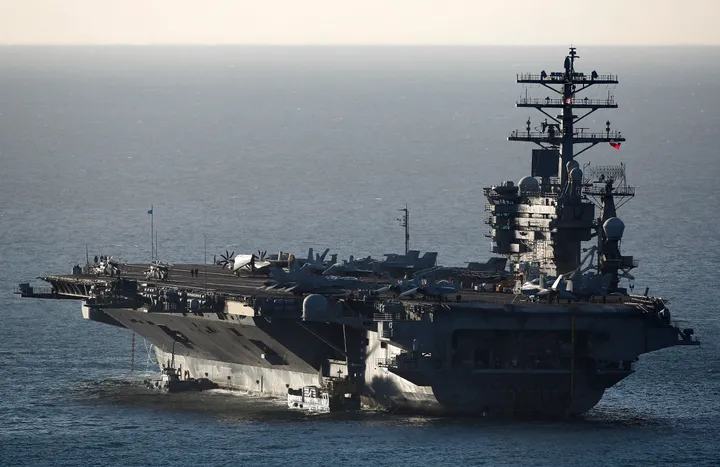
Bessent also insisted that the United States is fully in control of the Strait of Hormuz through its blockade of Iranian shipping and that the new US Navy operation to guide shipping through the strategic waterway will bring oil prices down.
He called high fuel prices a "temporary aberration" that will end in a matter of weeks or months.
"Again, we are cognizant that this short-term blip up in prices is affecting the American people, but I am also confident on the other side of this, prices are going to come down very quickly," Bessent said, adding that the oil market will be well-supplied.
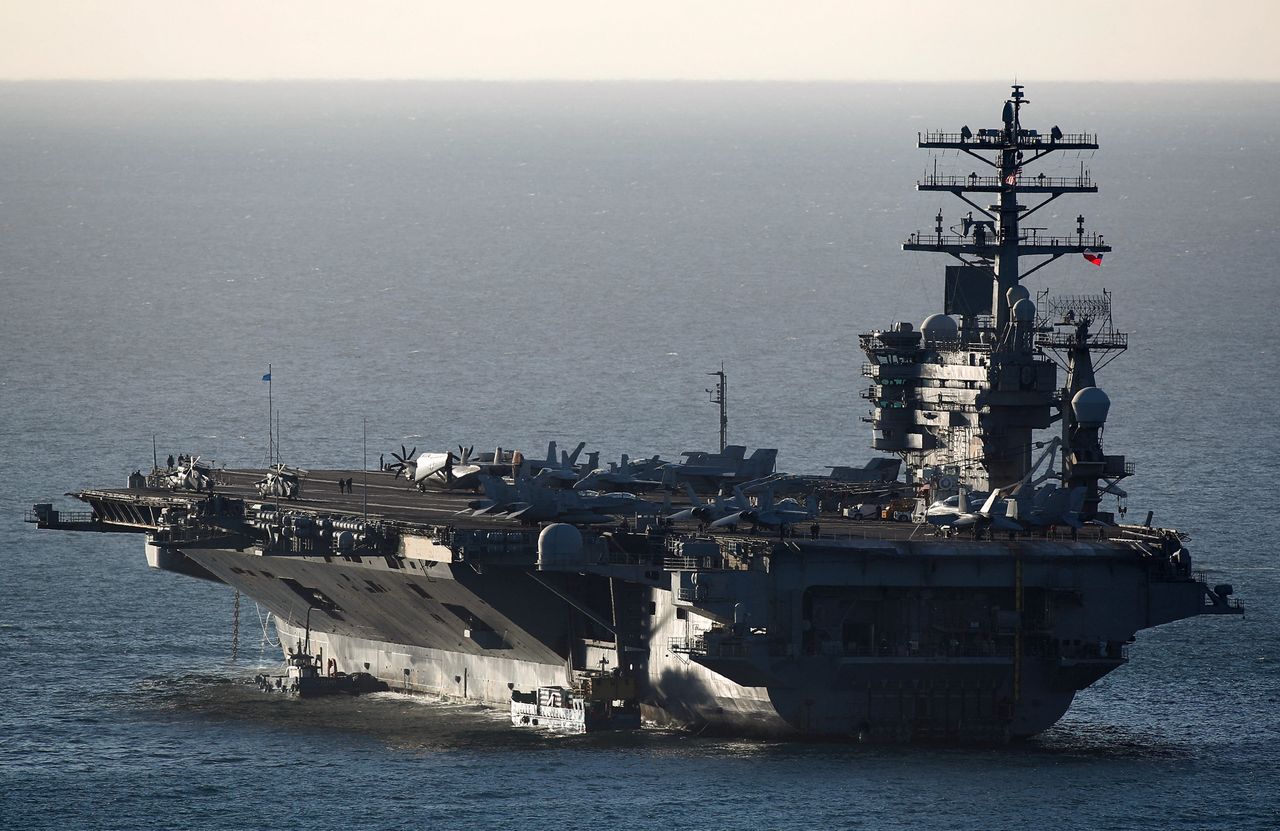
Double blockade of Hormuz
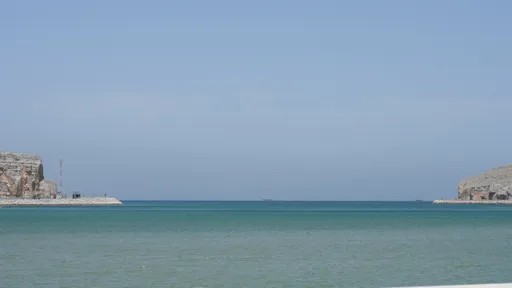
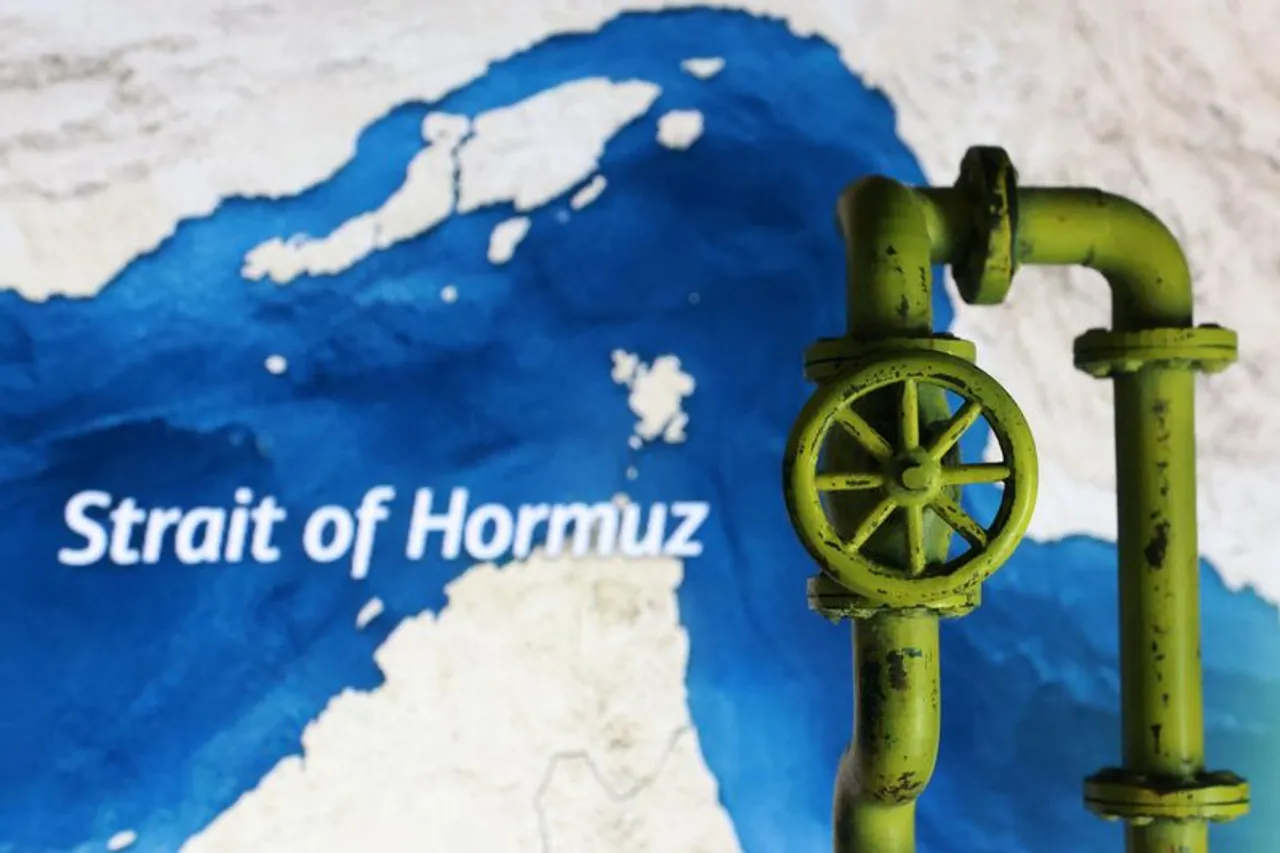
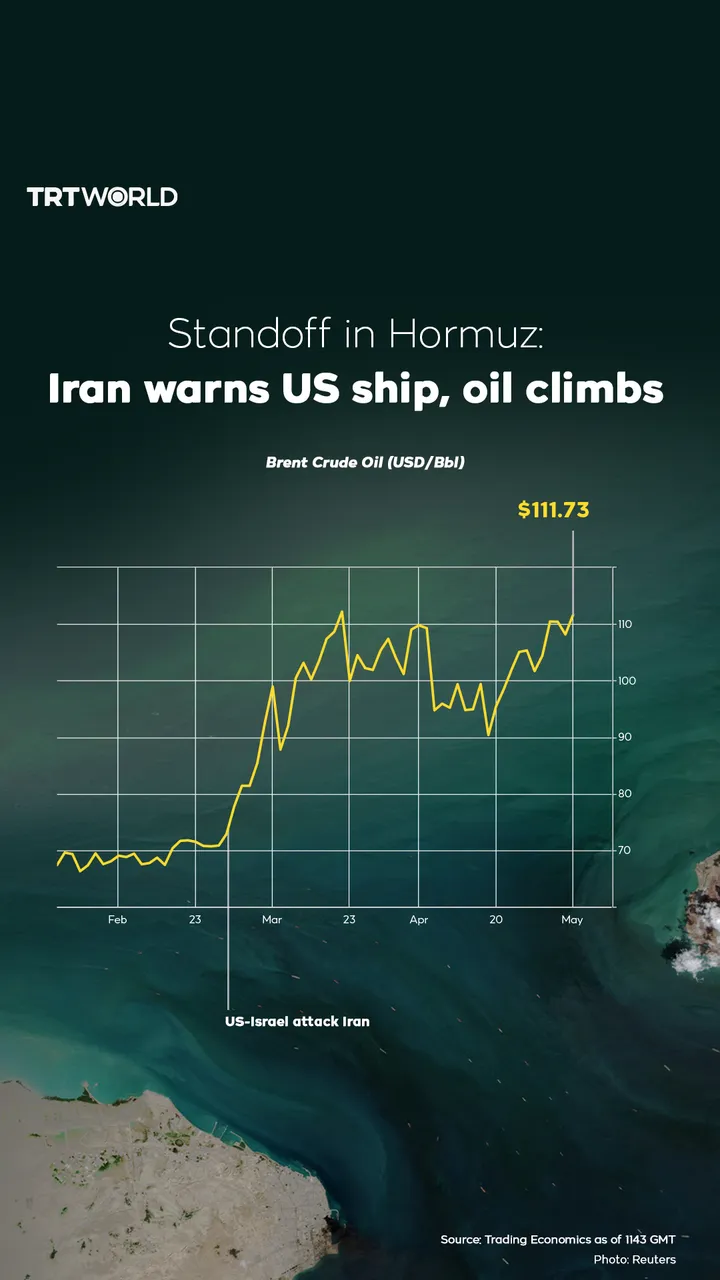
After a US and Israeli militaries launched a war on Iran on February 28, Tehran's military effectively closed the strait, a key route for oil and gas transit.
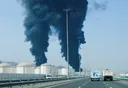
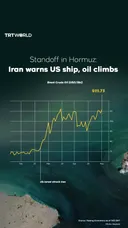
Global oil prices have since surged, as have costs at US gasoline pumps, squeezing American households as key midterm elections approach.
Meanwhile, Washington is maintaining a blockade of Iranian ports.
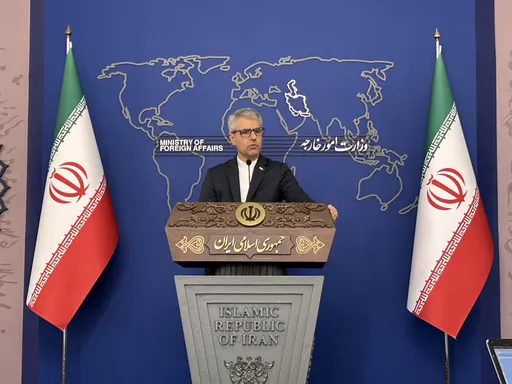
"They (Iran) are trying to cut off international freedom of navigation through the Strait of Hormuz, and the US is opening that up," Bessent said.
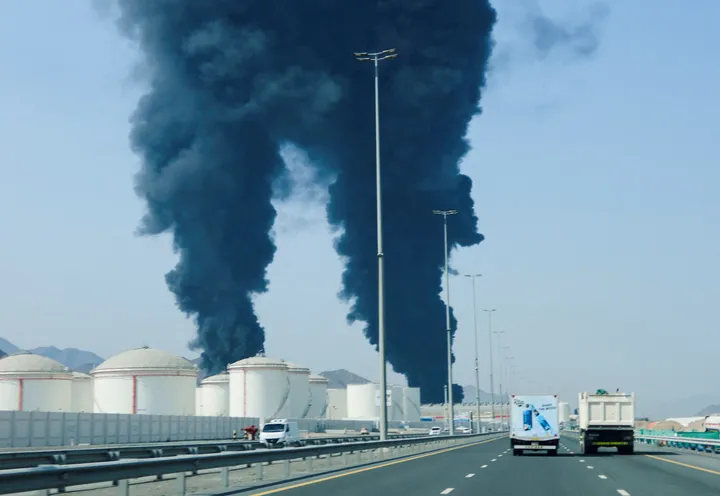
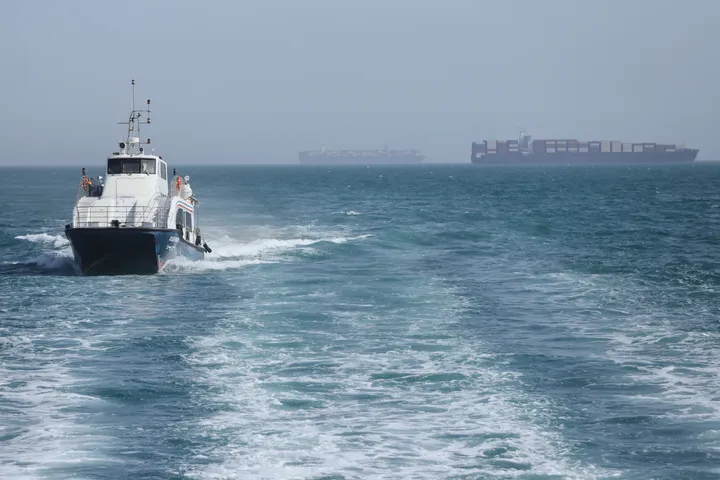
"We have blockaded the ships going into or out of Iranian ports. Their economy is in freefall," he added. "Their soldiers will not have a high tolerance for not getting paid."
But the economic fallout has been widespread globally.
In the United States, the average cost of a gallon of regular gasoline was $4.46 as of Monday morning, according to the AAA motor club. This is a sharp rise from the $2.98 level seen on February 26 before the war.
"Help is on the way as of today," Bessent said.
The market, because of the war around the strait, is in deficit of between eight and 10 million barrels of oil a day right now, Bessent added.
"Every crude carrier that goes through has about two million barrels," he said.
He expects there are "more than 150, 200 crude carriers that can come out," and that the "market is going to be very well supplied."
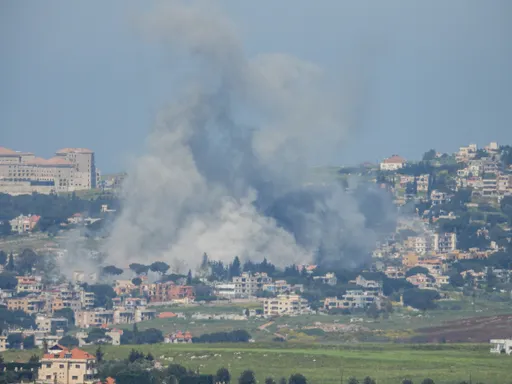
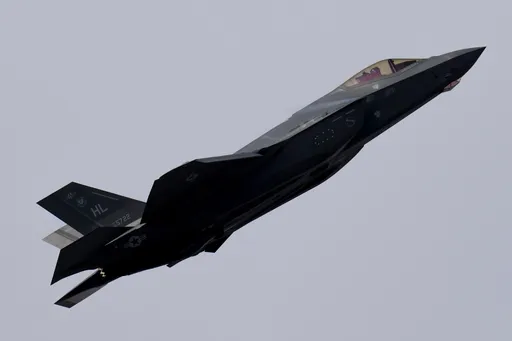
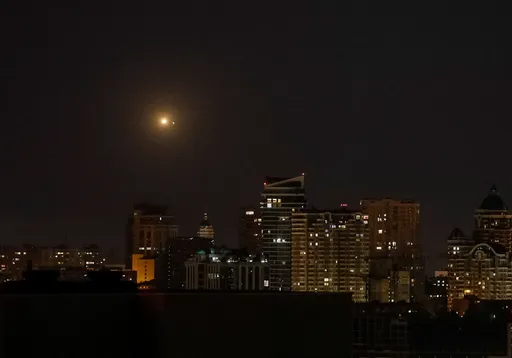
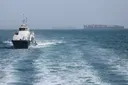
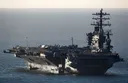
The US military said on Monday that US guided-missile destroyers have passed through the Strait of Hormuz and entered the Gulf as part of its new mission. It denied Iranian state media reports that a US warship was struck by missile fire.
US President Donald Trump has indefinitely extended what was an initial two-week Pakistan-brokered ceasefire that brought a halt to fighting. But the war, and its widespread economic fallout, remains unresolved.