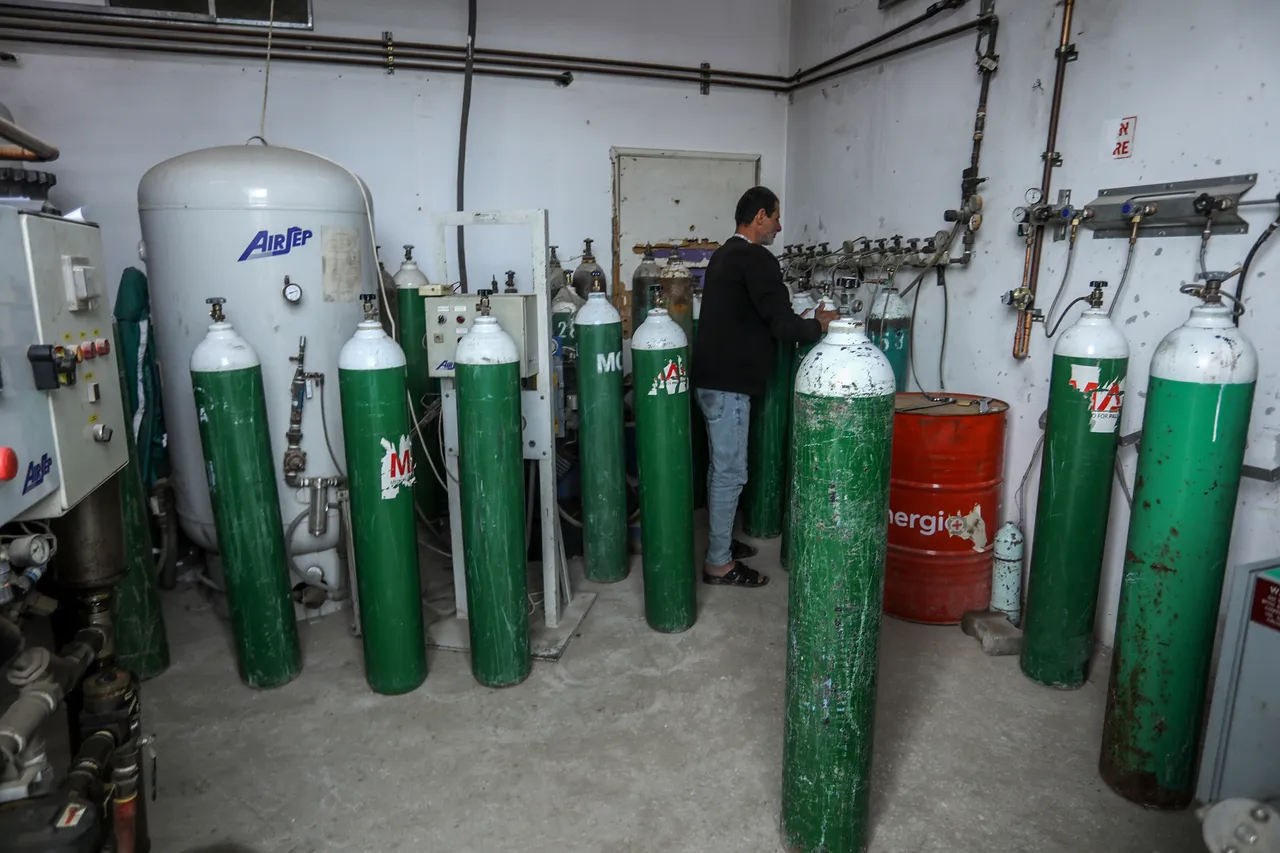
Inside the corridors of Nasser Medical Complex in Khan Younis, doctors and nurses anxiously monitor oxygen levels and ventilators as a worsening crisis threatens to cut oxygen supplies to one of Gaza’s largest functioning hospitals.
In the neonatal unit, premature babies lie in glass incubators connected to oxygen tubes that help them breathe, while their mothers watch the machines in fear that supplies could be cut off.
In intensive care units, patients depend on ventilators to stay alive as alarms repeatedly sound because of low oxygen pressure. Medical teams are trying to prevent any possible interruption.
Nasser Medical Complex in southern Gaza has two oxygen-generating stations.
“The main station recently went out of service because of technical failures and a lack of operating oils, while the backup station is working at limited capacity and could stop at any time,” Ismail Abu Nimr, director of engineering and maintenance at the complex, told Anadolu.
Dozens of empty oxygen cylinders line up in the hospital courtyard, waiting to be refilled, reflecting the scale of the crisis as fears grow that the hospital could become unable to meet the needs of its critical departments.
The Health Ministry in Gaza has repeatedly warned of the dangers of Israel preventing the entry of medicines, medical supplies, equipment and related materials, saying the restrictions have catastrophic consequences for health services and patients’ lives.
Official Palestinian reports have also warned of the risks of Israel blocking the entry of spare parts needed to maintain equipment, machinery and vehicles that provide vital services to Gaza residents.
Death sentence
Ahmad al-Farra, director of the Children and Maternity Department at Nasser Medical Complex, said the hospital is experiencing “slow suffocation,” warning that the continued oxygen crisis threatens the lives of hundreds of patients, especially premature babies and intensive care patients.
“Oxygen is the lifeline inside hospitals, especially for babies in incubators, intensive care patients and operating rooms. These patients depend on it completely,” Farra told Anadolu.
He warned that the shutdown of oxygen stations would mean “a real catastrophe and a death sentence for hundreds of patients,” urging the international community to intervene before the service collapses completely.
Abu Nimr said the hospital depends on oxygen stations to supply patients inside its departments and to provide medical cylinders for field hospitals and other health facilities.
He said the main oxygen production station went out of service because parts wore out and the operating oils ran out, without specifying when it stopped operating.
“The second station inside the complex is still running, but at limited capacity and faces the risk of stopping at any time,” Abu Nimr warned.
He said Nasser Medical Complex, like other hospitals in Gaza, has struggled for years to bring in the spare parts and oils needed to maintain the stations, forcing technical teams to use local substitutes “that do not meet specifications.”
Those substitutes caused additional malfunctions and damaged pumps, he said, adding that technical teams are working with limited resources to keep the service running.




Looming catastrophe
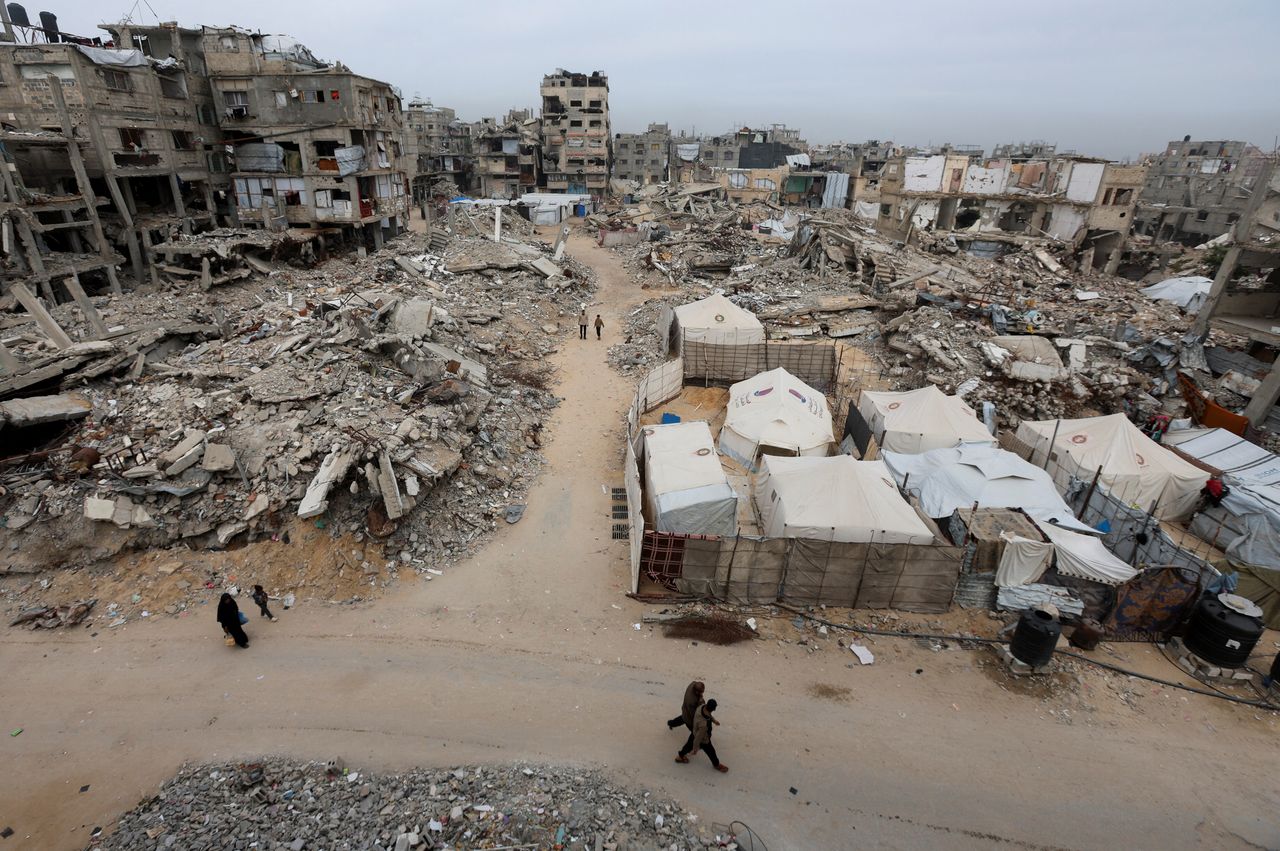
The crisis at Nasser Medical Complex reflects the near-total collapse of Gaza’s health sector, especially oxygen production.
Last month, the Health Ministry warned that the only functioning oxygen station in Gaza City and northern Gaza could stop working.
The ministry said at the time that the station was the main source of medical oxygen for patients, especially those with chronic illnesses, and civil society organisations working in health care.
The station has suffered “repeated malfunctions because of heavy pressure and long operating hours, amid a lack of sufficient alternatives,” the ministry said, warning that a cutoff in medical oxygen would put patients’ lives at serious risk.
The ministry warned of a looming humanitarian catastrophe as the risk of the station shutting down grows alongside rising demand for oxygen at hospitals and health centres.
It urged international organisations and relevant bodies to quickly intervene to bring in new oxygen-generating stations and ensure a sustainable supply of medical oxygen to health facilities to protect patients’ lives and maintain health services.
25 stations destroyed
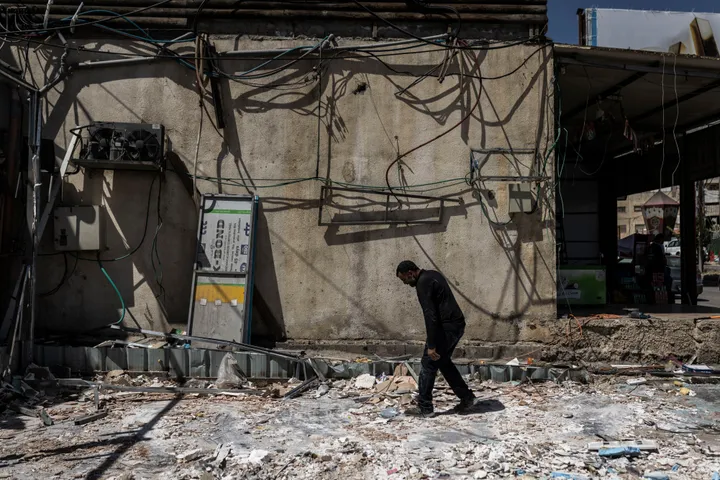
Israel destroyed about 25 of Gaza’s 34 oxygen production stations during two years of its genocidal war, according to Gaza’s Health Ministry.
The ministry said in separate statements that the stations were destroyed during Israeli army incursions into hospitals as part of its ground offensives in Gaza.
In May 2025, the ministry said that only about nine stations remained operational in the enclave, adding that they were working only partially and did not meet patients’ needs.
Israel deliberately targeted Gaza’s health sector during the war, including hospitals, medical facilities and health centres, as well as medical teams and ambulances.
The oxygen crisis is worsening as Israel fails to meet its obligations under the ceasefire agreement in effect since October 10 2025, including opening crossings and allowing in agreed quantities of medical aid and health-related supplies.
Israel has also violated the agreement through shelling and gunfire, killing 854 Palestinians and wounding 2,453 others, according to Health Ministry figures.
Israel’s two-year genocidal war has killed more than 72,000 Palestinians, wounded more than 172,000 and caused massive destruction that affected 90 percent of civilian infrastructure.