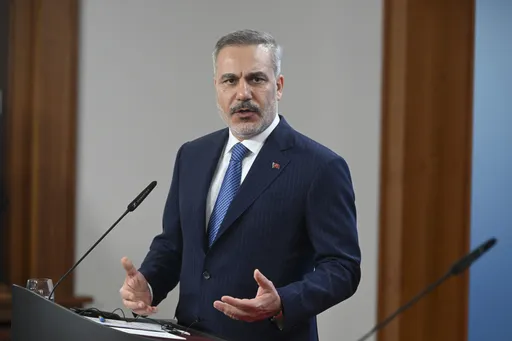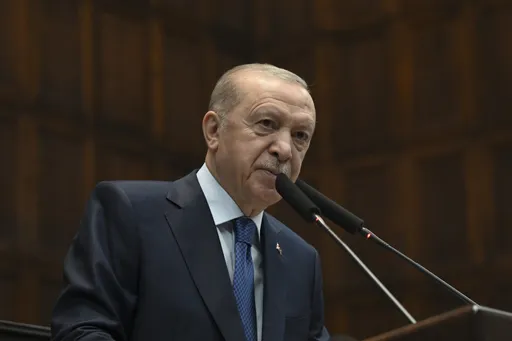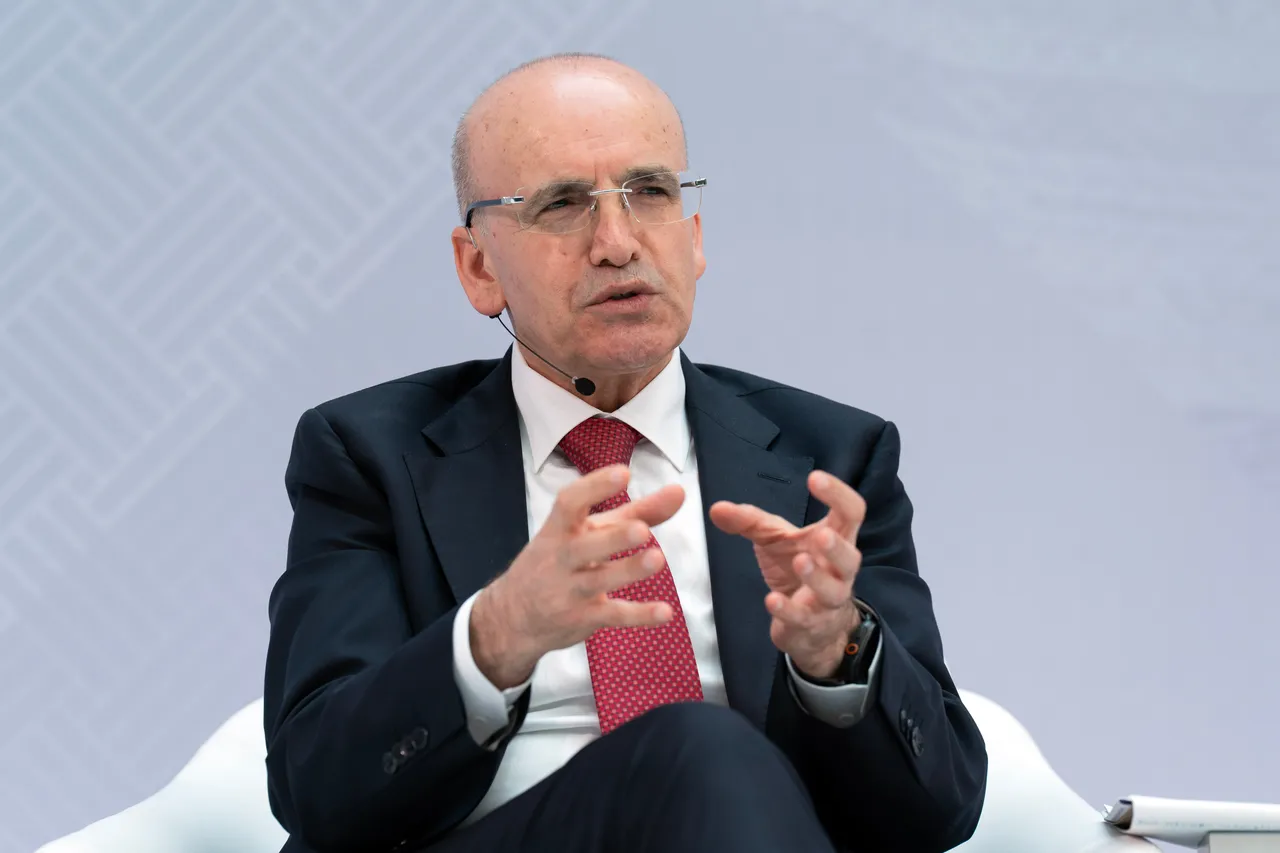
Turkish Treasury and Finance Minister Mehmet Simsek called on Wednesday for a stronger role for Islamic finance in channelling capital towards development priorities, saying global capital flows are increasingly detached from the real economy.
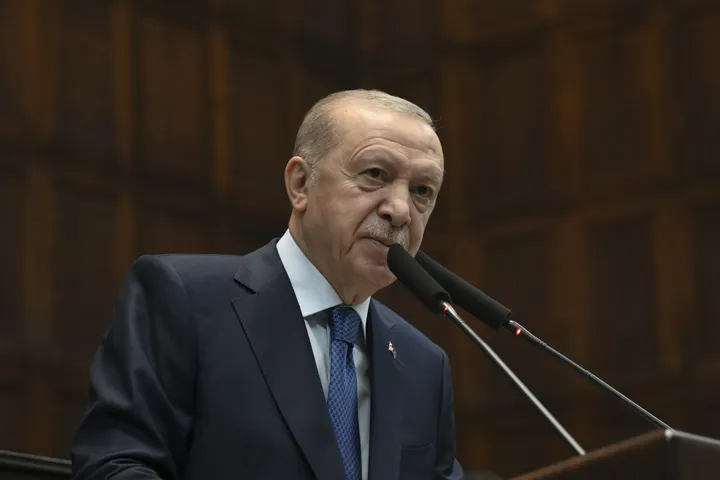
Speaking at the Global Islamic Economy Summit in Istanbul, Simsek said global foreign direct investment (FDI) figures may appear to be rising, but much of the increase is linked to flows between financial centres rather than productive investment.
“Finance appears to be increasingly detached from the real economy,” he said, adding that Islamic finance offers a more suitable model because it is asset-backed and based on risk-and-reward sharing.
Simsek said the share of emerging and developing economies in global FDI has fallen from 67 percent to about 54 percent over the past three years amid geoeconomic fragmentation, reshoring pressures, industrial policy measures and supply chain reconfiguration.
“The vision here should be to reconnect capital with development priorities,” Simsek said.
The minister said Islamic finance assets have risen nearly 49-fold in nominal dollar terms since 2000, but their share of global financial assets remains relatively small.
He said Türkiye currently ranks ninth among countries by Islamic financial assets and aims to enter the top five, adding that the sector needs more diversified products, stronger liquidity and greater innovation to compete with conventional finance.
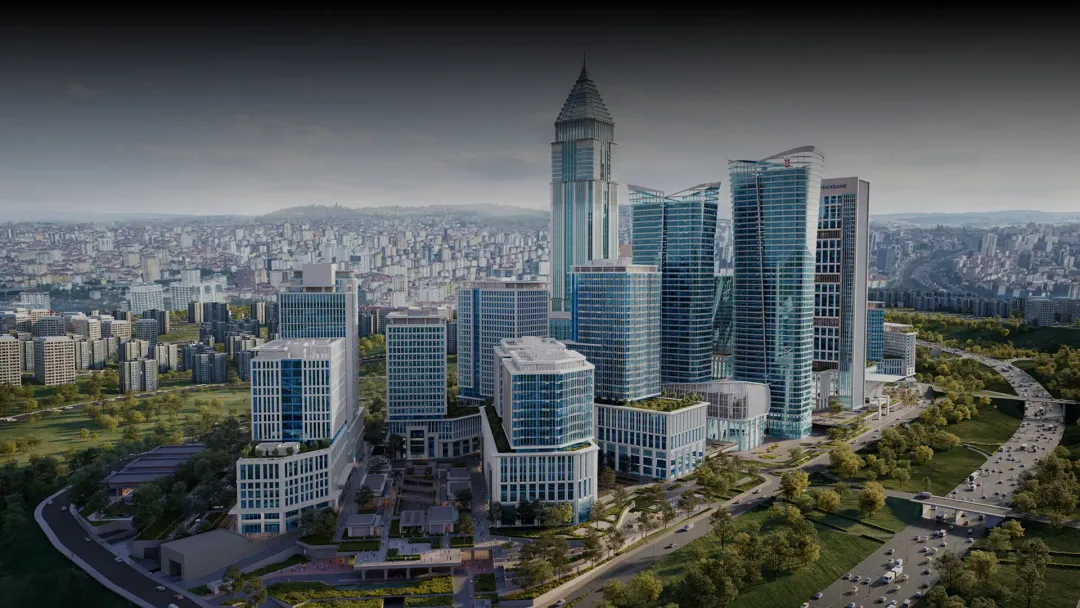
Simsek also said the Istanbul Financial Centre should play a larger role in global Islamic finance.
Türkiye prepared for external developments
Turning to Türkiye’s economic programme, Simsek said the government remains focused on price stability, fiscal discipline and a sustainable external balance.
He said disinflation is under way, although at a slower pace than initially expected because of domestic and external shocks.
Simsek said Türkiye now expects inflation to end the year in the mid-20s, or possibly high-20s, assuming oil prices remain around $90 per barrel.


He said Türkiye’s budget deficit stood at 2.9 percent of gross domestic product (GDP) last year, compared with about 6 percent for the emerging-market average, while government debt was 24 percent of GDP compared with an emerging-market average of 74 percent.
Simsek said Türkiye’s current account deficit is expected to rise because of higher oil and gas prices but remain manageable at about 3 percent of GDP.
He added that Türkiye still has adequate reserves, while external debt as a share of GDP is trending down towards the low-30 percent range.
New incentives and investment case
Simsek also outlined new measures aimed at attracting investment, capital and talent to Türkiye.
He said a bill approved by parliament and signed by President Recep Tayyip Erdogan reduced the corporate tax rate for manufacturers in industry and agriculture to 12.5 percent.
“This is one of the most competitive corporate tax rates for any global emerging market,” he said.
He also said Türkiye introduced a 100 percent tax exemption on service exports, including software, video games, medical tourism, education, engineering, design and consultancy.
The minister said Türkiye also introduced zero corporate income tax on transit trade for companies operating in the Istanbul Financial Centre, while a 95 percent tax exemption applies outside the centre.
Simsek said Türkiye remains attractive due to its large and growing economy, strong connectivity, manufacturing base, services capacity and labour force.
He said Türkiye is the world’s 16th-largest economy by gross domestic product at current exchange rates and the 11th-largest by purchasing power parity, with PPP-adjusted GDP above $4 trillion.
Simsek said Türkiye will continue investing in regional integration and connectivity, citing the Development Road project with Iraq, the Middle Corridor and potential new routes linking Türkiye with Saudi Arabia and the Gulf region.