The US military in Okinawa is suspending operations for 48 hours and restricting troops from leaving their bases after a Marine was arrested on suspicion of killing a local woman, reigniting long-standing anger over crimes involving American service members on the Japanese island.
Lt. Gen. Benjamin Watson, commander of the III Marine Expeditionary Force, announced the pause in a letter posted on Tuesday, saying incidents such as the latest case “demand we pause for reflection” and stressing that US forces have a responsibility to the Okinawan community.
The stand-down will run from Wednesday through Friday, with troops receiving training on discipline, standards and their responsibilities as members of the local community.
Latest killing revives Okinawa’s long record of military-linked crimes
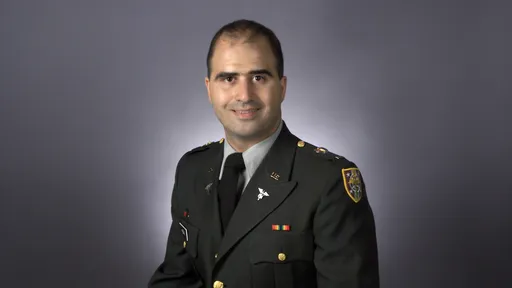
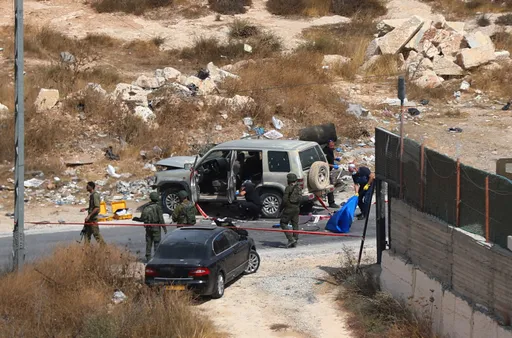
Okinawa prefectural police arrested Lance Cpl. Devin Jacob Ballard, 20, who is stationed at Futenma Air Station, on suspicion of strangling Anna Yagi, 39, at a hotel in Naha early Saturday and stealing her wallet and backpack.
Ballard has denied the allegations, according to Japanese media.
Police said security camera footage showed a man entering the hotel with Yagi and later leaving alone. Ballard was arrested later Saturday after a patrolling officer spotted him in an entertainment district in Okinawa City, about 25 kilometers northeast of Naha. Kyodo News reported that his appearance, including a shaved head and tattoos, matched the person seen in the footage.
The arrest has renewed criticism of US military leaders’ repeated use of training and restrictions after serious crimes.
“I must say, discipline and troop education are not working at all,” Kenji Higa, an Okinawa City resident, told the Okinawa Times, referring to previous measures introduced after criminal cases involving US personnel.
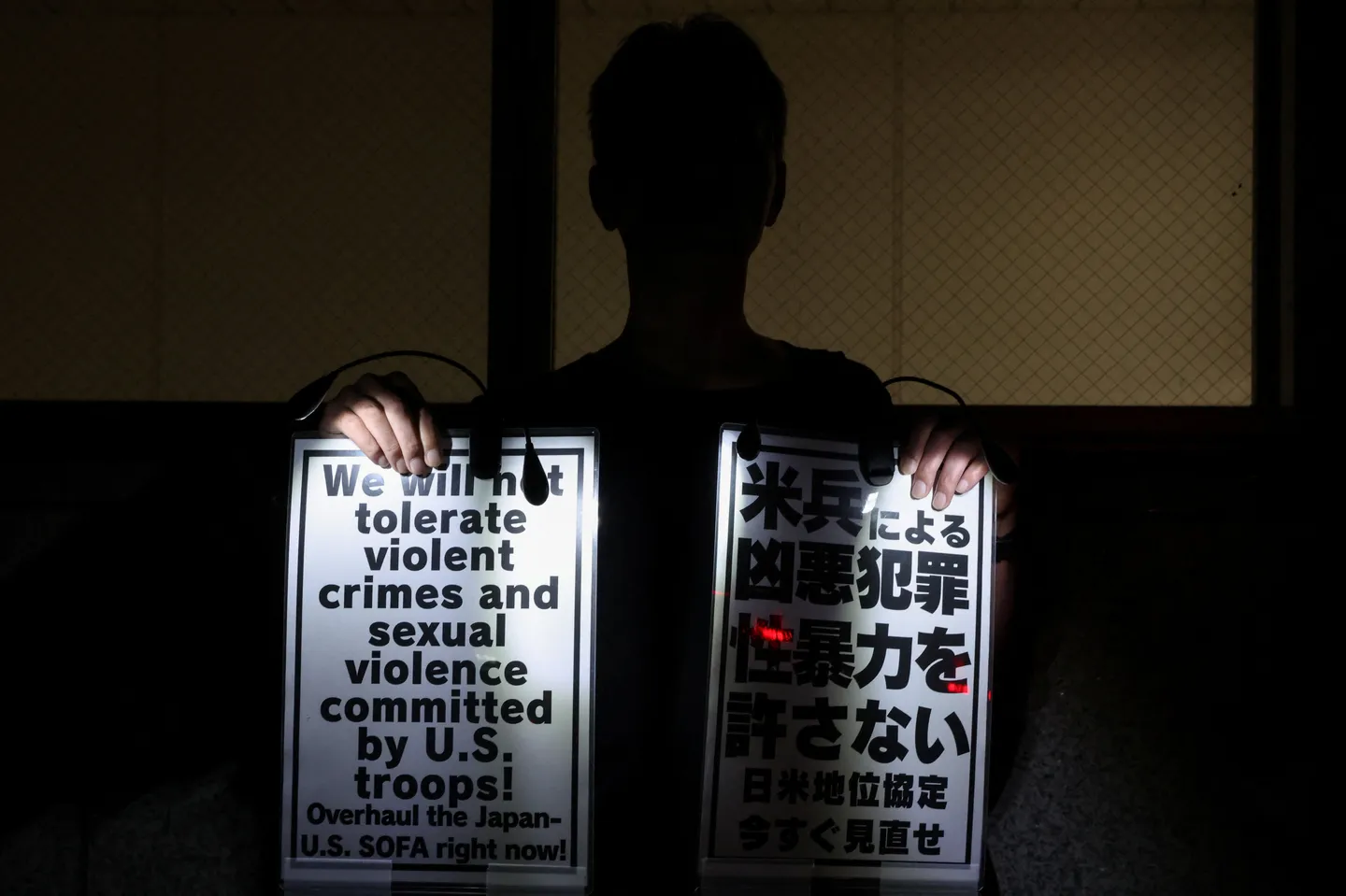
The criticism comes against a deeply painful history of sexual violence and other crimes involving US service members.



In 1995, the rape of a 12-year-old girl by three US servicemen triggered huge protests against the American military presence. In 2024, a US service member was accused of raping a teenage girl, with anger also directed at authorities over the delayed disclosure of the case.

Military presence remains deeply divisive
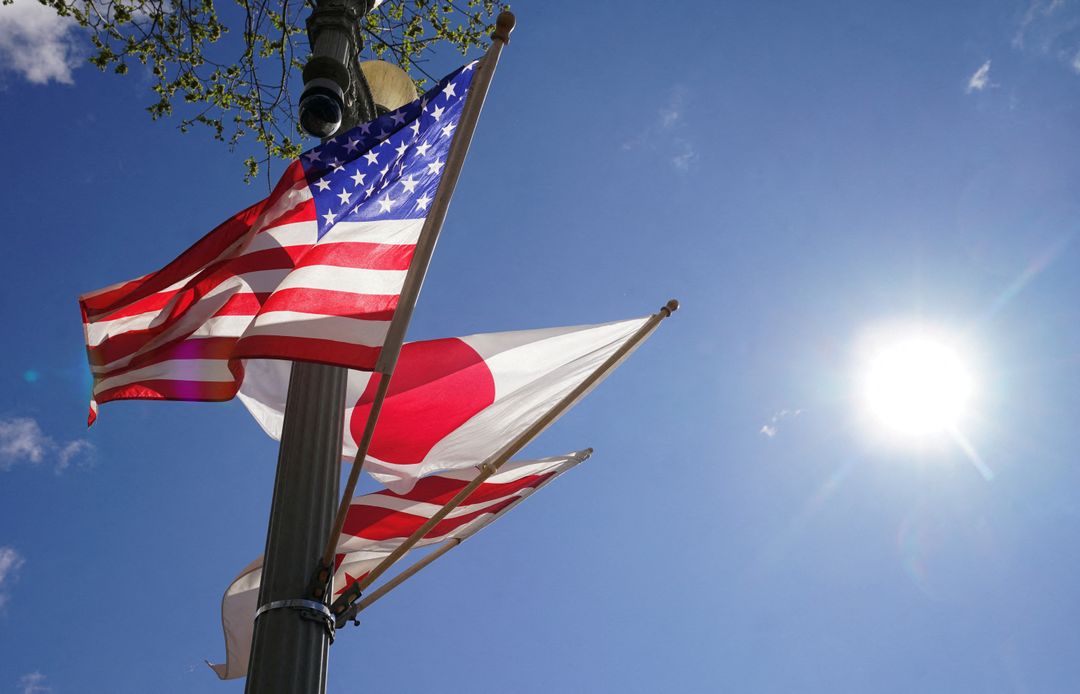
The latest case comes as Japan seeks to strengthen its military capabilities on Okinawa and deepen security cooperation with the US amid concerns about China’s growing military power in the region.
But for many Okinawans, the strategic role of the US military does not erase the burden imposed by its presence.
Okinawa remained under US occupation from the end of World War II until 1972. Today, nearly 80,000 Americans live on the island, including almost 30,000 active-duty US military personnel across all four branches, with Marines making up the largest contingent.
Police data show the number of criminal cases involving US military personnel rose to 101 last year from about 40 in 2020.
Watson acknowledged the damage such incidents can inflict on relations with local residents, saying US troops “live, work, and socialise alongside the people of Okinawa” and that every interaction can either build or undermine trust.
“When that trust is damaged, it affects the strength of our alliance and the security of this region,” he said.
For Okinawans who have repeatedly protested killings, sexual violence and other crimes involving US personnel, however, another two-day pause and round of troop education risks looking less like accountability than another temporary response to a problem that has persisted for decades.