 Ahmed Almallahi
Türkiye's Strategic Role in NATO: A Pillar of Security and Stability
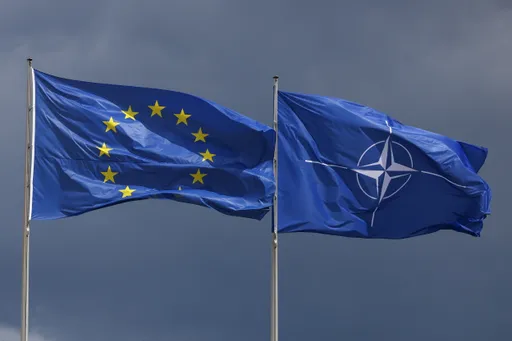
As Türkiye prepares to host the NATO Heads of State and Government Summit, its significant contributions to the alliance are coming into sharper focus. With nearly 3,000 personnel deployed alongside a range of weapons, vehicles, and platforms, Türkiye stands as a crucial player in NATO's collective defense strategy. This article delves into Türkiye's historical ties with NATO, its ongoing military contributions, and the implications of its strategic initiatives for regional and global security.
Historical Context: Türkiye's NATO Membership
The roots of Türkiye's NATO membership trace back to the geopolitical landscape of the Cold War. The primary impetus for joining the alliance was to counter the perceived threat from the Soviet Union, particularly concerning its claims over the Turkish Straits and eastern provinces. Türkiye officially became a NATO member on February 18, 1952, following the signing of the membership protocol on October 17, 1951. This move marked a significant shift in Türkiye's defense posture, as it became the first country to send ground forces to support NATO operations after the United States during the Korean War.
A Commitment to Global Missions
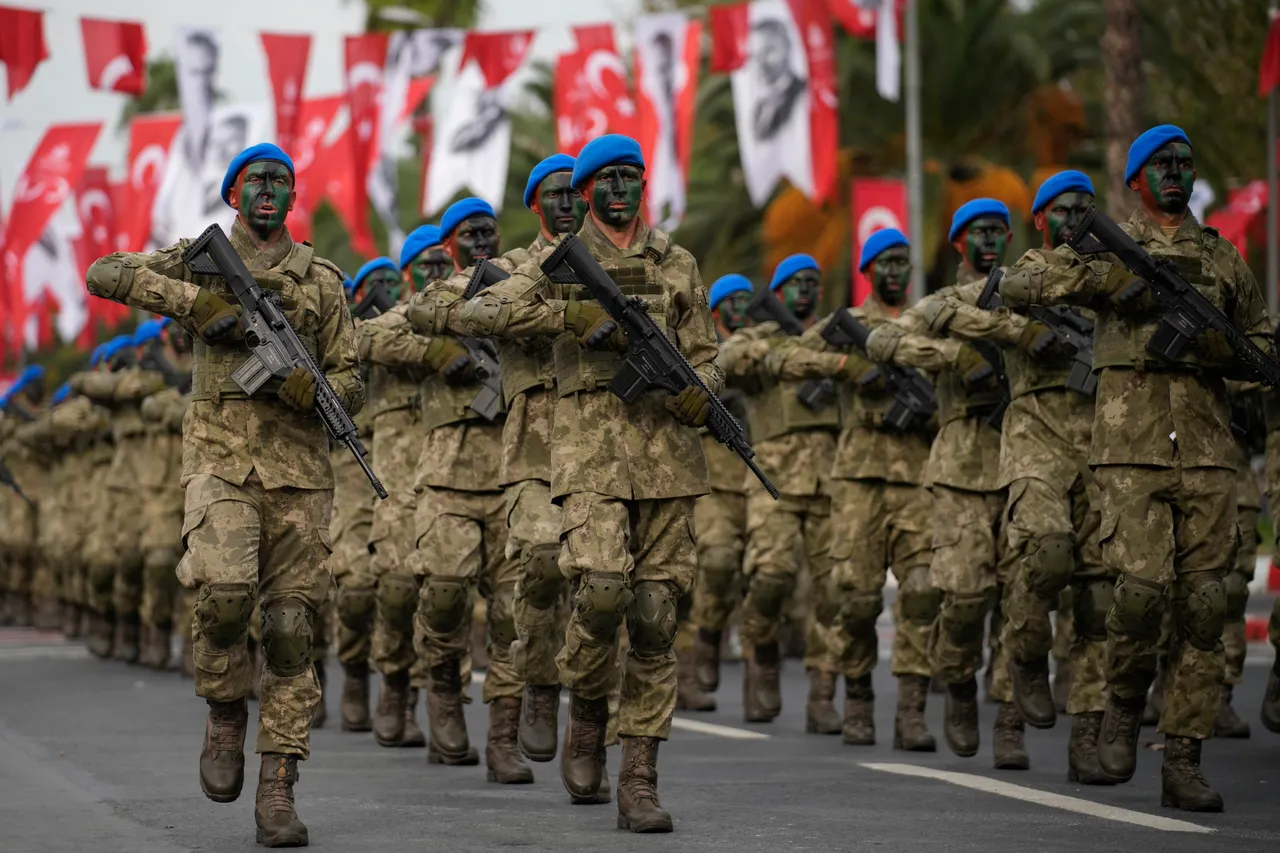
Türkiye's military has consistently demonstrated its commitment to NATO's global missions. As the alliance's second-largest military force, Türkiye has expanded its contributions across various operations, including those in Afghanistan, Kosovo, Bosnia and Herzegovina, Libya, and Iraq. Notably, Türkiye played a pivotal role in the Resolute Support Mission, overseeing the secure operation of Kabul Hamid Karzai International Airport until the mission's conclusion on August 28, 2021.
In 2018, Türkiye began contributing to the NATO Mission in Iraq, focusing on capacity building for the Iraqi Army. This commitment continued until the withdrawal process commenced in March 2023 due to deteriorating security conditions. Additionally, Türkiye supports ongoing operations such as the Kosovo Force (KFOR) and Operation Sea Guardian, maintaining a presence of nearly 3,000 personnel across these missions.
Military Exercises and Technological Advancements







Türkiye's active participation in NATO exercises underscores its readiness and capability. In 2023, the Turkish Armed Forces took part in 34 NATO exercises, with plans for 39 in 2024 and 50 in 2025. A highlight of this year's activities was Türkiye's involvement in NATO’s Steadfast Dart exercise in Germany, where a joint force of over 2,000 personnel was deployed. During this exercise, the TB-3 armed unmanned aerial vehicle, launched from the Turkish naval vessel TCG Anadolu, successfully struck a target over the Baltic Sea, marking a historic first for naval drone operations in live-fire exercises.
Defence Spending and Strategic Initiatives
Türkiye's defense spending reflects its commitment to NATO and its own national security. In 2025, Türkiye allocated 2.33 percent of its gross domestic product to defense, positioning itself among the top contributors within the alliance. As the commander of KFOR for the second time since 2023, Türkiye's naval forces rank as the largest contributors to Operation Sea Guardian among NATO's 32 member states.
The Turkish High Readiness Maritime Task Force has assumed command of both the NATO Response Force Maritime Component Command and the Mediterranean Task Force Command, further solidifying Türkiye's leadership role within NATO. Projects such as the Steel Dome, KAAN, and Altay are enhancing the alliance's technological edge, showcasing Türkiye's dynamic approach to security production.
Türkiye's Diplomatic Influence and Future Leadership
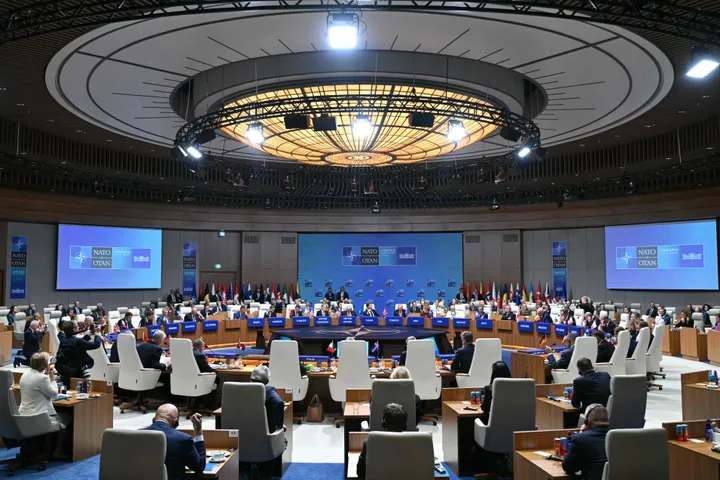
The upcoming NATO Heads of State and Government Summit, scheduled for July 7-8, 2026, in Ankara, is a testament to Türkiye's growing diplomatic influence. As Türkiye prepares to assume leadership of NATO's Allied Reaction Force in 2028, it aims to reinforce the alliance's commitment to protecting the Euro-Atlantic region. One of Türkiye's key objectives during the summit will be to ensure that NATO members reaffirm their dedication to Article 5, which emphasizes collective defense.
In a rapidly changing security landscape, Türkiye's role within NATO is more critical than ever. As the alliance navigates complex geopolitical challenges, Türkiye's contributions and leadership will play a vital role in shaping the future of transatlantic security and stability.