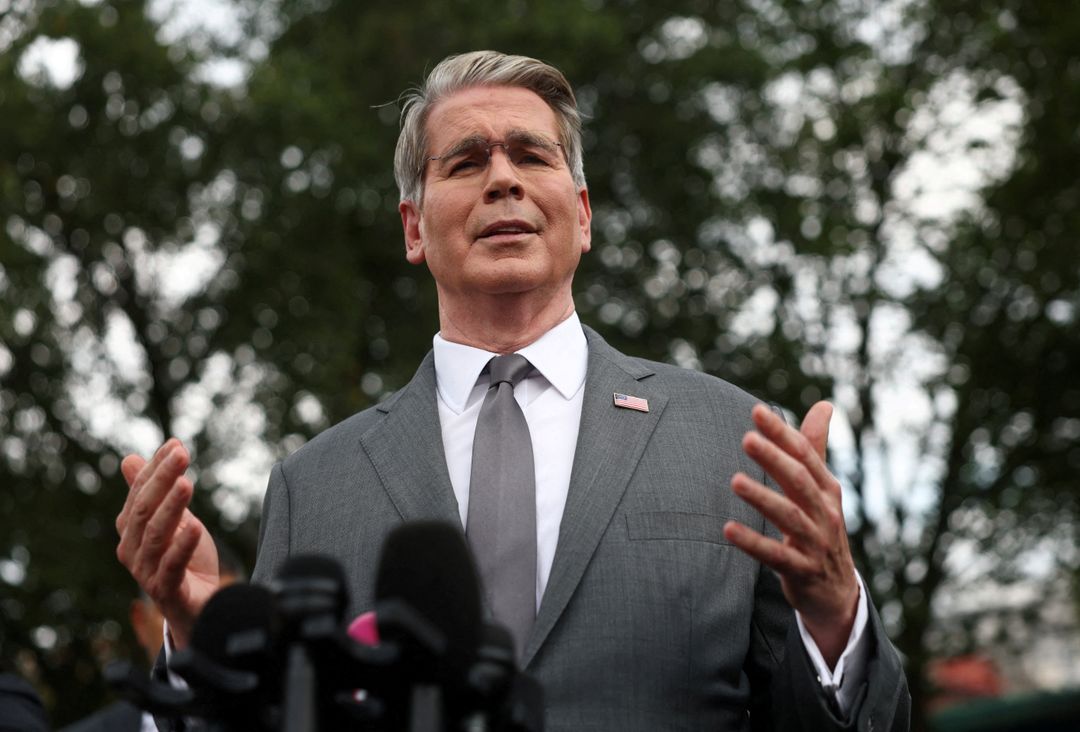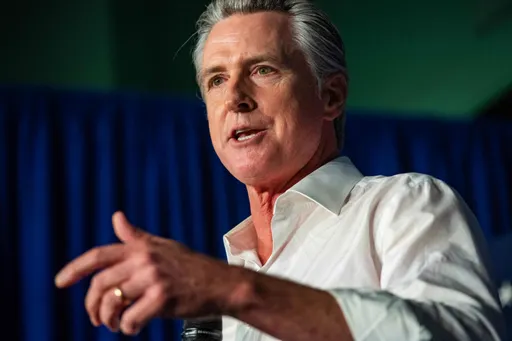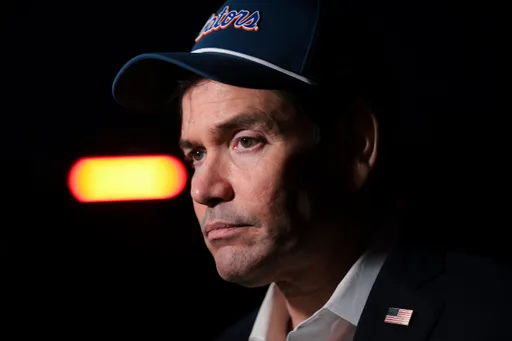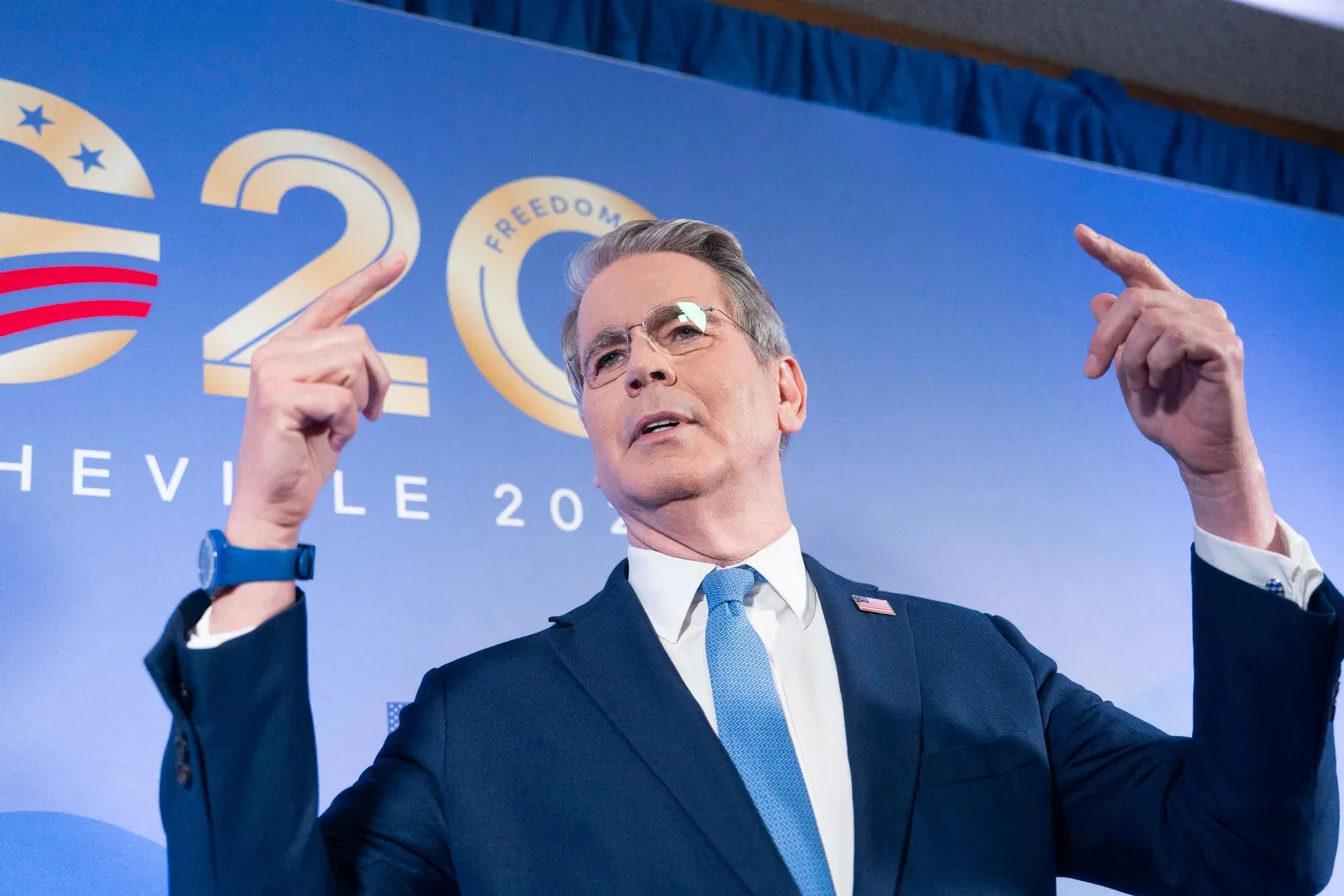
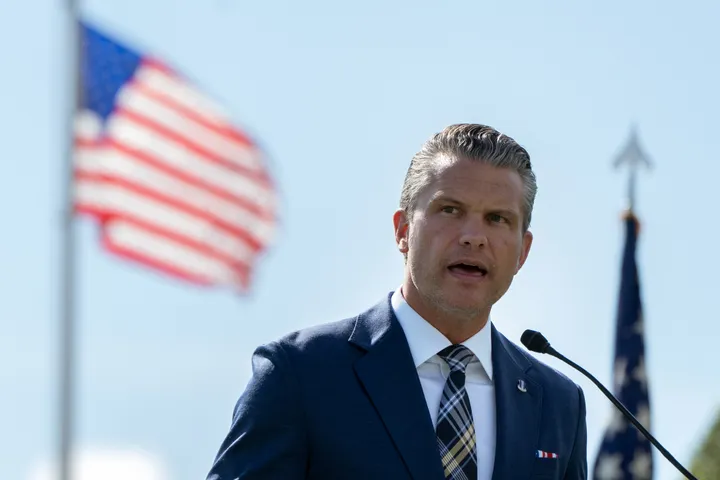
US Treasury Secretary Scott Bessent has told CNBC in an interview that the goal of US sanctions on Iran is "to create the conditions that they will want to come to the table" for negotiations.
"We’re going to get on the other side of this, the Iran conflict," Bessent said in an interview published on Monday.
Asked what sort of time frame does he have in his mind for that, he said, it is going to be the when Tehran is willing to come to the table.
"As President Trump has been saying over the past few weeks, he doesn’t think they’re ready to make a deal and I think that Operation Economic Outcast is going to make them want to make a deal between that and the blockade. They are cut off," Bessent claimed.
"We we are starting to see their elected leadership openly complain about the state of the economy to, they’re speaking to the Iranian hardliners in public. They’re talking to the Iranian people. You know, the currencies collapse, inflation…," he added.
Bessent vowed to persist with economic pressure on Iran, saying a turning point could be near as G20 finance leaders opened talks clouded by war and trade tensions.
"We are going to continue exerting pressure, and we've had very good discussions here already," Bessent told reporters on Monday before starting meetings with Group of 20 finance ministers and central bank governors.
Asked how long it would take for the Iranian economy to collapse, Bessent said: "I think it could be within weeks or months — and the economy doesn’t have to collapse, we just have to have the regime come to their senses."
G20 meeting
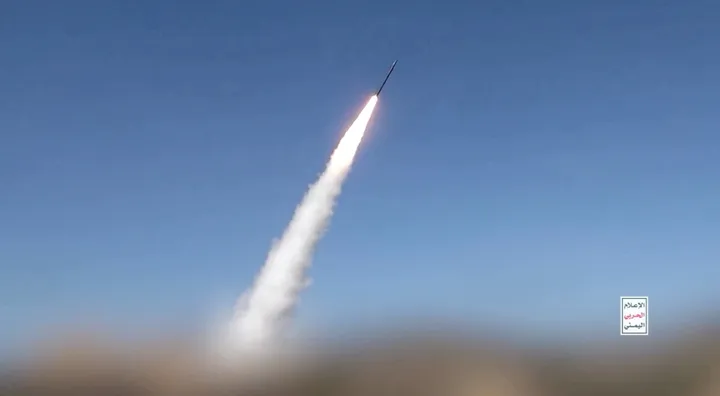
President Trump's administration is working to rally G20 partners to ramp up economic pressure on Iran during the talks in Asheville, North Carolina, through on Tuesday — amid a renewed exchange of fire with Tehran.
The first exchange of attacks for a month loomed over the meetings as leaders arrived on Monday morning at the foggy, mountainous compound of the Omni Grove Park Inn.
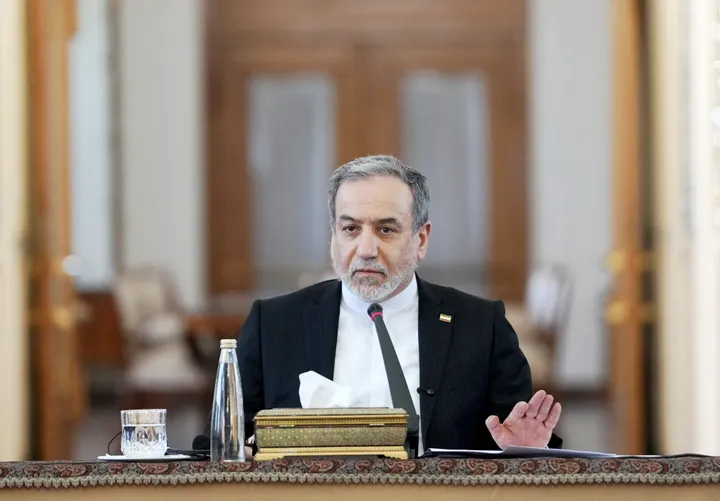



Already, the European Union urged "continued diplomatic efforts" to reach a peace settlement.
All eyes will be on bilateral meetings on the sidelines of the summit too, where Bessent is set to make direct appeals to counterparts as Washington pushes to isolate Iran economically.
A Treasury official said Bessent will deliver a strong statement to the G20 to urge compliance with US sanctions.
Bessent last week unveiled a campaign the White House calls "Operation Economic Outcast," but only issued warnings to nations to cut trade and has yet to announce any secondary sanctions.
Bessent told reporters the administration wanted countries to have a chance to shift away from Iran before it was too late — and acknowledged there was economic risk to the US, too, in moving ahead.
China, which is Iran's biggest trade partner and oil buyer, responded by expressing its opposition to "illegal unilateral sanctions."

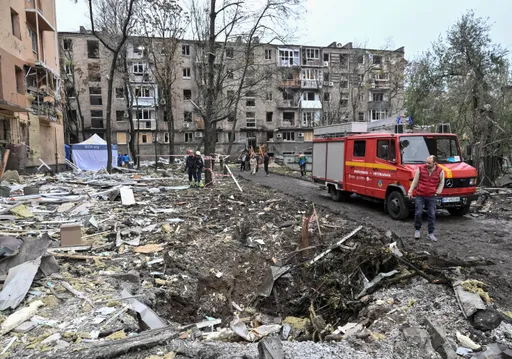
US joined Israel in attacking Iran on February 28, with strikes quickly killing the longtime supreme leader, Ali Khamenei, and much of the other top brass as well as hundreds of civilians.
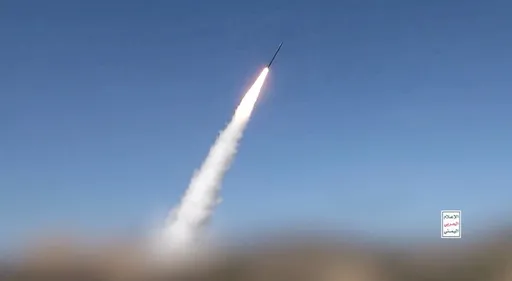
But Iran quickly hit back by exerting control over the Strait of Hormuz, the narrow passageway through which one-fifth of global oil once sailed, and it has rained missiles and drones on US-allied Gulf Arab monarchies, shattering the oil-rich countries' hard-earned reputation for stability.
Polls in the US have shown the war increasingly unpopular with the American public, especially with rising prices due to stalled waterways.
In mid-June, Iran and the US, with Pakistani and Qatari mediation, signed a 14-point framework agreement in Islamabad, Pakistan’s capital.
The memorandum included provisions for ending hostilities, reopening the strait, lifting a US naval blockade, and beginning a 60-day negotiation process.
Within weeks of signing, both Washington and Tehran accused each other of violating the interim truce. Iran has formally declared the Islamabad Memorandum of Understanding suspended and defunct after US resumed attacks on its facilities.