Iran says Netanyahu seeks to drag US into another war
Saudi pilots killed in helicopter crash as coalition intercepts drones
Saudi-led coalition says it intercepted drone in Riyadh
Hormuz transits remain 70% below pre-conflict levels
Araghchi says Tehran has shared a seven-day plan with the US
3 hours ago
Houthi militia attacks escalate as oil supply disruptions spread
SUMMARY
Pakistan army chief Asim Munir to visit Tehran on Tuesday
Pakistan's army chief, General Asim Munir, is due to arrive in Tehran on Tuesday, Iran's semi-official Tasnim news agency reported.
There was no Pakistani confirmation of the visit.
West Bank on verge of 'explosion': senior Palestinian official
Illegal Israeli settler attacks risk setting off an "explosion" in the occupied West Bank, a senior Palestinian leader said, while urging that the response remain peaceful.
Jibril Rajoub, the secretary general of the central committee of the Palestinian Authority's ruling Fatah faction, said he called for "peaceful confrontation" as he took part in meetings in Cairo with other Palestinian movements, including Gaza-based Hamas, which led the October 7, 2023 attacks against Israel.
"The terrorism carried out by the army and settlers, under the supervision of the Israeli government... is a prelude to a coming reaction and explosion," Rajoub told AFP in Cairo.
But he said that a "peaceful, nonviolent struggle is a necessity and a strategic choice for all Palestinians". "Bloodshed is no longer an acceptable option," he said, calling for "peaceful confrontation with the occupation, despite the crimes it commits".
RECOMMENDED







Saudi airport closure disrupts life in kingdom's capital
The prolonged closure of Riyadh's airport after a series of fatal attacks has exposed the risks confronting Saudi Arabia's drive to shift its international image, disrupting businesses, airlines and residents more than a week after flights were grounded.
Deadly strikes by Yemen's Houthi militia in recent weeks have dealt a blow to the kingdom, forcing the airport to close until further notice and a slate of events to be postponed or cancelled, including its flagship investment forum dubbed "Davos in the desert".
Government agencies in the Saudi capital have also told employees to work from home starting Monday, one worker and two consultants told AFP, as has the 99-storey Kingdom Centre skyscraper in downtown Riyadh housing the regional office of the International Monetary Fund.
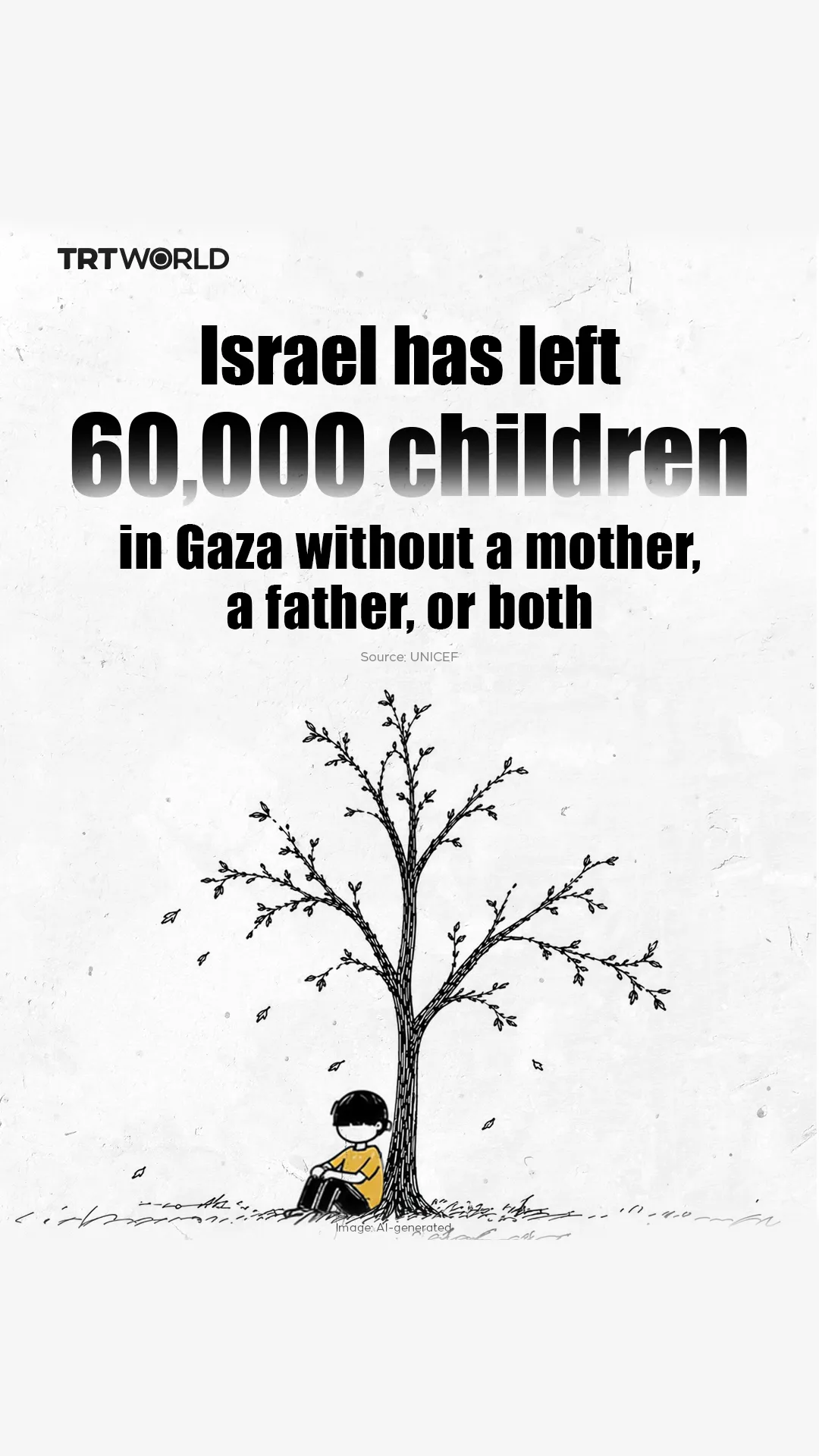
Israel has left 60,000 children in Gaza without a mother, a father, or both
More than 20,000 children killed. 60,000 left without a mother, a father, or both.
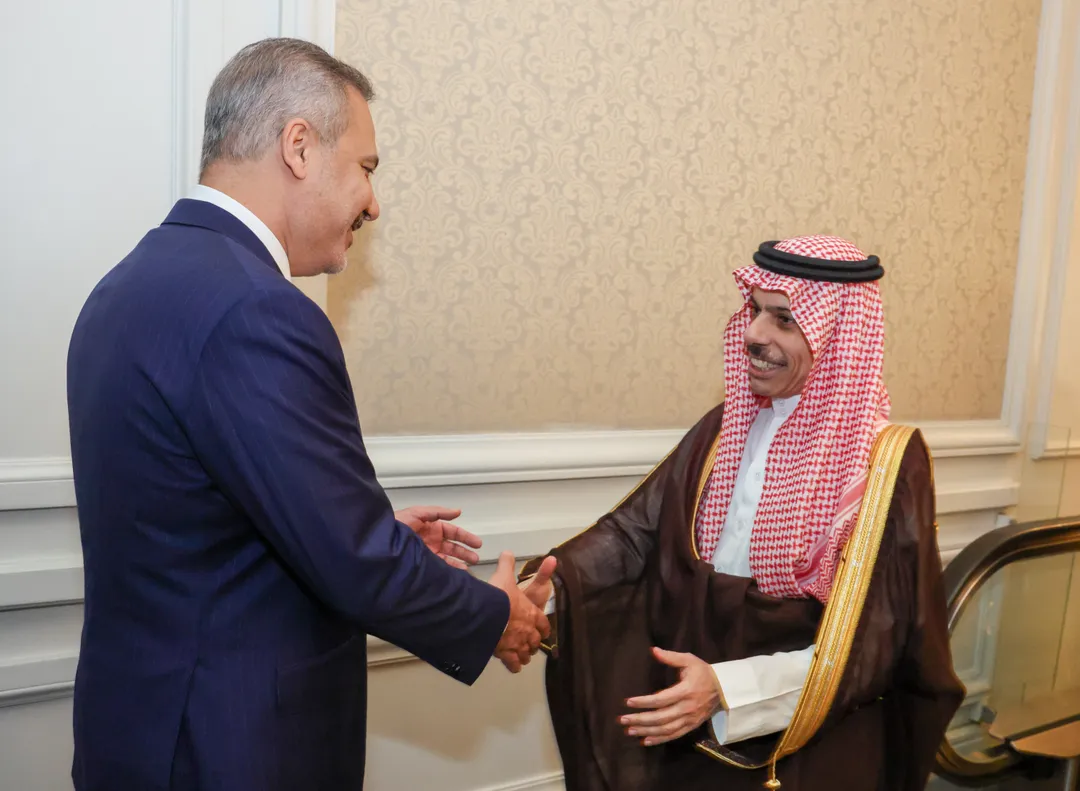
Türkiye, Saudi Arabia discuss regional threats as Houthi attacks escalate
Turkish top diplomat Fidan's call with Prince Faisal bin Farhan comes amid renewed fighting in Yemen and a broader push by Ankara and Riyadh to deepen defence coordination and protect regional stability.
US responsible for 'insecurity' in Hormuz strait: Iran
Iran's top diplomat accused the United States of being responsible for the "insecurity" in the Strait of Hormuz, which has been at the heart of the conflict between the foes.
"The war imposed by the United States and the Zionist regime (Israel), combined with the economic blockade, constitutes the principal source of insecurity in our region," said Iranian Foreign Minister Abbas Araghchi, having previously referred to "the Gulf and the Strait of Hormuz" during a joint press conference with his Russian counterpart Sergey Lavrov.
Warning of 'hostile aerial threat' sent to Riyadh residents: AFP journalists
Saudi authorities sent alerts to residents of the capital Riyadh, with AFP journalists receiving phone messages warning of "a hostile aerial threat" weeks into intensified Houthi attacks on the kingdom.
"A warning has been issued by the National Early Warning Platform in Riyadh City to alert of a potential danger," Saudi civil defence said in a statement on X, also reporting the same warning for the neighbouring Kharj area.
More than 53 killed, over 200 wounded in Houthi attack on southern Yemen
More than 53 people were killed and over 200 others injured in a Houthi militia attack targeting a security training centre in Yemen’s southern province of Shabwa.
In a statement released on Facebook, the Shabwa governorate said the strike hit the facility while new internal security recruits were undergoing training.
“The scale of this tragedy cannot be met with condemnation alone, but requires urgent military and security measures to prevent such attacks from recurring,” the local authorities stressed, urging the Yemeni government and the Saudi-led coalition to strengthen the governorate’s defensive capabilities.
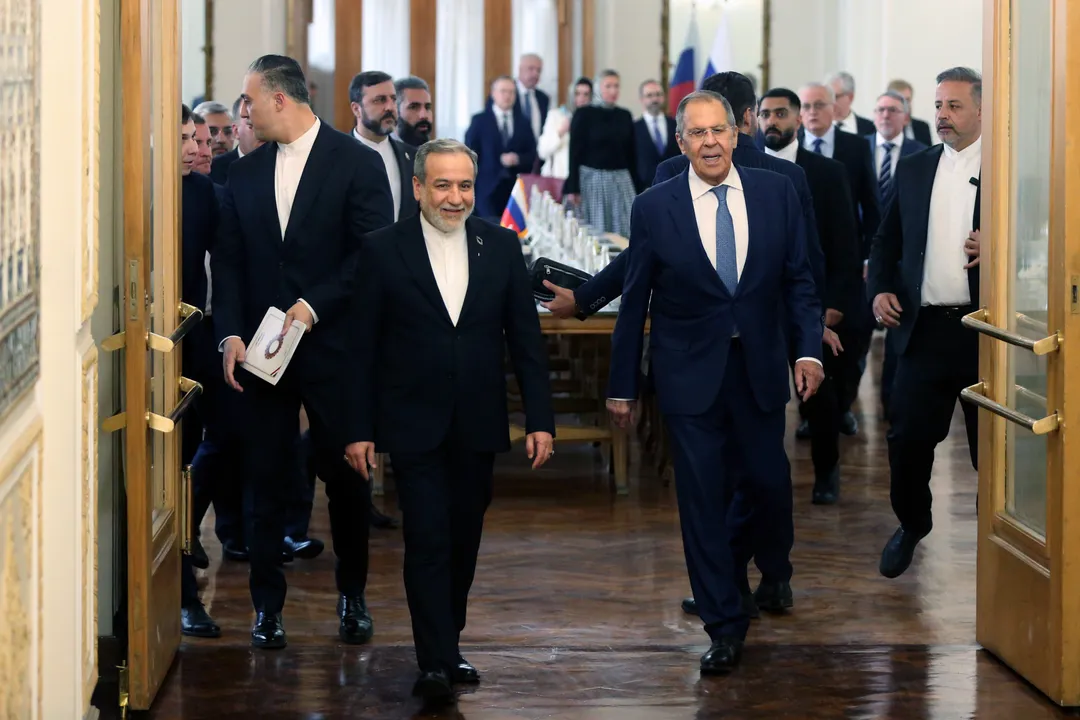
Russian, Iranian foreign ministers hold talks in Tehran
Russian Foreign Minister Sergey Lavrov met his Iranian counterpart Abbas Araghchi in Tehran, with diplomatic delegations from both countries beginning talks immediately afterwards, the Russian foreign ministry said.
"Sergey Lavrov and Iranian Foreign Minister Abbas Araghchi are holding bilateral talks in Tehran," the ministry said in a statement.
According to the ministry, Lavrov will be received by Iranian President Masoud Pezeshkian.
The ministry highlighted that the meeting is the fourth in-person contact between the top diplomats this year, adding that they also had 14 telephone conversations.
Turkish foreign minister discusses regional security with Saudi counterpart over phone
Türkiye's Foreign Minister Hakan Fidan held a phone call with his Saudi counterpart Prince Faisal bin Farhan to discuss regional security issues, Turkish Foreign Ministry sources said.
The two ministers discussed regional security matters, particularly attacks targeting Saudi Arabia's sovereignty and territorial integrity, according to the sources.
SUMMARY
Iran says Netanyahu seeks to drag US into another war
Saudi pilots killed in helicopter crash as coalition intercepts drones
Saudi-led coalition says it intercepted drone in Riyadh
Hormuz transits remain 70% below pre-conflict levels
Araghchi says Tehran has shared a seven-day plan with the US
RECOMMENDED