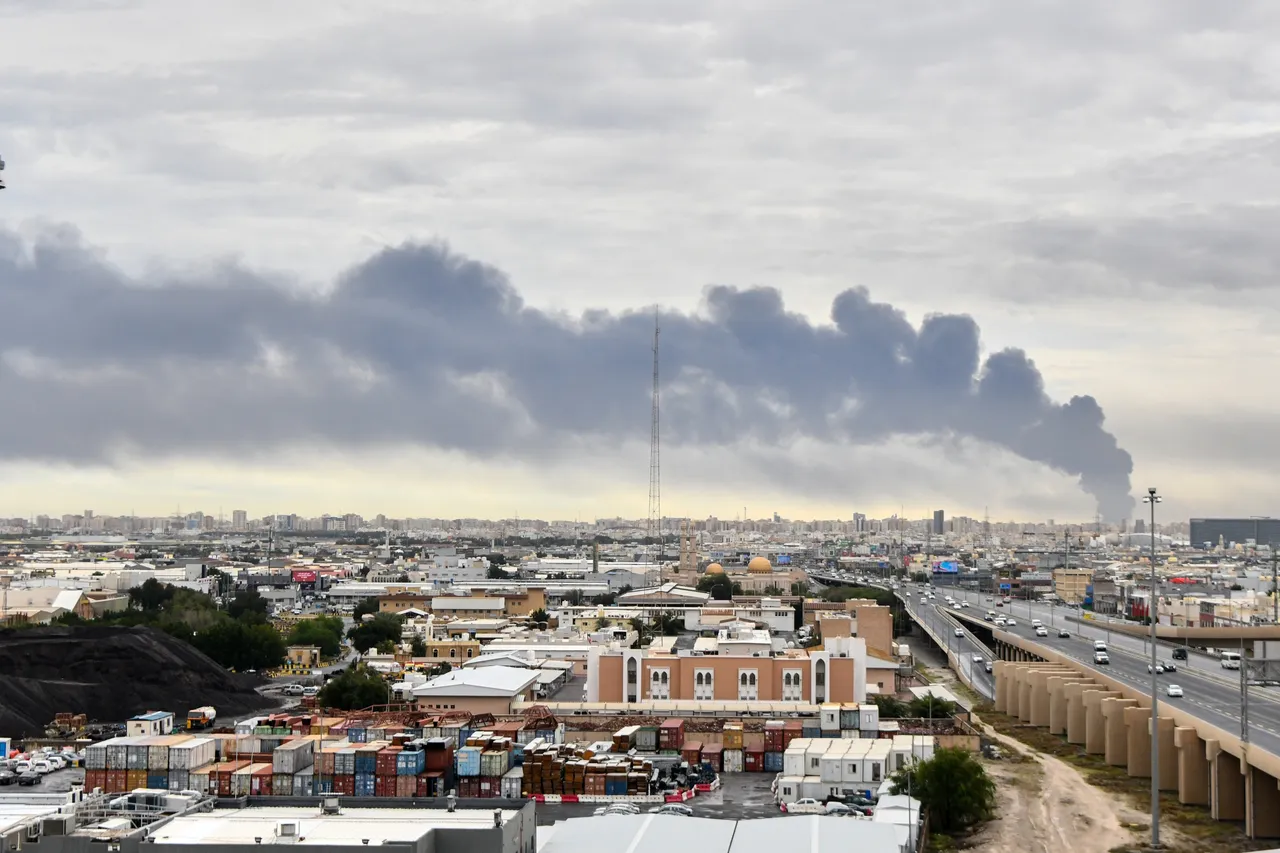
Iran's Revolutionary Guard (IRGC) has said that it targeted a US airbase in Kuwait in response to an American aerial strike near Bandar Abbas Airport in southern Iran.
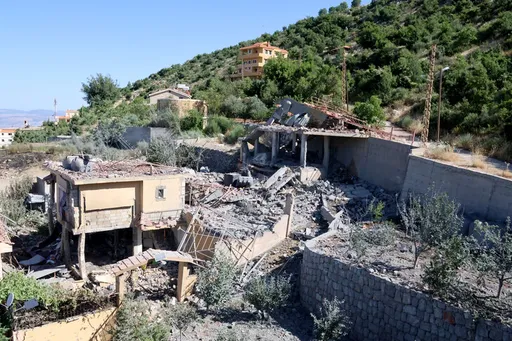
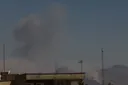
According to Iran's semi-official Tasnim News Agency, the IRGC said the retaliatory strike came at 0450 AM (0120GMT) on Thursday, hours after what it described as a US assault on a point near the port city's airport using aerial projectiles.
"This response is a serious warning so that the enemy knows that aggression will not go unanswered, and if repeated, our response will be more decisive," it said.
There was no immediate response from the US military.
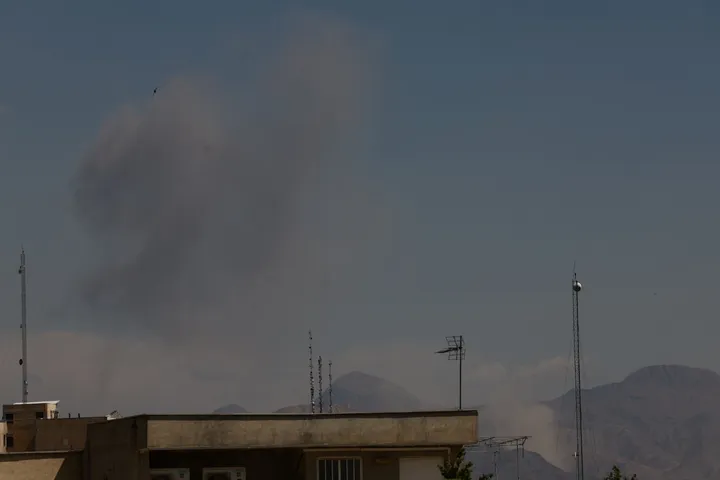
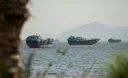
Earlier in the day, a US official said that US forces shot down four Iranian drones that posed a threat near the Strait of Hormuz and struck an Iranian ground control station in Bandar Abbas that was preparing to launch a fifth drone.
"These actions were measured, purely defensive, and intended to maintain the ceasefire," said the official, who spoke on condition of anonymity.





‘Grave violation of the ceasefire’
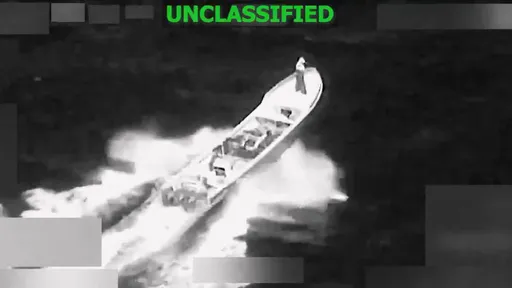
The latest strikes came after US Central Command (CENTCOM) earlier this week confirmed a previous round of strikes on southern Iran targeting missile launch sites and Iranian boats allegedly attempting to lay mines. Iran condemned those strikes as a "grave violation of the ceasefire."
Earlier, commenting on the state of the negotiations to end the war on Iran, US President Donald Trump said he is "not satisfied with it, but we will be. Either that, or we'll have to just finish the job."
Regional tensions boiled over on February 28 when the US and Israel launched surprise attacks on Iran, prompting Tehran to retaliate with barrages of drones and missiles that hit targets across the region and to shut down the Strait of Hormuz.
A ceasefire took effect on April 8 through Pakistani mediation, but talks in Islamabad failed to produce a lasting agreement.
Trump later extended the truce indefinitely while maintaining a blockade on vessels travelling to or from Iranian ports through the strategic waterway and periodically saying a peace deal was close.