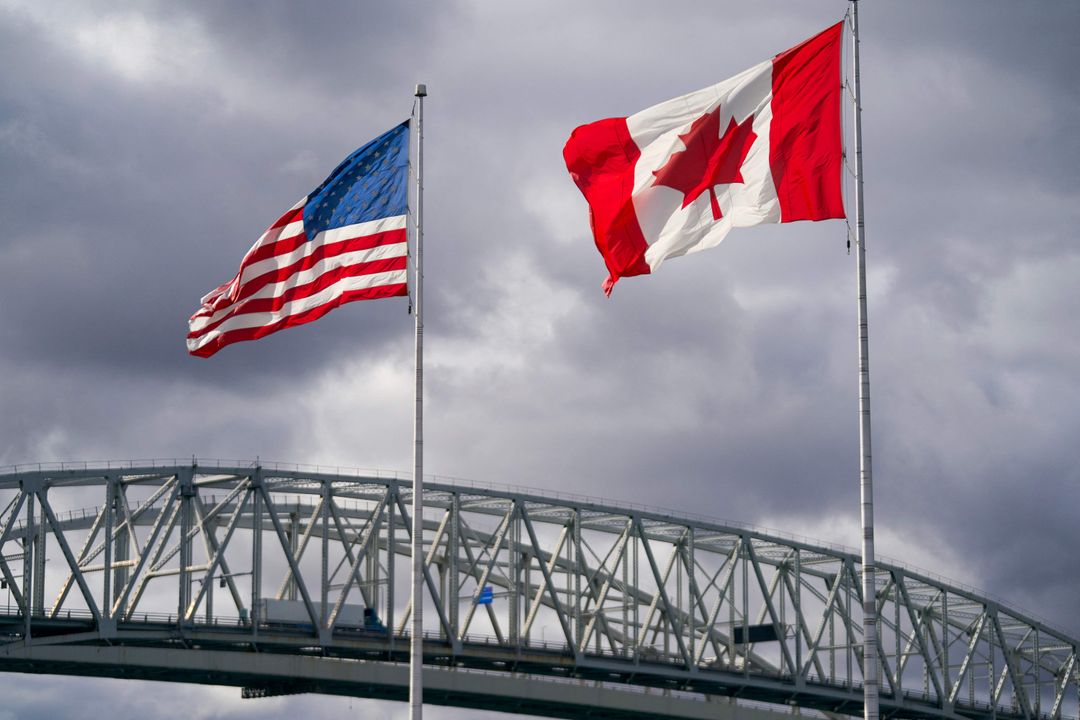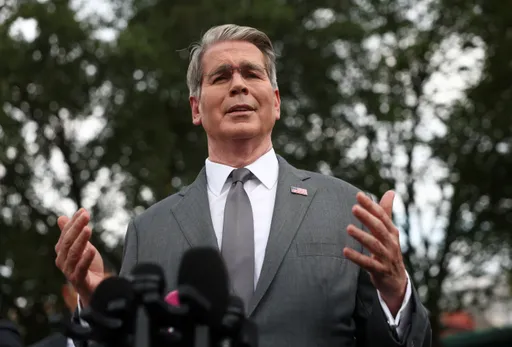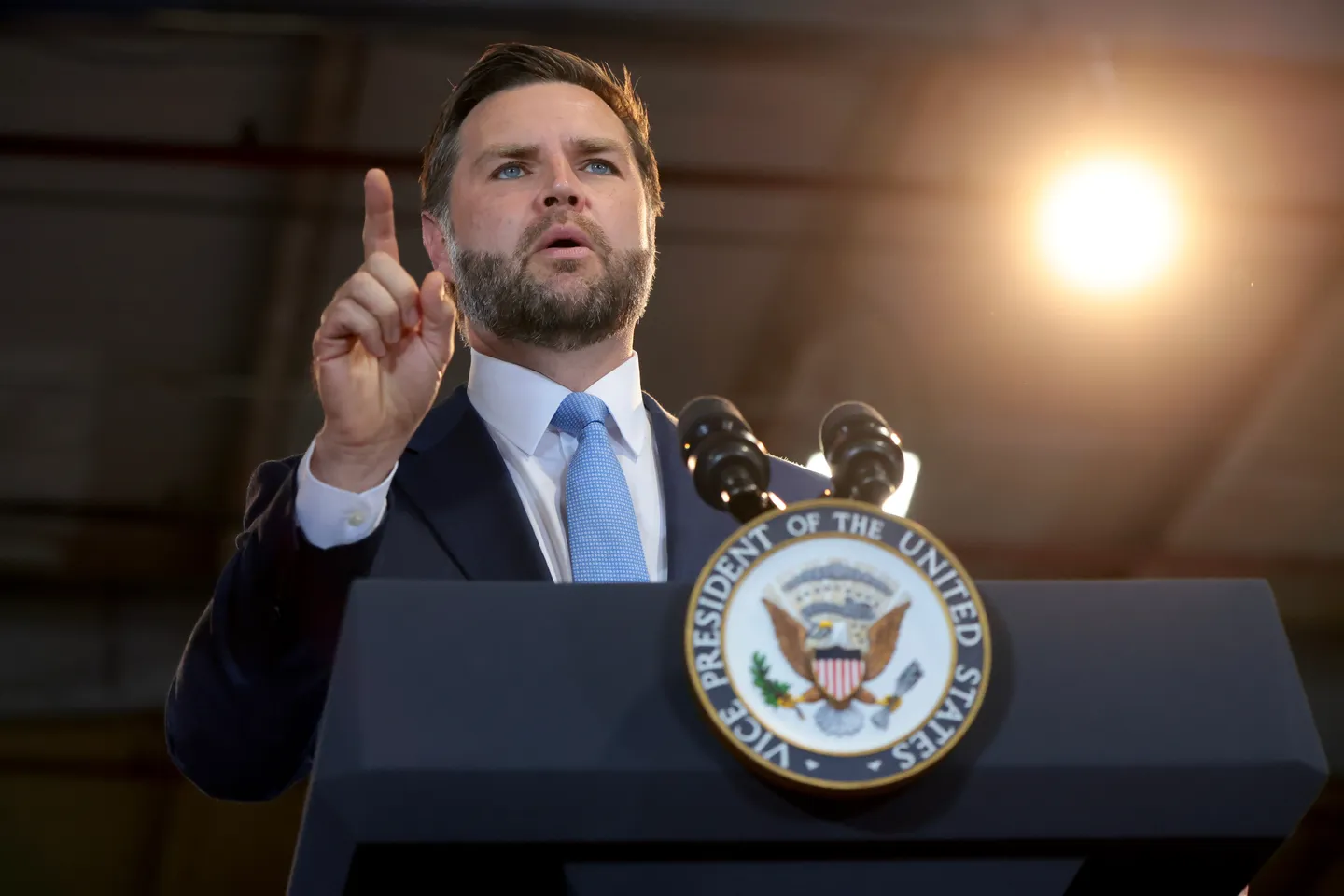
US Vice President JD Vance has said that Canada has failed to invest in its military and would be invaded by another country without the protection provided by the United States.
"Canada is a country that has underinvested in its military that quite literally would get invaded by a foreign country were it not for the umbrella of protection provided by the United States of America," Vance told an audience on Monday in Brewer, Maine, a northern state bordering Canada.
Vance also criticised Canada over recent trade tensions with the US, accusing Ottawa of making unreasonable demands during negotiations.
"They came in with a bunch of unreasonable last-minute demands," Vance said.
"I think that we should have a deal, but I think that we need to send a message loud and clear to the prime minister of Canada: stop taking advantage of the people of Maine. Stop taking advantage of America. It’s over. We expect fairness in our trade policy."
His remarks come as President Donald Trump has repeatedly pressed Canada and other US allies to increase defence spending while seeking more favorable trade terms.
Trump has imposed tariffs on Canadian goods and repeatedly criticised Ottawa over trade practices, while Canadian Prime Minister Mark Carney has sought to negotiate with Washington to ease tensions between the two neighbours.
Canada is a member of both NATO and NORAD, a joint US-Canadian organisation responsible for monitoring and defending the airspace and maritime approaches of North America.
Ottawa has pledged to increase defence spending as geopolitical tensions grow, including amid Russia's war in Ukraine and rising strategic competition in the Arctic.
Trade talks collapse
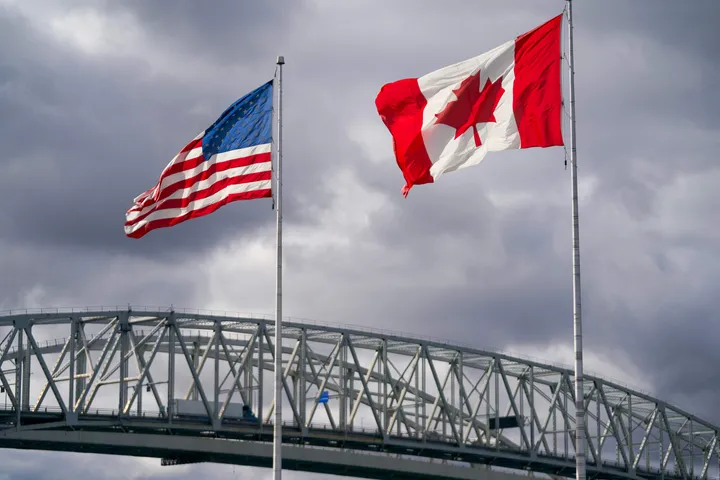
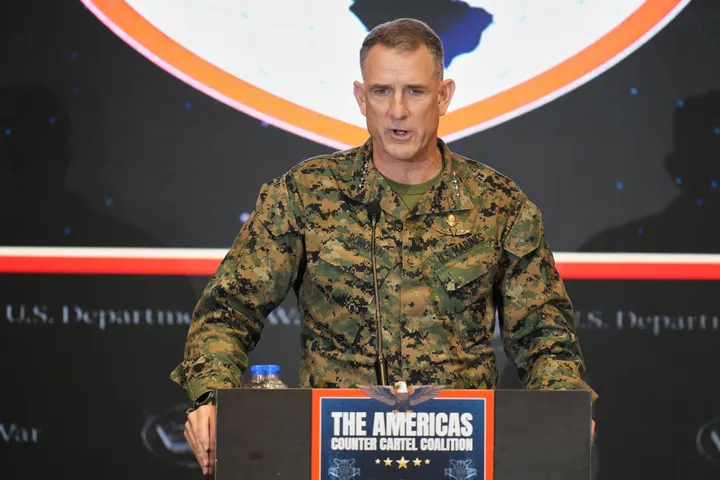
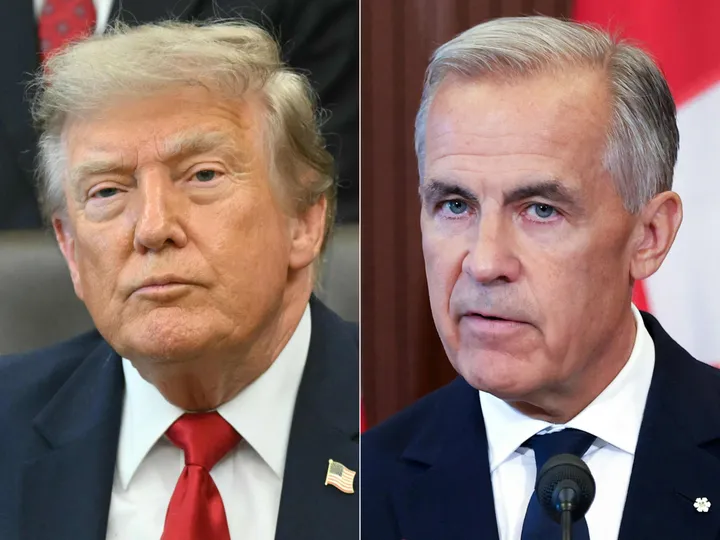

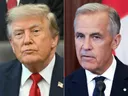
The comments came as trade tensions between Washington and Ottawa escalated further. New US tariffs of 50 percent on about $20 billion worth of Canadian goods took effect on Saturday after trade talks collapsed.
Trump on Monday threatened an additional 50 percent tariff on Canadian automobiles, auto parts, and steel starting on January 1, 2027. Canada has vowed to retaliate.
Earlier on Monday, US Treasury Secretary Scott Bessent during a press conference in Washington DC was asked if President Trump is still interested in making Canada the 51st US state.
"I think he would like Canada to come to the table and negotiate in good faith. They were offered quite a good deal last week. They chose to reject it," Bessent answered.
He accused Canadian Prime Minister Mark Carney of rising to power on an "anti-American, anti-Trump platform", and questioned why Carney, a former Bank of Canada governor, would reject the deal if he truly has the Canadian people's interests at heart.
Carney said on Monday that the goal of trade talks with Washington "has always been to get the best deal for Canadians, never a deal at any price or on any time frame."
"We learned that, during the negotiations, the Americans wanted to destroy our major industries — including the automotive, steel, and aluminum sectors — through unfair negotiating terms. And that is one of the main reasons why we said no," he added.
He stressed that building domestically and diversifying trade abroad has been "plan A from the start."
Canadian officials also said that trade talks with the US collapsed after Washington sought to impose restrictions on Ottawa regarding trade deals with other countries.