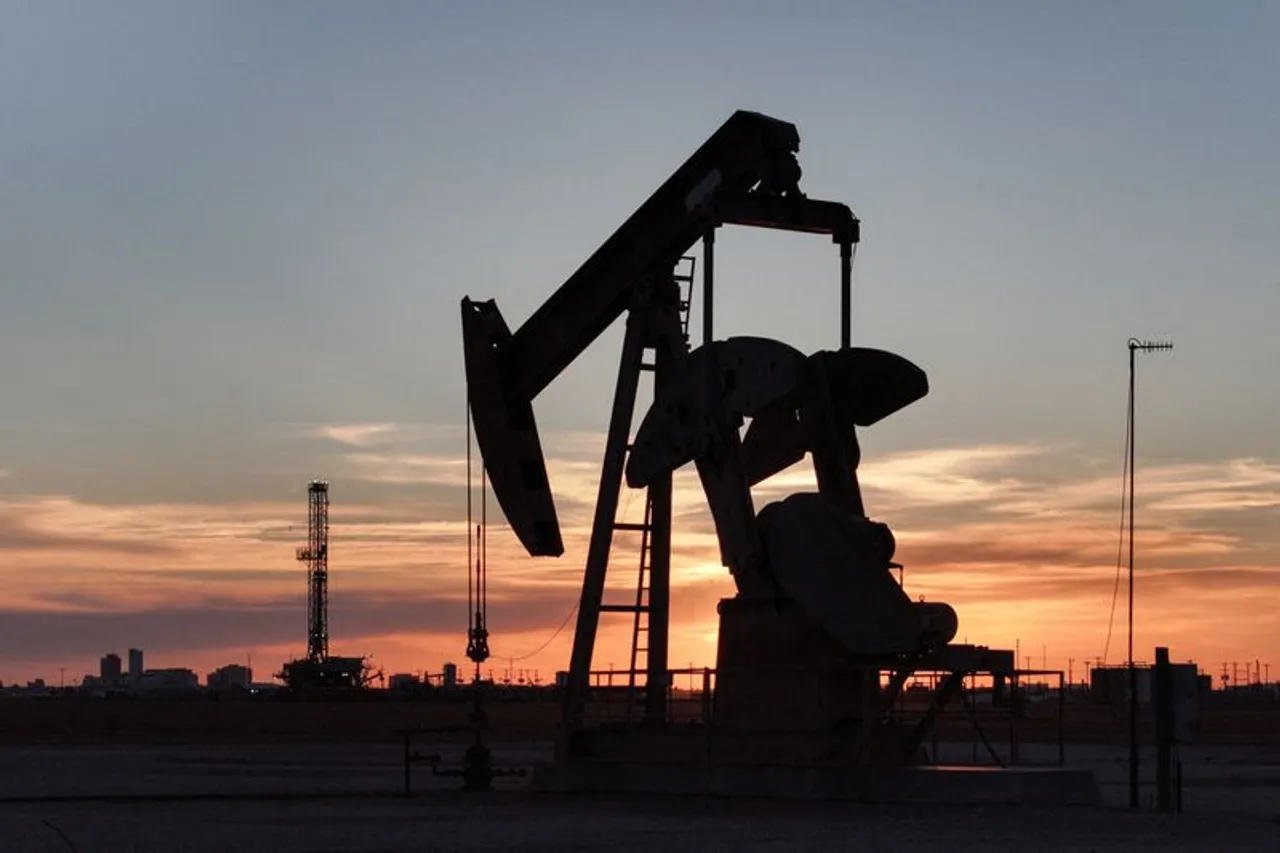
Oil prices extended losses on Thursday as investors weighed the prospects for a Middle East peace deal that could ease supply concerns and pave the way for the gradual reopening of the Strait of Hormuz.
International benchmark Brent crude fell 3.5 percent to $97.5 per barrel as of 0715GMT, while US benchmark West Texas Intermediate (WTI) declined over 3 percent to $92 per barrel.
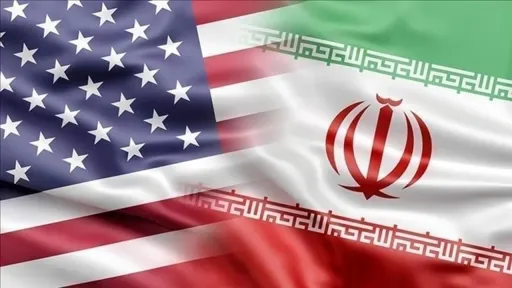
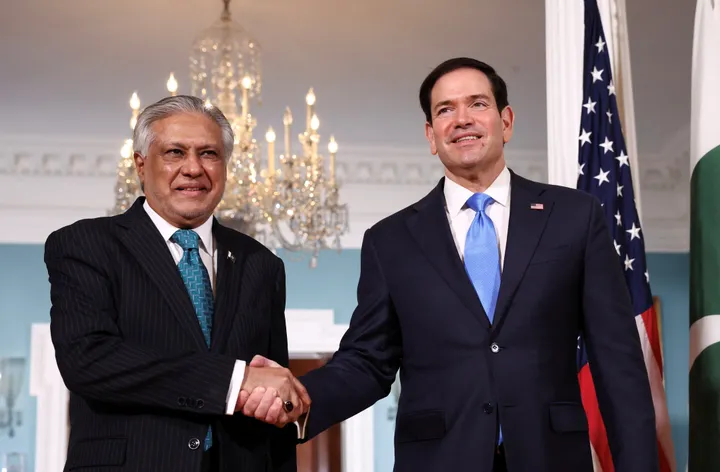
The decline followed reports suggesting that the US sent a one-page memorandum of understanding to Iran through Pakistani intermediaries aimed at formally ending the conflict and creating a framework for the gradual reopening of the Strait of Hormuz.
Tehran is expected to respond within days after confirming that it is reviewing the US proposal, though broader negotiations over Iran’s nuclear program are reportedly expected to take place at a later stage.
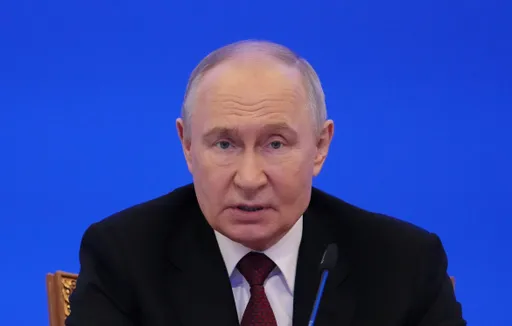
However, US President Donald Trump cautioned that a deal has not yet been finalised, saying it would be a “big assumption” that Iran would accept the proposal. He also warned that the US could resume military strikes if Tehran fails to comply.

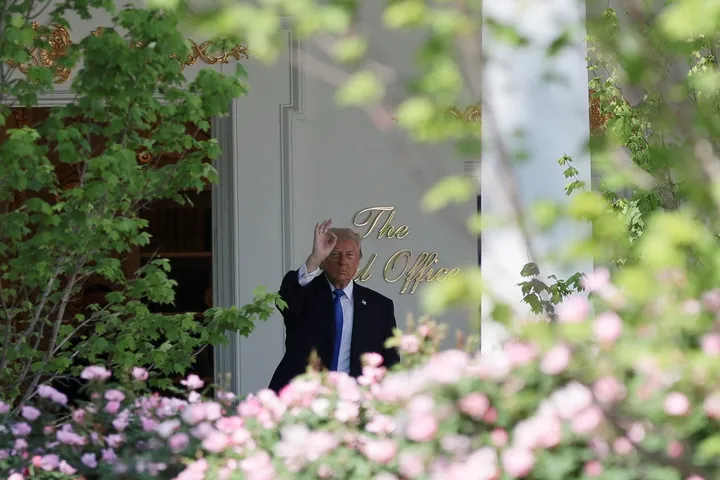




Prices also came under pressure after Trump temporarily reversed his plan to assist commercial vessels transiting the Strait of Hormuz.
Trump’s sudden reversal followed a decision by a key Gulf ally to suspend the US military’s use of its bases and airspace for the operation, NBC News reported Wednesday, citing sources.
The move raised expectations that Washington may be shifting from military measures toward diplomacy, easing fears of further disruption in one of the world’s most critical energy transit routes.
The Strait of Hormuz is a key chokepoint for global oil and liquefied natural gas flows, and weeks of conflict in the region had driven prices sharply higher amid fears of supply shortages.