Spanish Transport Minister Oscar Puente has announced his resignation following a high-speed train disaster in Toledo that killed 69 people and injured around 200 others last week, Spanish daily El Pais reported.
"A Minister of Transport in a country like Spain cannot continue in his post after two accidents in less than a year, as a matter of dignity," Puente told the Permanent Deputation of Congress, calling his departure "a decision of political dignity."
Puente confirmed he is also withdrawing his candidacy for the Spanish Socialist Workers' Party in Valladolid ahead of snap general elections on November 29.
The disaster—one of the deadliest rail crashes in Europe this century—has heavily overshadowed campaigning for Socialist Prime Minister Pedro Sanchez, who is trailing in opinion polls.
Safety scrutiny and line modernisation
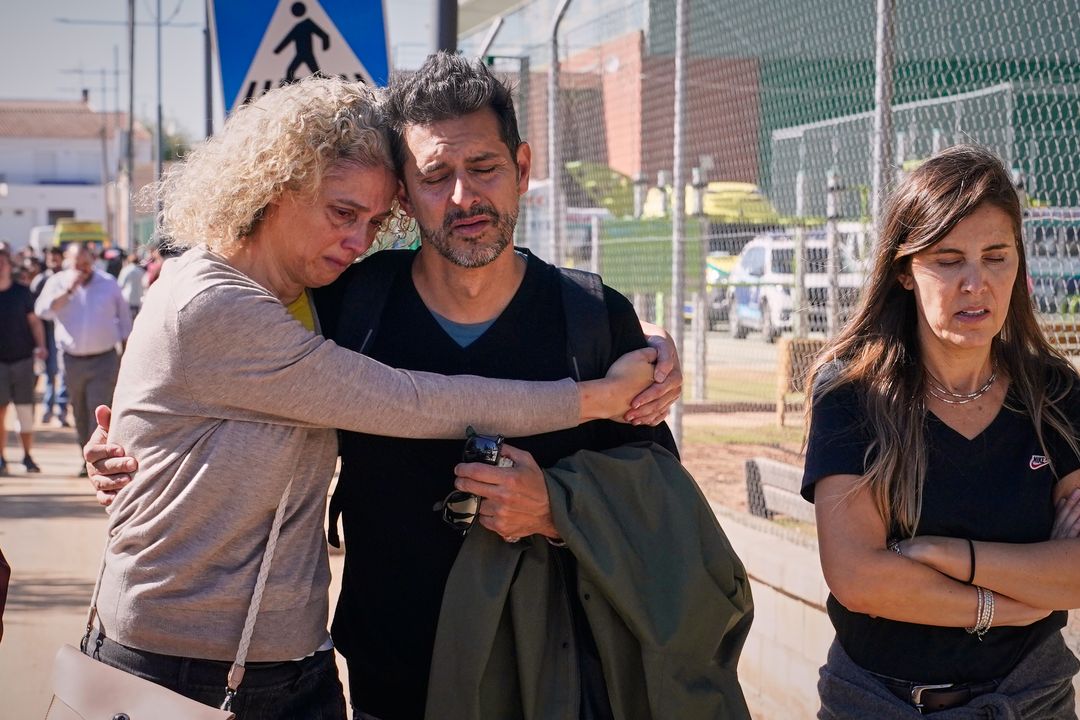
The October 28 crash occurred outside the village of Urda, approximately 130 kilometres south of Madrid, when a state-owned Renfe high-speed train ploughed into the rear of a stationary service operated by private company Iryo.





A failure in the automatic train protection system halted all services along a 63-kilometre section of track, but a control centre operator nonetheless authorised the Renfe train to resume normal speed.
Right-wing opposition figures and trade unions criticised Puente for appearing to place the blame entirely on a single controller.
In an address to lawmakers, Puente defended the government's record, rejecting allegations that the Madrid-Seville corridor had been neglected and pointing to an ongoing €780 million modernisation programme.
He also unveiled safety measures, including AI software to alert controllers to anomalies, mandatory two-operator sign-offs during safety system failures, and a €30 million relief package for victims' families.
The train drivers' union Semaf, which has scheduled walkouts for November 10 and 12, warned that working conditions and maintenance have deteriorated since the 2021 market liberalisation.
The crash follows a collision in Andalusia in January that killed 46 people along the same Madrid-Seville route.