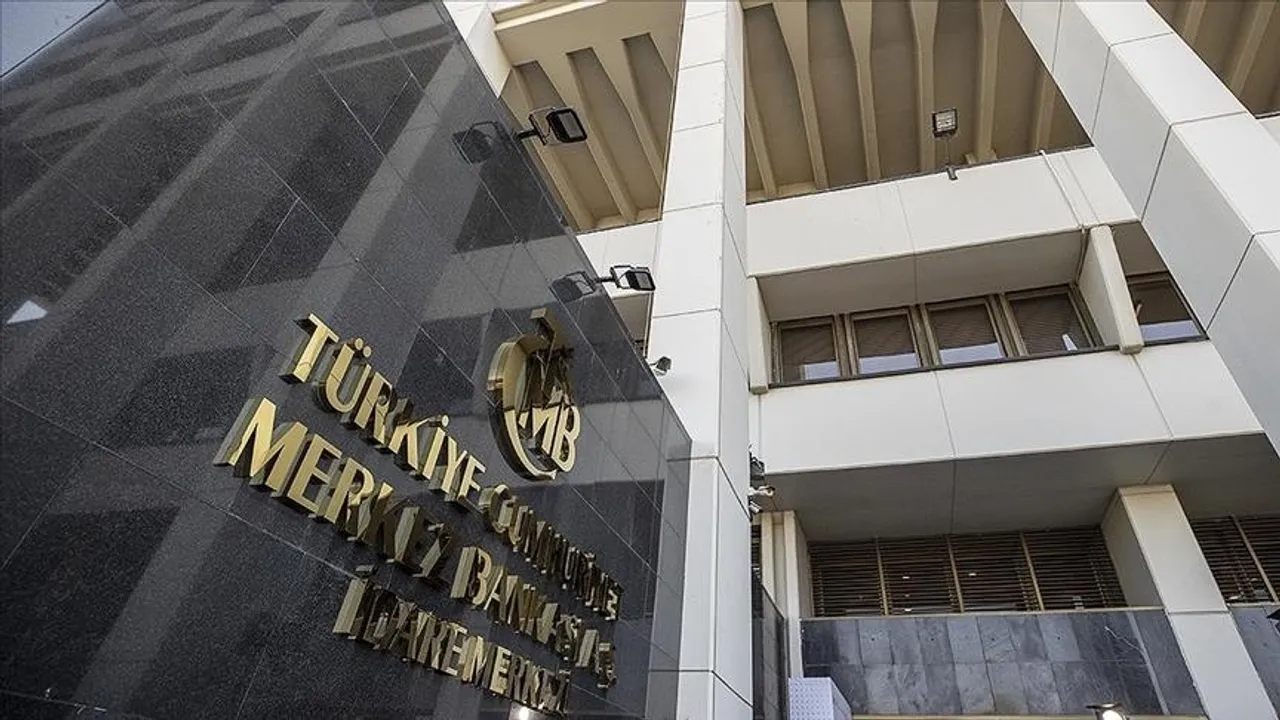
SZTürkiye’s Central Bank warned on Friday that escalating geopolitical tensions and rising commodity prices have deepened uncertainties over the global inflation outlook, but at home, overall credit growth remains robust.
In its financial stability report for May, the bank said that these persistent global risks, alongside concerns over public debt sustainability, drove government bond yields in both developed and emerging markets above their historical averages.
The report showed that the Turkish economic administration’s macroprudential policies shifted the credit composition in favor of Turkish lira commercial loans rather than foreign currency financing, while targeted central bank regulations on consumer loans and credit deposit accounts slowed retail borrowing, leading to a stabilisation of overall household indebtedness.
As for the corporate sector, tight financial conditions meant that real sector indebtedness, financial leverage, and foreign currency open positions remained below their historical averages, according to the central bank’s report.
Turkish companies showed strong resilience against global volatility, demonstrating a robust capacity to roll over their foreign corporate debts.








Meanwhile, Turkish lira deposits emerged as the preferred asset choice for household savings, while the massive surge in precious metals continued to boost the share of gold in foreign currency accounts.
The Turkish Central Bank’s liquidity measures anchored market interest rates to its monetary policy stance despite unpredictable fluctuations in system funding caused by external geopolitical shocks, the report said.
The report noted that the broader banking industry in the country continued to show a strong liquidity position, with liquid asset ratios and short-term coverage figures remaining above legal requirements.
The report added that the proliferation of alternative financing models and the diversification of investment instruments continue contributing to the deepening of the financial system and the efficient allocation of savings, strengthening the interconnectedness of the non-bank financial sector with the real economy, the banking sector, and financial markets.